


Biography | 豊田佐吉 Sakichi Toyoda — The 1911 Weaving Works on This Brick Lot Became the Group's Memory
Toyota Museum, Global, Earth · 1911
Unreviewed contributionBy kevin · · updated · Report an issue






















Distribute Bounty
This will distribute the bounty equally among all qualifying memories. This action cannot be undone.
Cancel Bounty
Are you sure you want to cancel this bounty? The remaining amount will be refunded to your account.
Success!
Operation completed successfully.
Error
Something went wrong.
Biography | 豊田佐吉 Sakichi Toyoda — The 1911 Weaving Works on This Brick Lot Became the Group's Memory
kevin
In 1911 Sakichi Toyoda opened Toyoda Jido Shokufu Kojo — the Toyoda Automatic Weaving Factory — on this ground in Sako, now 4-1-35 Noritake-shinmachi, Nishi-ku, Nagoya.
The mill began running the next year.
He had left Toyoda's Loom Works in 1910 after a fight over research spending.
In January 1913 he sold an earlier loom patent to that company for 80,000 yen.
That sale is why later automatic-loom designs had to use new mechanisms instead of the old claims.
This Sako lot is where he kept building looms after the split.
In 1918 the business was incorporated as Toyoda Boshoku, Toyoda Cotton Spinning and Weaving.
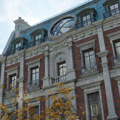
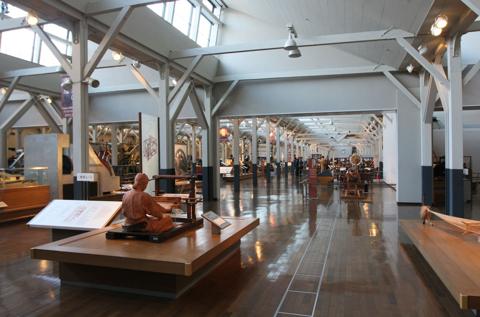
The red-brick sheds that survive were part of the Sako plant of that company, later transferred into Toyoda Automatic Loom Works.
They are not a replica campus.
The Toyota Commemorative Museum of Industry and Technology opened here on 11 June 1994, the hundredth anniversary of Kiichiro Toyoda's birth, as a joint project of the Toyota Group companies.
Its stated job is to keep the pilot factory Sakichi used to test automatic looms, and to show the line from textile machines to cars.
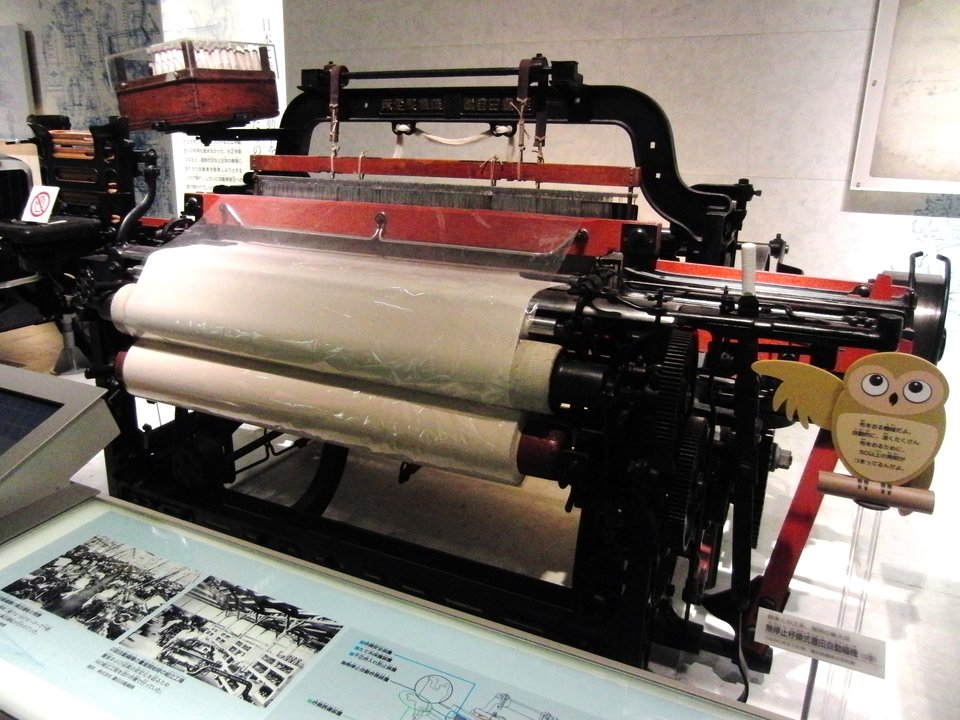
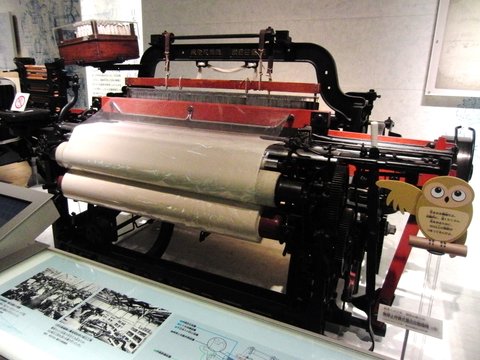
Inside the Textile Machinery Pavilion you can still watch a Type G automatic loom change a shuttle without stopping.
That machine is the reason the brick walls matter.
Sakichi's rule, repeated in the museum's own account of the Type G, was that a new product was not finished until it had survived a commercial trial, not a workshop demonstration.
The Kariya experimental plant ran that trial in 1924 and 1925.
This Nagoya lot is the older workshop that made the trial possible.
Visitors who come only for cars miss the sequence.
The group that now stamps vehicles began as a weaving works whose founder insisted the machine should stop itself when a thread broke.
That idea later acquired a name, jidoka.
The name is newer than the brick.
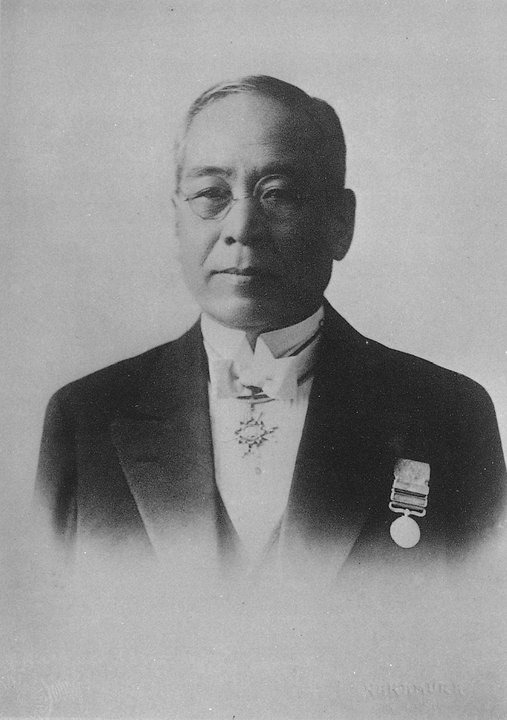
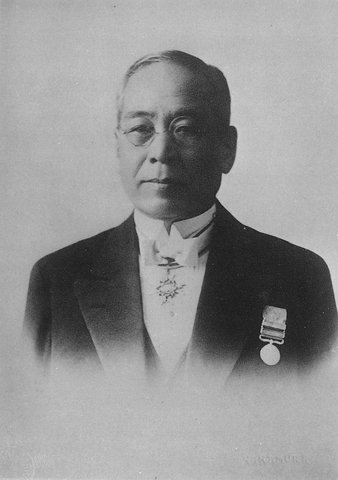
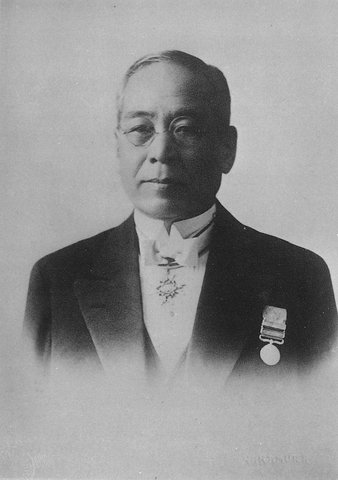
Photo: Sakichi Toyoda portrait, public domain (PD-Japan-oldphoto), via Wikimedia Commons
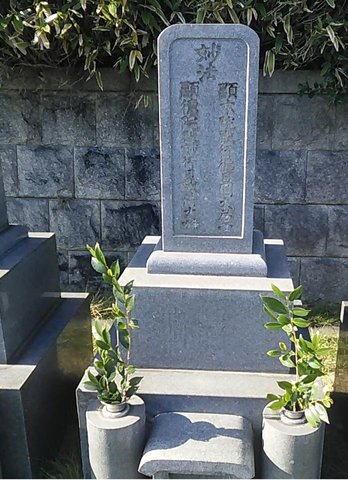
changes?
delete this memory?
We detected that you have a Blox in your crypto wallet! We will import the Blox into your account.
Click on done below to complete the import.
Welcome Back!
Sign in to preserve cherished moments
Don't have an account?
Welcome!!
Sign up and start preserving cherished moments
?
?

Choose your payment method
Buy with Metablox Credit
Do you want to mint Blox with Metablox Credit?
Which Crypto would you like to use?
Purchase Confirmed!
Your Blox is being minted on-chain and will appear in your profile shortly.
Log in or sign up to claim your Blox.
How many credits do you want to buy?
$100 USD = 1 Metablox Credit = 1 Blox.
Use Metablox Credit to mint any Blox you want on the map.
 expand_more