


Finance History | Palais du Louvre, 22 February 1987 — The Dollar’s Managed Fall Became a Pact for Stability
The Louvre, Global, Earth · 1987-2
Personal memoryBy kevin · · updated · Report an issue





























Distribute Bounty
This will distribute the bounty equally among all qualifying memories. This action cannot be undone.
Cancel Bounty
Are you sure you want to cancel this bounty? The remaining amount will be refunded to your account.
Success!
Operation completed successfully.
Error
Something went wrong.
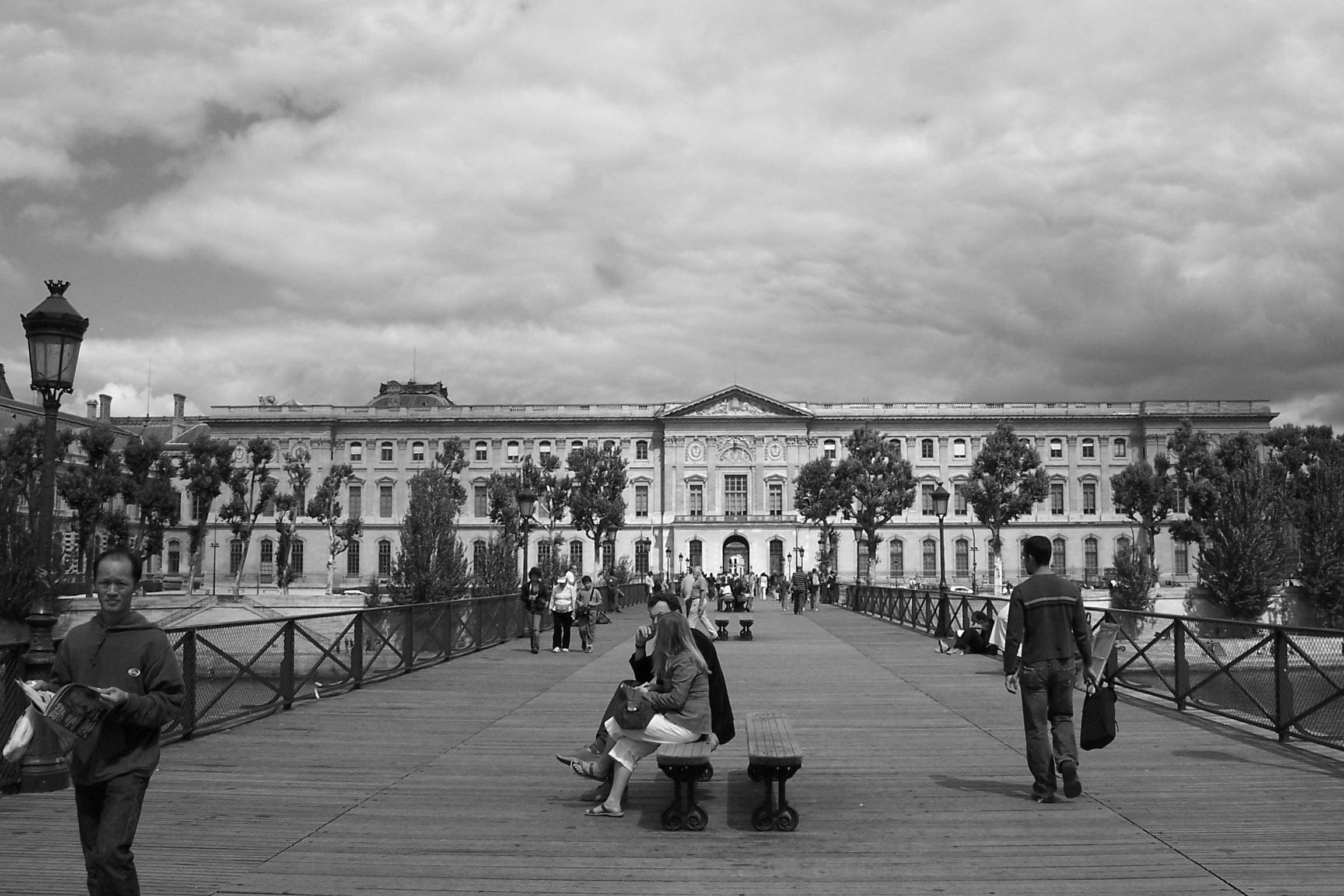
Finance History | Palais du Louvre, 22 February 1987 — The Dollar’s Managed Fall Became a Pact for Stability
kevin
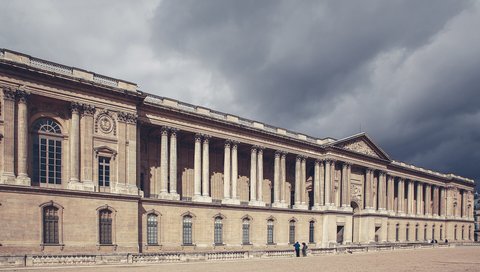
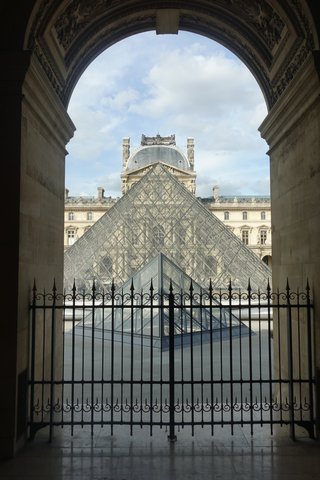
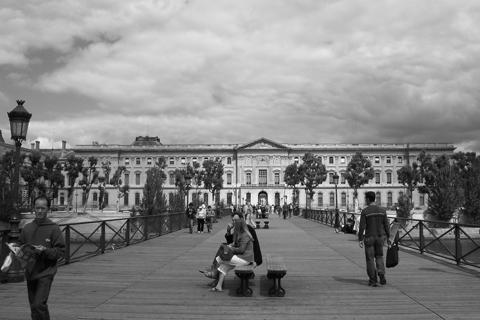
On 22 February 1987, finance ministers and central-bank governors from Canada, France, West Germany, Japan, the United Kingdom, and the United States met at the Palais du Louvre with the managing director of the International Monetary Fund.
Their statement marked a turn in the strategy begun at New York’s Plaza Hotel in September 1985. Plaza had treated an overvalued dollar as part of the problem; at the Louvre, officials judged that the major exchange-rate adjustment had gone far enough.
The participants said their currencies were now broadly consistent with economic fundamentals and warned that further large shifts could damage growth and adjustment. They committed to closer cooperation around prevailing rates while pairing that promise with national policies intended to reduce trade and current-account imbalances.
The agreement therefore reached beyond currency-market intervention. The United States pledged to reduce its federal deficit, Japan promised policies to strengthen domestic demand and cut its discount rate by 0.5 percentage point on 23 February, and European governments set out fiscal, tax, and structural measures of their own.
This was managed floating in unusually explicit form. Governments did not restore fixed exchange rates, but they also rejected the idea that market prices should move without coordinated resistance when those movements threatened shared objectives.
The bargain worked only imperfectly. The IMF later recorded relative exchange-rate stability for part of 1987, followed by renewed pressure after the October stock-market crash; the dollar then fell by close to 7 percent during November and December 1987.
The Louvre Accord’s lasting importance lies in the policy architecture rather than a permanent exchange-rate level. It linked currency stability to fiscal policy, domestic demand, structural reform, and repeated multilateral surveillance.
Inside a former royal palace, six governments made a modern monetary claim: exchange rates could be guided only if national economic policies moved with them.



changes?
delete this memory?
We detected that you have a Blox in your crypto wallet! We will import the Blox into your account.
Click on done below to complete the import.
Welcome Back!
Sign in to preserve cherished moments
Don't have an account?
Welcome!!
Sign up and start preserving cherished moments
?
?






Choose your payment method
Buy with Metablox Credit
Do you want to mint Blox with Metablox Credit?
Which Crypto would you like to use?
Purchase Confirmed!
Your Blox is being minted on-chain and will appear in your profile shortly.
Log in or sign up to claim your Blox.
How many credits do you want to buy?
$100 USD = 1 Metablox Credit = 1 Blox.
Use Metablox Credit to mint any Blox you want on the map.
 expand_more