


Finance History | Government Complex Seoul, 3 December 1997 — Korea Signed for an IMF Lifeline
· 1997-12
Personal memoryBy kevin · · updated · Report an issue







































Find memories left by people near you.
Distribute Bounty
This will distribute the bounty equally among all qualifying memories. This action cannot be undone.
Cancel Bounty
Are you sure you want to cancel this bounty? The remaining amount will be refunded to your account.
Success!
Operation completed successfully.
Error
Something went wrong.
Finance History | Government Complex Seoul, 3 December 1997 — Korea Signed for an IMF Lifeline
kevin
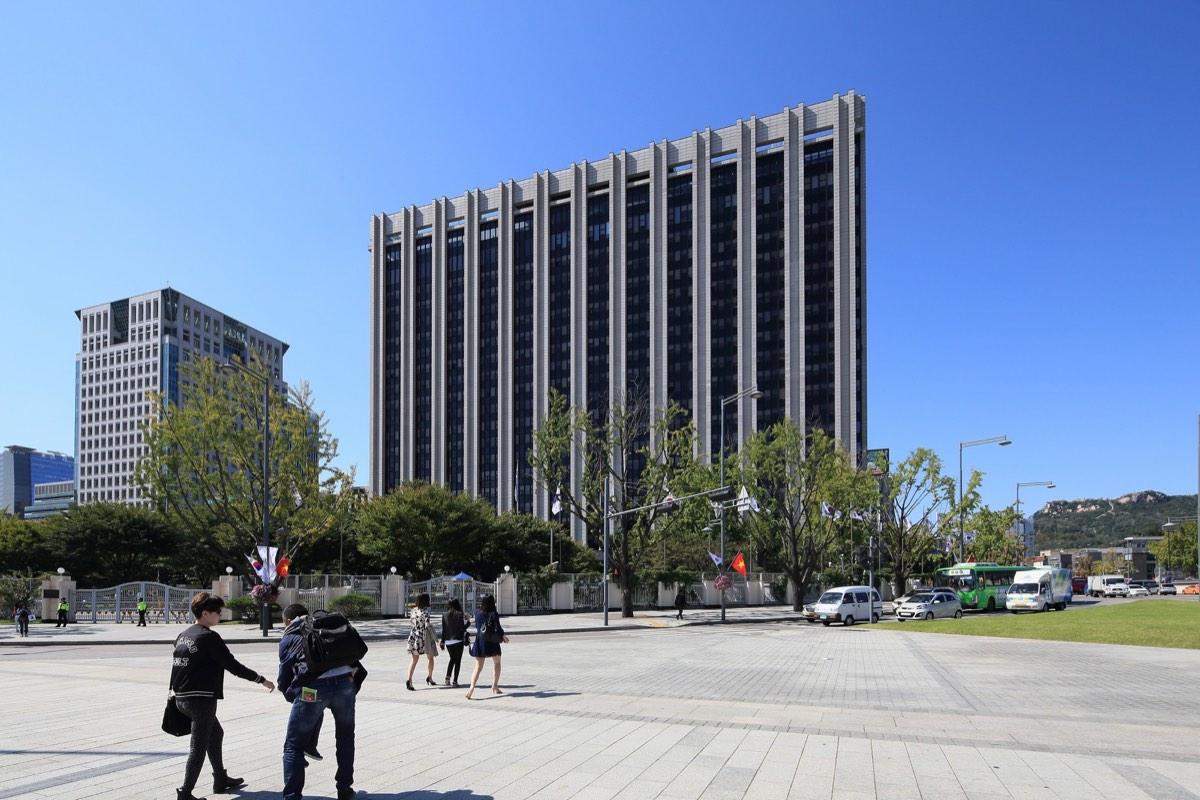
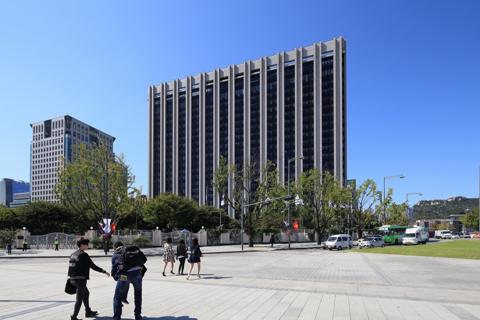
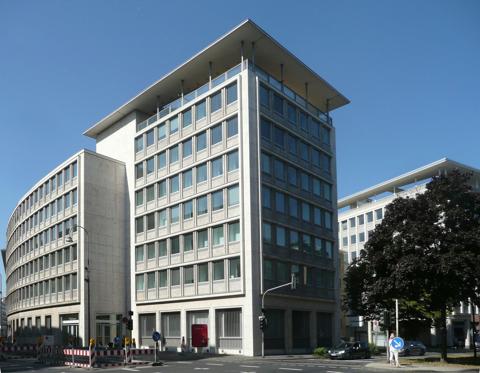
At 7:40 p.m. on 3 December 1997, Korean officials and International Monetary Fund managing director Michel Camdessus completed their agreement in the deputy prime minister's office at Government Complex Seoul. They then moved to the building's 19th-floor conference room to announce the result.
The signing came after the won had fallen sharply and usable foreign-exchange reserves had become dangerously scarce. Banks and merchant banks had borrowed heavily at short maturities abroad, leaving the financial system exposed when foreign lenders refused to renew claims.
Korea's letter of intent requested a three-year IMF Stand-By Arrangement of SDR 15.5 billion, then about $21 billion. It committed the government to tighter macroeconomic policies, financial-sector restructuring, capital-market opening, and changes in corporate governance.
The larger figure commonly attached to the rescue was roughly $55 billion. That total combined the IMF arrangement with prospective support from the World Bank, Asian Development Bank, and bilateral lenders, so it should not be confused with the amount approved by the IMF itself.
Approval also did not occur at the Seoul signing table. The IMF Executive Board acted in Washington on 4 December, authorizing the arrangement and making about SDR 4.1 billion, or $5.56 billion, immediately available.
The rescue exchanged emergency foreign currency for a demanding policy program at a moment when Korea's reserves could not comfortably cover near-term obligations. It bought time, but it also accelerated bank closures, corporate restructuring, higher interest rates, and a deep recession in 1998.
The social cost made the agreement politically enduring. Unemployment rose sharply, household security weakened, and the crisis became known domestically as the IMF era, a phrase that attached an international institution's name to a broader failure of domestic finance and external borrowing.
Recovery was faster than many initially feared, aided by exchange-rate adjustment, exports, debt rollover, and institutional reform. Korea later repaid the IMF ahead of schedule, but early repayment did not erase the distributional losses or settle debate over the program's design.
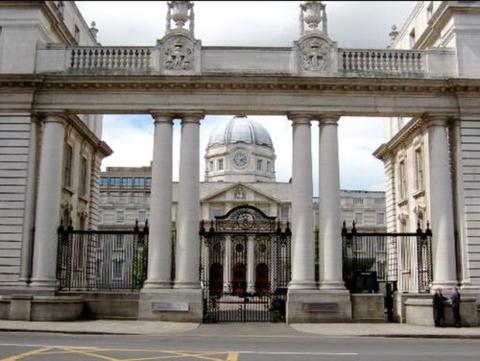
Government Complex Seoul is therefore an unusually precise site for the boundary between liquidity support and national economic conditionality. A signature in one office connected Korea's immediate reserve emergency to a multiyear transformation of banks, companies, labor markets, and regulation.
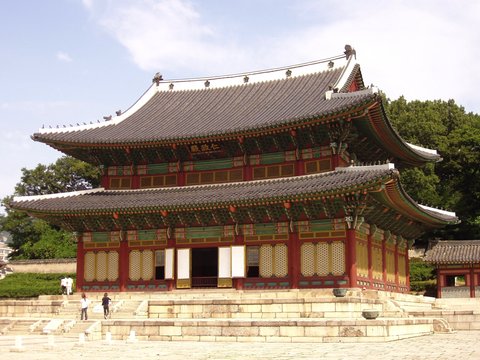
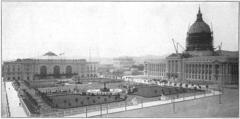
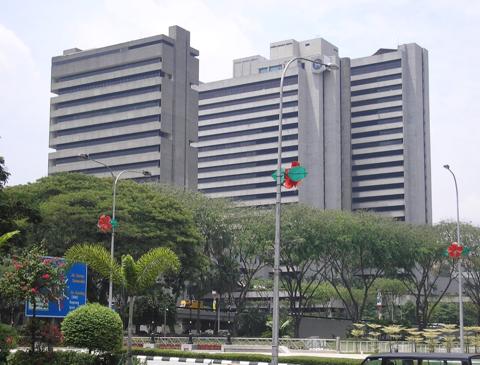
The accompanying photograph is by the Seoul Institute, licensed CC BY 4.0 via Wikimedia Commons.
changes?
delete this memory?
We detected that you have a Blox in your crypto wallet! We will import the Blox into your account.
Click on done below to complete the import.
Welcome Back!
Sign in to preserve cherished moments
Don't have an account?
Welcome!!
Sign up and start preserving cherished moments
?
?





Choose your payment method
Buy with Metablox Credit
Do you want to mint Blox with Metablox Credit?
Which Crypto would you like to use?
Purchase Confirmed!
Your Blox is being minted on-chain and will appear in your profile shortly.
Log in or sign up to claim your Blox.
How many credits do you want to buy?
$100 USD = 1 Metablox Credit = 1 Blox.
Use Metablox Credit to mint any Blox you want on the map.
 expand_more