


Dynastic History|Fort of São João Baptista de Ajudá, Ouidah — The Port That Paid the Palace
· 1727
Personal memoryBy kevin · · Report an issue






































Find memories left by people near you.
Distribute Bounty
This will distribute the bounty equally among all qualifying memories. This action cannot be undone.
Cancel Bounty
Are you sure you want to cancel this bounty? The remaining amount will be refunded to your account.
Success!
Operation completed successfully.
Error
Something went wrong.
Dynastic History|Fort of São João Baptista de Ajudá, Ouidah — The Port That Paid the Palace
kevin
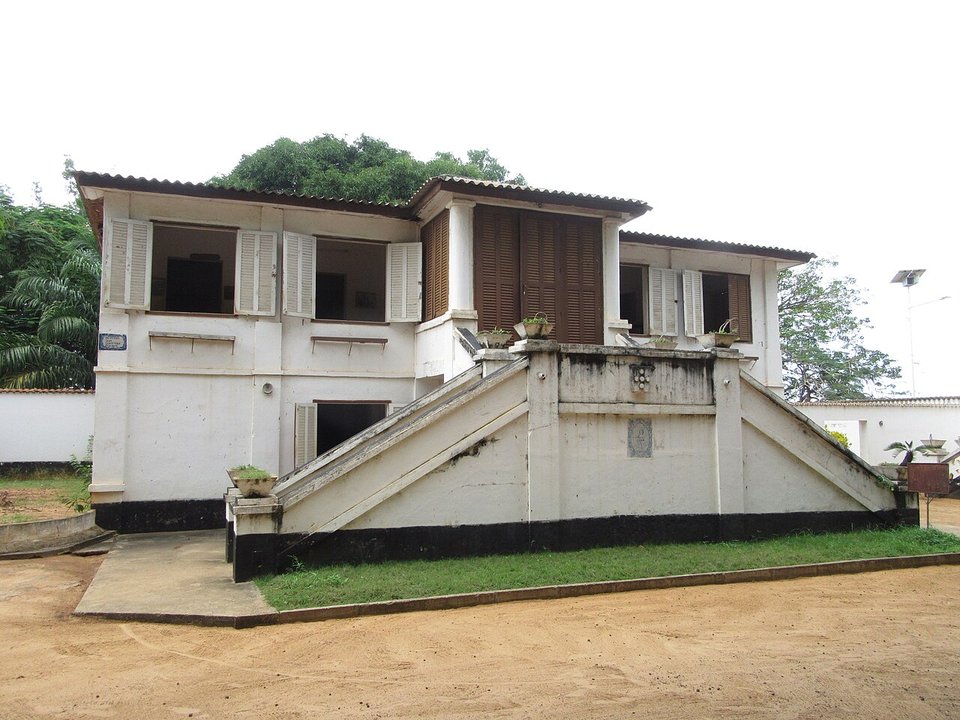
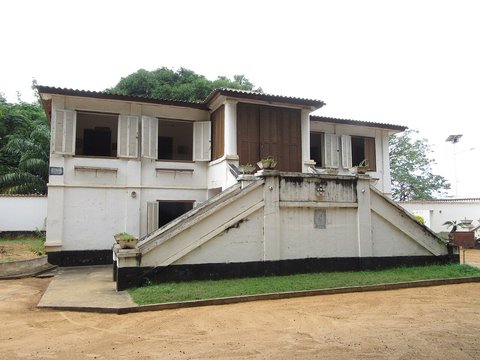
The Portuguese built their fort at Ouidah in 1721, four kilometres inland from the surf, the last of three European posts here after the English and the French. Six years later the army of Danxomè — Dahomey, in European usage — under King Agaja took the town from the Hueda kingdom that held it, and the court at Abomey inherited the traffic that ran through it.
None of these posts was a colony. They stood on ground the king controlled, their directors travelled inland to Abomey to pay annual customs, and the sale of captives was partly a royal monopoly and partly the business of private merchants working alongside it. The people sold had been taken in wars and raids inland. The figures are estimates and not counts: an archaeologist working at Ouidah puts departures at roughly ten thousand a year by the close of the seventeenth century, and the Slavery and Remembrance project describes more than a million people embarked here over two centuries, second only to Luanda among African ports. One of the last documented voyages, the schooner Clotilda, bought about a hundred and ten people at Ouidah in 1860 and landed them in Alabama.
The fort stayed nominally Portuguese long after the trade ended and long after the surrounding territory became French. In August 1961 the newly independent republic annexed the enclave and the remaining Portuguese residents were expelled. Restored later, the building houses the Ouidah Museum of History, and it has been in and out of works since as part of Benin's memorial-site programme. The beach where people were put into boats is about two miles south, at the end of the road now called the Route des Esclaves.
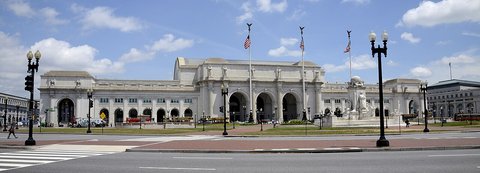
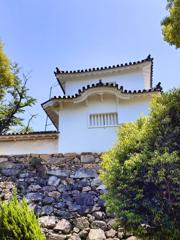
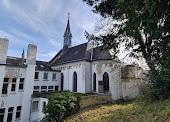
📸 Cover: the Portuguese fort at Ouidah, now the Ouidah Museum of History, Rachad Sanoussi, CC BY-SA 4.0 via Wikimedia Commons
changes?
delete this memory?
We detected that you have a Blox in your crypto wallet! We will import the Blox into your account.
Click on done below to complete the import.
Welcome Back!
Sign in to preserve cherished moments
Don't have an account?
Welcome!!
Sign up and start preserving cherished moments
?
?
Choose your payment method
Buy with Metablox Credit
Do you want to mint Blox with Metablox Credit?
Which Crypto would you like to use?
Purchase Confirmed!
Your Blox is being minted on-chain and will appear in your profile shortly.
Log in or sign up to claim your Blox.
How many credits do you want to buy?
$100 USD = 1 Metablox Credit = 1 Blox.
Use Metablox Credit to mint any Blox you want on the map.
 expand_more