


Military History | 1st Division Monument, Cantigny — Surmounted by a Carved Eagle of Stone
· 1919
Unreviewed contributionBy kevin · · updated · Report an issue


























































Find memories left by people near you.
Distribute Bounty
This will distribute the bounty equally among all qualifying memories. This action cannot be undone.
Cancel Bounty
Are you sure you want to cancel this bounty? The remaining amount will be refunded to your account.
Success!
Operation completed successfully.
Error
Something went wrong.
Military History | 1st Division Monument, Cantigny — Surmounted by a Carved Eagle of Stone
kevin
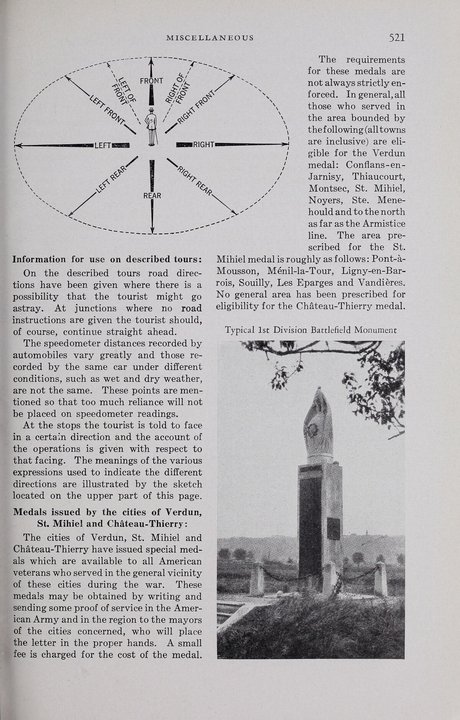
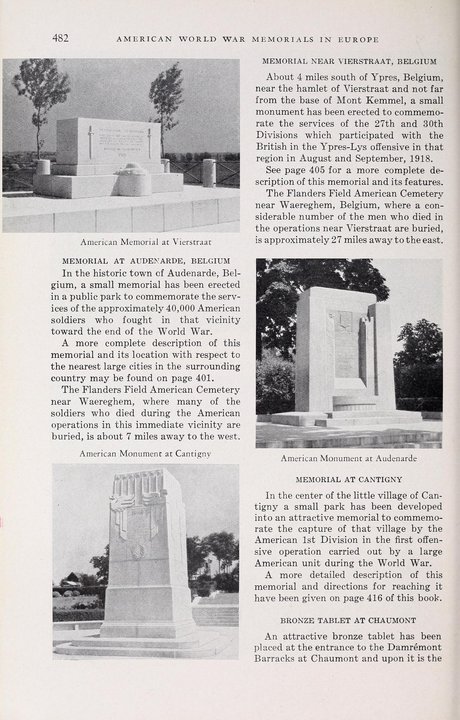
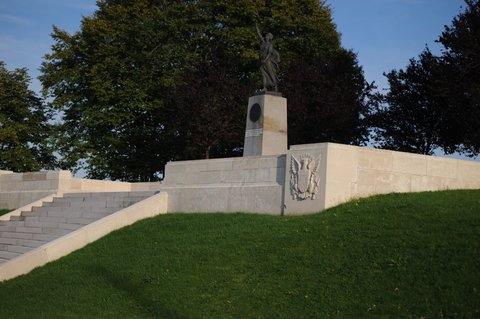
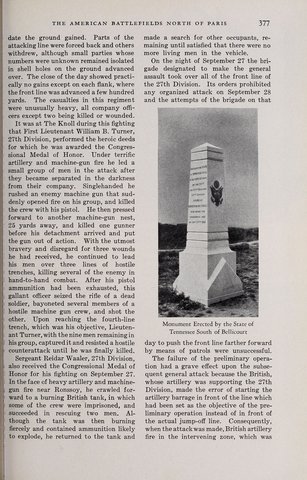
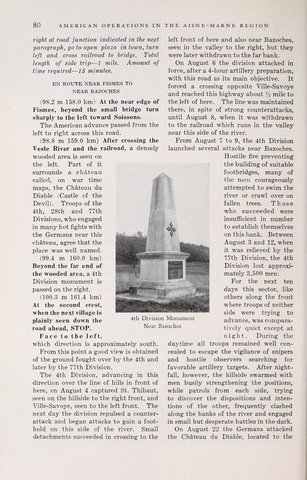
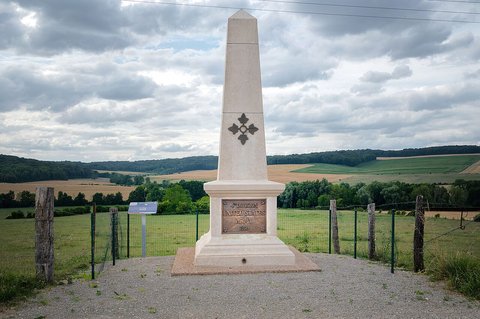
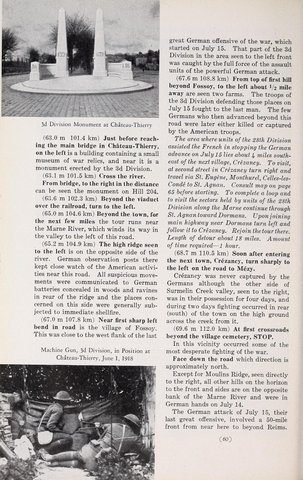
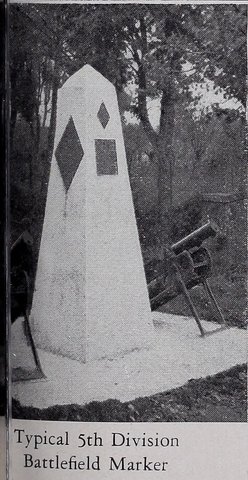
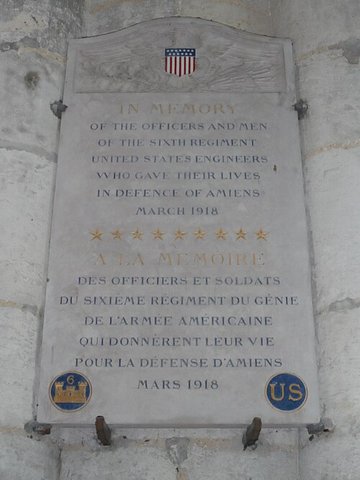
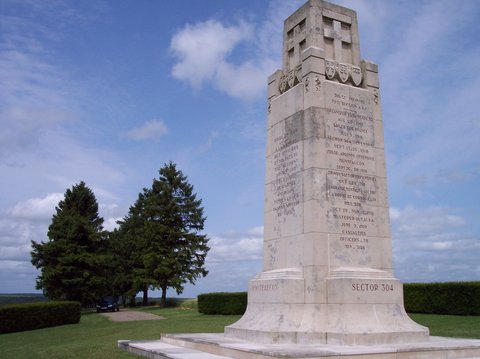
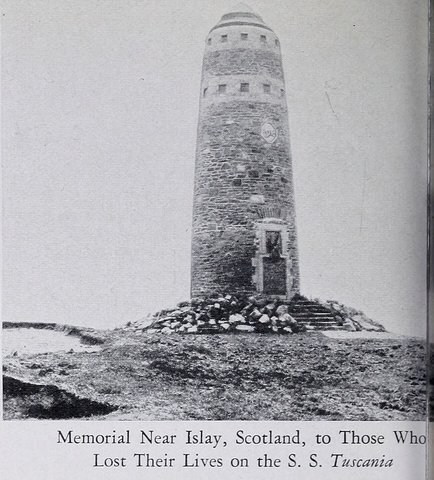
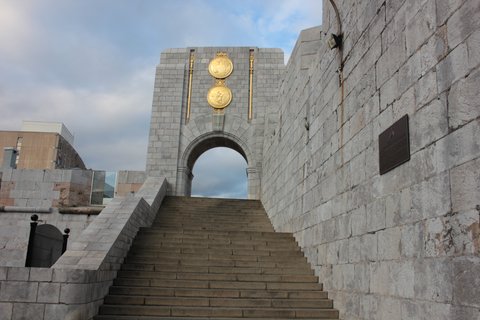
The First Division put up five monuments in France in 1919, all to one design: a small concrete shaft carrying a carved stone eagle, ringed by bronze plates. One of them stood outside Cantigny, in the Somme, about half a mile southeast of the village on the road, where the division had taken the place on the morning of 28 May 1918, in what the commission later called the first offensive operation carried out by a large American unit in the war. Its inscription gives the division's own count of that action: 199 killed, 867 wounded. The panels on its four sides and base carry the names of men killed and missing in the surrounding country.
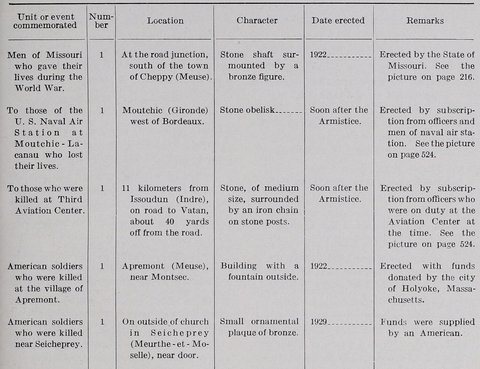
No commission had approved any of it. Congress created the American Battle Monuments Commission four years later, in 1923, and when it began surveying what was already on the ground it named these shafts approvingly: its 1925 annual report listed the monuments it judged better than the rest, and "five First Division monuments in the form of a shaft with an eagle on top" were on that list, alongside the Missouri monument at Cheppy and four Tennessee monuments.
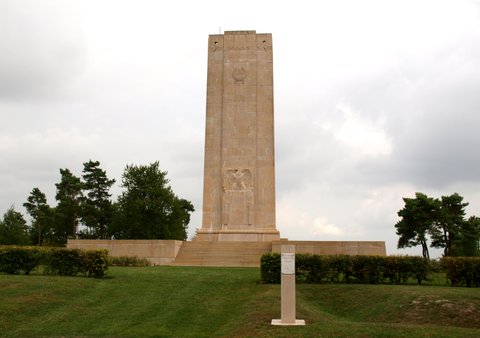
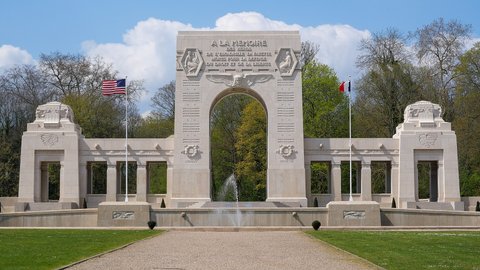
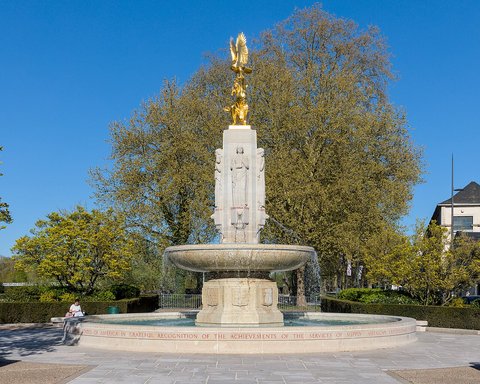
Approval and permission were different things. Meeting in March 1926, the commission resolved to build its own memorials and thereafter to approve only ones it considered useful to their communities: bridges, fountains, civic buildings. Its own monument at Cantigny, a stone shaft with eagles at the four upper corners, went up in the village. And in the 1938 guidebook where it tabulated the five First Division shafts, the commission wrote that further American monuments abroad "would not be in good taste and should be prohibited."
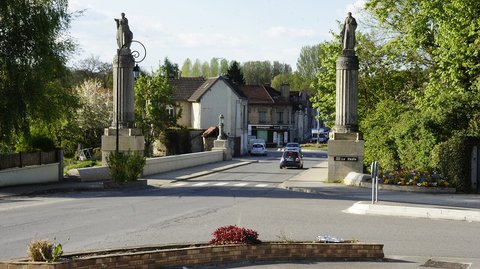
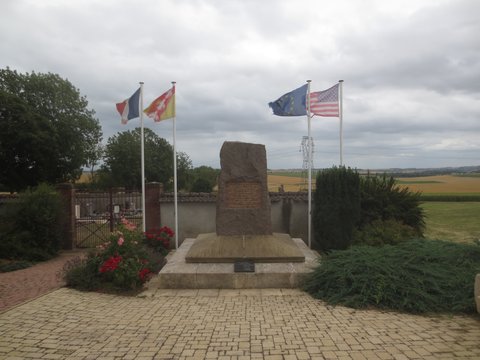
The Cantigny shaft stood in a field off a busy road, up a steep embankment, until 2018, when the village gave land and it was moved into a road triangle among the houses and rededicated for the battle's centenary. It stands about 250 metres from the government monument meant to make it unnecessary.
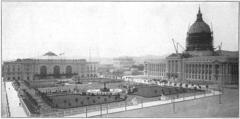
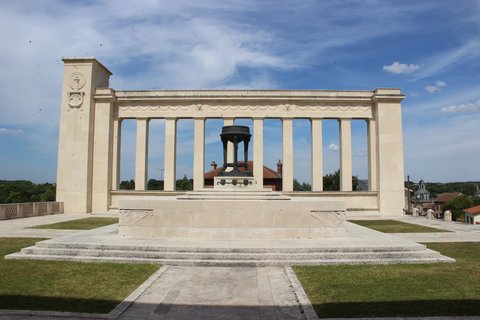
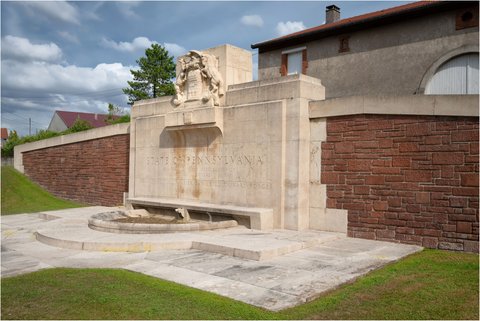
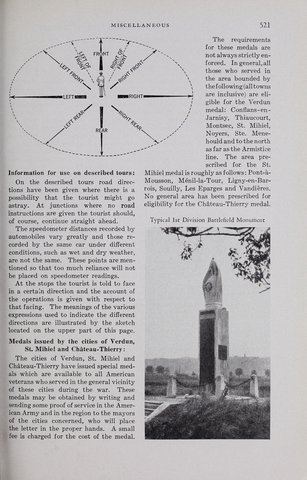
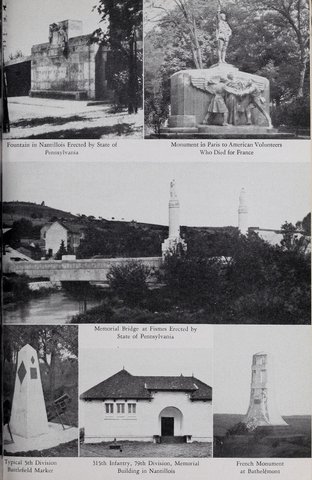
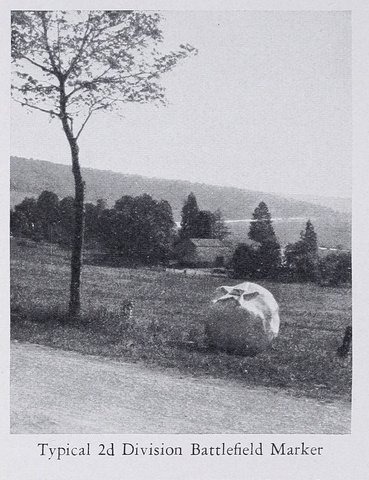
📸 Cover: "Typical 1st Division Battlefield Monument", plate on page 521 of the American Battle Monuments Commission's American Armies and Battlefields in Europe (1938) — representative of the five shafts, not the Cantigny one itself. Second image: "American Monument at Cantigny", plate on page 482 of the same volume. Both are works of the United States Government, public domain, via the Internet Archive.
changes?
delete this memory?
We detected that you have a Blox in your crypto wallet! We will import the Blox into your account.
Click on done below to complete the import.
Welcome Back!
Sign in to preserve cherished moments
Don't have an account?
Welcome!!
Sign up and start preserving cherished moments
?
?




Choose your payment method
Buy with Metablox Credit
Do you want to mint Blox with Metablox Credit?
Which Crypto would you like to use?
Purchase Confirmed!
Your Blox is being minted on-chain and will appear in your profile shortly.
Log in or sign up to claim your Blox.
How many credits do you want to buy?
$100 USD = 1 Metablox Credit = 1 Blox.
Use Metablox Credit to mint any Blox you want on the map.
 expand_more