


Military History | Dud Corner — The Wall Behind the Graves Carries Twenty Thousand More
· 1930-8
Personal memoryBy kevin · · Report an issue


































































Find memories left by people near you.
Distribute Bounty
This will distribute the bounty equally among all qualifying memories. This action cannot be undone.
Cancel Bounty
Are you sure you want to cancel this bounty? The remaining amount will be refunded to your account.
Success!
Operation completed successfully.
Error
Something went wrong.
Military History | Dud Corner — The Wall Behind the Graves Carries Twenty Thousand More
kevin
The Battle of Loos opened on 25 September 1915, the first time British forces released chlorine gas on the Western Front. What the ground kept afterwards is the subject of this place.
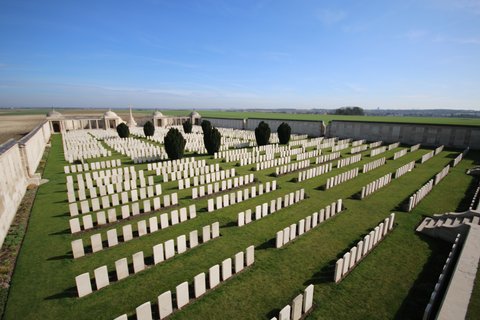
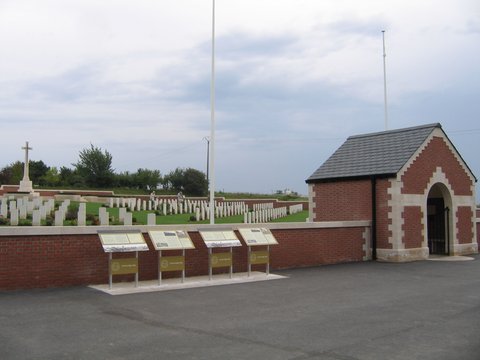
Dud Corner Cemetery lies about a kilometre west of Loos-en-Gohelle, north-east of the old Lens–Béthune road. Its name has two explanations in circulation. The Commission's own cemetery description attributes it to the number of unexploded shells found in the neighbourhood after the Armistice; the Twentieth Century Society attributes it to the dud shells fired on this spot during the battle itself.
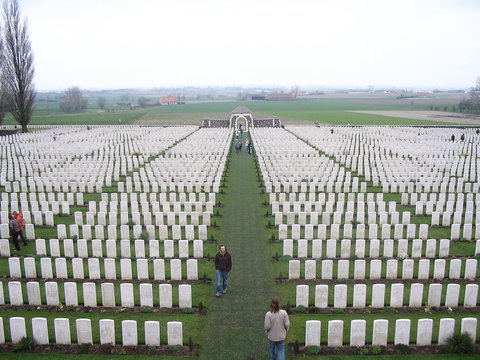
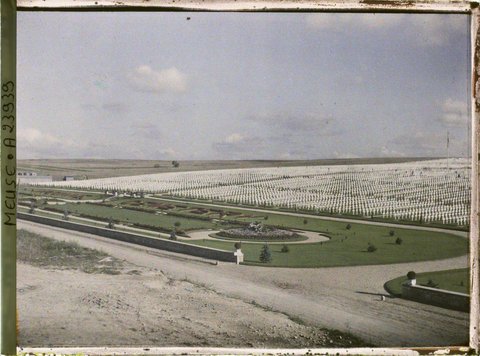
Only five burials were made here while the war was on. The rest were brought in afterwards from isolated positions and from small cemeteries — Tosh, Crucifix, Le Rutoire. Published counts of the graves run 1,785, about 1,800, and 1,812. More than half are unidentified: 1,126 by one accounting, with 684 or 686 named. Fifteen headstones carry the wording used for men believed to lie among the unknown.
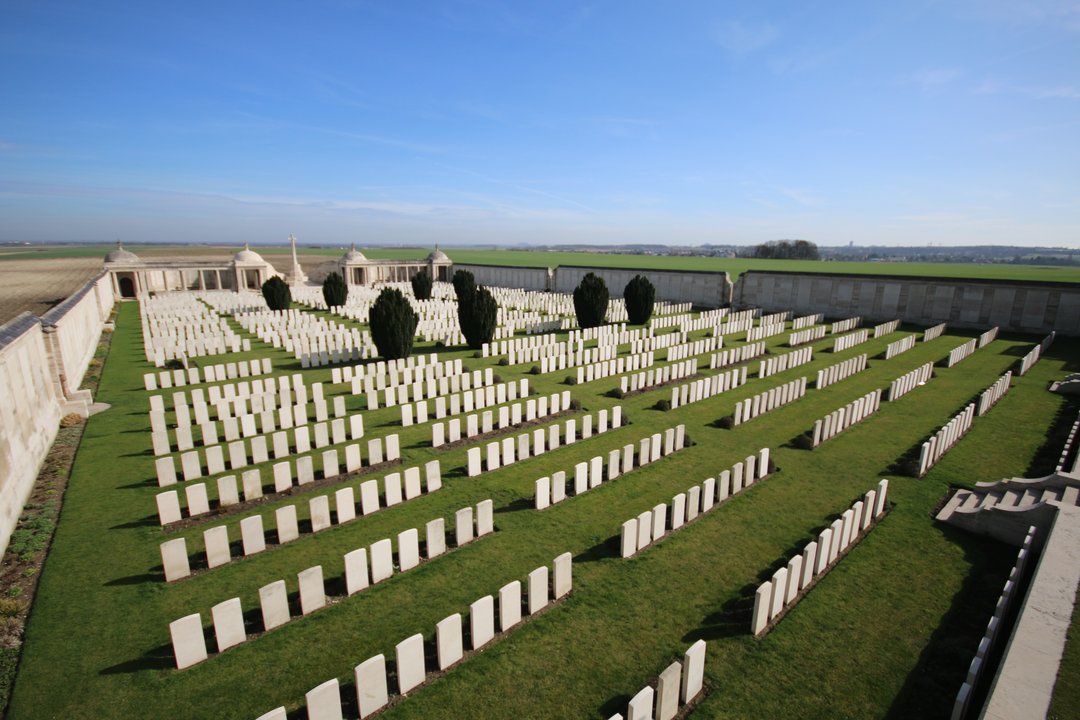
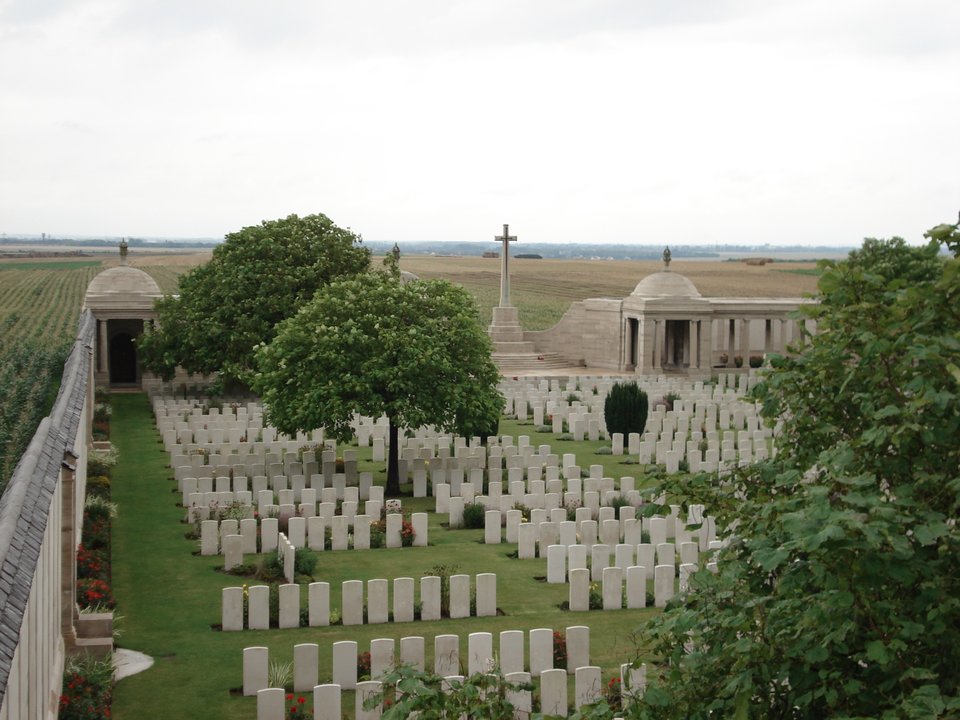
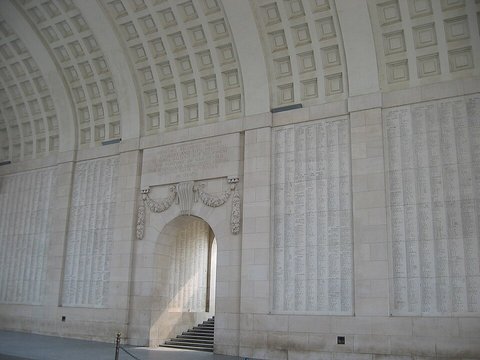
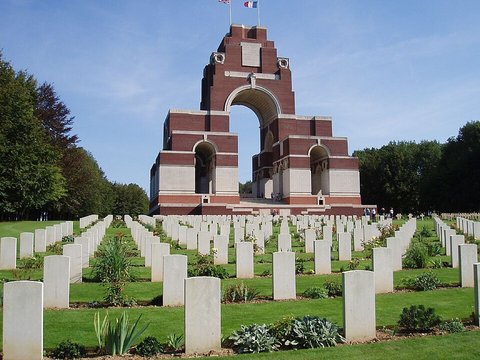
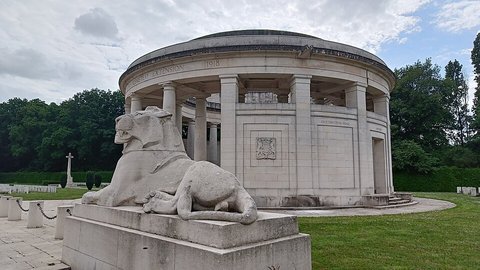
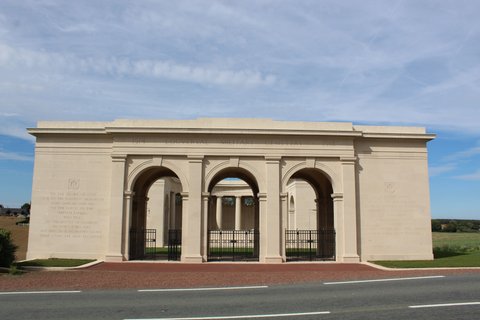
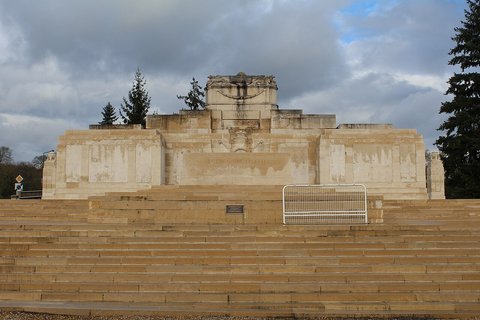
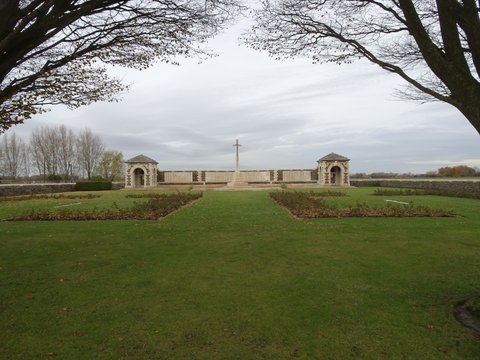
Behind and beside the plot stands the Loos Memorial, designed by Herbert Baker with sculpture by Charles Wheeler, unveiled on 4 August 1930 by General Sir Nevil Macready. It names the missing who fell between the River Lys and the old southern boundary of the First Army, east and west of Grenay. The totals published for it are 20,592, 20,610 and 20,693, and one heritage account rounds to 21,000. The figure moves, as it does at every memorial to the missing on this front, because names are added and removed as graves are identified.
Second Lieutenant John Kipling of the Irish Guards, aged eighteen, went missing near here on 27 September 1915 — the date most accounts give, though 29 September also appears. His name is on this wall. His father, Rudyard Kipling, chose the words the Commission cut on its headstones and its stones of remembrance.
A grave at St Mary's ADS Cemetery, Haisnes, was marked as John's in 1992. The Commission has kept the headstone; researchers still name another officer who fits the evidence.
The site was inscribed on the UNESCO World Heritage List in 2023, one of 139 funerary and memory sites of the First World War on the Western Front.
📸 Cover: the memorial walls enclosing Dud Corner Cemetery — Tweed2000, CC BY-SA 4.0, via Wikimedia Commons. Second image: the Cross of Sacrifice and the memorial's domed pavilions — K!roman, CC BY-SA 3.0.
changes?
delete this memory?
We detected that you have a Blox in your crypto wallet! We will import the Blox into your account.
Click on done below to complete the import.
Welcome Back!
Sign in to preserve cherished moments
Don't have an account?
Welcome!!
Sign up and start preserving cherished moments
?
?




Choose your payment method
Buy with Metablox Credit
Do you want to mint Blox with Metablox Credit?
Which Crypto would you like to use?
Purchase Confirmed!
Your Blox is being minted on-chain and will appear in your profile shortly.
Log in or sign up to claim your Blox.
How many credits do you want to buy?
$100 USD = 1 Metablox Credit = 1 Blox.
Use Metablox Credit to mint any Blox you want on the map.
 expand_more