


Dynastic History | Khami — The Capital Built After Great Zimbabwe, on Terraces
· 1450
Unreviewed contributionBy kevin · · updated · Report an issue













































Find memories left by people near you.
Distribute Bounty
This will distribute the bounty equally among all qualifying memories. This action cannot be undone.
Cancel Bounty
Are you sure you want to cancel this bounty? The remaining amount will be refunded to your account.
Success!
Operation completed successfully.
Error
Something went wrong.
Dynastic History | Khami — The Capital Built After Great Zimbabwe, on Terraces
kevin
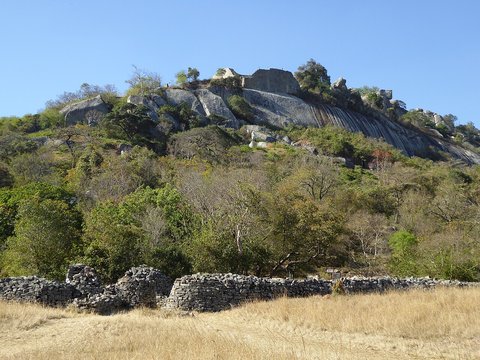
Khami is what came next. When the centre at Great Zimbabwe was given up in the fifteenth century, the Torwa dynasty built a new capital here on the Khami river, west of present-day Bulawayo — the kingdom that Portuguese traders on the coast called Butua and treated as the source of their gold.
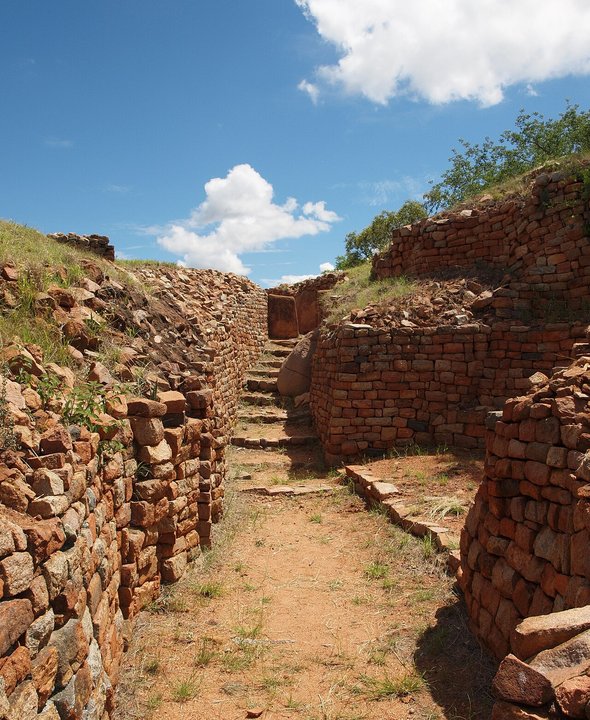
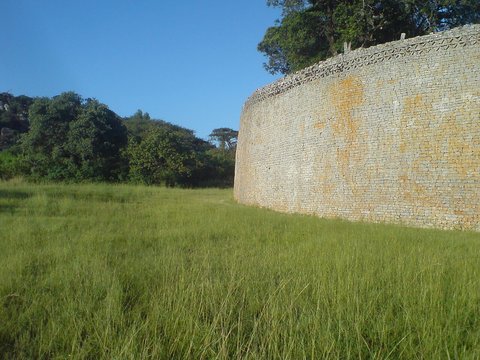
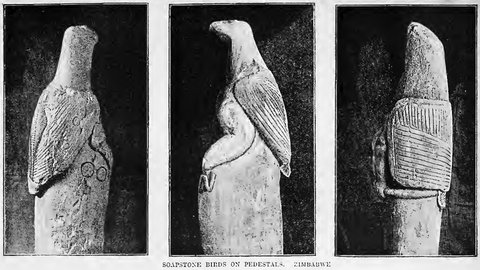
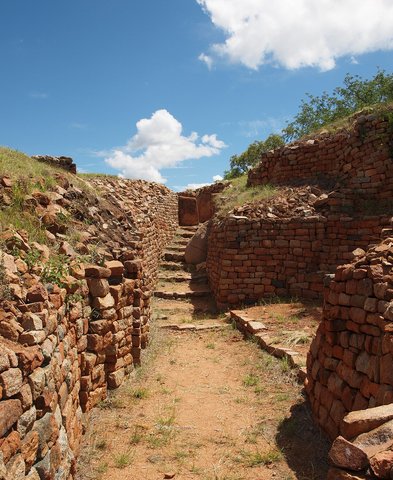
The building method changed. Great Zimbabwe's walls stand free; Khami's are retaining walls, holding up terraced platforms cut into the slope, their faces worked in chevron and chequer, with clay-and-timber houses set on the levelled tops. Excavation has produced Chinese porcelain, glass beads, imported European goods and a monumental granite cross: the return leg of a trade in gold and ivory that somebody had to mine, hunt and carry several hundred kilometres to the Indian Ocean ports.
The kingdom left no written account of itself. What exists is Portuguese commercial correspondence and Shona oral tradition recorded much later, and both describe a succession fight in the 1640s in which a Portuguese estate-holder's soldiers intervened and the mambo was restored in 1644. Tradition dates the end to about 1683, when Changamire Dombo's Rozvi took Butua and moved the capital to Danamombe. The hill complex at Khami shows burning, and excavators have found no occupation after that. Ndebele arrivals displaced the settlements that remained in the 1830s.
Between 1895 and 1900 the Ancient Ruins Company Ltd worked over the stone sites of Matabeleland for gold and threw away the pottery; the Ancient Monuments Protection Ordinance of 1902 stopped it. Khami covers about 108 hectares, was inscribed by UNESCO in 1986, and is open to visitors 22 km west of Bulawayo.
📸 Cover: Dry-stone walling and steps at Khami, Digr, CC BY-SA 4.0 via Wikimedia Commons


changes?
delete this memory?
We detected that you have a Blox in your crypto wallet! We will import the Blox into your account.
Click on done below to complete the import.
Welcome Back!
Sign in to preserve cherished moments
Don't have an account?
Welcome!!
Sign up and start preserving cherished moments
?
?

Choose your payment method
Buy with Metablox Credit
Do you want to mint Blox with Metablox Credit?
Which Crypto would you like to use?
Purchase Confirmed!
Your Blox is being minted on-chain and will appear in your profile shortly.
Log in or sign up to claim your Blox.
How many credits do you want to buy?
$100 USD = 1 Metablox Credit = 1 Blox.
Use Metablox Credit to mint any Blox you want on the map.
 expand_more