


Biography | H. Chalton Bradshaw — The First Rome Scholar Came Back to Build a Dining Hall
· 1924
Personal memoryBy kevin · · Report an issue
















































Find memories left by people near you.
Distribute Bounty
This will distribute the bounty equally among all qualifying memories. This action cannot be undone.
Cancel Bounty
Are you sure you want to cancel this bounty? The remaining amount will be refunded to your account.
Success!
Operation completed successfully.
Error
Something went wrong.
Biography | H. Chalton Bradshaw — The First Rome Scholar Came Back to Build a Dining Hall
kevin
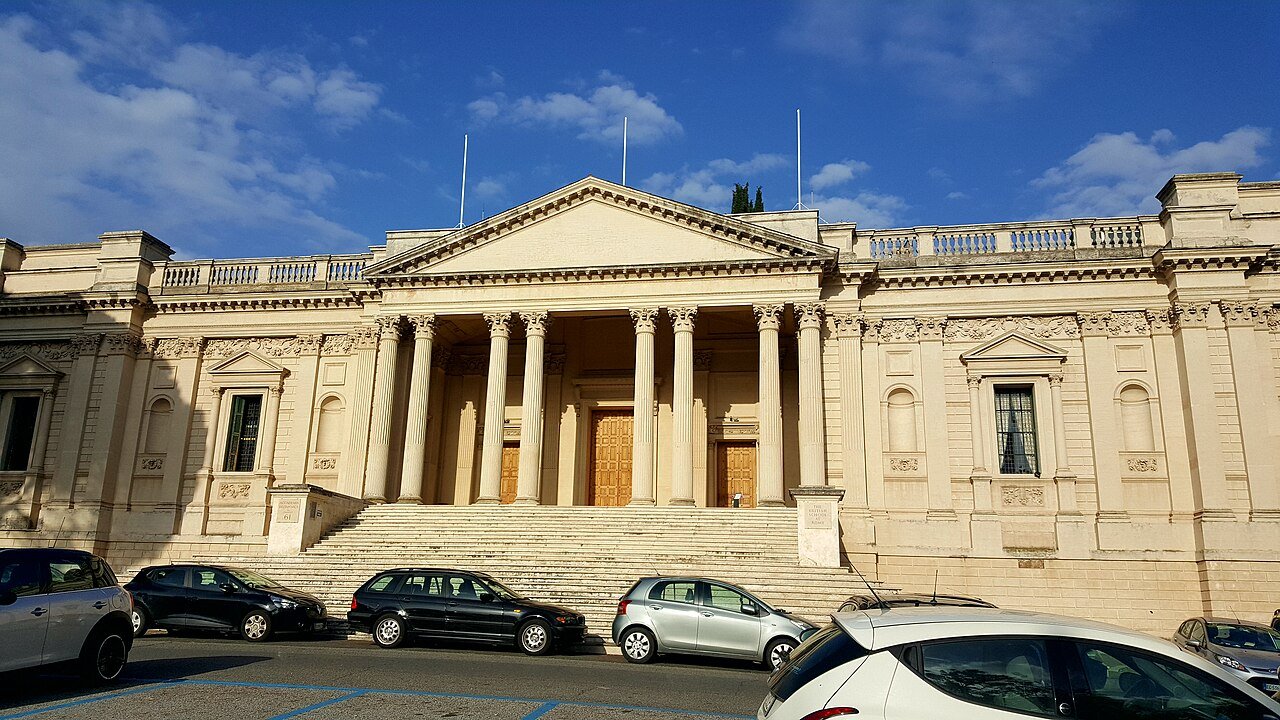
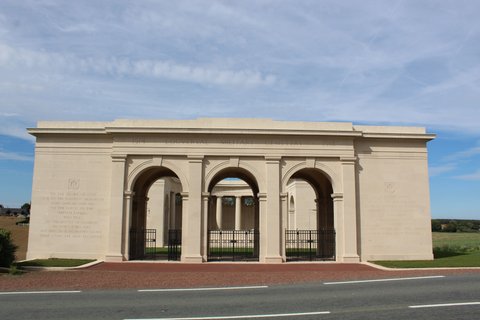
The building at via Antonio Gramsci 61 names itself twice at the foot of its own steps, and in two languages. The left pier carries ACCADEMIA BRITANNICA above the street number 61. The right carries five lines: THE BRITISH SCHOOL AT ROME. Nothing else on the front is inscribed at all — no dates, no dedication, no list of anybody.
H. Chalton Bradshaw, born in Liverpool on 15 February 1893, was the first Rome Scholar in Architecture. The Rome prize for architecture had been established in 1912. Architectural History dates his award to 1913 and two other accounts agree; the Lutyens Trust gives 1915.
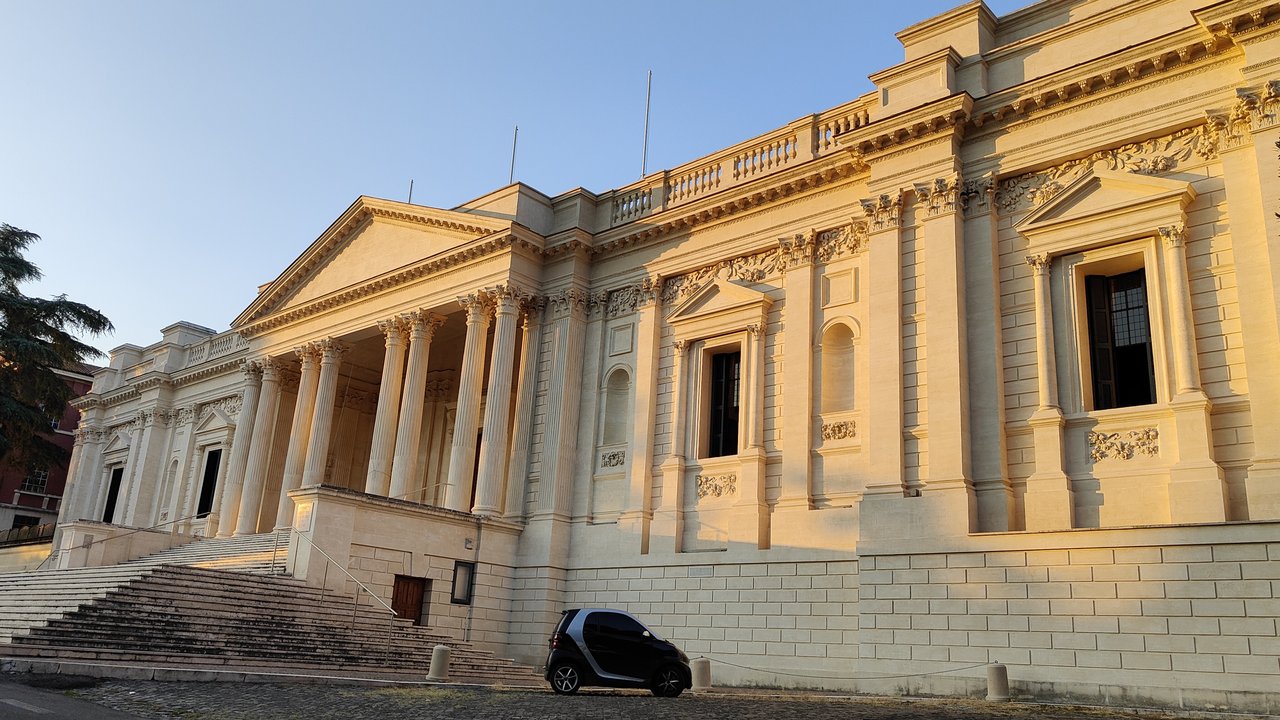
The building was Edwin Lutyens's before it was the school's. He designed it as the British Pavilion for the International Exhibition of Art held in Rome in 1911, and afterwards the ground was granted to the United Kingdom on condition that it be used only as a British research centre for archaeology, history and the fine arts. In 1916, adapted by Lutyens, the school moved into what is still its home. A 1911 photograph in the Spaarnestad collection shows the royal arms carved in the tympanum, lion and unicorn either side of the shield. The pediment is bare now.
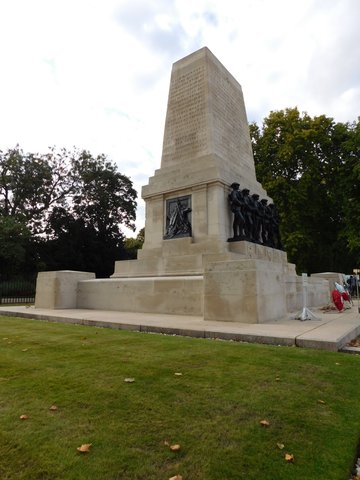
In 1924 Bradshaw designed the Common Room and Dining Hall. The Lutyens Trust calls it traditional, rather old-fashioned Italianate, with a high beamed ceiling; en.wikipedia records the Common Room as projected by Lutyens and worked out by Bradshaw. The Royal Fine Art Commission was established the same year and he became its first Secretary. He turned thirty-one that February, two years past winning the Guards Division memorial competition with Gilbert Ledward, six years short of Louverval.
This is the one building of his that was not built for the dead. Elsewhere the stone he worked on either carries names or pointedly does not; here it names only the institution.
The school is a working research institute. It shows its Fine Arts award-holders in a public exhibition, the Mostra; in 2022 that opened on weekday and Saturday afternoons, by appointment. Nothing published says the Common Room is a room a visitor may walk into. What is open to anyone is the elevation, and the two stones at the bottom of the steps.
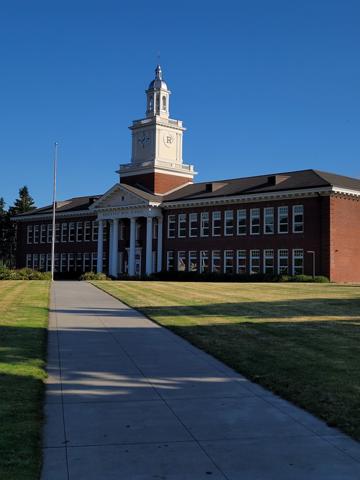
📸 Cover: the Lutyens front from via Antonio Gramsci, both name stones legible at the foot of the steps. Carlo Dani, CC BY-SA 4.0. Second image: the same elevation from the east, 2023. Johnlcmf3, CC BY-SA 4.0. Both via Wikimedia Commons.
changes?
delete this memory?
We detected that you have a Blox in your crypto wallet! We will import the Blox into your account.
Click on done below to complete the import.
Welcome Back!
Sign in to preserve cherished moments
Don't have an account?
Welcome!!
Sign up and start preserving cherished moments
?
?



Choose your payment method
Buy with Metablox Credit
Do you want to mint Blox with Metablox Credit?
Which Crypto would you like to use?
Purchase Confirmed!
Your Blox is being minted on-chain and will appear in your profile shortly.
Log in or sign up to claim your Blox.
How many credits do you want to buy?
$100 USD = 1 Metablox Credit = 1 Blox.
Use Metablox Credit to mint any Blox you want on the map.
 expand_more