


Biography | Thomas Paine — The Lewes House Where an Excise Appeal Became Political Writing
· 1772
Unreviewed contributionBy kevin · · Report an issue






.JPG)

),_Seoul,_South_Korea_(Unsplash_aNSniQXO424).jpg)










































Find memories left by people near you.
Distribute Bounty
This will distribute the bounty equally among all qualifying memories. This action cannot be undone.
Cancel Bounty
Are you sure you want to cancel this bounty? The remaining amount will be refunded to your account.
Success!
Operation completed successfully.
Error
Something went wrong.
Biography | Thomas Paine — The Lewes House Where an Excise Appeal Became Political Writing
kevin
In 1772, the upstairs rooms of Bull House in Lewes held a turning point that came before Thomas Paine became a revolutionary author on two continents.
Paine had arrived in Lewes in 1768 to work as an excise officer, and Historic England’s statutory record confirms that he lived at 92 High Street until 1774.
The Sussex Archaeological Society records that he lodged with grocer and tobacconist Samuel Ollive, married Ollive’s daughter Elizabeth in 1771, and shared responsibility for the family business while remaining in the excise service.
That combination of shopkeeping, tax collection and civic work put Paine close to the daily pressures faced by low-paid revenue officers.
While living at Bull House, he wrote *The Case of the Officers of Excise*, a pamphlet printed at Lewes in 1772 and addressed to members of both Houses of Parliament.
Its argument was practical as well as moral: salaries too small to live on exposed officers to temptation, weakened honest enforcement and ultimately endangered the revenue they were employed to protect.
The appeal transformed a workplace grievance into a question about how institutions shape conduct, a method Paine would later use on a far larger scale when writing about monarchy, representation and independence.
The campaign did not secure the reform its organizers wanted, and Paine’s later absence while lobbying on behalf of the officers contributed to the collapse of his excise career, but the effort established writing as his instrument of public action.
Within two years he had left England for Philadelphia, carrying with him the experience of converting an administrative injustice into a case addressed to a political audience.
Bull House therefore matters not merely as a former residence but as the surviving building where Paine’s public voice first took a securely documented political form.
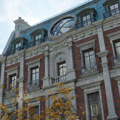
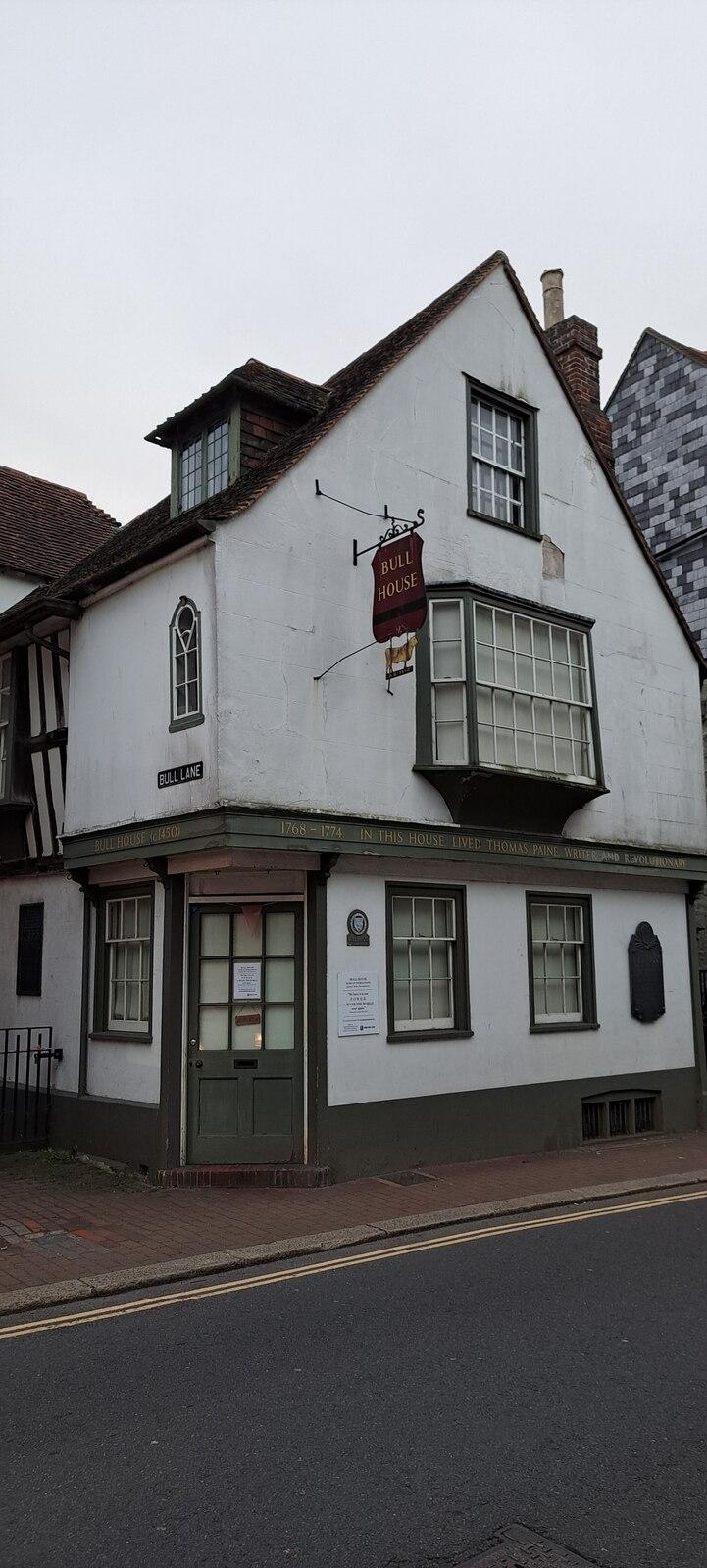
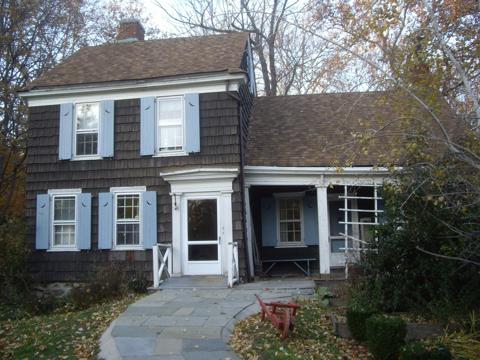
The pin uses the listed building’s National Grid Reference converted to latitude and longitude, while the photograph shows the identifiable High Street façade rather than an imagined interior room.
Photo: Christopher Hilton, “Bull House, High Street, Lewes: former home of Thomas Paine,” photographed 14 October 2025, via Geograph and Wikimedia Commons, CC BY-SA 2.0.

_thumbnail.JPG)

changes?
delete this memory?
We detected that you have a Blox in your crypto wallet! We will import the Blox into your account.
Click on done below to complete the import.
Welcome Back!
Sign in to preserve cherished moments
Don't have an account?
Welcome!!
Sign up and start preserving cherished moments
?
?



Choose your payment method
Buy with Metablox Credit
Do you want to mint Blox with Metablox Credit?
Which Crypto would you like to use?
Purchase Confirmed!
Your Blox is being minted on-chain and will appear in your profile shortly.
Log in or sign up to claim your Blox.
How many credits do you want to buy?
$100 USD = 1 Metablox Credit = 1 Blox.
Use Metablox Credit to mint any Blox you want on the map.
 expand_more