


Biography | Henry Dunant — The Heiden Hospital Where the First Peace Prize Reached Him
· 1901-12
Unreviewed contributionBy kevin · · Report an issue












































Find memories left by people near you.
Distribute Bounty
This will distribute the bounty equally among all qualifying memories. This action cannot be undone.
Cancel Bounty
Are you sure you want to cancel this bounty? The remaining amount will be refunded to your account.
Success!
Operation completed successfully.
Error
Something went wrong.
Biography | Henry Dunant — The Heiden Hospital Where the First Peace Prize Reached Him
kevin
On 10 December 1901, news of the first Nobel Peace Prize reached Henry Dunant at the district hospital in Heiden.
He had moved into a second-floor room in this building in 1892 and would remain here for the last eighteen years of his life.
The Nobel announcement joined his name to that of French peace advocate Frédéric Passy.
The prize was divided between two different paths toward peace: Dunant’s work for wounded soldiers and international humanitarian cooperation, and Passy’s long campaign for arbitration and organized peace work.
A scholarly history in the International Review of the Red Cross records that Jørgen Løvland, president of the Norwegian Parliament and chair of the Nobel Committee, informed Dunant of the award on 10 December.
The Nobel archive preserves Dunant’s thank-you telegram to the committee from that same date.
For Dunant, the message arrived far from the diplomatic rooms in Geneva where his early proposals had become institutions and law.
Financial collapse and his departure from the International Committee in 1867 had pushed him out of the public story he helped begin.
By the time he settled in Heiden, the Red Cross movement had spread internationally while its initiator lived quietly under hospital care.
The Nobel Prize did not make him the sole founder of that movement, nor did it erase the work of his Geneva colleagues, volunteer relief workers, or the governments that adopted the conventions.
It did recognize that the questions he raised after Solferino—who would care for the wounded, and who would protect that care—had altered international life.
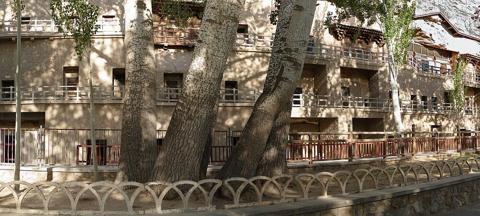
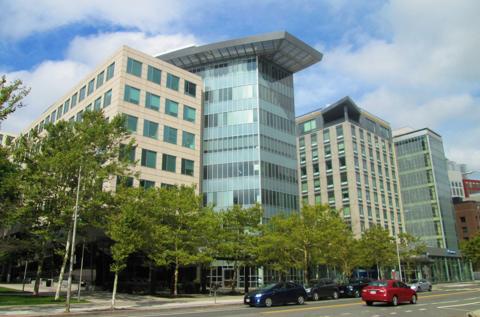
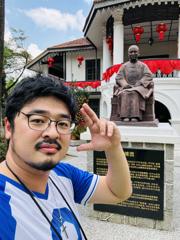
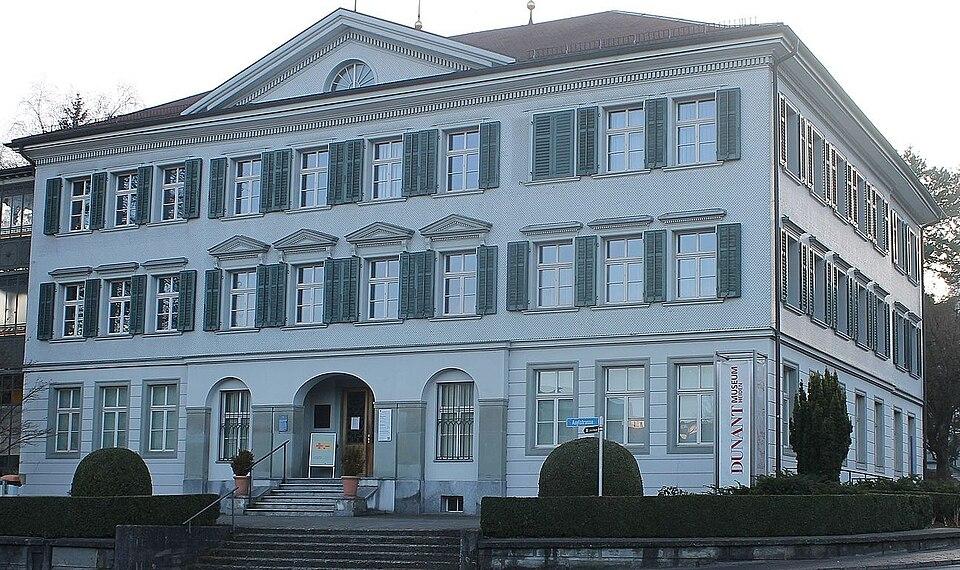
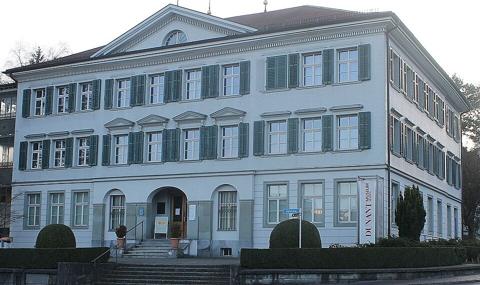
The former hospital now houses the Museum Henry Dunant.
The pin identifies the public building at Asylstrasse 2. It does not identify Dunant’s room, an entrance, a care area, or a visitor route.
The attached photograph shows the museum building in 2016, not the delivery of the 1901 telegram.
Here, in a place of retirement rather than ceremony, formal recognition finally caught up with a humanitarian idea that had already traveled far beyond its author.
Photo: Dl4gbe, 2016, CC0 1.0, via Wikimedia Commons.
changes?
delete this memory?
We detected that you have a Blox in your crypto wallet! We will import the Blox into your account.
Click on done below to complete the import.
Welcome Back!
Sign in to preserve cherished moments
Don't have an account?
Welcome!!
Sign up and start preserving cherished moments
?
?



Choose your payment method
Buy with Metablox Credit
Do you want to mint Blox with Metablox Credit?
Which Crypto would you like to use?
Purchase Confirmed!
Your Blox is being minted on-chain and will appear in your profile shortly.
Log in or sign up to claim your Blox.
How many credits do you want to buy?
$100 USD = 1 Metablox Credit = 1 Blox.
Use Metablox Credit to mint any Blox you want on the map.
 expand_more