


Biography | Craig Barrett — The Materials Degrees He Finished on This Farm
· 1964
Unreviewed contributionBy kevin · · updated · Report an issue
















































Find memories left by people near you.
Distribute Bounty
This will distribute the bounty equally among all qualifying memories. This action cannot be undone.
Cancel Bounty
Are you sure you want to cancel this bounty? The remaining amount will be refunded to your account.
Success!
Operation completed successfully.
Error
Something went wrong.
Biography | Craig Barrett — The Materials Degrees He Finished on This Farm
kevin
People treat Intel chiefs as products of the Santa Clara production floor.
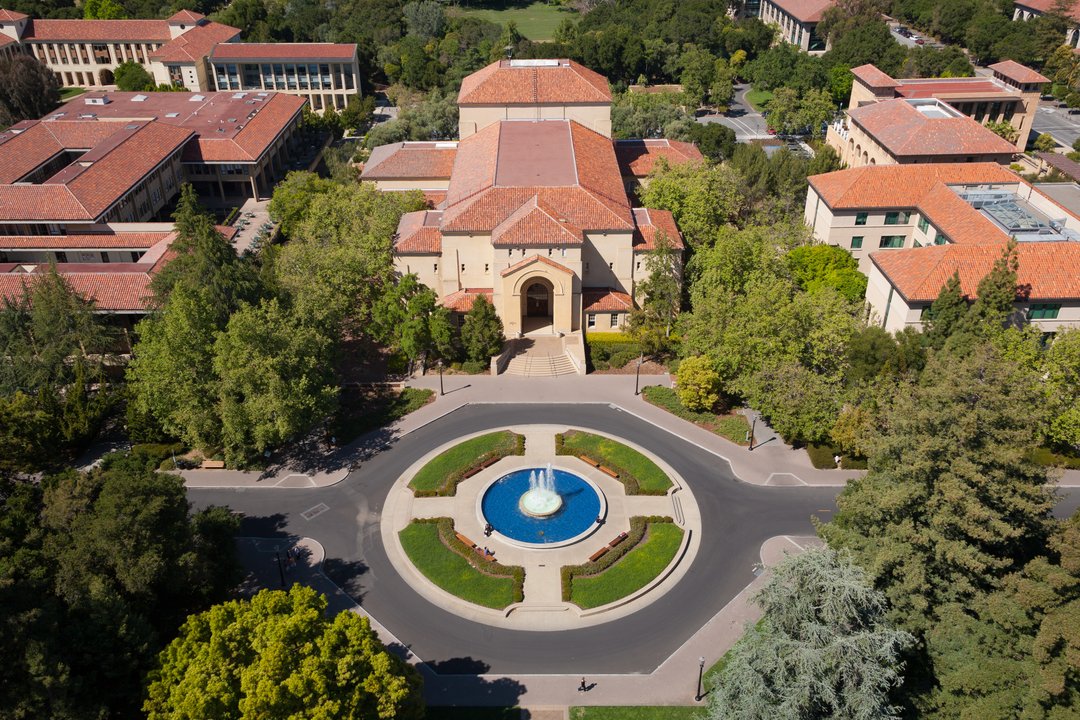
Barrett's first credential was a materials-science doctorate on the Stanford farm, a few miles from the Peninsula towns where he grew up.
Craig R. Barrett was born on 29 August 1939 in San Francisco.
Most later career biographies keep that city as the birthplace.
A 2009 profile placed the childhood farther south, in San Carlos.
The pin that can be stood on is this campus.
He entered Stanford in 1957 on a scholarship and stayed for three degrees in materials science.
The department's own later lists give the bachelor's as 1961.
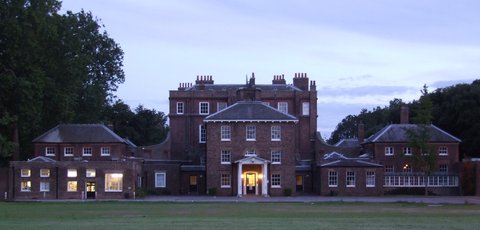
Career biographies usually close the doctorate in 1964, the year he left for a NATO fellowship in England.
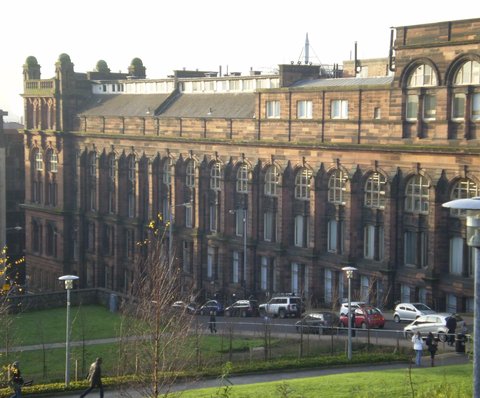
The work lived in the Department of Materials Science and Engineering.
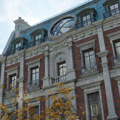
Durand Building, on the engineering side of campus, is the house that still carries that department.
He joined the faculty after the fellowship, first as assistant professor, then associate professor, and remained until 1974.
In those years he published more than forty papers on how microstructure changes the properties of solids.
With William D. Nix and Alan S. Tetelman he wrote Principles of Engineering Materials, issued by Prentice-Hall in 1973.
The textbook outlasted his academic title.
The Hardy Gold Medal of the American Institute of Mining, Metallurgical, and Petroleum Engineers came in 1969, while he was still a young faculty member.
Fairchild and then Intel were already pulling materials scientists out of these rooms and onto wafer lines.
The doctorate did not make him a chip designer.
It made him a man who could see a factory as a materials problem.
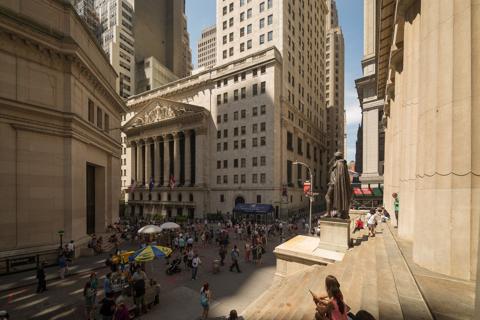
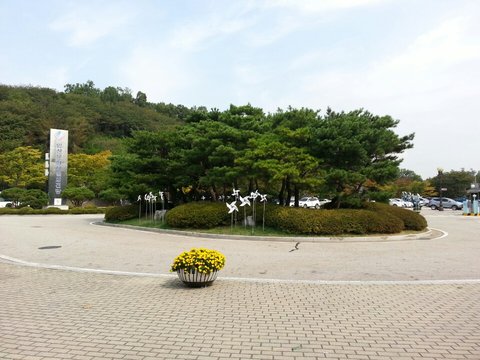
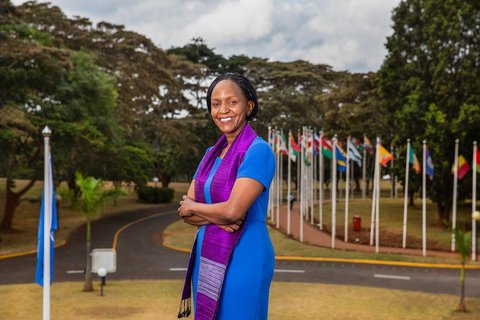
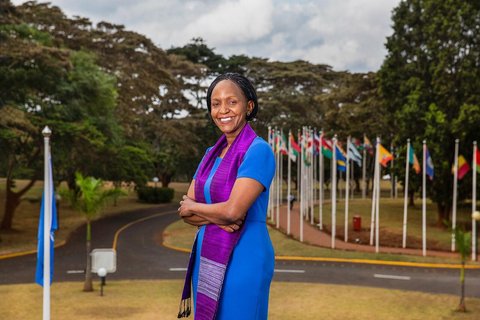
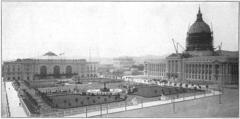
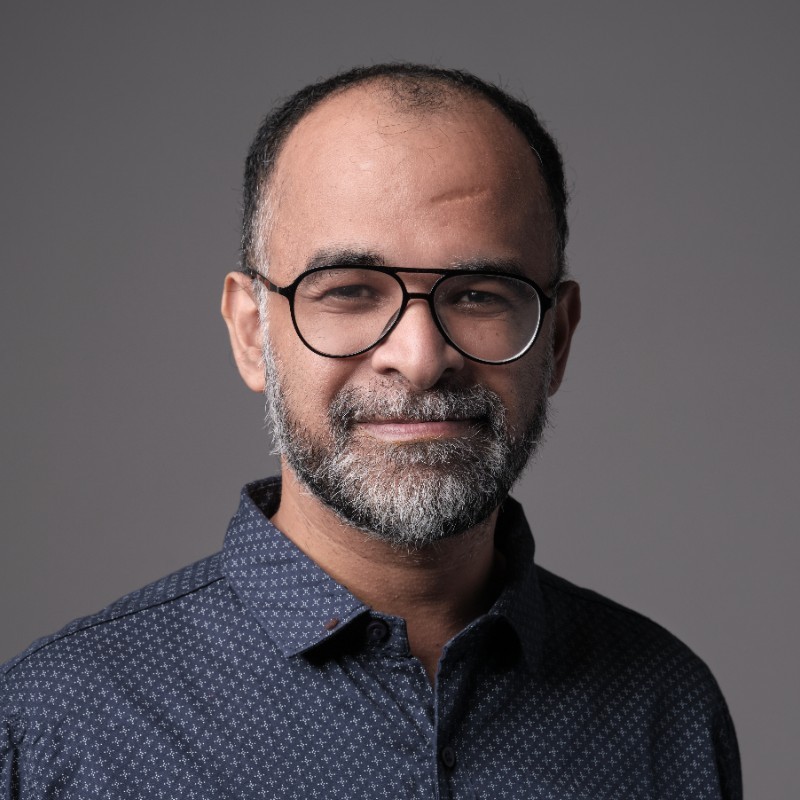
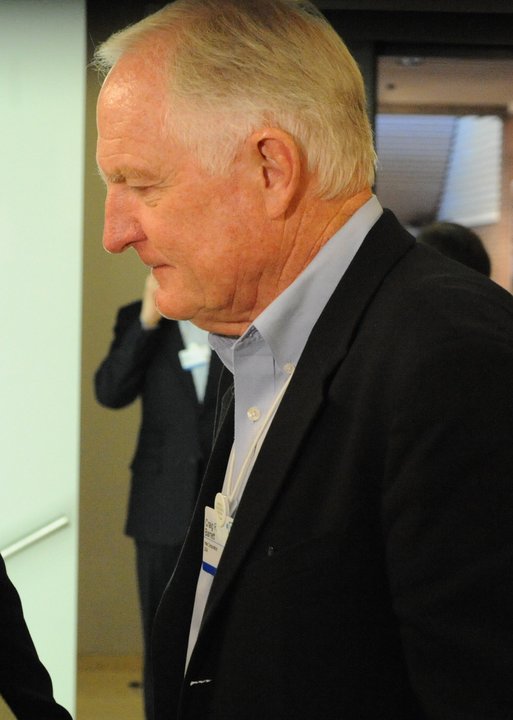
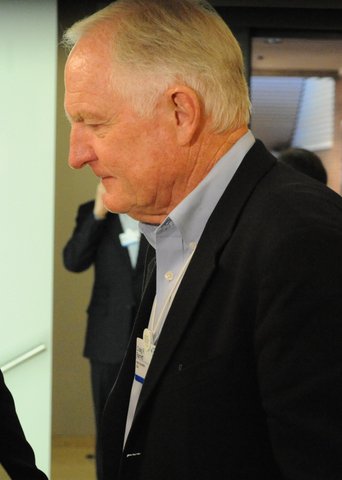
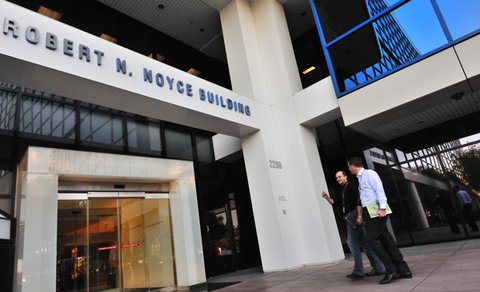
Photo: Robert Scoble, CC BY 2.0, via Wikimedia Commons. Campus view: Tobias Kleinlercher, CC BY-SA 3.0, via Wikimedia Commons.
changes?
delete this memory?
We detected that you have a Blox in your crypto wallet! We will import the Blox into your account.
Click on done below to complete the import.
Welcome Back!
Sign in to preserve cherished moments
Don't have an account?
Welcome!!
Sign up and start preserving cherished moments
?
?





Choose your payment method
Buy with Metablox Credit
Do you want to mint Blox with Metablox Credit?
Which Crypto would you like to use?
Purchase Confirmed!
Your Blox is being minted on-chain and will appear in your profile shortly.
Log in or sign up to claim your Blox.
How many credits do you want to buy?
$100 USD = 1 Metablox Credit = 1 Blox.
Use Metablox Credit to mint any Blox you want on the map.
 expand_more