


Semiconductor History | Palazzo Ballroom, 6 January 2014 — Edison Shrinks the PC Before Intel Shrinks the Plan
Las Vegas Strip, Global, Earth · 2014-1
Personal memoryBy kevin · · updated · Report an issue





























Distribute Bounty
This will distribute the bounty equally among all qualifying memories. This action cannot be undone.
Cancel Bounty
Are you sure you want to cancel this bounty? The remaining amount will be refunded to your account.
Success!
Operation completed successfully.
Error
Something went wrong.
Semiconductor History | Palazzo Ballroom, 6 January 2014 — Edison Shrinks the PC Before Intel Shrinks the Plan
kevin
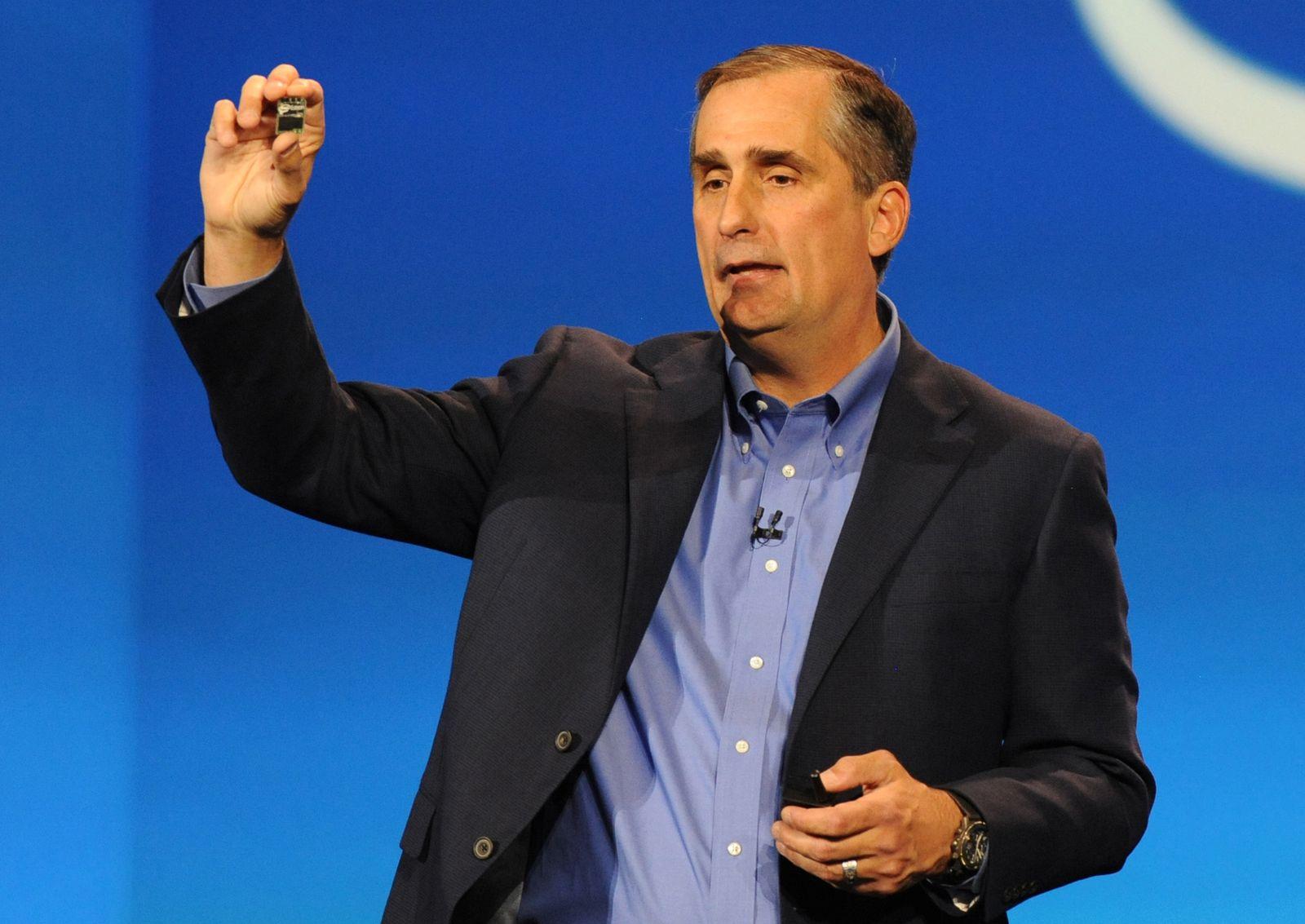
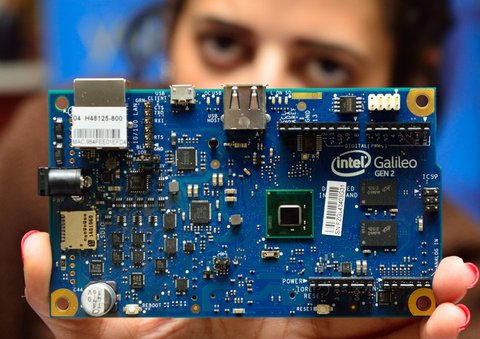
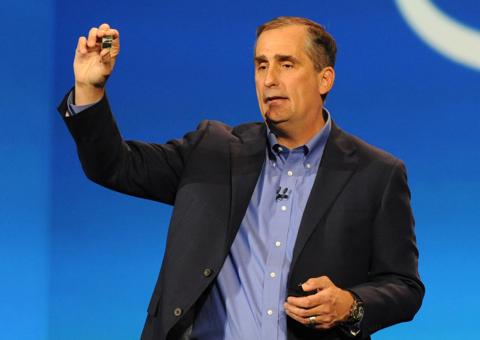
During his CES keynote at the Palazzo Ballroom on 6 January 2014, Intel chief executive Brian Krzanich unveiled Edison as a tiny computer for wearable devices and rapid prototyping. Intel initially described a Linux-capable, wireless, Quark-based system housed in an SD-card form factor.
The good was the clarity of the ambition. Edison tried to make Intel computing small, connected, and approachable to makers at a moment when wearables and the Internet of Things looked like the next major growth platform.
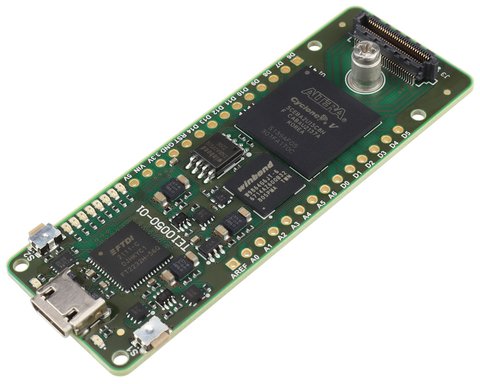
Intel paired hardware with development tools, breakout boards, an Arduino-compatible kit, and demonstrations meant to turn an abstract chip into something inventors could use. When the shipping product became available in September 2014, it offered a dual-core Atom processor, memory, storage, Wi-Fi, and Bluetooth in a compact module.
That evolution also exposed the bad. The commercial Edison was not the literal SD-card-sized Quark computer introduced onstage; it became a somewhat larger Atom-based module, creating a gap between the memorable announcement and the product developers ultimately received.
Edison occupied an awkward middle ground. It was more capable than a simple microcontroller board, but its price, power needs, software layers, carrier boards, and competition from inexpensive ARM-based maker platforms made its role harder to explain.
Intel kept improving the platform, and Edison found committed experimenters, educators, and industrial prototypes. Yet it did not become the universal embedded foundation implied by its launch, nor did it give Intel a dominant position in wearables.
On 16 June 2017 Intel issued an end-of-life notice covering all Edison compute modules and developer kits. Final orders were due that September and final shipments were scheduled for December, giving the platform a commercial life of less than four years after its CES debut.
Edison remains a revealing Intel story because the engineering was real and the vision was directionally right. The failure lay in translating a dramatic miniature-computer demonstration into a stable, economical ecosystem with a long enough horizon for outside developers.
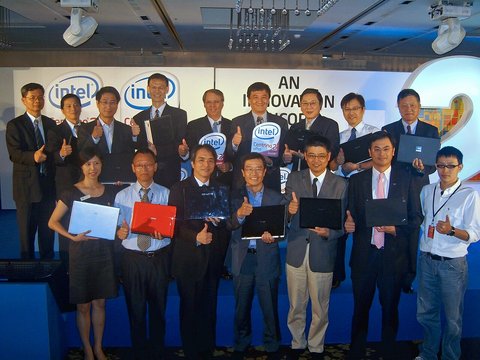
Photo: AP Photo/Intel Corporation, Bob Riha Jr., CC BY-SA 2.0, via Wikimedia Commons. The photograph shows the actual CES 2014 Edison unveiling.













changes?
delete this memory?
We detected that you have a Blox in your crypto wallet! We will import the Blox into your account.
Click on done below to complete the import.
Welcome Back!
Sign in to preserve cherished moments
Don't have an account?
Welcome!!
Sign up and start preserving cherished moments
?
?






Choose your payment method
Buy with Metablox Credit
Do you want to mint Blox with Metablox Credit?
Which Crypto would you like to use?
Purchase Confirmed!
Your Blox is being minted on-chain and will appear in your profile shortly.
Log in or sign up to claim your Blox.
How many credits do you want to buy?
$100 USD = 1 Metablox Credit = 1 Blox.
Use Metablox Credit to mint any Blox you want on the map.
 expand_more