


Semiconductor History | 2200 Mission College Boulevard, 17 October 1985 — The 386 Intel Decided Not to Share
· 1985-10
Personal memoryBy kevin · · updated · Report an issue











































































Find memories left by people near you.
Distribute Bounty
This will distribute the bounty equally among all qualifying memories. This action cannot be undone.
Cancel Bounty
Are you sure you want to cancel this bounty? The remaining amount will be refunded to your account.
Success!
Operation completed successfully.
Error
Something went wrong.
Semiconductor History | 2200 Mission College Boulevard, 17 October 1985 — The 386 Intel Decided Not to Share
kevin
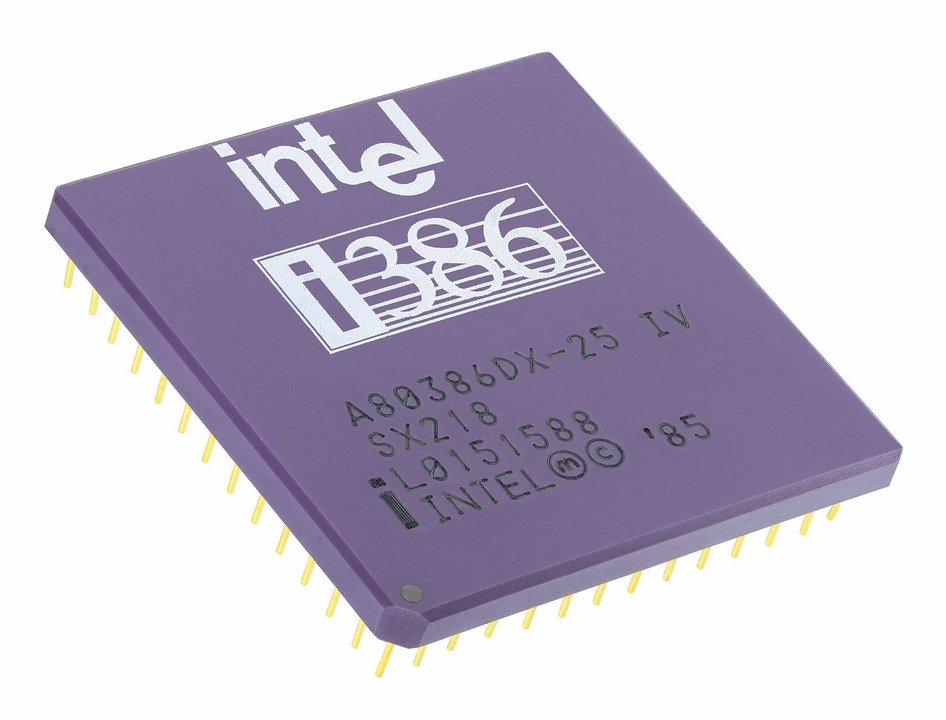
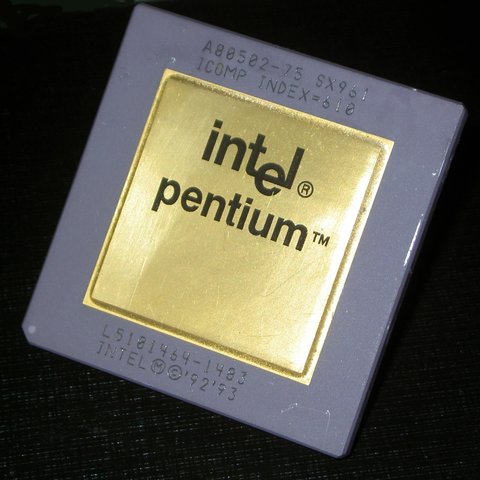
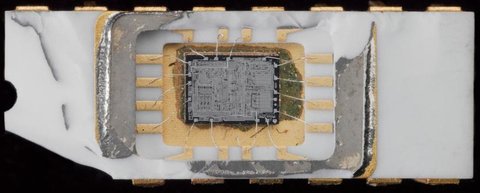
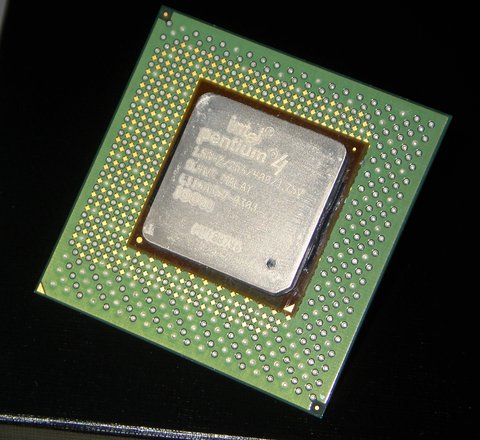
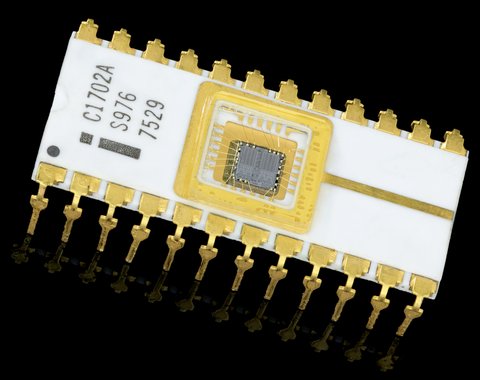
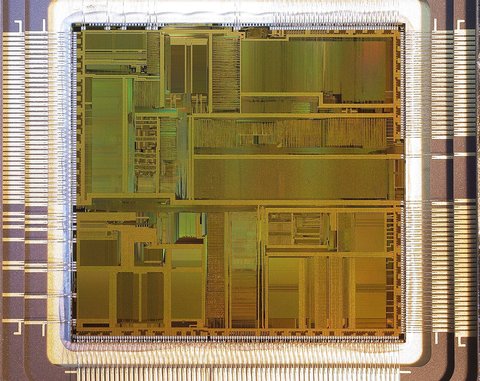
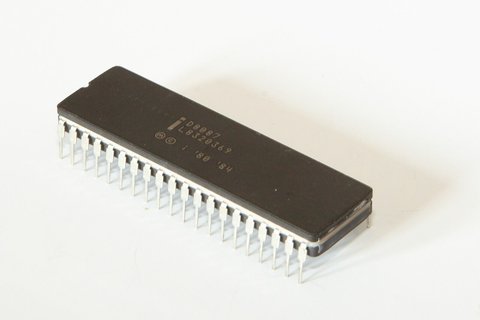
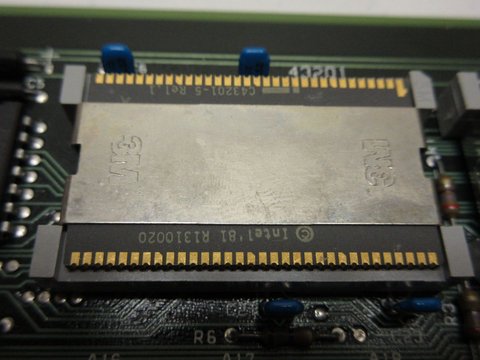
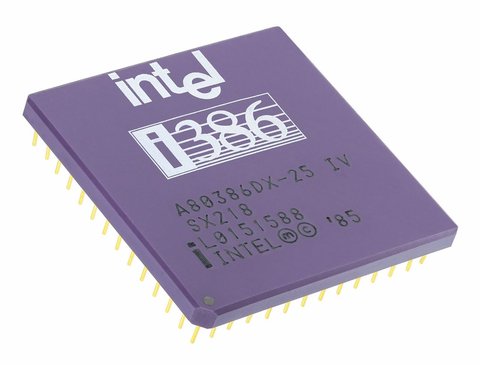
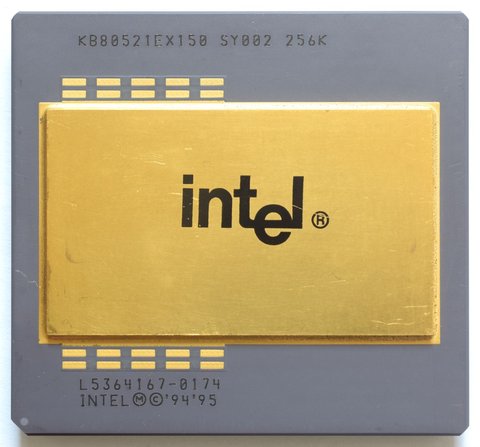
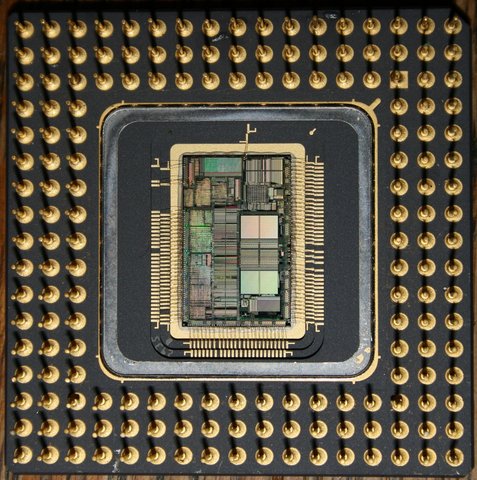
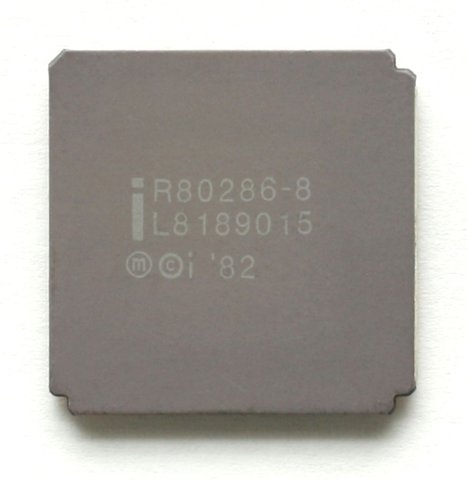
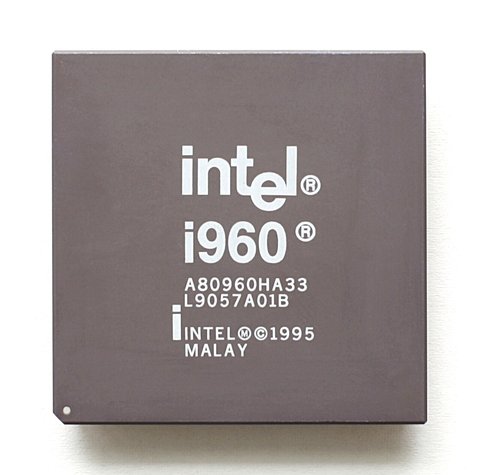
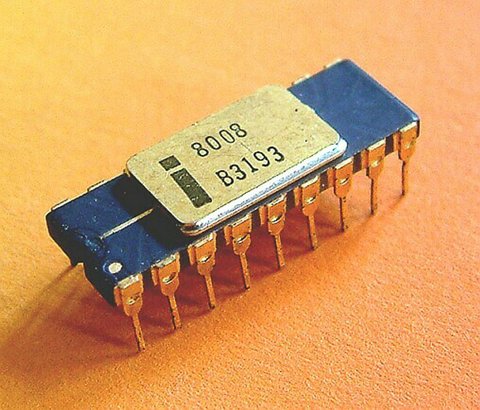
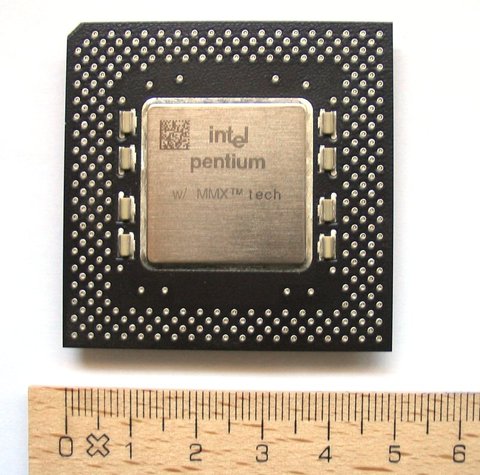
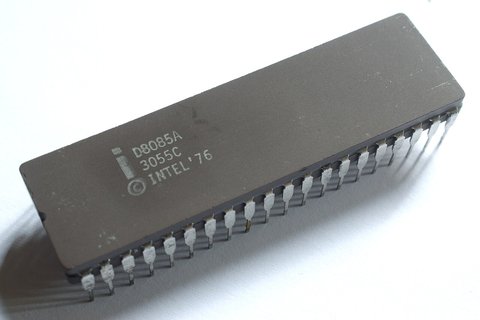
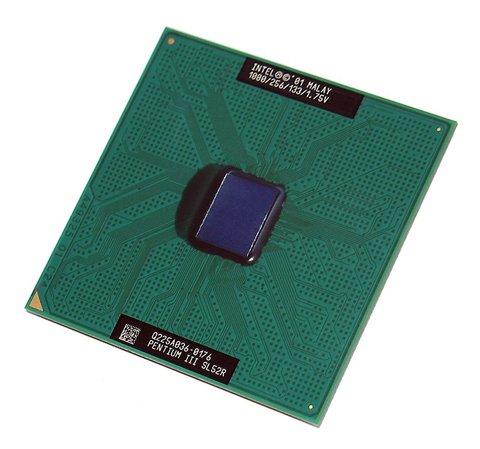
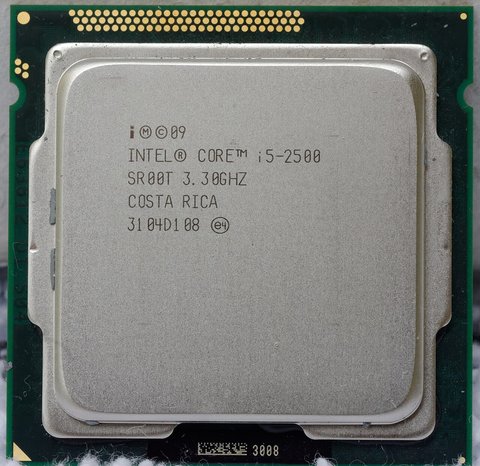
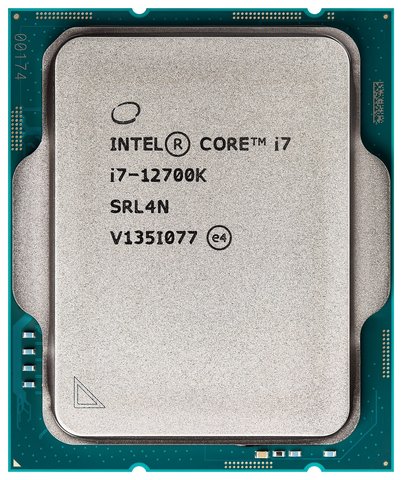
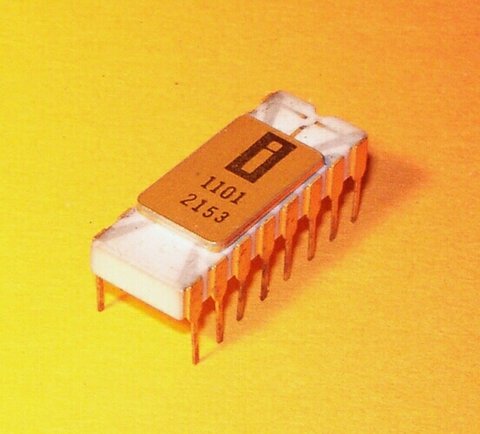
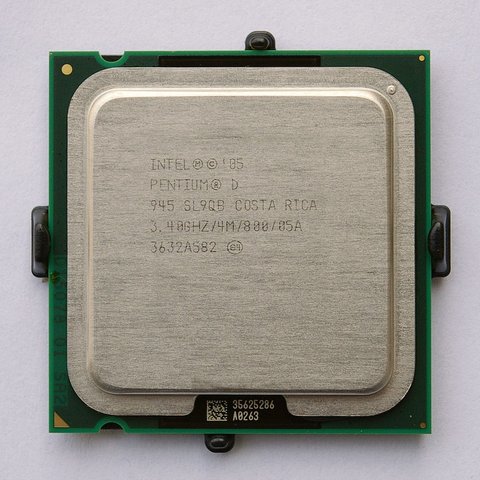
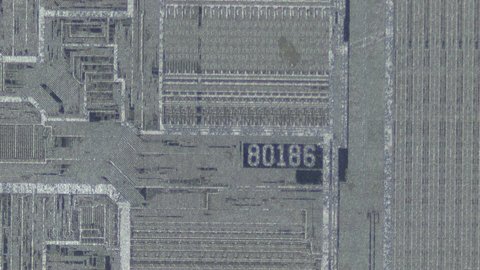
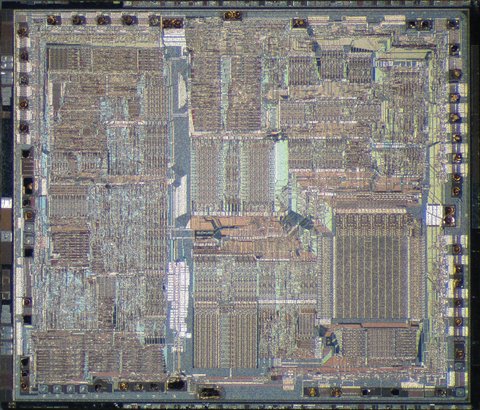
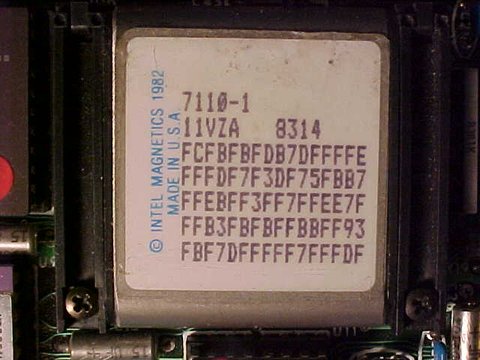
Inside this square ceramic package are 275,000 transistors and the full 32-bit architecture that made Intel’s 80386 a decisive generation of the PC processor.
Intel introduced the 386 on 17 October 1985 at 16 megahertz. It expanded x86 registers and addressing to 32 bits, added paging and a virtual 8086 mode, and gave operating systems a much stronger foundation for protected multitasking without discarding the software written for earlier Intel processors.
The engineering success accompanied a harder business choice.
Semiconductor customers had long preferred a “second source”: another licensed manufacturer able to supply a compatible part, preserve competition, and reduce dependence on one factory network. Intel and Advanced Micro Devices had formalized such a relationship in a 1982 technology-exchange agreement covering earlier x86 generations.
With the 386, Intel wanted control.
The later California Supreme Court record says Intel’s internal strategy in 1984 and 1985 was to avoid making AMD a second source for future technology while keeping the negotiations alive. The arbitrator eventually concluded that Intel had no contractual duty simply to hand over the 386 as an agreed product, but also found that its bargaining strategy breached the covenant of good faith and delayed AMD’s ability to reverse-engineer a competitor.
Intel’s commercial calculation paid spectacularly.
The company says it spent about $100 million developing the processor and its support systems; by 1991, 386 sales accounted for roughly half of Intel’s annual revenue. For about five years Intel was the only supplier, turning compatibility with a widely adopted instruction set into pricing power and a much more recognizable corporate franchise.
The bad side was a legal war that outlived the product cycle.
AMD produced its Am386 through independent work, and the dispute generated arbitration, state and federal litigation, and conflicting rulings over contracts, microcode, and remedies. The California Supreme Court’s 1994 decision restored the arbitrator’s broad remedial authority without rewriting the complicated history as a simple victory for either company.
The 386 was thus both a technical liberation for PC software and a narrowing of the processor supply chain. Intel proved that one company could own the most valuable implementation of an industry standard; AMD’s survival ensured that this control would never become permanent.
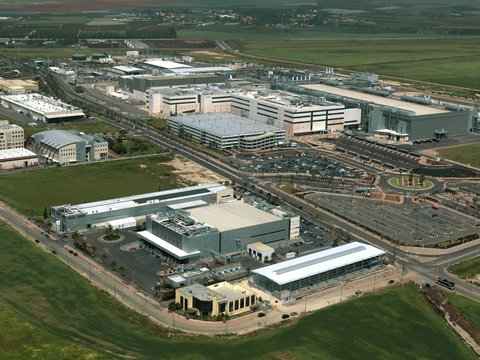
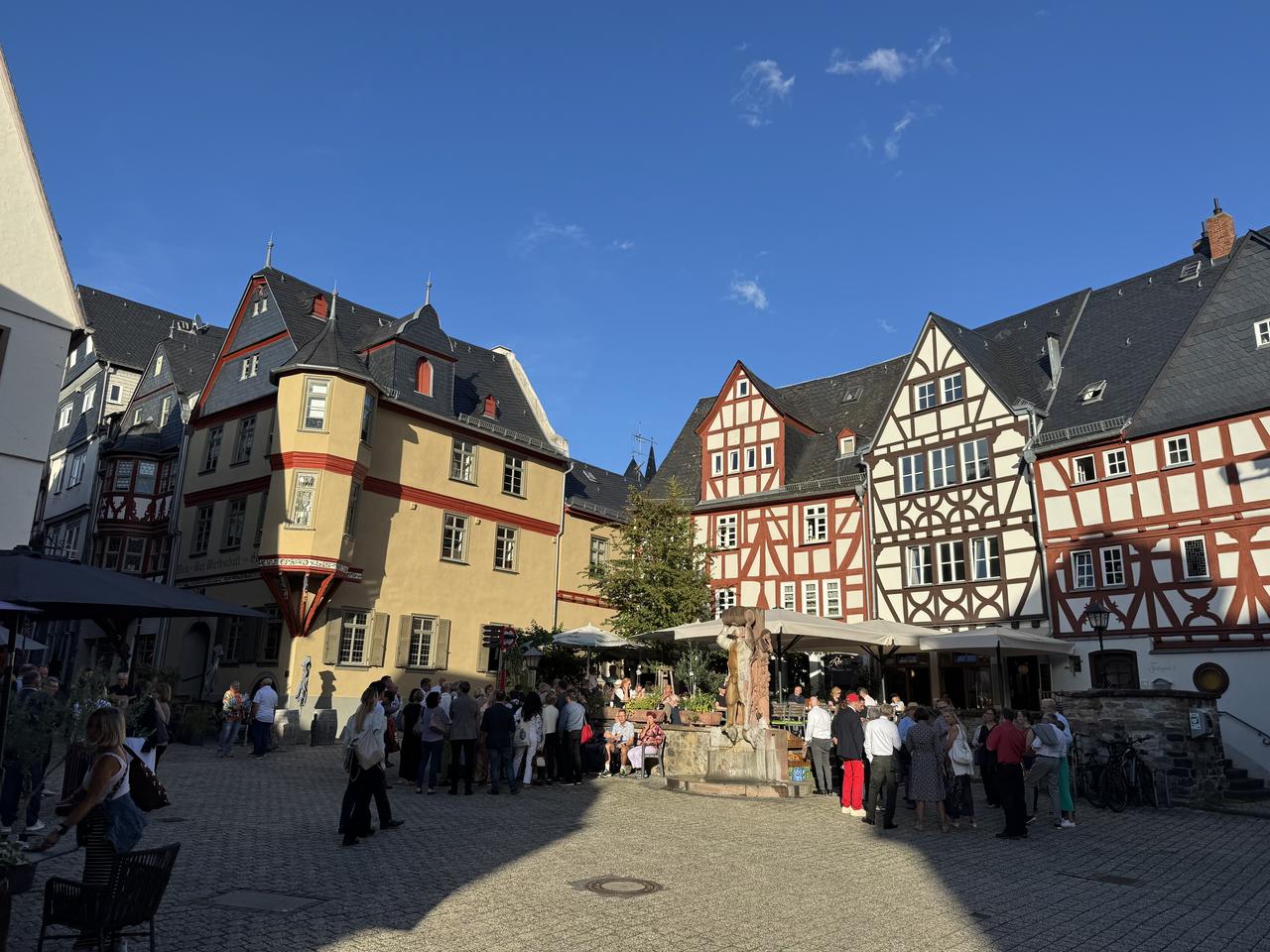
The pin marks Intel’s headquarters and public museum entrance in Santa Clara. The museum offers a public setting for the processor story; the surrounding offices remain private.
Photo: Mister rf, CC BY-SA 4.0, via Wikimedia Commons.















changes?
delete this memory?
We detected that you have a Blox in your crypto wallet! We will import the Blox into your account.
Click on done below to complete the import.
Welcome Back!
Sign in to preserve cherished moments
Don't have an account?
Welcome!!
Sign up and start preserving cherished moments
?
?






Choose your payment method
Buy with Metablox Credit
Do you want to mint Blox with Metablox Credit?
Which Crypto would you like to use?
Purchase Confirmed!
Your Blox is being minted on-chain and will appear in your profile shortly.
Log in or sign up to claim your Blox.
How many credits do you want to buy?
$100 USD = 1 Metablox Credit = 1 Blox.
Use Metablox Credit to mint any Blox you want on the map.
 expand_more