


Semiconductor History | 2200 Mission College Boulevard, 27 July 2006 — Core 2 Ends Intel’s Clock-Speed Detour
· 2006-7
Personal memoryBy kevin · · Report an issue




































































Find memories left by people near you.
Distribute Bounty
This will distribute the bounty equally among all qualifying memories. This action cannot be undone.
Cancel Bounty
Are you sure you want to cancel this bounty? The remaining amount will be refunded to your account.
Success!
Operation completed successfully.
Error
Something went wrong.
Semiconductor History | 2200 Mission College Boulevard, 27 July 2006 — Core 2 Ends Intel’s Clock-Speed Detour
kevin
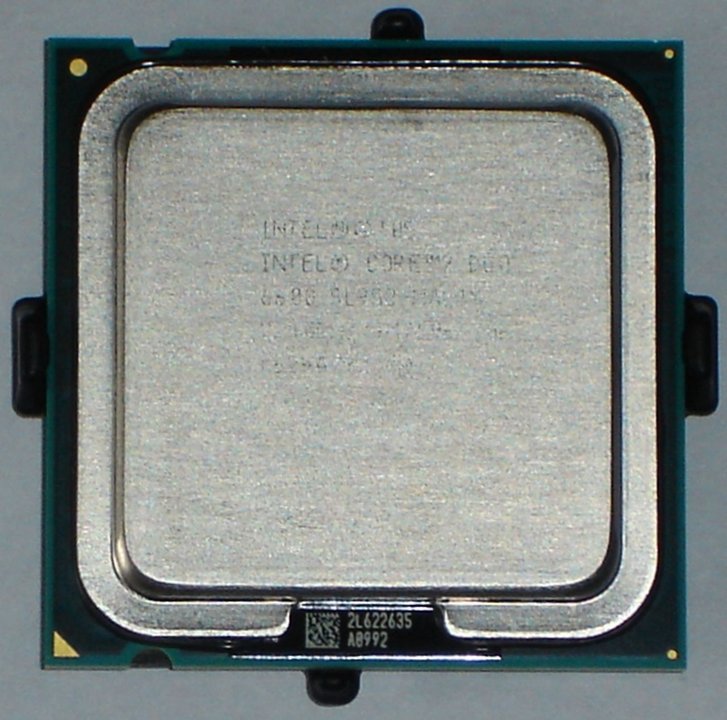
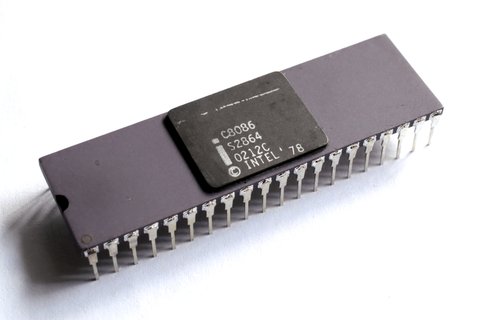
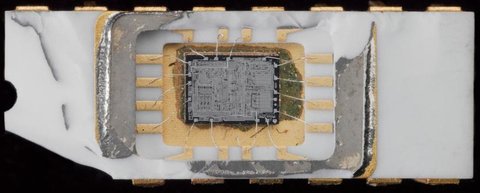
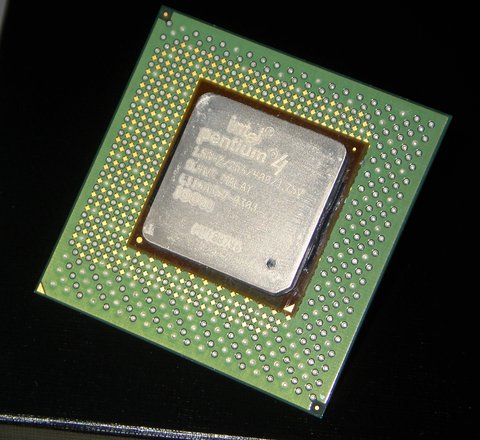
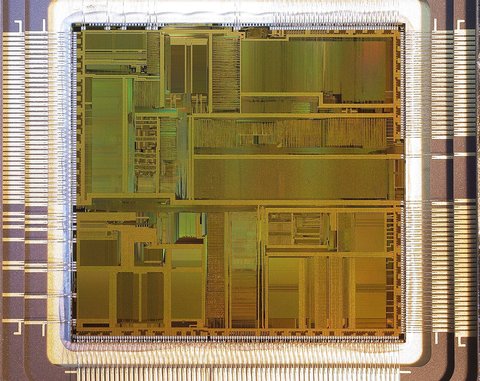
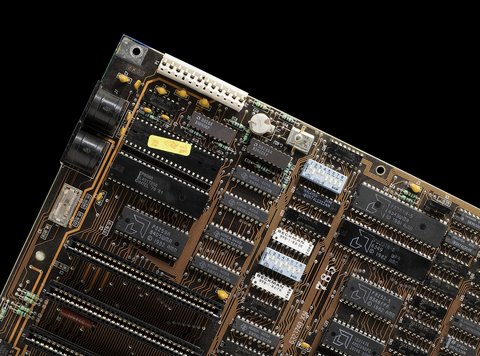
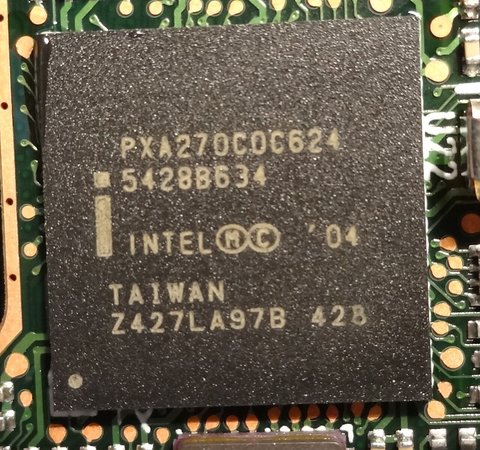
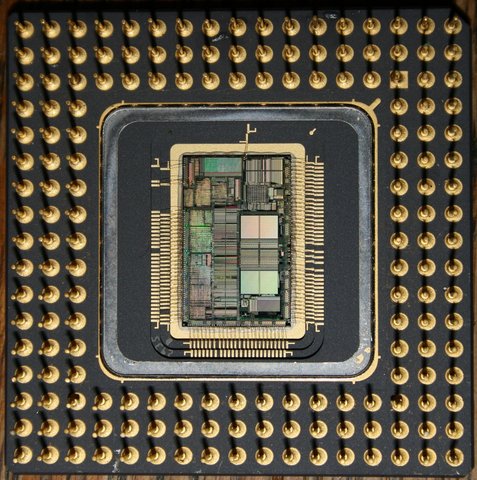
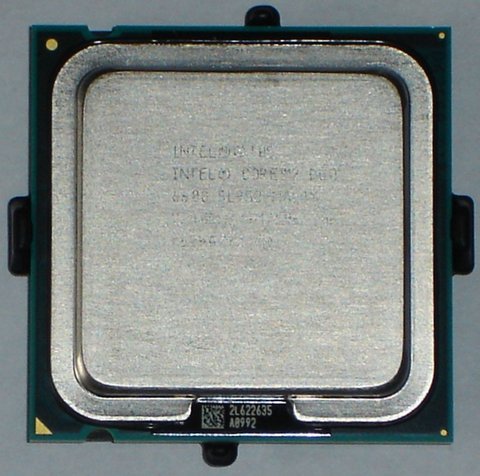
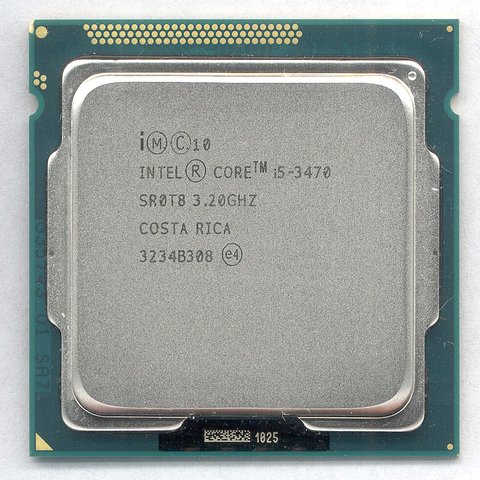
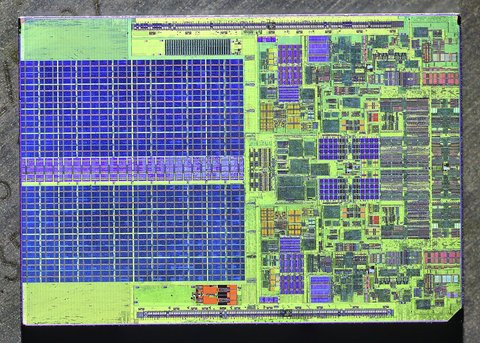
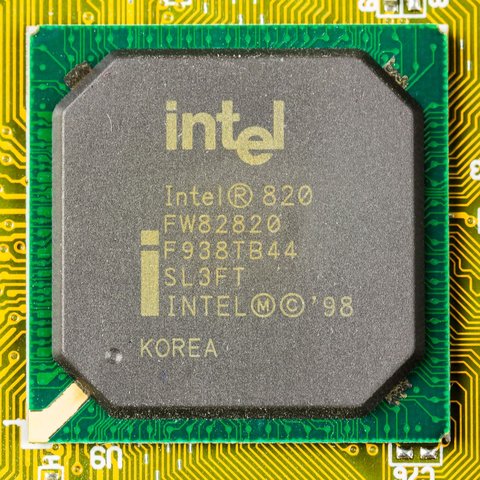
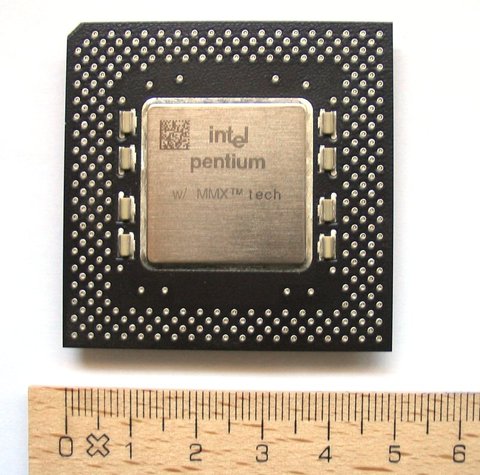
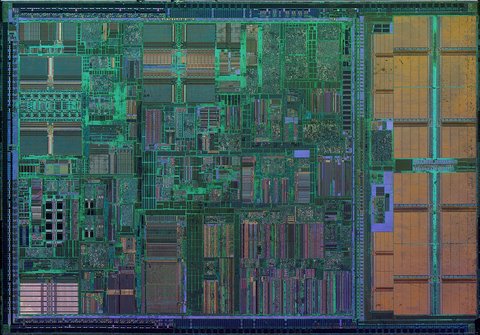
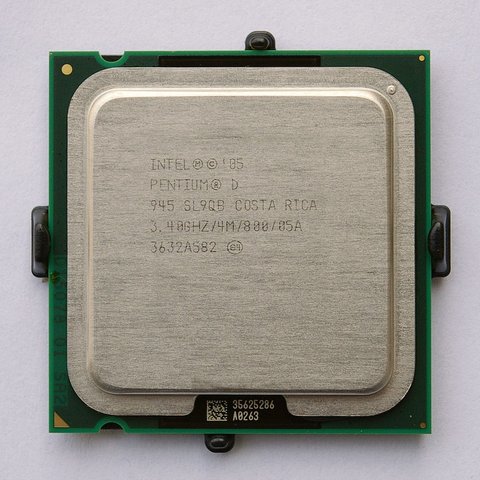
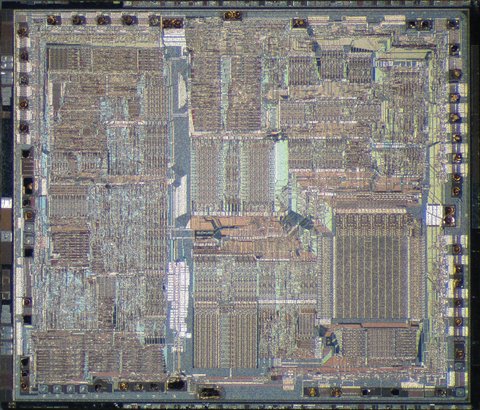
The faint lettering on this Core 2 Duo E6600 identifies a processor whose modest 2.4-gigahertz clock concealed its point. Intel no longer wanted frequency alone to stand in for performance.
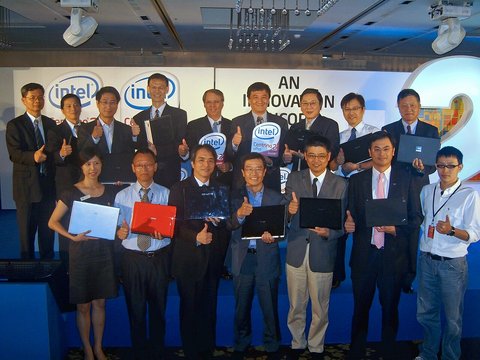
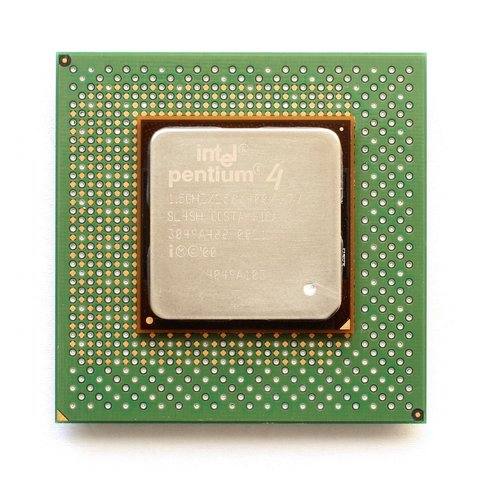
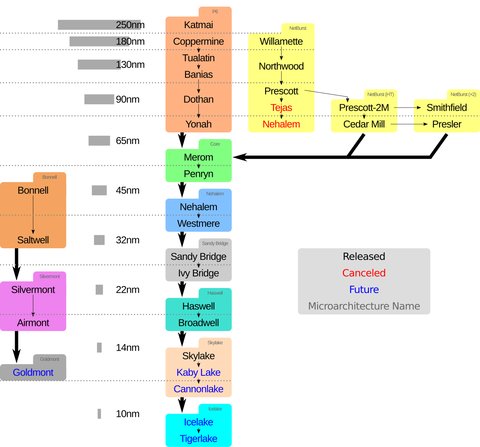
At its Santa Clara headquarters on 27 July 2006, Intel unveiled ten Core 2 Duo and Core 2 Extreme processors for desktops, notebooks, and workstations. The launch followed the cancellation of the power-hungry Tejas project and a painful retreat from the idea that ever-deeper pipelines and higher clocks could carry the Pentium 4 strategy indefinitely.
Core 2 changed the measure of progress.
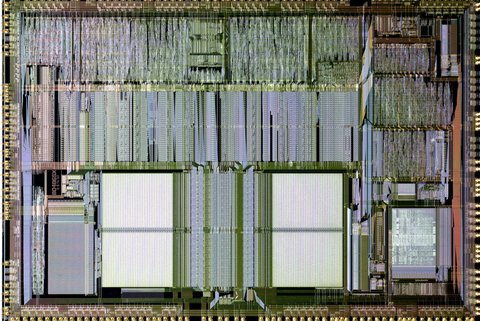
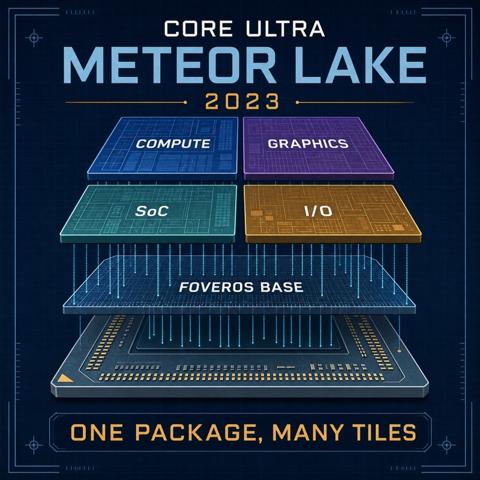
Its Core microarchitecture combined two execution cores with a shared level-two cache, wider instruction handling, shorter pipelines than NetBurst, and techniques that reduced unnecessary data movement. Intel built the first products on its 65-nanometer manufacturing process and emphasized useful work per watt rather than headline clock speed.
The design did not appear from nowhere.
Intel said it extended the power-saving philosophy of the mobile Pentium M while adding ideas from its desktop work. That lineage linked the Haifa team’s mobile-first approach to a common architecture spanning notebooks, desktops, and servers—a reversal in which the supposedly specialized low-power branch helped rescue the mainstream product line.
Intel claimed roughly 40 percent more performance with roughly 40 percent lower power than its preceding high-end Pentium D comparison system. Contemporary independent reviews differed by workload, but Intel’s annual report recorded that the new processors surpassed competitors in many standard benchmarks and that more than 17 million Core 2 Duo units shipped by year-end.
The good was a genuine recovery.
Intel regained performance leadership, gave computer makers cooler and quieter design options, and showed that the company could stop defending a failing architectural direction. Core 2 became the foundation for years of successful processor families.
Success carried its own risk.
Once the turnaround restored Intel’s lead, repeated refinements to the same broad core and confidence in manufacturing superiority could look safer than another disruptive change. That later complacency was not caused by Core 2, but the product’s strength made the next warning signs easier to postpone.
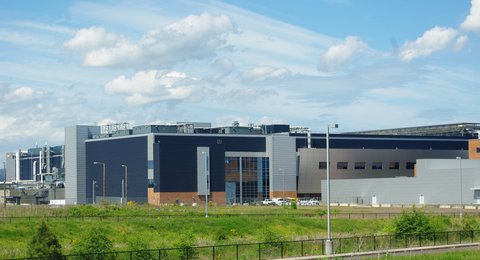
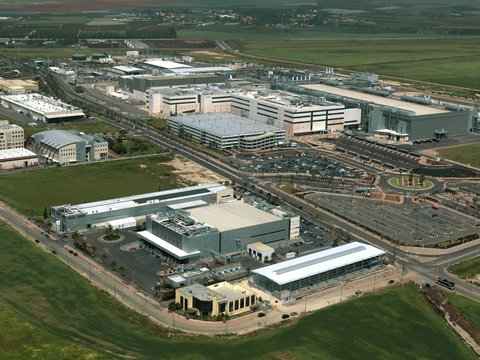
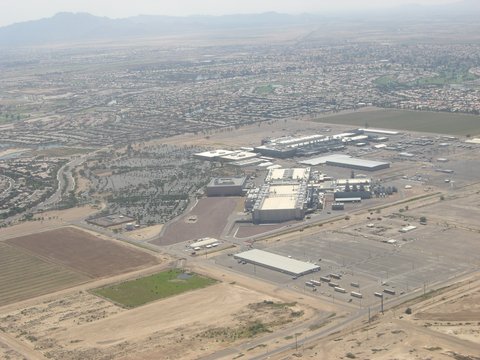
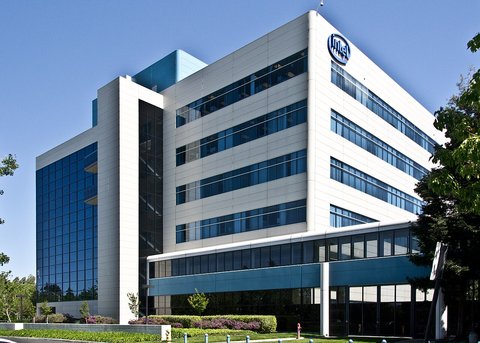
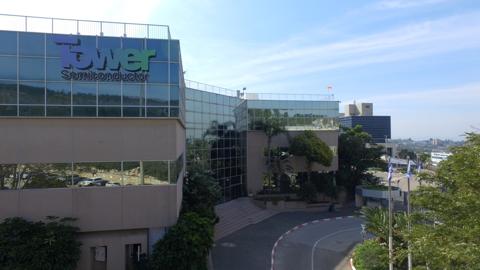
The pin marks Intel headquarters and its public museum entrance at 2200 Mission College Boulevard, where the launch event took place. Office areas remain private even when the museum is open.
Photo: Jürgen Melzer, CC BY-SA 3.0, via Wikimedia Commons.









changes?
delete this memory?
We detected that you have a Blox in your crypto wallet! We will import the Blox into your account.
Click on done below to complete the import.
Welcome Back!
Sign in to preserve cherished moments
Don't have an account?
Welcome!!
Sign up and start preserving cherished moments
?
?





Choose your payment method
Buy with Metablox Credit
Do you want to mint Blox with Metablox Credit?
Which Crypto would you like to use?
Purchase Confirmed!
Your Blox is being minted on-chain and will appear in your profile shortly.
Log in or sign up to claim your Blox.
How many credits do you want to buy?
$100 USD = 1 Metablox Credit = 1 Blox.
Use Metablox Credit to mint any Blox you want on the map.
 expand_more