


Semiconductor History | Intel Headquarters, 23 April 2012 — Ivy Bridge Moves the Transistor into a Fin
· 2012-4
Personal memoryBy kevin · · Report an issue














































































Find memories left by people near you.
Distribute Bounty
This will distribute the bounty equally among all qualifying memories. This action cannot be undone.
Cancel Bounty
Are you sure you want to cancel this bounty? The remaining amount will be refunded to your account.
Success!
Operation completed successfully.
Error
Something went wrong.
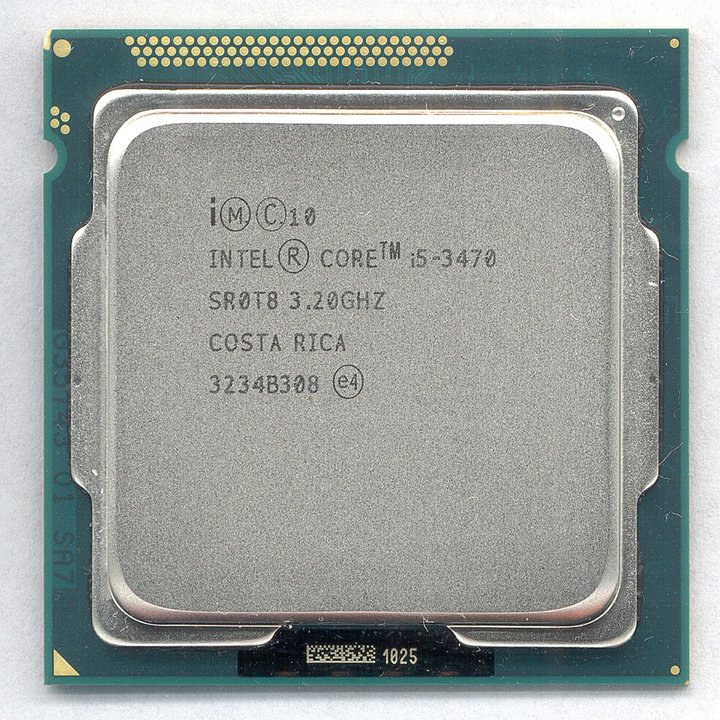
Semiconductor History | Intel Headquarters, 23 April 2012 — Ivy Bridge Moves the Transistor into a Fin
kevin
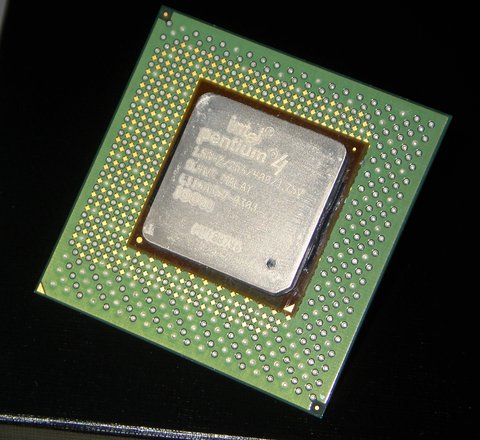
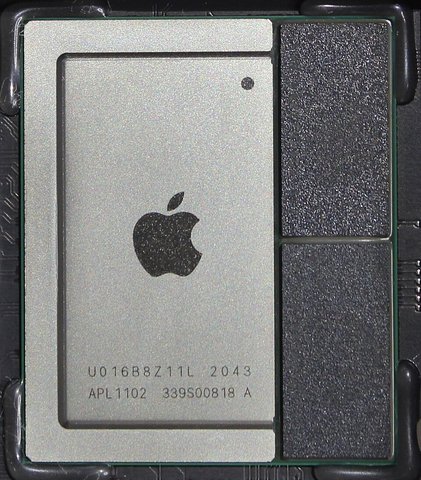
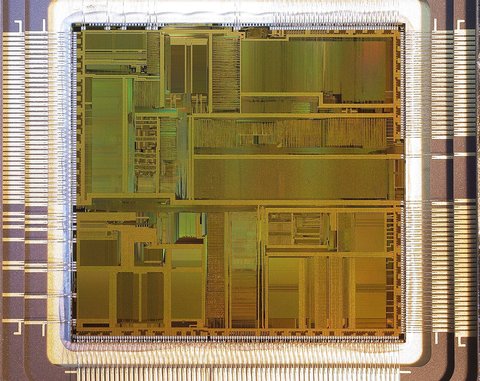
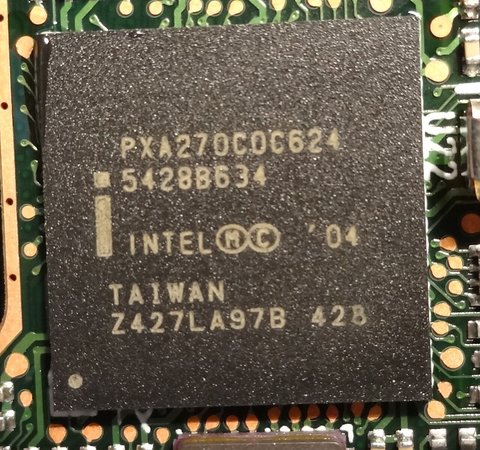
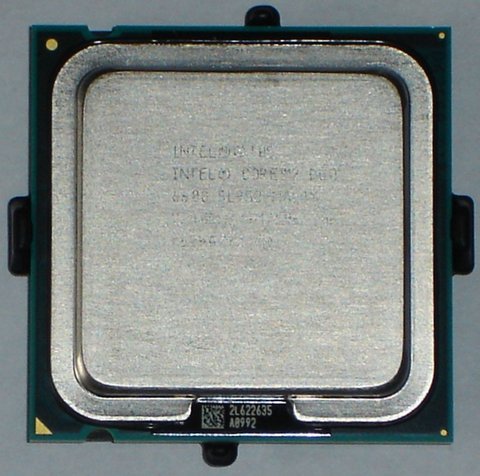
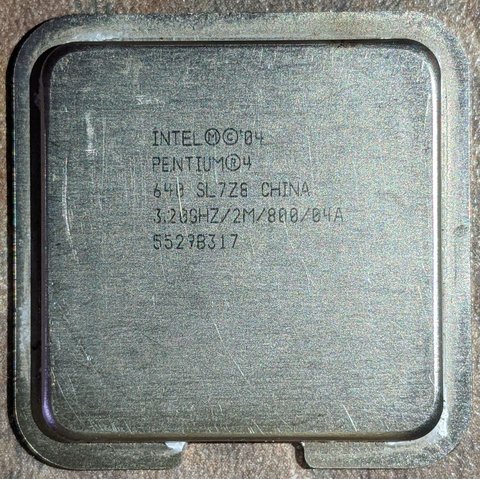
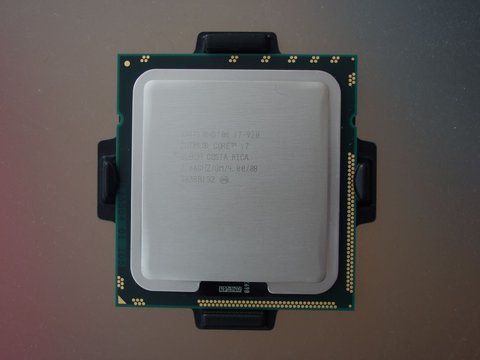
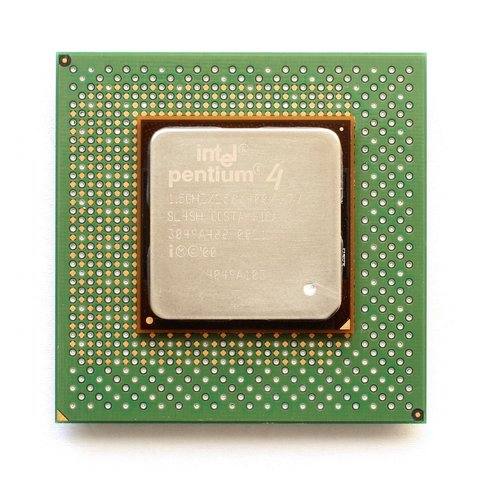
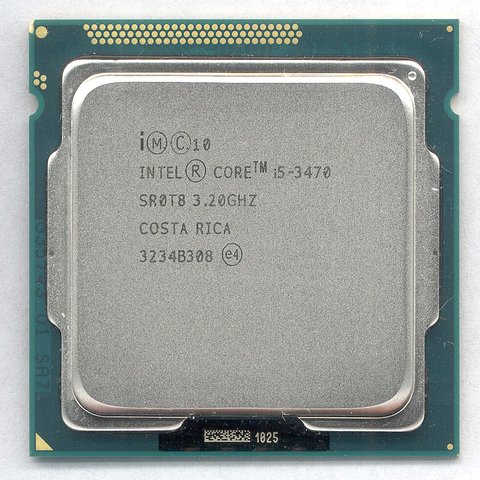
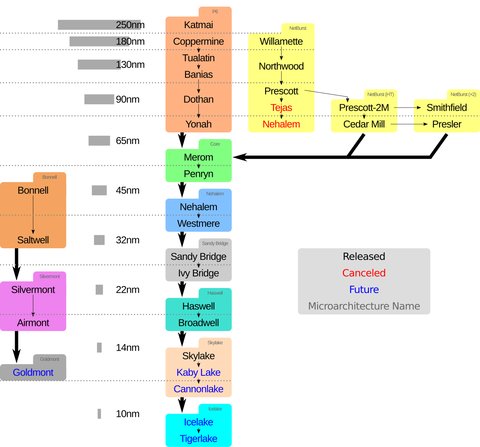
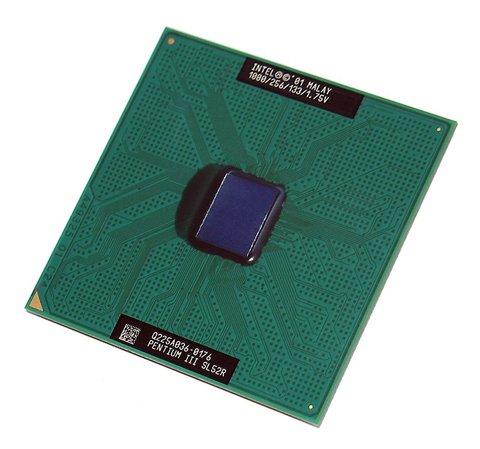
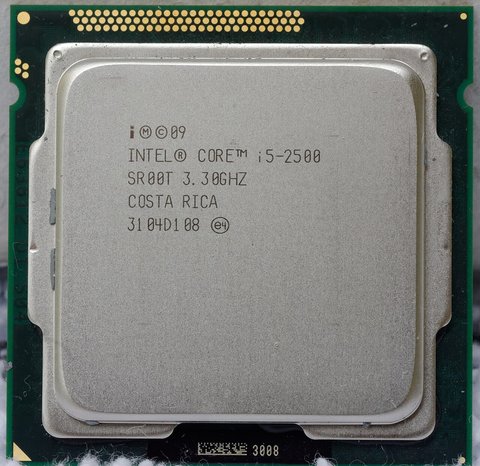
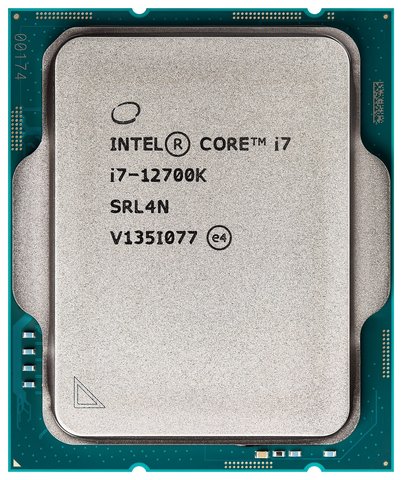
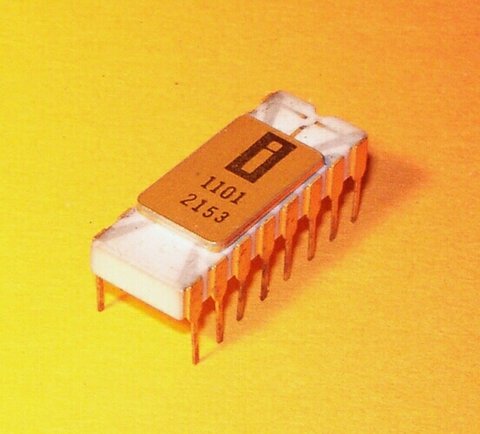
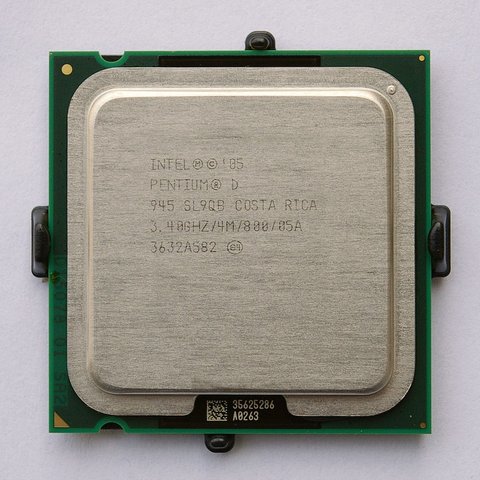
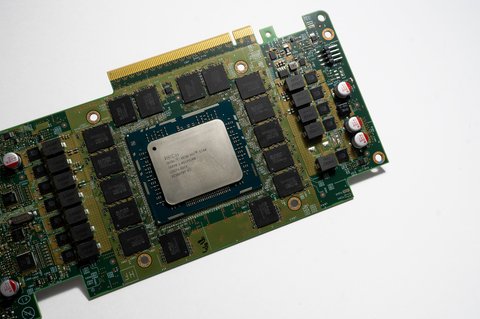
The Core i5-3470 in this photograph was manufactured in 2012 and belongs to Intel’s Ivy Bridge generation. Its metal lid conceals the important change: the transistors underneath were no longer built as flat channels controlled only from above.
On 23 April 2012, Intel launched its first high-volume processors made with a 22-nanometer process and three-dimensional Tri-Gate transistors. The product release turned a structure announced the previous year into hardware customers could buy.
The transistor’s channel rose from the silicon as a narrow fin.
Wrapping the gate across the fin’s top and two sides gave it better control over current than a planar gate. That control mattered as dimensions and operating voltages shrank: a transistor needed to switch quickly when commanded while leaking as little current as possible when off.
Intel’s 2011 measurements claimed up to 37 percent better low-voltage performance, or less than half the power at equal performance, compared with its 32-nanometer planar transistors. Those were company comparisons rather than universal product gains, but they captured the good side of the geometry: designers could spend the improvement on speed, energy efficiency, or a mixture of both.
Ivy Bridge showed the process working at scale.
The first quad-core chips combined Tri-Gate manufacturing with improved integrated graphics and arrived in desktops, notebooks, and all-in-one computers. Intel’s ability to design the processor and manufacture its new transistor together gave it an advantage that rivals then had to answer with their own fin-based processes.
Three dimensions did not make scaling simple.
Fins added patterning steps, tighter dimensional control, and new sources of variability. Designers could choose only whole numbers of fins to set transistor width, while factories had to reproduce extremely narrow structures across entire wafers at high yield.
The “22-nanometer” label also named a process generation, not a single measurement shared by every feature.
The breakthrough therefore carried a warning inside the success. Tri-Gate extended Intel’s process leadership, but each following shrink demanded more complex manufacturing and more capital.
When Intel later struggled to move beyond 14 nanometers on schedule, the difficulty did not erase Ivy Bridge’s achievement; it showed how hard that achievement was to repeat.
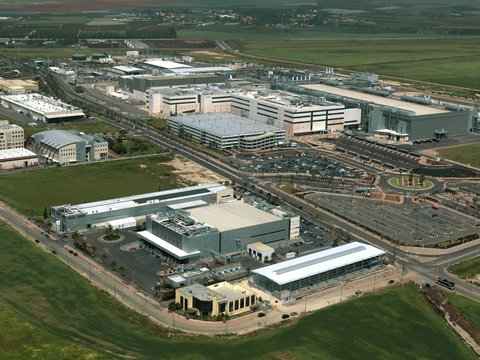
The pin marks Intel headquarters at 2200 Mission College Boulevard, the dateline and corporate address on the Ivy Bridge launch release. Contemporary coverage says the webcast presentation occurred in San Francisco but does not identify a reliable room-level venue.
The photographed i5-3470 is an exact Ivy Bridge product made later in 2012.
Photo: Rjluna2, CC BY-SA 4.0, via Wikimedia Commons.























changes?
delete this memory?
We detected that you have a Blox in your crypto wallet! We will import the Blox into your account.
Click on done below to complete the import.
Welcome Back!
Sign in to preserve cherished moments
Don't have an account?
Welcome!!
Sign up and start preserving cherished moments
?
?







Choose your payment method
Buy with Metablox Credit
Do you want to mint Blox with Metablox Credit?
Which Crypto would you like to use?
Purchase Confirmed!
Your Blox is being minted on-chain and will appear in your profile shortly.
Log in or sign up to claim your Blox.
How many credits do you want to buy?
$100 USD = 1 Metablox Credit = 1 Blox.
Use Metablox Credit to mint any Blox you want on the map.
 expand_more