


Semiconductor History | Infineon Campeon, 30 August 2010 — Intel Buys a Modem Path Into the Phone
· 2010-8
Personal memoryBy kevin · · Report an issue











































































Find memories left by people near you.
Distribute Bounty
This will distribute the bounty equally among all qualifying memories. This action cannot be undone.
Cancel Bounty
Are you sure you want to cancel this bounty? The remaining amount will be refunded to your account.
Success!
Operation completed successfully.
Error
Something went wrong.
Semiconductor History | Infineon Campeon, 30 August 2010 — Intel Buys a Modem Path Into the Phone
kevin
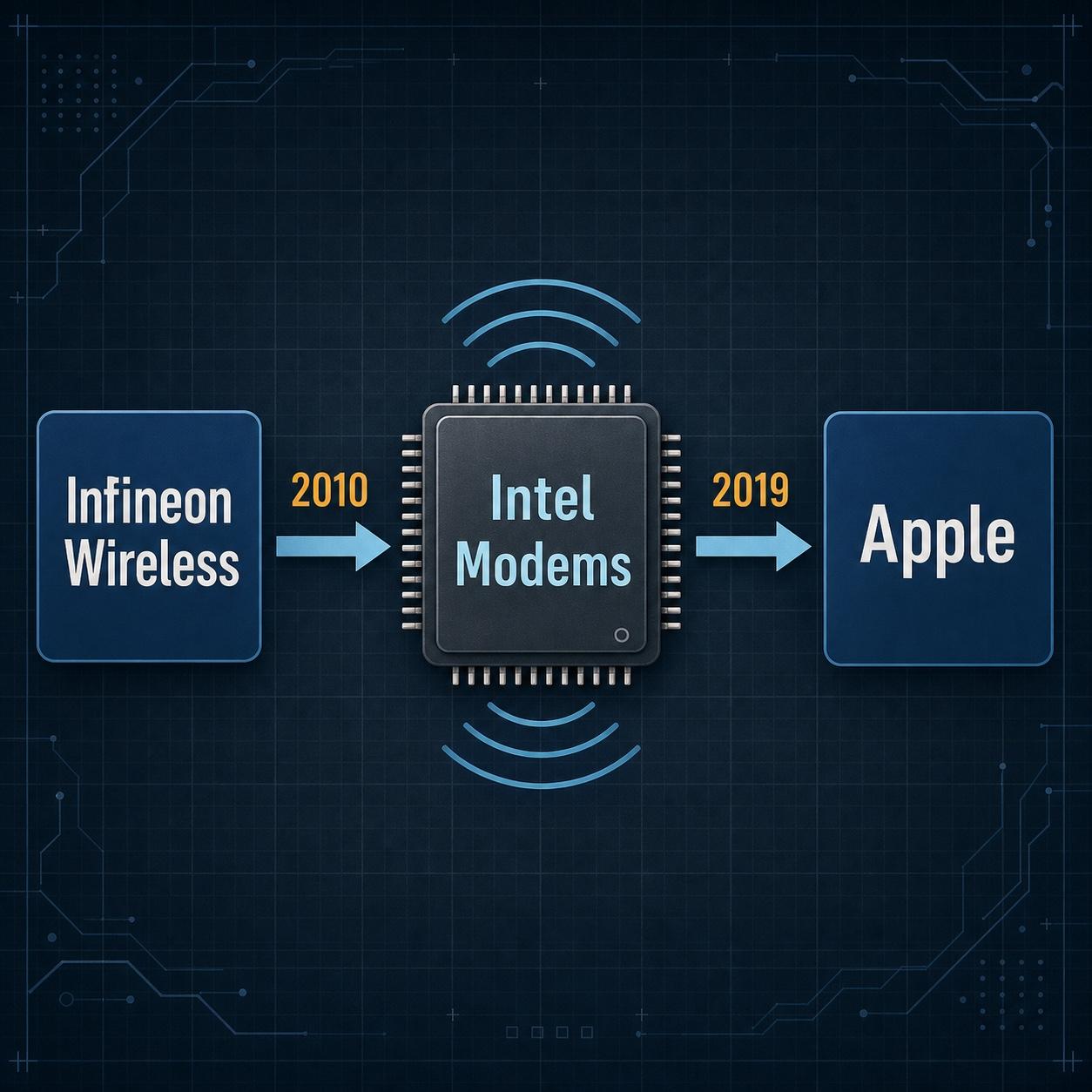
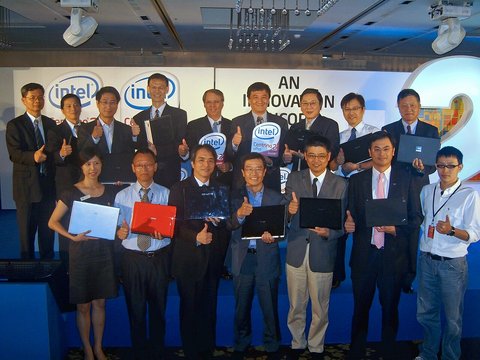
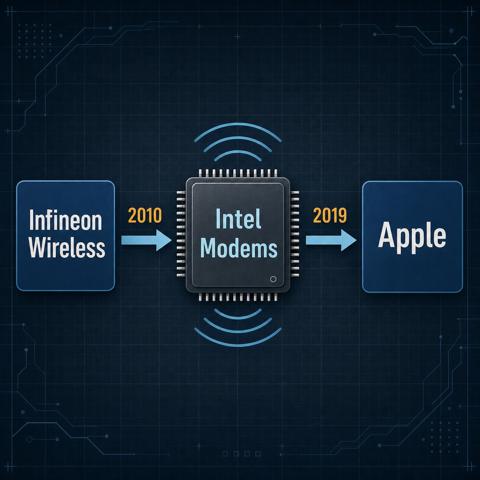
On 30 August 2010, Intel agreed to buy Infineon Technologies’ Wireless Solutions business for about $1.4 billion in cash. The operation supplied cellular platforms and added 3G capabilities, customer relationships, and a route toward LTE to Intel’s existing Wi-Fi and WiMAX portfolio.
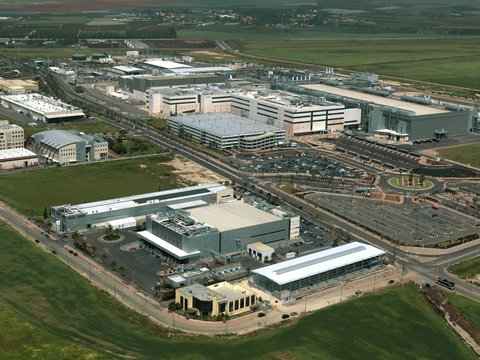
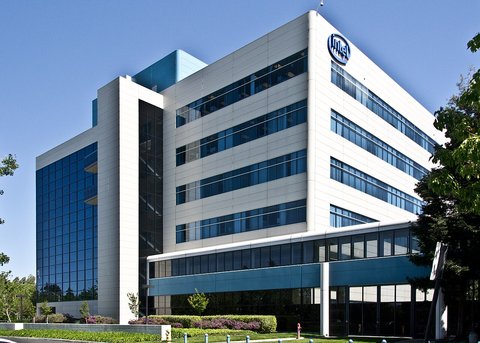
The pin marks Infineon’s Campeon headquarters in Neubiberg, where the seller remains based. It anchors the corporate decision rather than a claim that every transferred modem was designed at this particular building.
The good was that Intel bought a functioning wireless business instead of trying to invent an entire cellular stack from scratch. It gained experienced engineers and technology already used in major handsets, then operated the unit as Intel Mobile Communications while integrating its products with Intel’s broader platform ambitions.
For a company that had missed the first smartphone application-processor wave, modem expertise was strategically valuable. It eventually helped Intel supply smartphone modems to Apple, proving that the acquisition had produced serious products and a demanding flagship customer.
The bad was that cellular leadership kept moving. Intel spent years and substantial resources trying to combine competitive modems, advanced process technology, and reliable product schedules, yet it did not establish the durable integrated smartphone platform that Qualcomm had built.
In April 2019 Intel announced that it would exit the 5G smartphone-modem business. Apple then agreed in July to acquire the majority of Intel’s smartphone-modem operation for $1 billion, including about 2,200 employees and extensive wireless intellectual property; the deal closed that December.
The two transaction prices should not be read as a simple loss calculation because the assets, time periods, products, employees, and retained rights were not identical. Intel kept the ability to develop modems for non-smartphone uses, while Apple acquired the majority of the smartphone-focused business.
The Infineon purchase therefore had real technical value but did not solve Intel’s mobile problem. It built a modem organization capable of winning Apple, then became part of Apple’s effort to control more of the silicon inside its own devices.
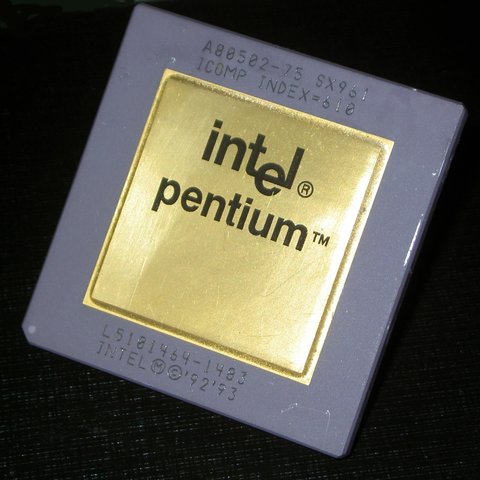
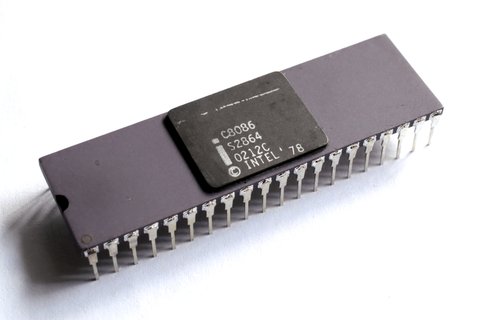
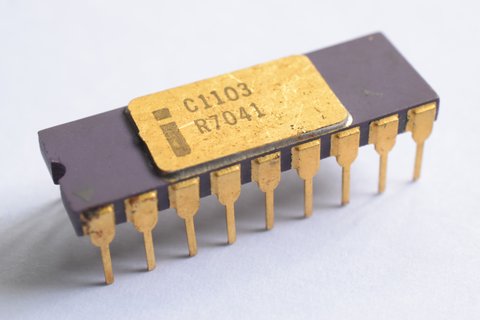
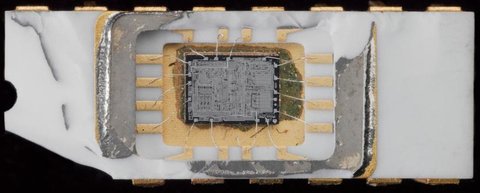
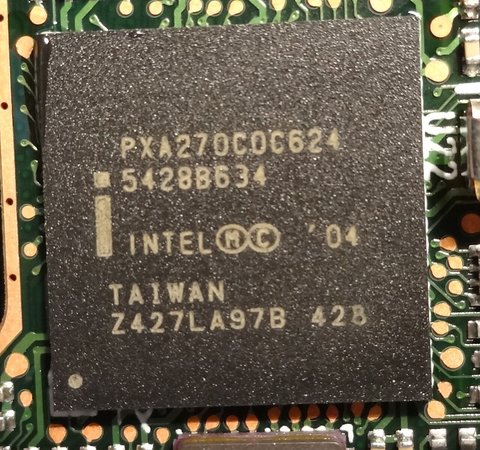
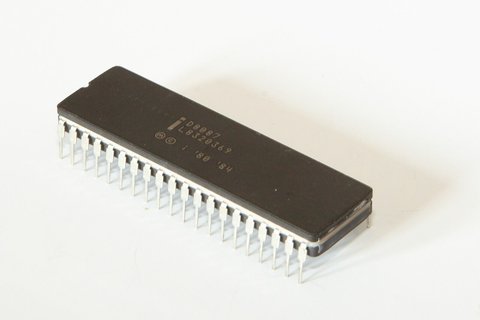
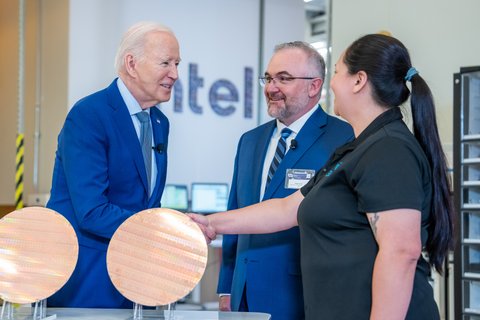
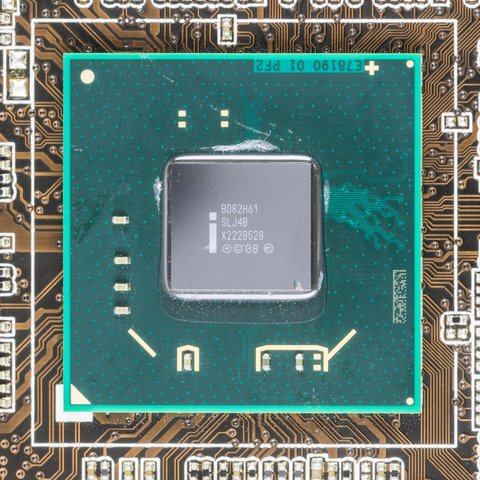
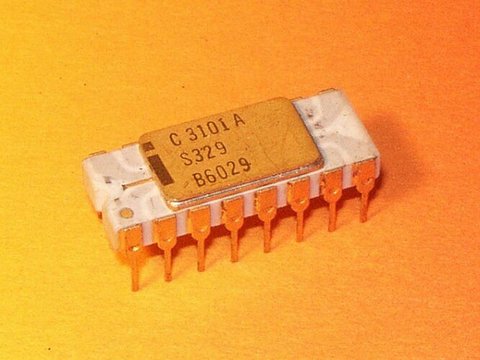
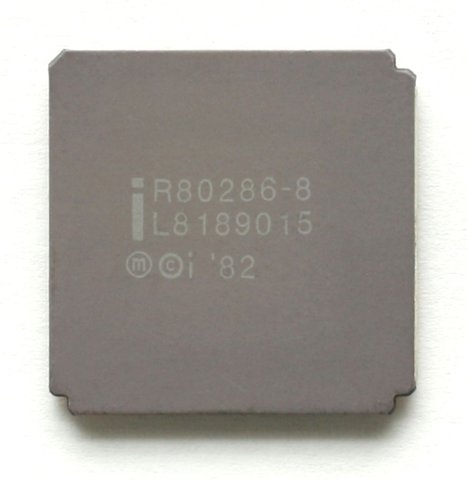
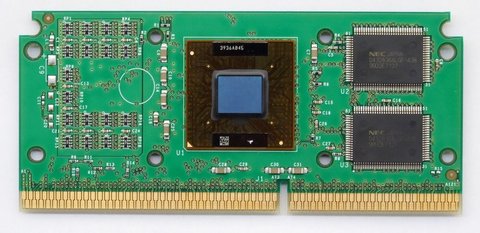
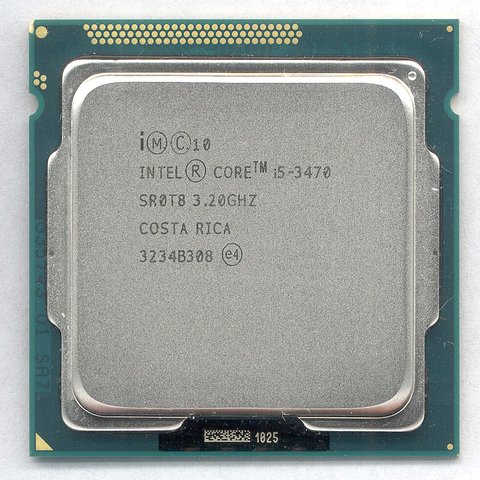
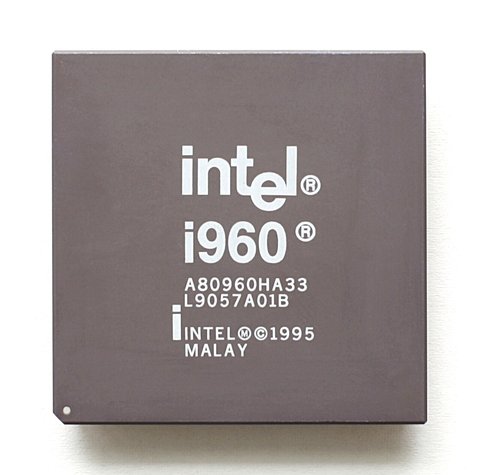
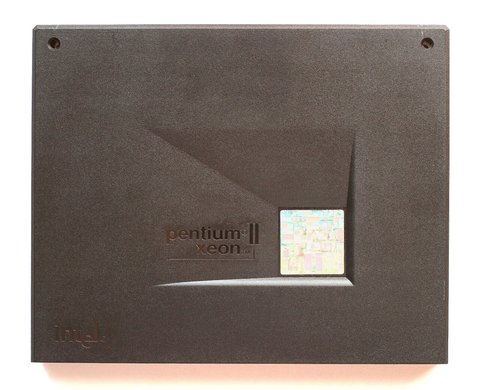
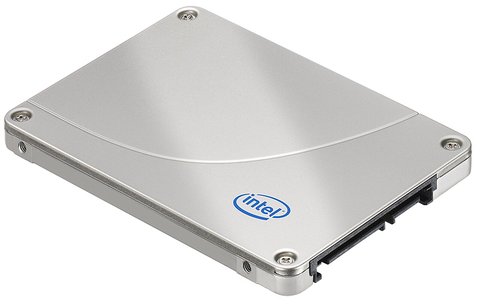
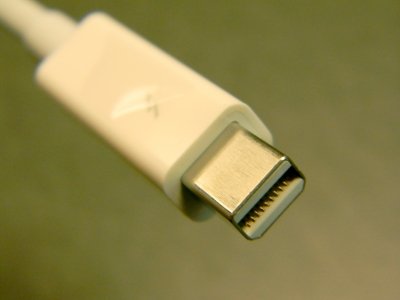
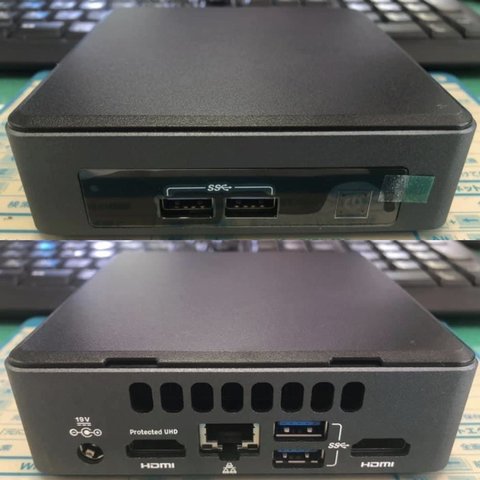
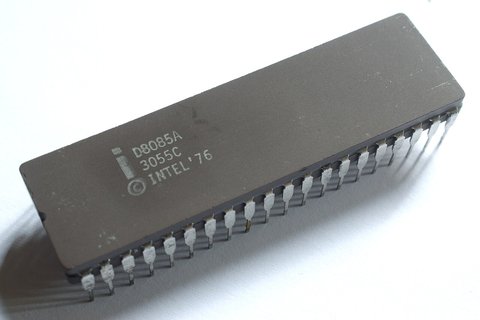
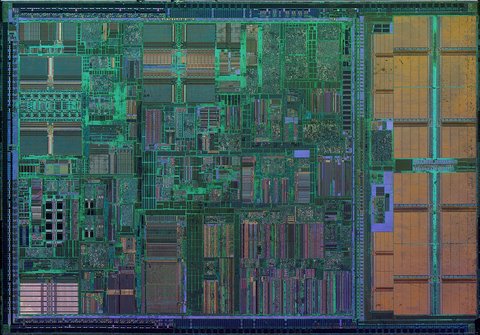
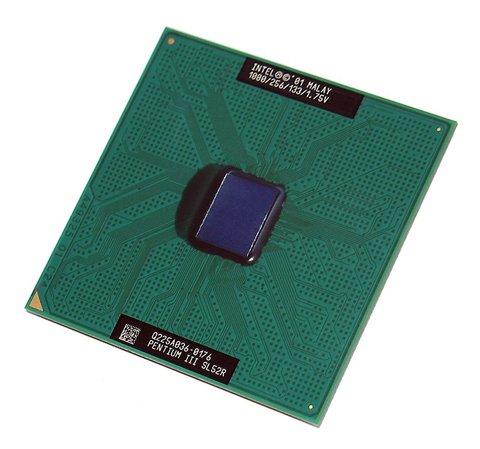
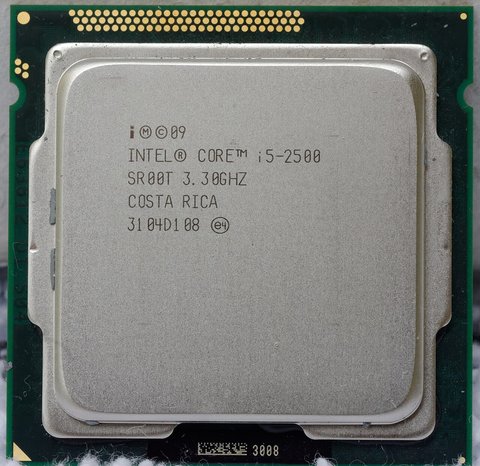
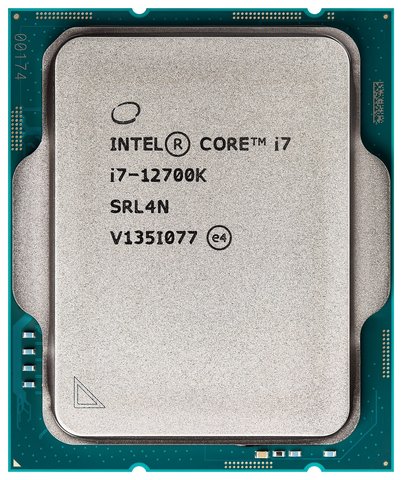
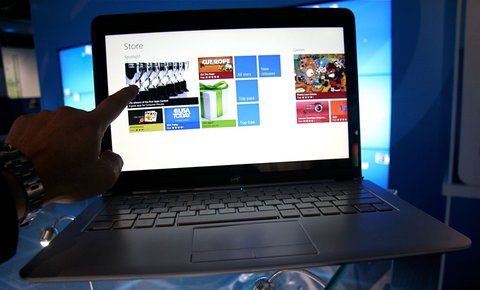
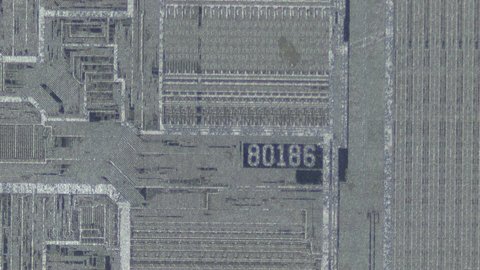
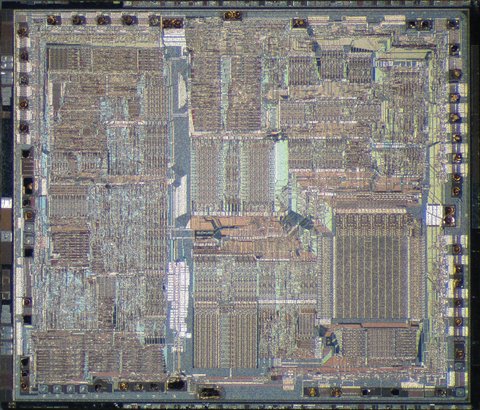
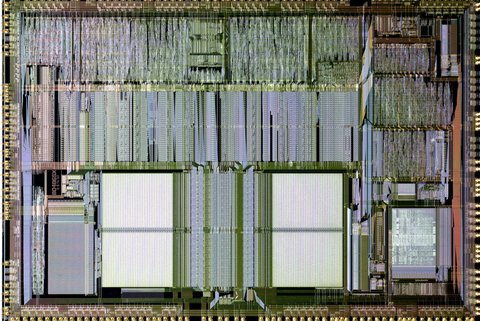
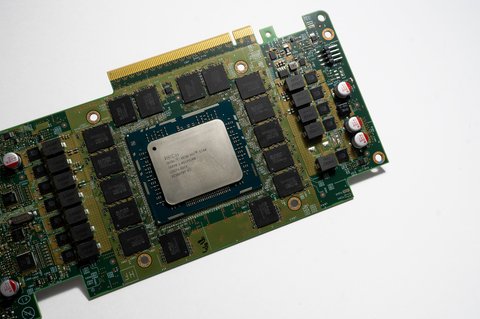
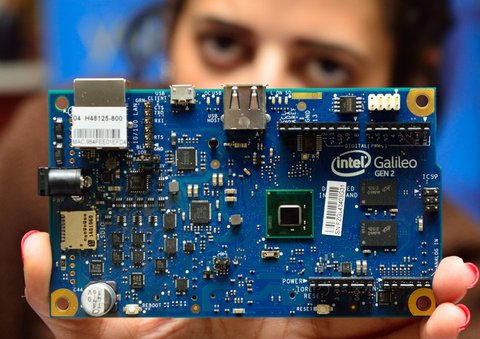
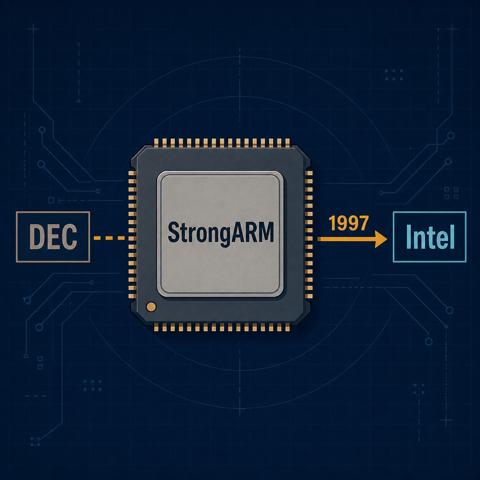
Image note: original corporate-lineage illustration created for this memory; it is not a documentary photograph.


















changes?
delete this memory?
We detected that you have a Blox in your crypto wallet! We will import the Blox into your account.
Click on done below to complete the import.
Welcome Back!
Sign in to preserve cherished moments
Don't have an account?
Welcome!!
Sign up and start preserving cherished moments
?
?







Choose your payment method
Buy with Metablox Credit
Do you want to mint Blox with Metablox Credit?
Which Crypto would you like to use?
Purchase Confirmed!
Your Blox is being minted on-chain and will appear in your profile shortly.
Log in or sign up to claim your Blox.
How many credits do you want to buy?
$100 USD = 1 Metablox Credit = 1 Blox.
Use Metablox Credit to mint any Blox you want on the map.
 expand_more