


Semiconductor History | 365 East Middlefield Road, April 1969 — Intel's First Product Was a 64-Bit Memory
· 1969-4
Personal memoryBy kevin · · updated · Report an issue









































































Find memories left by people near you.
Distribute Bounty
This will distribute the bounty equally among all qualifying memories. This action cannot be undone.
Cancel Bounty
Are you sure you want to cancel this bounty? The remaining amount will be refunded to your account.
Success!
Operation completed successfully.
Error
Something went wrong.
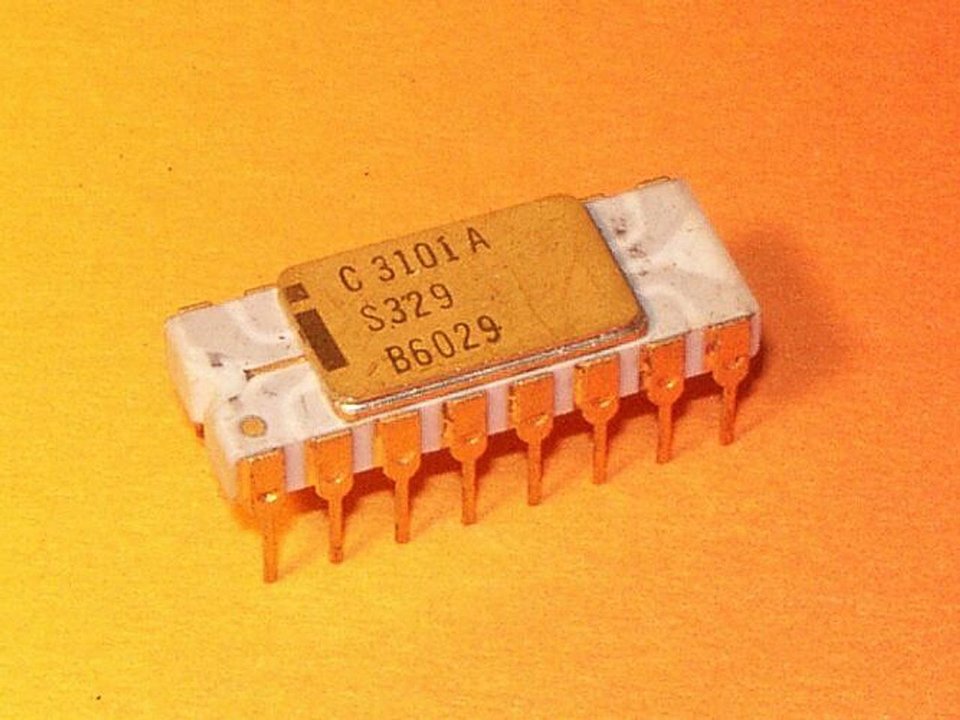
Semiconductor History | 365 East Middlefield Road, April 1969 — Intel's First Product Was a 64-Bit Memory
kevin
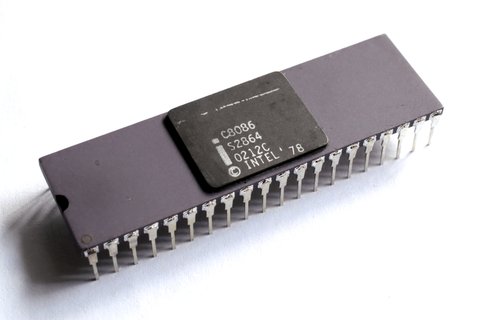
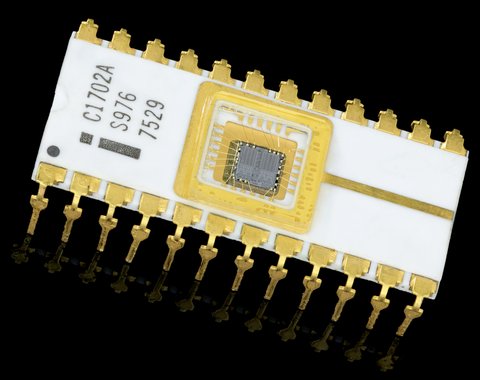
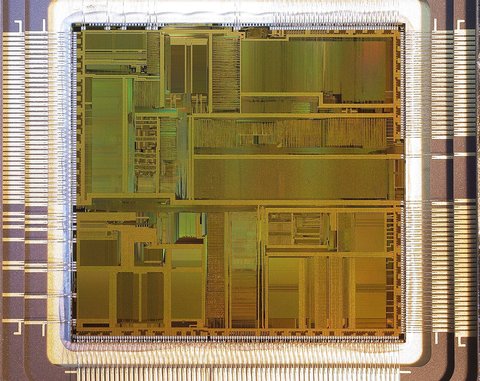
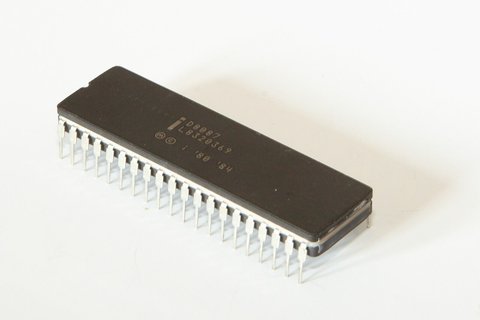
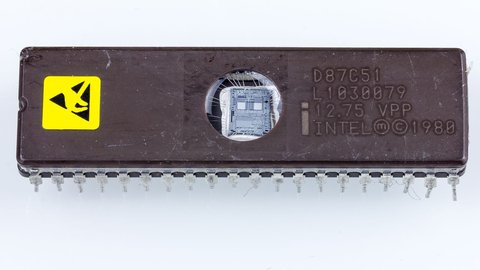
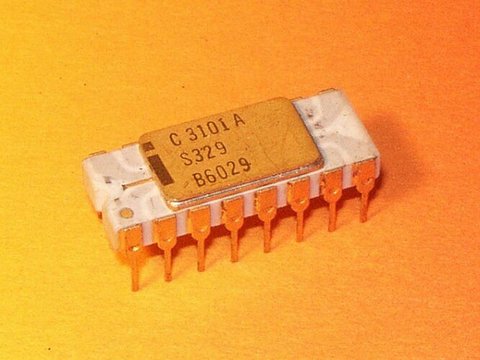
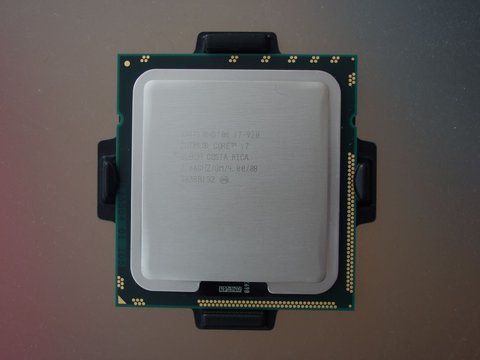
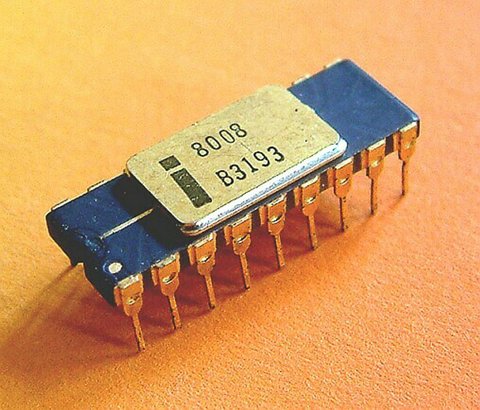
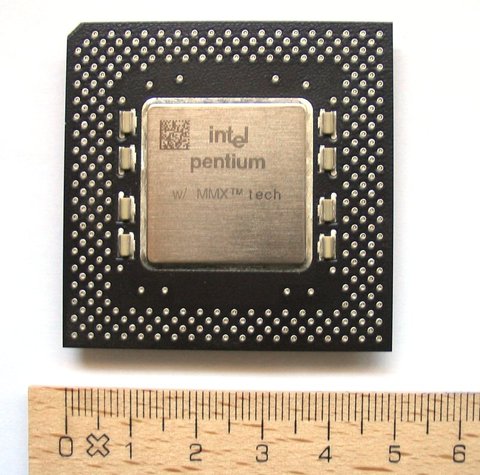
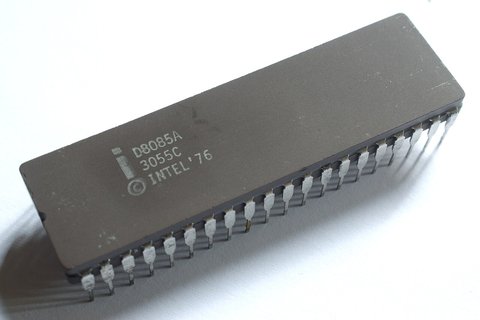
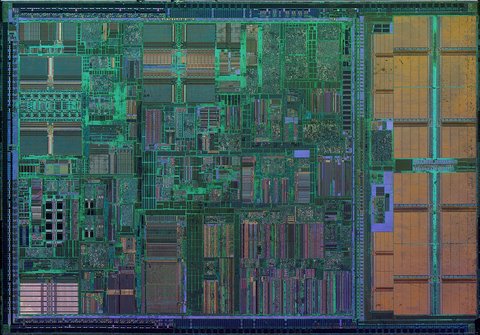
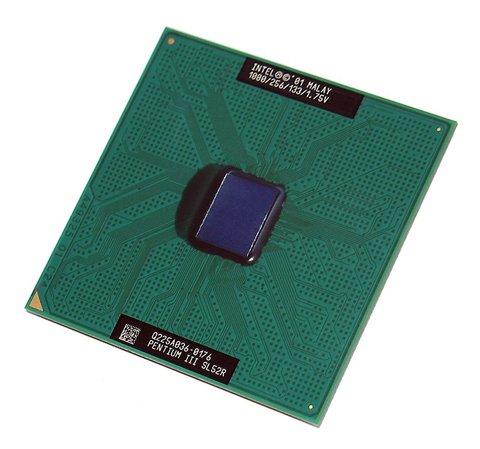
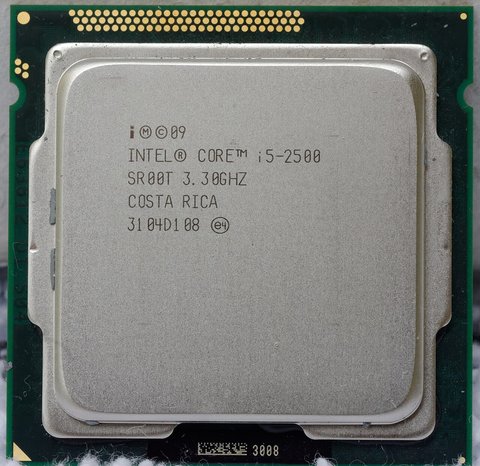
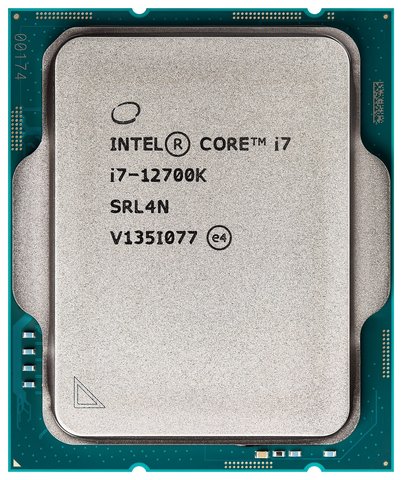
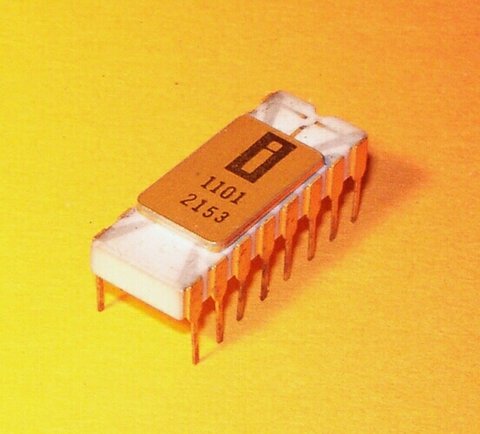
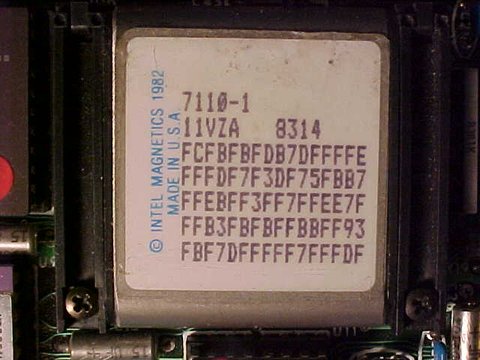
The C3101A photographed here is a later-marked member of the family that began with Intel's first commercial product, the 3101 static random-access memory.
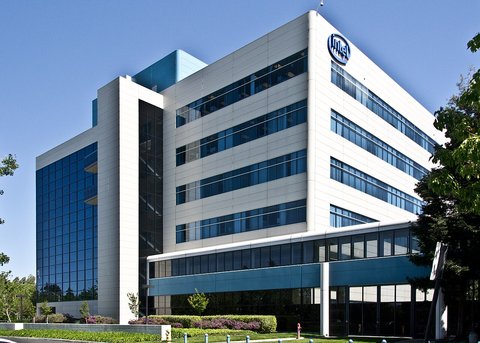
Intel announced the original chip in April 1969, less than a year after the company began operating in this building at 365 East Middlefield Road. Its capacity sounds tiny now: 64 bits, arranged as sixteen words of four bits each.
The important number was speed.
Designers Richard Bohn and H. T. Chua used Schottky-barrier diodes to keep the chip's bipolar transistors from saturating, reducing switching delay. The Computer History Museum records that the result ran nearly twice as fast as competing transistor-transistor-logic memories, while Intel described it as twice their speed.
That achievement gave a new manufacturer something it urgently needed: a product it could sell and evidence that its fabrication line could produce working devices on schedule. Intel had pursued several memory technologies in parallel, and the established bipolar route reached the market before its more ambitious silicon-gate MOS work.
The debut was not a clean commercial triumph.
Honeywell had invited semiconductor companies to build a fast 64-bit SRAM, creating the opening Intel pursued, but it chose not to buy the 3101. Intel found other customers, yet the chip remained a small, specialized scratchpad memory rather than the product that defined the company's future.
Its limitations also explain what came next.
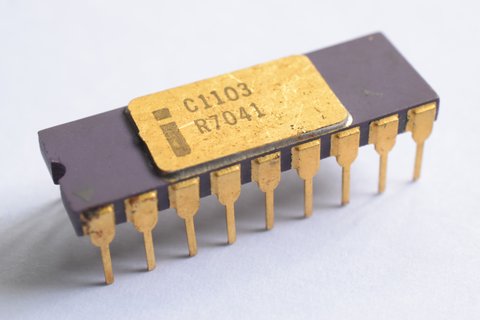
Bipolar logic offered speed at the cost of power and density, while Intel's silicon-gate MOS program promised much larger memories. Later in 1969 the 1101 SRAM carried that process into a commercial chip, and the 1103 DRAM soon gave Intel the volume business that the 3101 had only started.
The 3101 deserves attention without being inflated into the invention of semiconductor memory. It was a fast answer built with an established circuit family, and its intended customer walked away; what mattered was that Intel converted a demanding specification into a manufacturable first product and survived long enough to attempt the riskier one.
The pin marks Intel's original leased office and fabrication site in Mountain View, where its staff worked when the 3101 appeared. The former Intel parcel is now part of an office complex approved for redevelopment, so nothing on site should be treated as a preserved museum.
Photo: Christian Bassow, CC BY-SA 4.0, via Wikimedia Commons.
















changes?
delete this memory?
We detected that you have a Blox in your crypto wallet! We will import the Blox into your account.
Click on done below to complete the import.
Welcome Back!
Sign in to preserve cherished moments
Don't have an account?
Welcome!!
Sign up and start preserving cherished moments
?
?





Choose your payment method
Buy with Metablox Credit
Do you want to mint Blox with Metablox Credit?
Which Crypto would you like to use?
Purchase Confirmed!
Your Blox is being minted on-chain and will appear in your profile shortly.
Log in or sign up to claim your Blox.
How many credits do you want to buy?
$100 USD = 1 Metablox Credit = 1 Blox.
Use Metablox Credit to mint any Blox you want on the map.
 expand_more