


Semiconductor History | 3065 Bowers Avenue, April 1972 — The Customer’s Processor Intel Kept
· 1972-4
Personal memoryBy kevin · · updated · Report an issue








































































Find memories left by people near you.
Distribute Bounty
This will distribute the bounty equally among all qualifying memories. This action cannot be undone.
Cancel Bounty
Are you sure you want to cancel this bounty? The remaining amount will be refunded to your account.
Success!
Operation completed successfully.
Error
Something went wrong.
Semiconductor History | 3065 Bowers Avenue, April 1972 — The Customer’s Processor Intel Kept
kevin
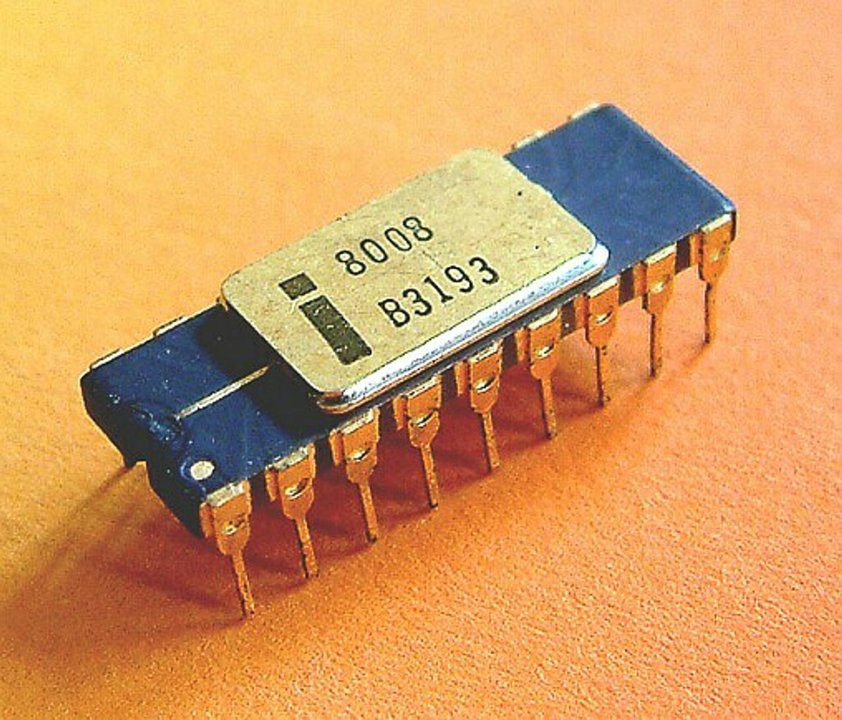
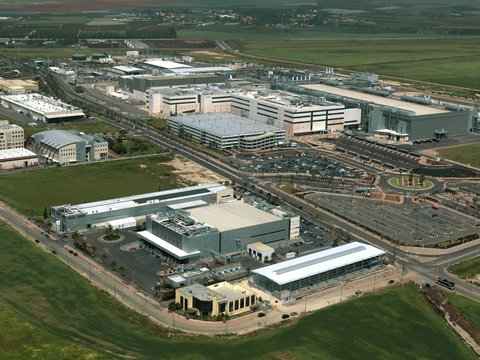
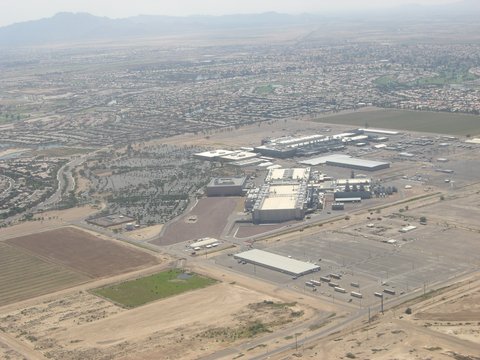
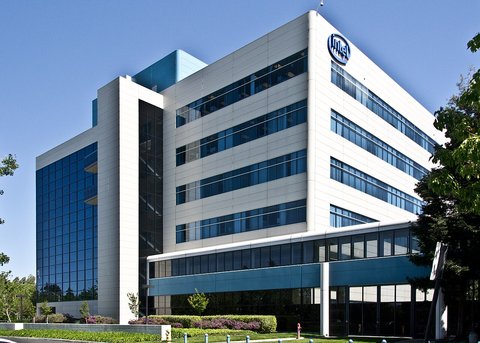
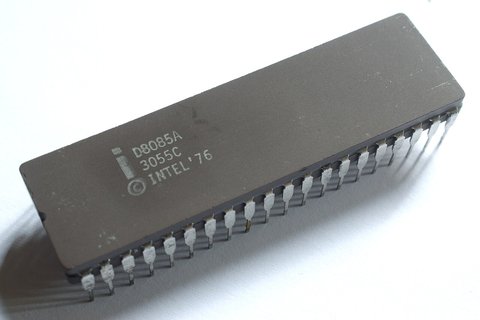
In April 1972, Intel introduced the 8008, an eight-bit processor descended from a terminal project that its original customer no longer wanted. The headquarters pin marks Intel’s SC1 building, completed in 1971 and occupied as the company brought the chip to market; it does not imply that every stage of the design occurred there.
The story began when Computer Terminal Corporation, later known for Datapoint computers, asked Intel to implement the processor logic for a programmable terminal. CTC supplied the architectural requirements and instruction-set lineage, while Intel engineers including Ted Hoff, Stan Mazor, Federico Faggin, and Hal Feeney helped turn the idea into the single-chip design first called the 1201.
The project did not move neatly from contract to success. Development ran late, CTC pursued other hardware, and Intel ultimately retained the right to sell the device to the wider market—transforming a troubled customer assignment into a general-purpose product.
That outcome was the good. The 8008 showed that a processor could be sold as a reusable component rather than buried inside one customer’s terminal, and it established a commercial path that led through the more capable 8080 to the later 8086 family.
The limitations were substantial. Its eighteen-pin package forced awkward sharing of signals and external support circuitry, its address space was small, and system designers had to build much more around it than later microprocessors required; the 8080 soon made the 8008 look transitional.
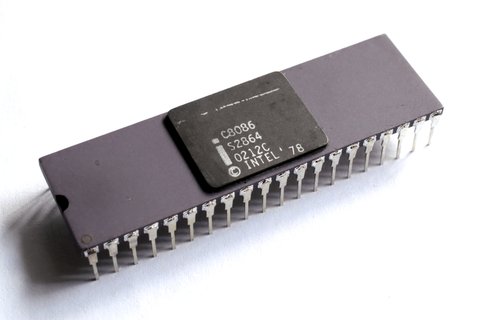
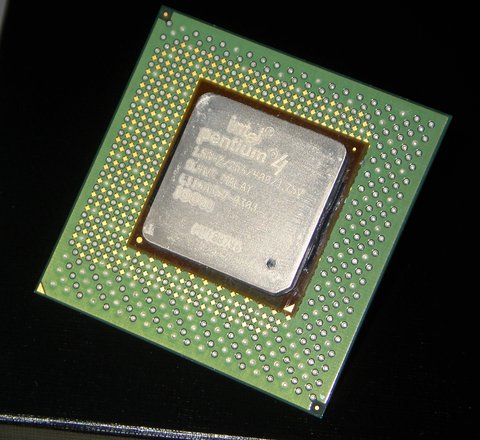
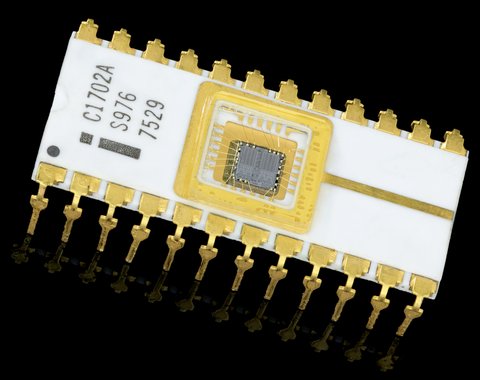
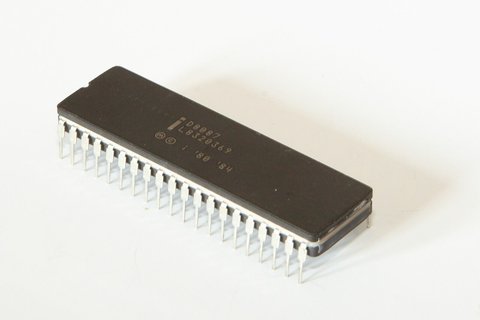
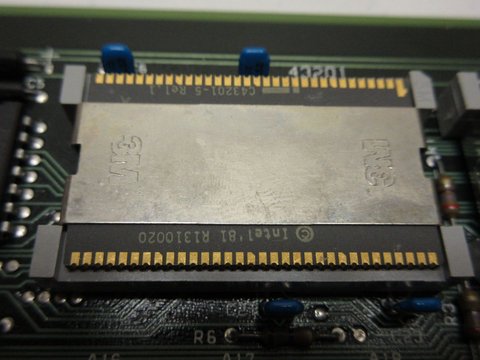
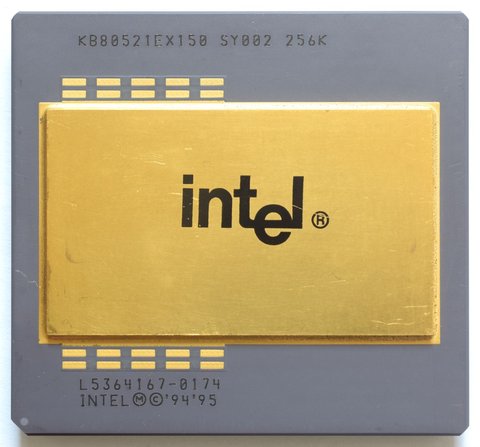
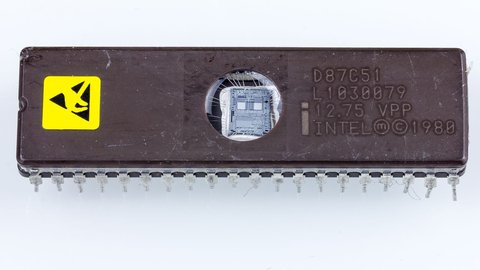
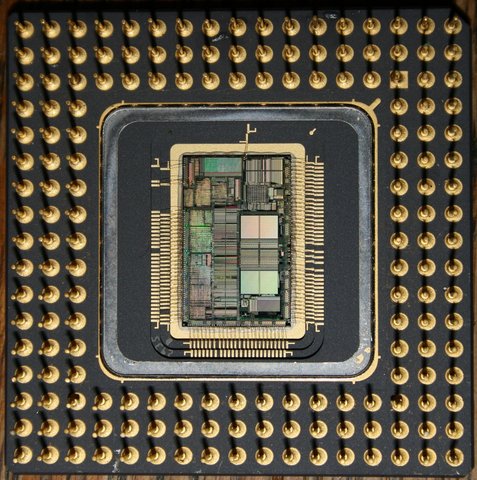
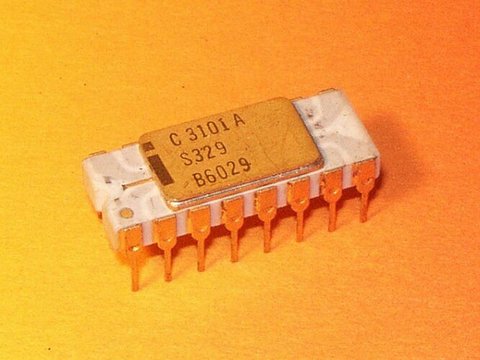
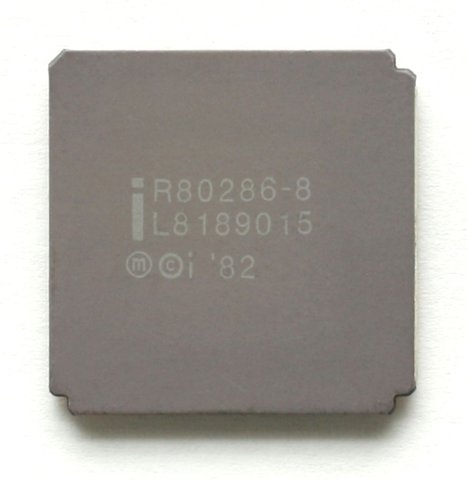
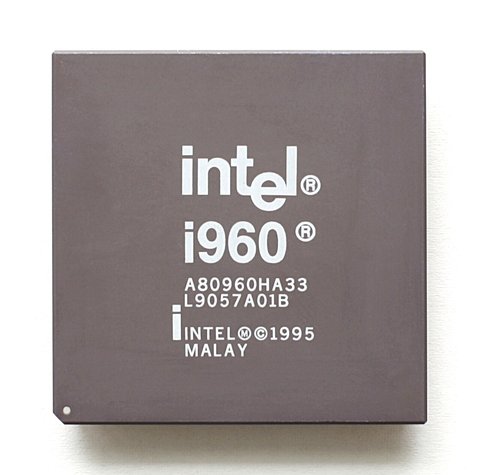
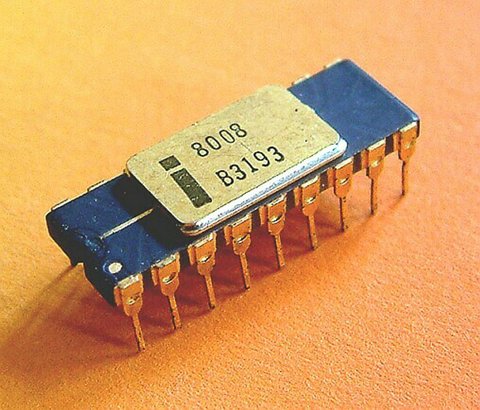
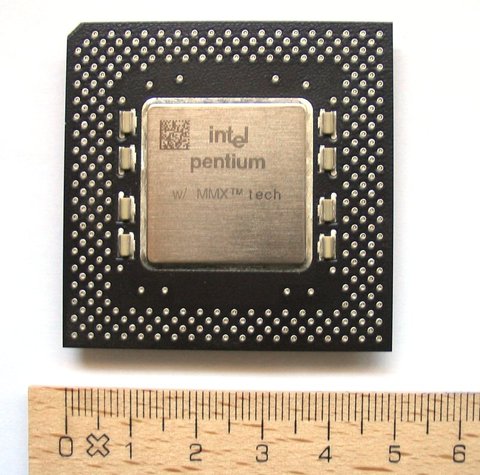
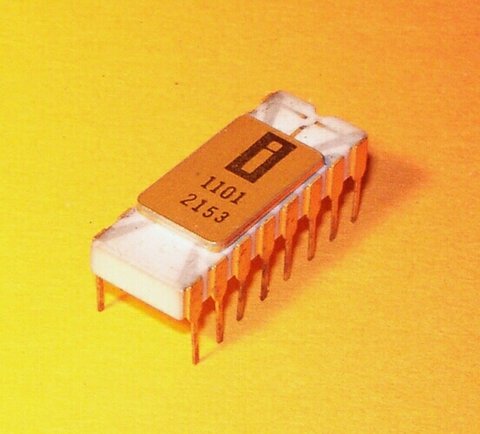
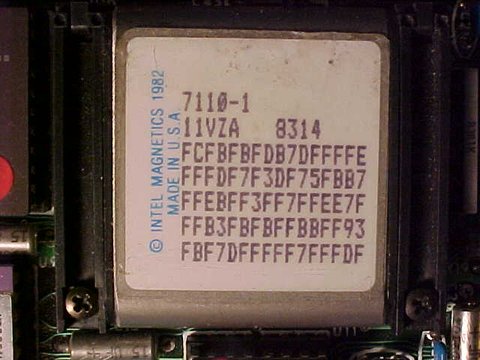
Even so, the chip reached early microcomputer and controller designs and helped Intel discover a business larger than the memory market on which it had been founded. The photographed ceramic package makes that pivot tangible: a compact commercial CPU whose importance exceeded the first systems built around it.
Credit must remain shared and precise. CTC contributed the computer architecture and commercial need, Intel completed and marketed the chip, and contemporaneous projects at Texas Instruments and elsewhere make the broader question of who invented the microprocessor more complicated than a single-company origin story.
The public-road pin preserves that ambiguity honestly: it is the Santa Clara corporate base from which Intel launched the 8008, not a reconstructed laboratory scene. What survives is a product born from delay and disagreement that became one of the clearest early signs of Intel’s future.
Photo: Christian Bassow, CC BY-SA 4.0, via Wikimedia Commons












changes?
delete this memory?
We detected that you have a Blox in your crypto wallet! We will import the Blox into your account.
Click on done below to complete the import.
Welcome Back!
Sign in to preserve cherished moments
Don't have an account?
Welcome!!
Sign up and start preserving cherished moments
?
?






Choose your payment method
Buy with Metablox Credit
Do you want to mint Blox with Metablox Credit?
Which Crypto would you like to use?
Purchase Confirmed!
Your Blox is being minted on-chain and will appear in your profile shortly.
Log in or sign up to claim your Blox.
How many credits do you want to buy?
$100 USD = 1 Metablox Credit = 1 Blox.
Use Metablox Credit to mint any Blox you want on the map.
 expand_more