


Semiconductor History | Intel Headquarters, 10 May 2000 — A Memory Translator Turns RDRAM Into a Motherboard Recall
· 2000-5
Personal memoryBy kevin · · updated · Report an issue














































































Find memories left by people near you.
Distribute Bounty
This will distribute the bounty equally among all qualifying memories. This action cannot be undone.
Cancel Bounty
Are you sure you want to cancel this bounty? The remaining amount will be refunded to your account.
Success!
Operation completed successfully.
Error
Something went wrong.
Semiconductor History | Intel Headquarters, 10 May 2000 — A Memory Translator Turns RDRAM Into a Motherboard Recall
kevin
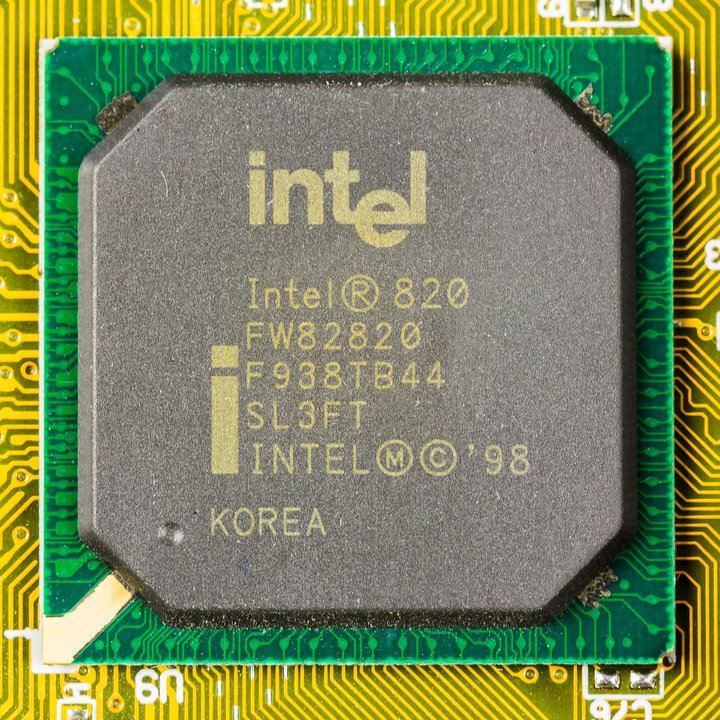
On 10 May 2000, Intel announced from Santa Clara that it would replace motherboards containing a defective Memory Translator Hub used with its Intel 820 chipset. The small bridge intended to ease a difficult memory transition had instead become the reason entire boards had to come back.
Intel had launched the 820 in November 1999 as its first desktop chipset for Direct Rambus DRAM. RDRAM promised high bandwidth, and the platform also brought features such as AGP 4X, but the memory was costly and uncommon enough that computer makers wanted to keep using familiar synchronous DRAM.
The Memory Translator Hub, or MTH, was Intel’s compromise. It translated between SDRAM and the 820’s Rambus-oriented interface, widening the chipset’s market while Intel tried to move the PC industry toward a new memory standard.
That bridge was the failure point. Intel said electrical noise under some conditions could cause resets, reboots, or hangs and, in extreme cases, data corruption; systems using RDRAM directly were not affected.
The good idea was real: faster memory channels mattered as processors accelerated, and a transition device could protect buyers from an abrupt platform break. The bad was deeper than one defective component, because the translator added complexity to a strategy already burdened by expensive memory, launch delays, and resistance from system builders.
Intel offered replacement motherboards and covered reasonable swap costs for affected owners. Its filings later put the total gross-margin impact at about $253 million, a striking price for a part designed to make adoption easier.
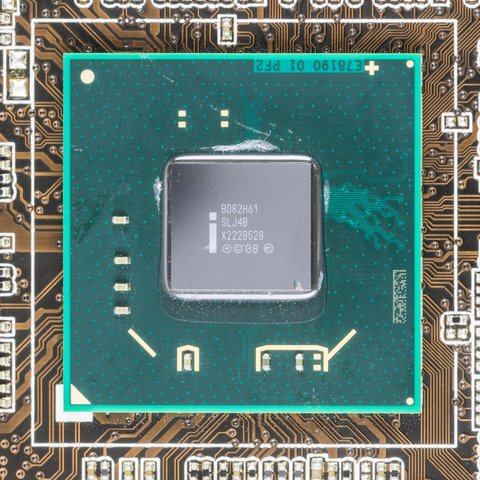
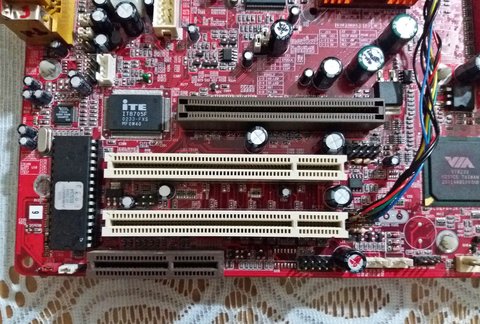
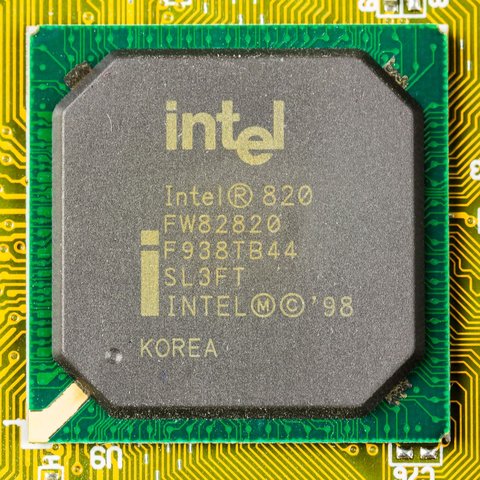
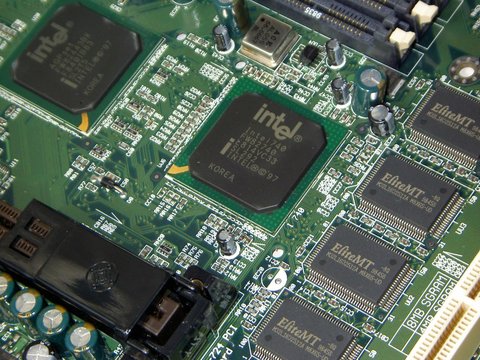
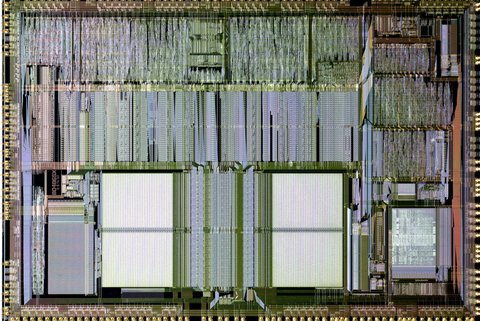
The photograph centers the FW82820 chip on an Asus P3C2000 motherboard, showing the chipset around which the compromise was built. It is not an image of a recalled board arriving at Intel, but it makes visible the platform whose memory architecture forced the translator into existence.
The 820 episode exposed a recurring weakness in platform power: Intel could set a direction for the PC ecosystem, yet it could not make price, compatibility, and electrical reality disappear. A feature meant to preserve choice instead demonstrated why transitions become fragile when one company’s preferred standard outruns what customers are ready to buy.
Photo: Raimond Spekking, CC BY-SA 4.0, via Wikimedia Commons














changes?
delete this memory?
We detected that you have a Blox in your crypto wallet! We will import the Blox into your account.
Click on done below to complete the import.
Welcome Back!
Sign in to preserve cherished moments
Don't have an account?
Welcome!!
Sign up and start preserving cherished moments
?
?







Choose your payment method
Buy with Metablox Credit
Do you want to mint Blox with Metablox Credit?
Which Crypto would you like to use?
Purchase Confirmed!
Your Blox is being minted on-chain and will appear in your profile shortly.
Log in or sign up to claim your Blox.
How many credits do you want to buy?
$100 USD = 1 Metablox Credit = 1 Blox.
Use Metablox Credit to mint any Blox you want on the map.
 expand_more