

Semiconductor History | Santa Clara, 8 June 1978 — The Last Two Digits That Became a Platform
· 1978-6
Personal memoryBy kevin · · updated · Report an issue




































































Find memories left by people near you.
Distribute Bounty
This will distribute the bounty equally among all qualifying memories. This action cannot be undone.
Cancel Bounty
Are you sure you want to cancel this bounty? The remaining amount will be refunded to your account.
Success!
Operation completed successfully.
Error
Something went wrong.
Semiconductor History | Santa Clara, 8 June 1978 — The Last Two Digits That Became a Platform
kevin
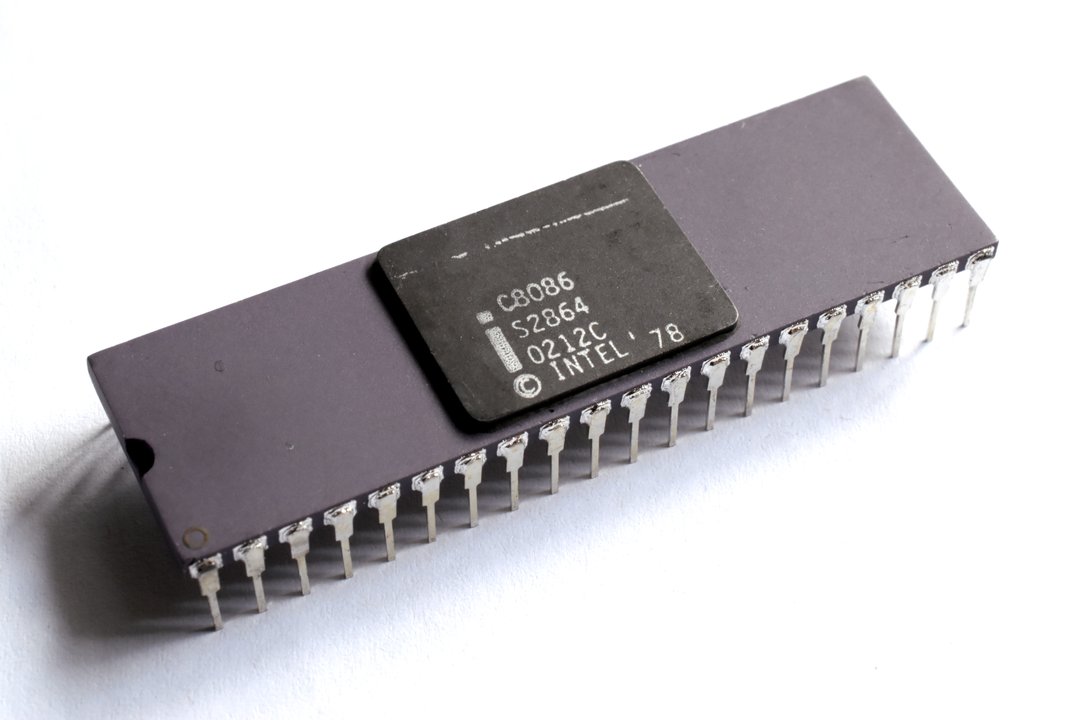
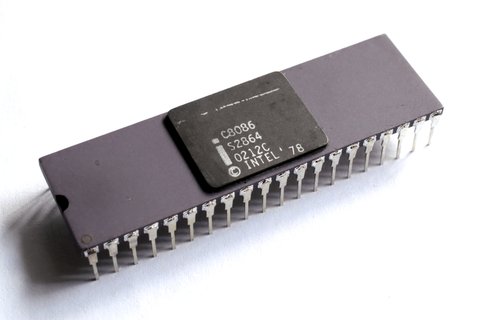
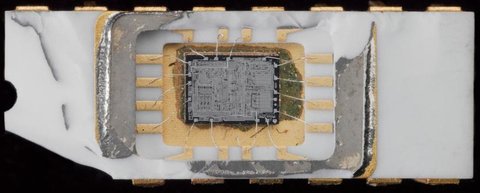
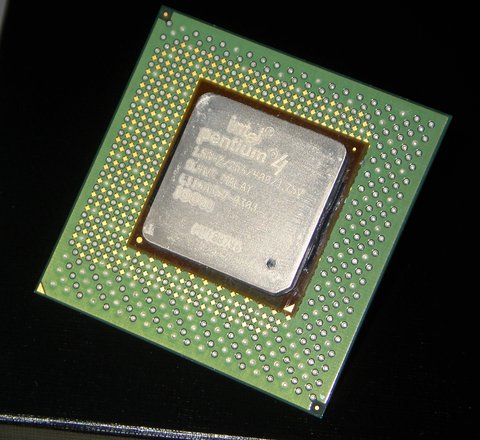
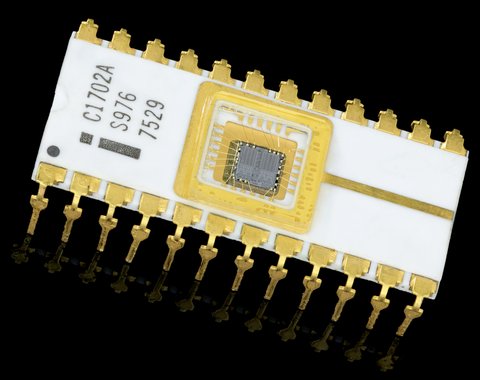
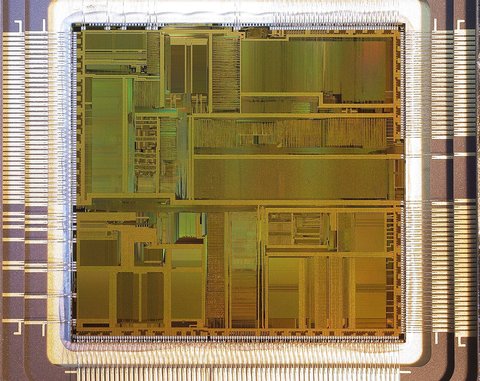
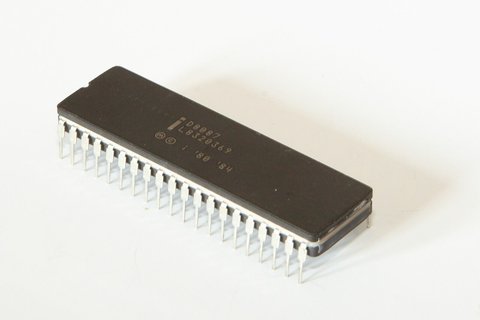
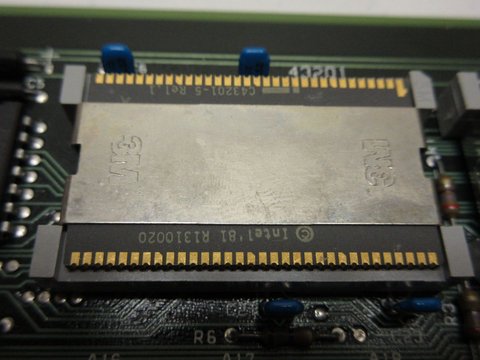
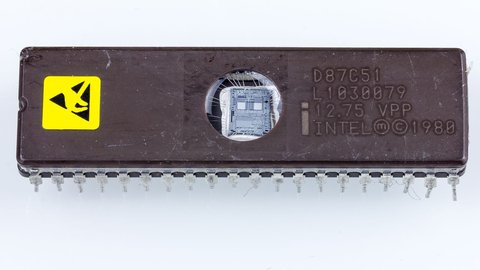
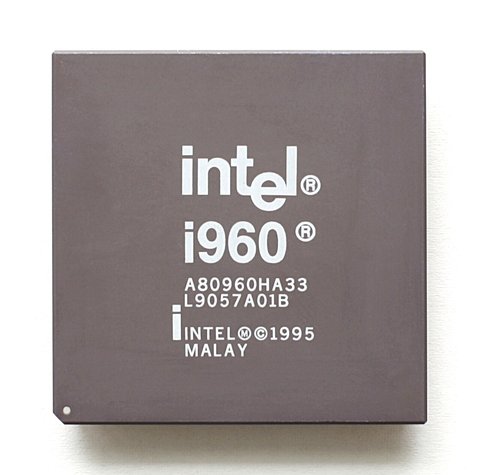
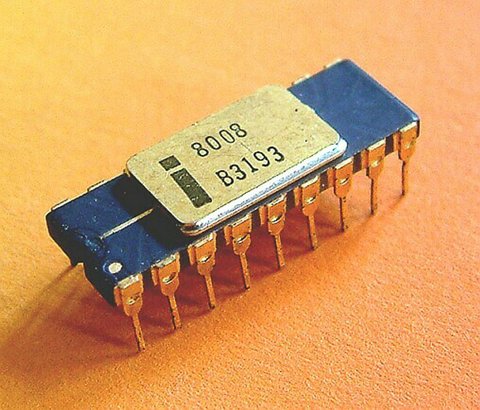
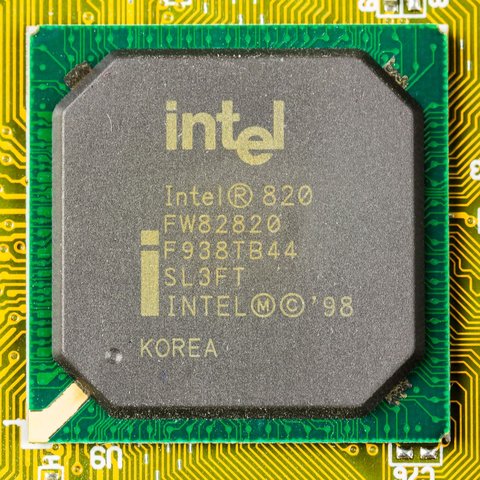
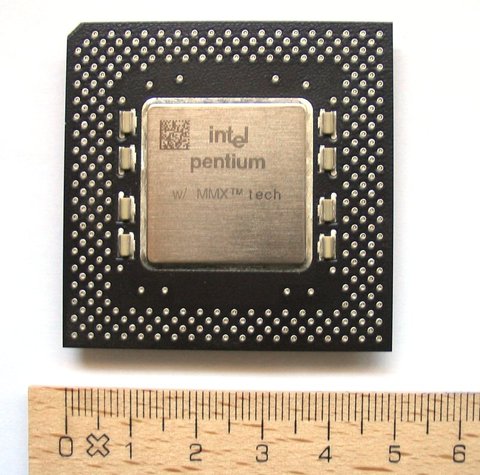
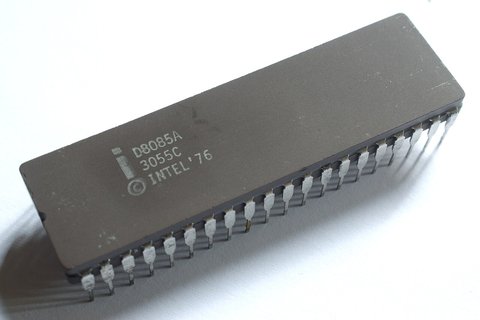
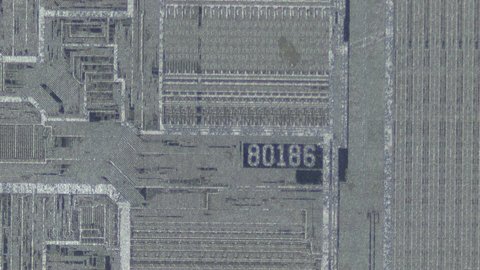
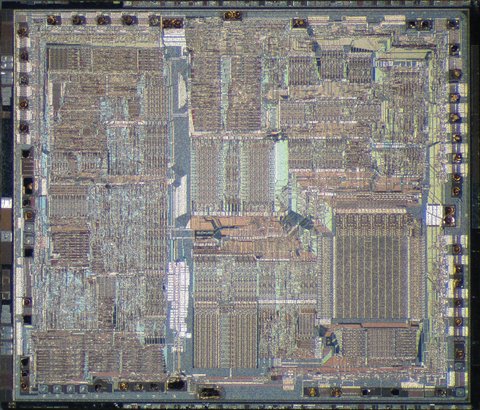
The package carries forty pins, the number 8086, and a copyright date of 1978.
Intel introduced the processor on 8 June that year after an eighteen-month project led architecturally by Stephen Morse. It was a 16-bit chip containing about 29,000 transistors, able to address one megabyte of memory through a segmented scheme that programmers would learn to admire, endure, and work around.
The design was evolutionary by intention.
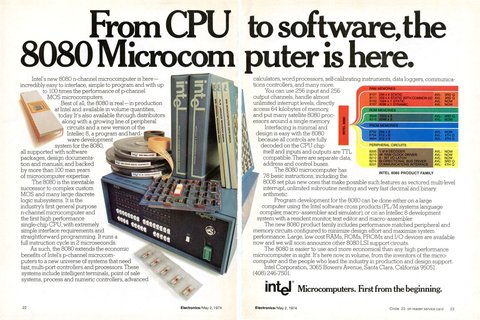
Intel needed a stronger 16-bit successor without forcing customers to abandon software written for its 8-bit processors, so the 8086 kept a route from the 8080 and 8085 while adding wider registers, a larger address space, and instructions chosen with compiled languages in mind.
The 8086 itself did not power the original IBM Personal Computer.
That machine used the 8088, a close relative with the same internal architecture and a narrower 8-bit external bus, which let IBM build around cheaper, familiar support parts. When the IBM PC appeared in August 1981, its open hardware design made the compatible clone possible, and compatibility increasingly meant running software written for Intel's instruction set.
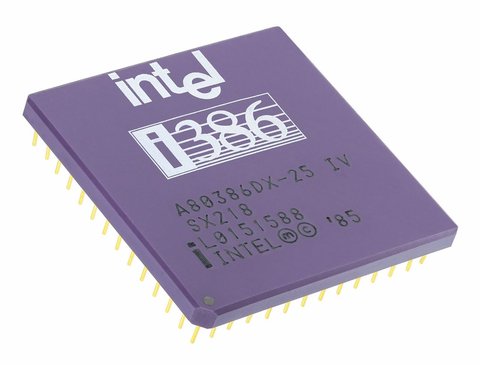
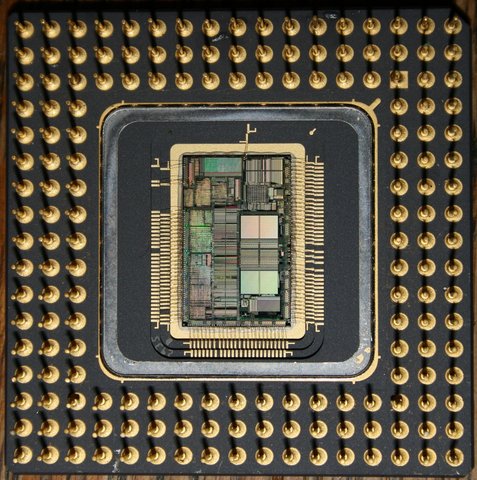
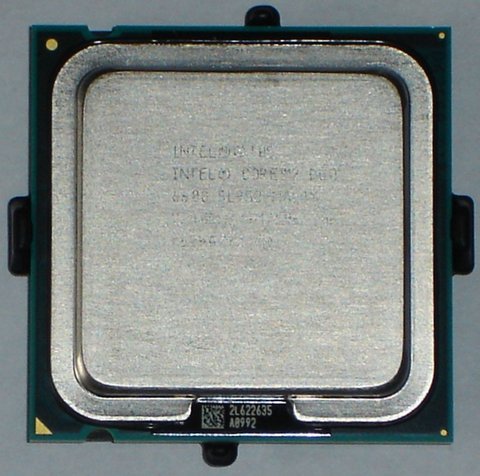
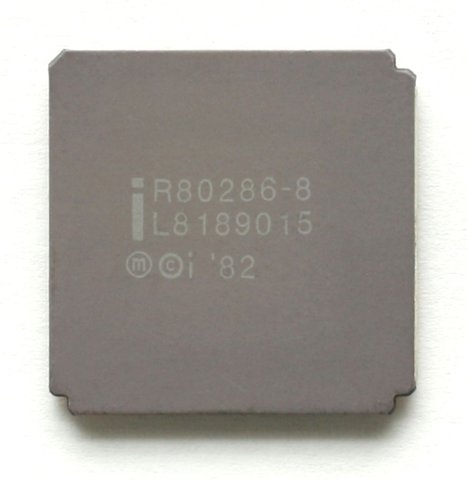
The last two digits supplied the family name: 286, 386, and 486 became x86, while Pentium kept the underlying lineage after Intel stopped naming processors with numbers alone. Success brought a burden as well as a franchise, because every new generation had to carry decades of old software with it.
Intel's later dominance was not contained inside this one package.
It came from the 8088 design win, IBM's architecture, Microsoft's operating systems, clone makers, fabrication, marketing, and the accumulation of software that made switching expensive. The chip started the chain; the industry locked the links together.
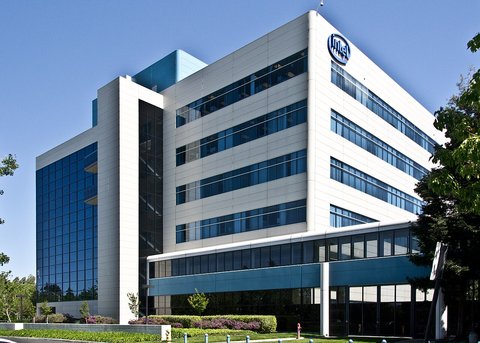
The pin is at Intel's Santa Clara headquarters and public museum, open on weekdays as of August 2026. The photographed C8086 is a surviving 5 MHz part, its date and model still legible on the lid.
Photo: Thomas Nguyen, CC BY-SA 4.0, via Wikimedia Commons.










changes?
delete this memory?
We detected that you have a Blox in your crypto wallet! We will import the Blox into your account.
Click on done below to complete the import.
Welcome Back!
Sign in to preserve cherished moments
Don't have an account?
Welcome!!
Sign up and start preserving cherished moments
?
?





Choose your payment method
Buy with Metablox Credit
Do you want to mint Blox with Metablox Credit?
Which Crypto would you like to use?
Purchase Confirmed!
Your Blox is being minted on-chain and will appear in your profile shortly.
Log in or sign up to claim your Blox.
How many credits do you want to buy?
$100 USD = 1 Metablox Credit = 1 Blox.
Use Metablox Credit to mint any Blox you want on the map.
 expand_more