


Semiconductor History | Santa Clara Convention Center, 5 April 1988 — Intel’s Quiet RISC Chip Finds Work Outside the PC
· 1988-4
Personal memoryBy kevin · · Report an issue












































































Find memories left by people near you.
Distribute Bounty
This will distribute the bounty equally among all qualifying memories. This action cannot be undone.
Cancel Bounty
Are you sure you want to cancel this bounty? The remaining amount will be refunded to your account.
Success!
Operation completed successfully.
Error
Something went wrong.
Semiconductor History | Santa Clara Convention Center, 5 April 1988 — Intel’s Quiet RISC Chip Finds Work Outside the PC
kevin
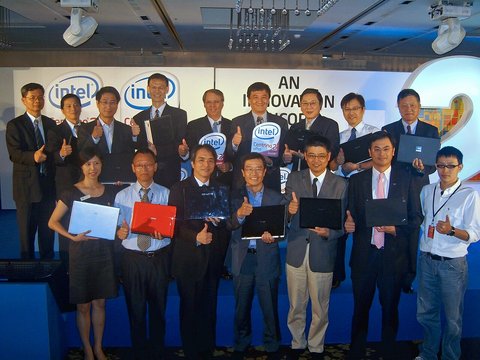
On 5 April 1988, Intel gathered more than 550 journalists, customers, and analysts at the Santa Clara Convention Center for an unusually theatrical launch. The company called it the “Big Bang”: sixteen products announced together, including Intel’s first commercial reduced-instruction-set processors, the 32-bit i960 family.
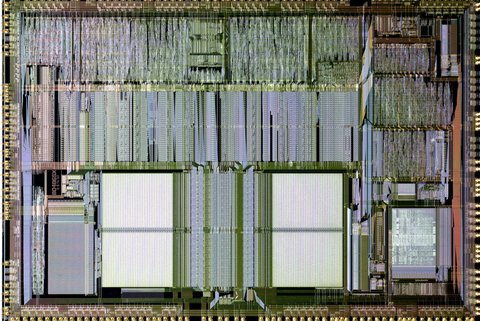
The i960 grew from ambitious ideas about capability-based computing and fault-tolerant systems, but Intel sold the resulting chips on practical merits. A streamlined instruction set, a large register file, and variants ranging from embedded controllers to higher-performance superscalar designs gave equipment makers a processor that did not have to carry the compatibility burden of x86.
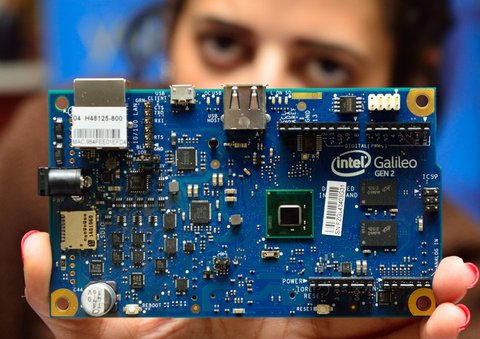
That freedom was the good part of the story. Across the 1990s, i960 processors found durable work inside laser and inkjet printers, storage controllers, RAID systems, network switches, routers, and military or industrial equipment—machines whose users rarely knew an Intel CPU was present.
The same invisibility also marked the limit. Intel never built a mass personal-computing ecosystem around i960, while rival RISC families and increasingly capable commodity processors crowded the embedded market; even Intel’s own x86 business commanded far greater software investment and corporate attention.
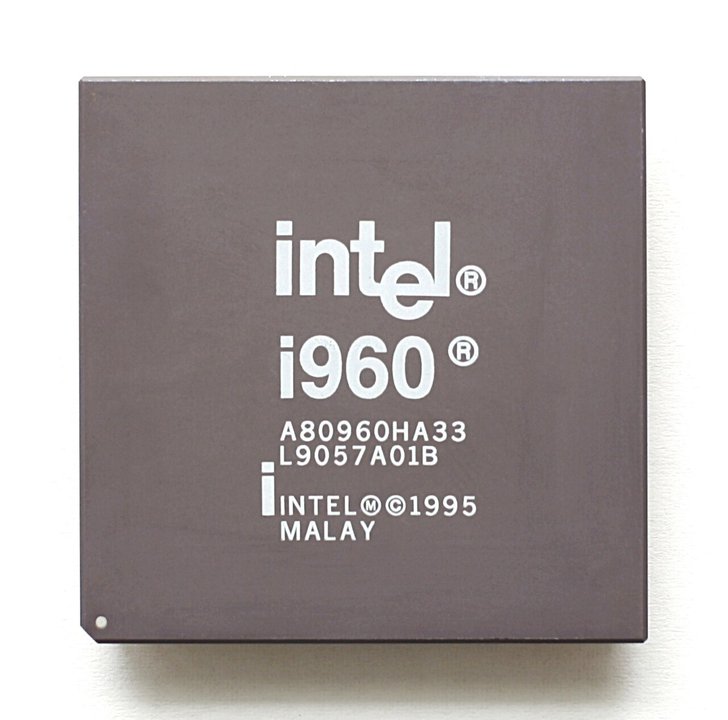
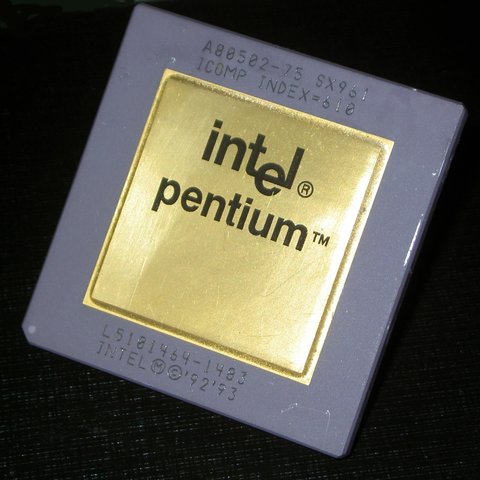
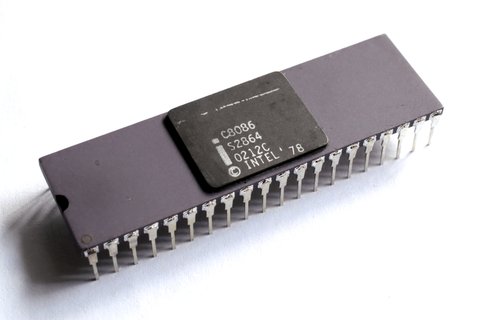
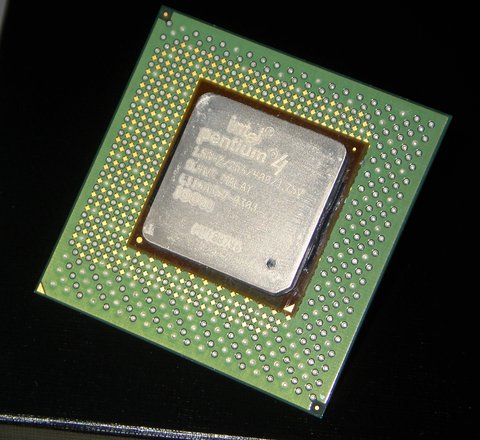
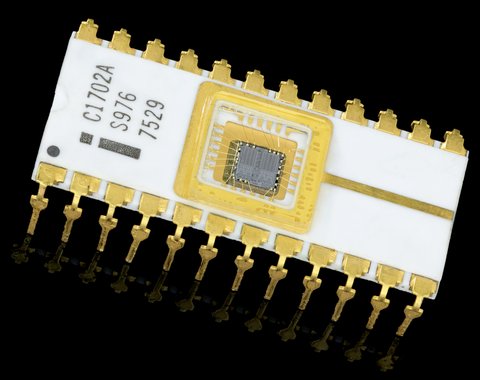
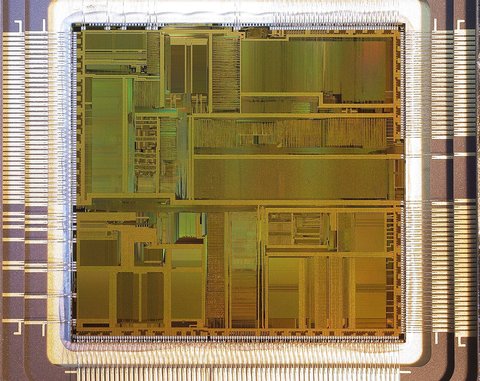
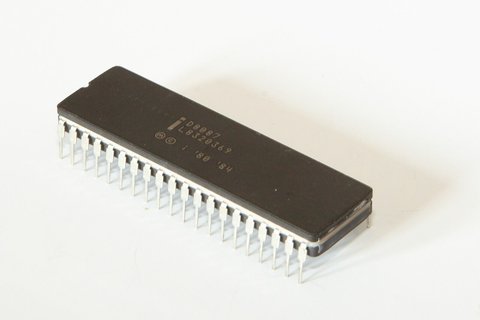
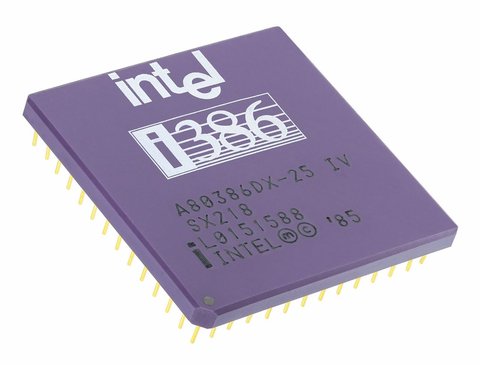
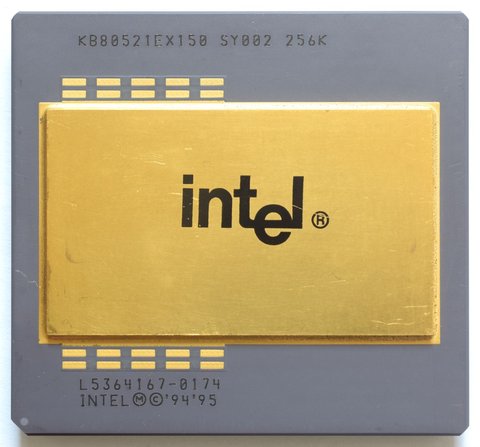
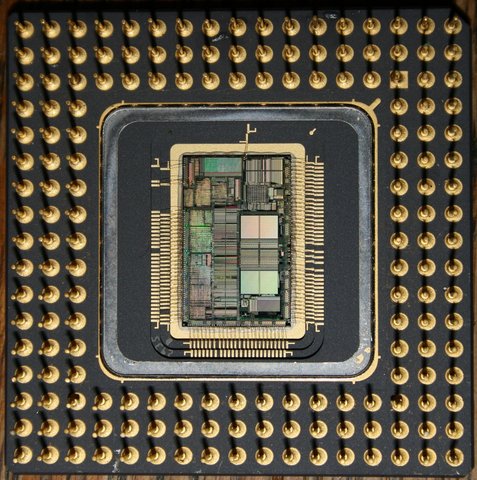
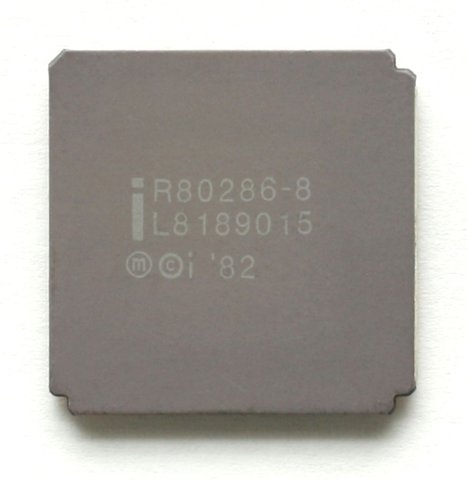
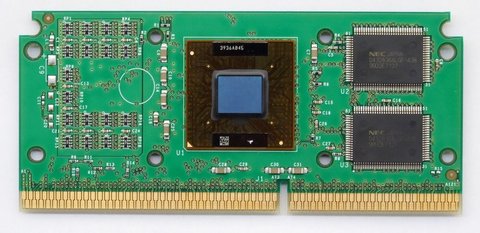
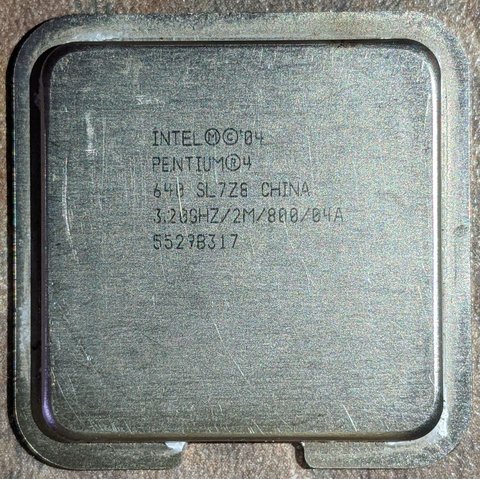
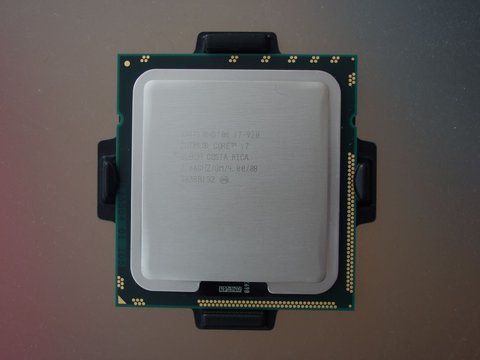
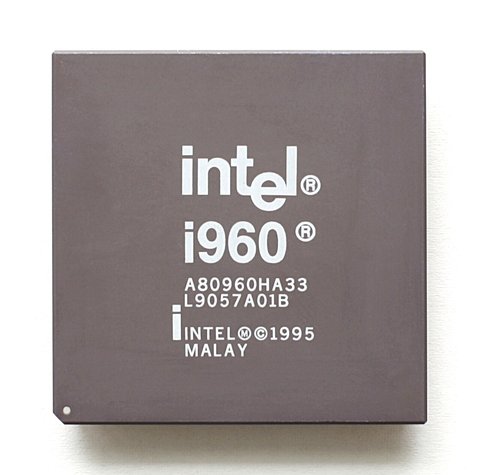
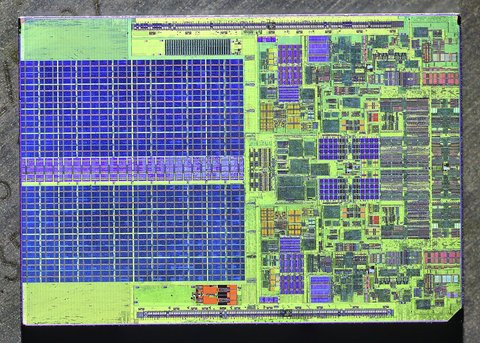
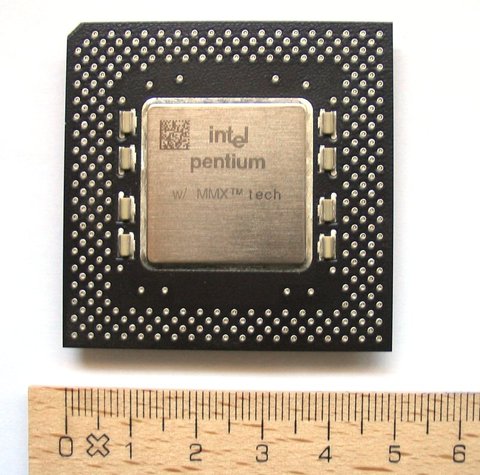
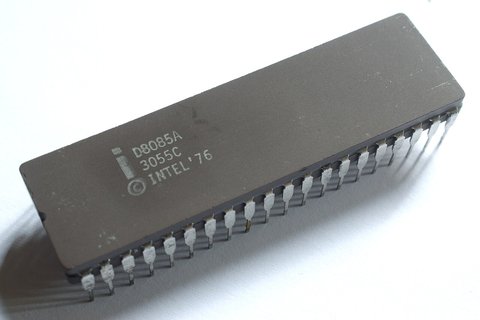
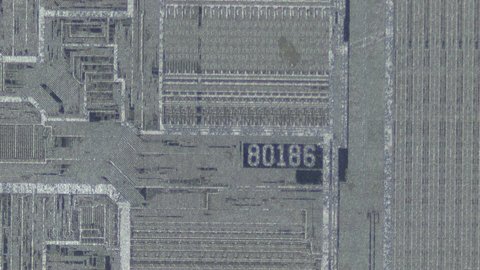
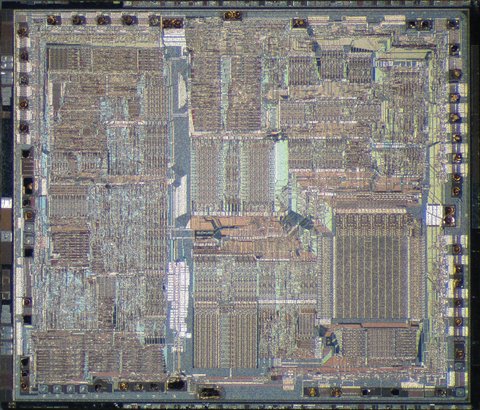
The photographed device is a later A80960HA33 package dated 1995, not one of the first 1988 parts. It represents how the family evolved after launch: a technically respected architecture serving specialized systems while Pentium became the public face of Intel.
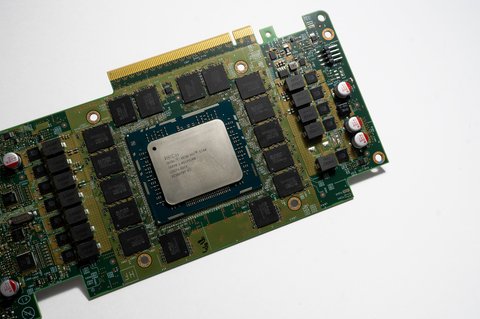
Intel eventually folded i960 expertise into its I/O and storage-controller businesses, including products associated with the ICP vortex acquisition. A 2006 discontinuance notice described more than fifteen years of i960 production and set final shipments for September 2007, closing a long commercial life that was successful without ever becoming famous.
The convention-center pin marks the documented launch venue. The lesson is easy to miss in a PC-centered history: Intel’s engineering reach was broader than x86, but technical quality alone did not decide which architecture received the company’s deepest ecosystem commitment.
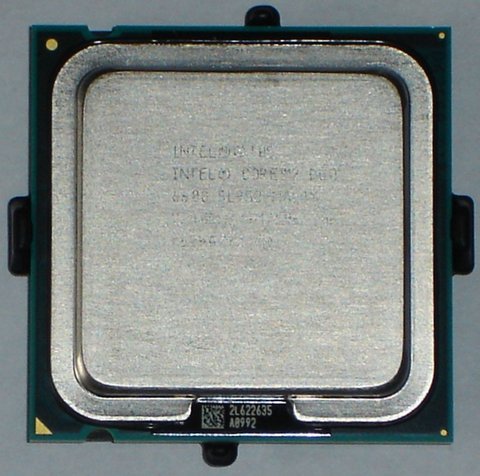
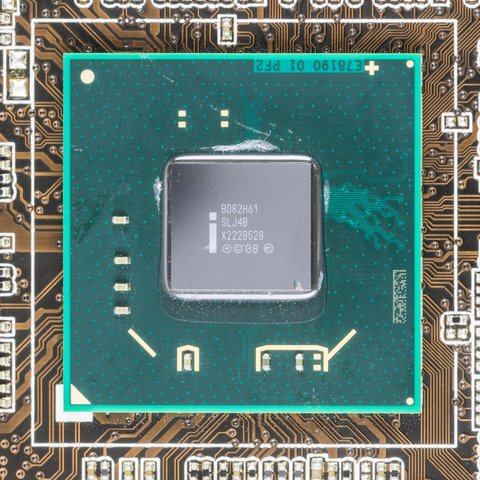
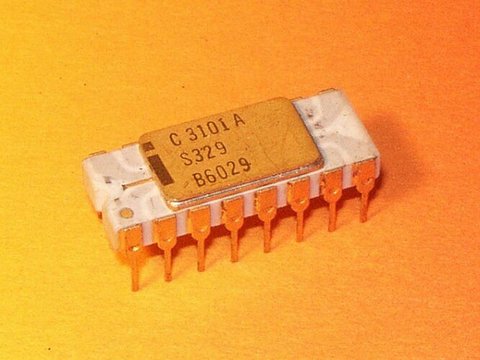
Photo: Konstantin Lanzet, CC BY 3.0, via Wikimedia Commons














changes?
delete this memory?
We detected that you have a Blox in your crypto wallet! We will import the Blox into your account.
Click on done below to complete the import.
Welcome Back!
Sign in to preserve cherished moments
Don't have an account?
Welcome!!
Sign up and start preserving cherished moments
?
?






Choose your payment method
Buy with Metablox Credit
Do you want to mint Blox with Metablox Credit?
Which Crypto would you like to use?
Purchase Confirmed!
Your Blox is being minted on-chain and will appear in your profile shortly.
Log in or sign up to claim your Blox.
How many credits do you want to buy?
$100 USD = 1 Metablox Credit = 1 Blox.
Use Metablox Credit to mint any Blox you want on the map.
 expand_more