


Semiconductor History | San Jose McEnery Convention Center, 20 January 1999 — Intel's Security Number Became a Privacy Revolt
· 1999-1
Personal memoryBy kevin · · updated · Report an issue











































































Find memories left by people near you.
Distribute Bounty
This will distribute the bounty equally among all qualifying memories. This action cannot be undone.
Cancel Bounty
Are you sure you want to cancel this bounty? The remaining amount will be refunded to your account.
Success!
Operation completed successfully.
Error
Something went wrong.
Semiconductor History | San Jose McEnery Convention Center, 20 January 1999 — Intel's Security Number Became a Privacy Revolt
kevin
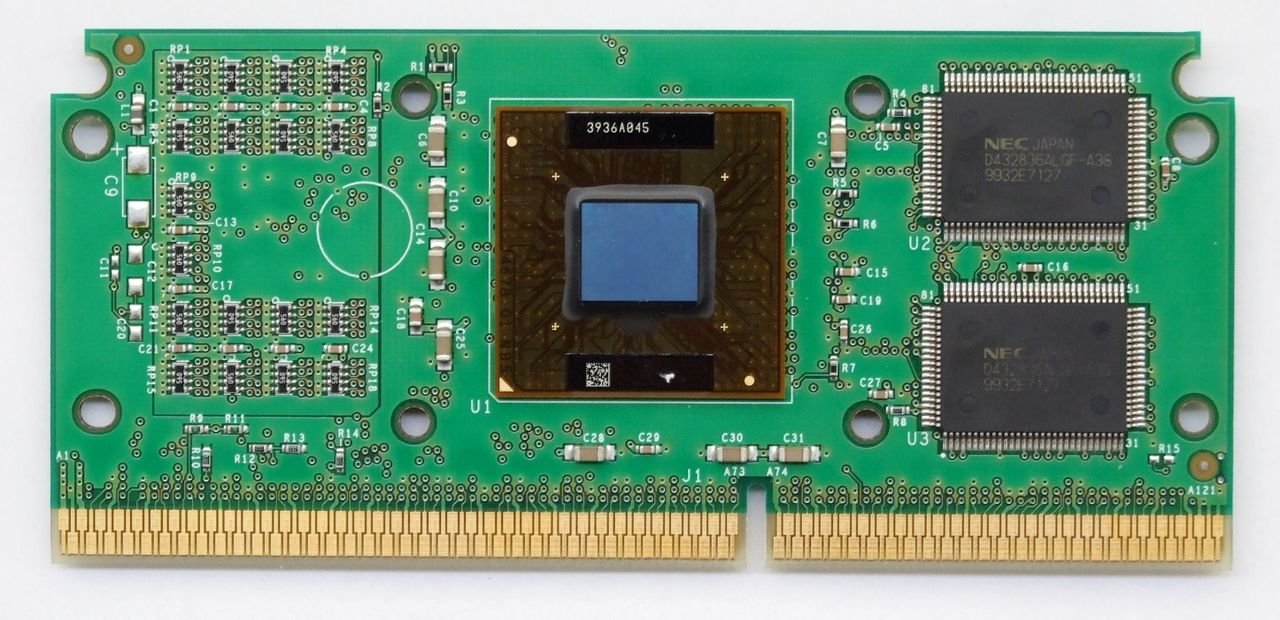
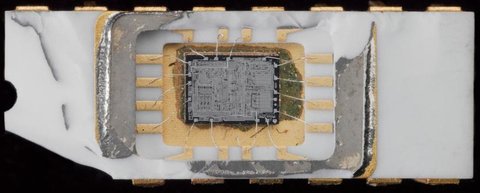
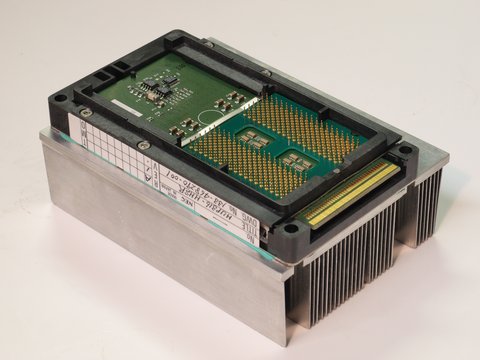
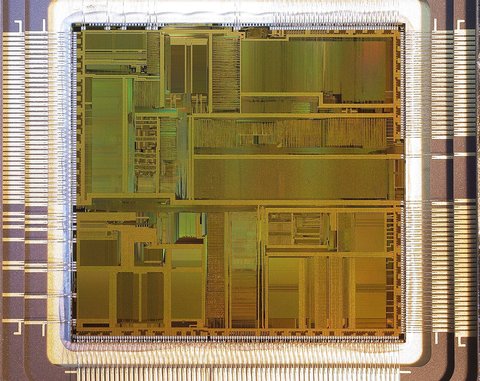
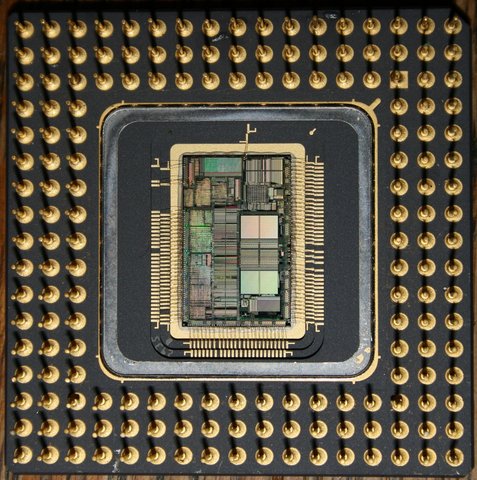
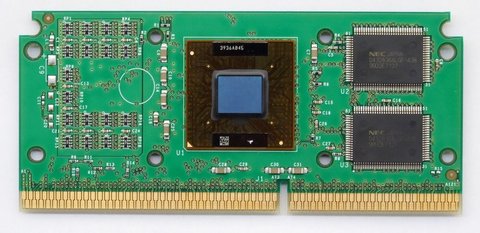
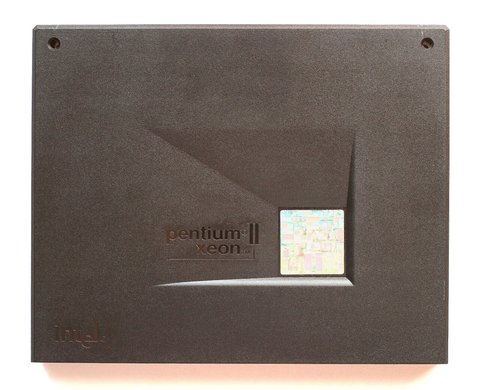
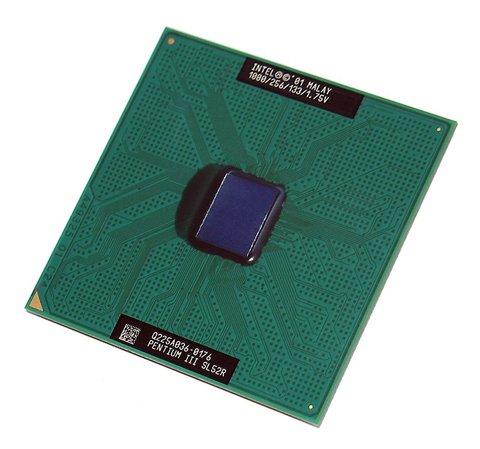
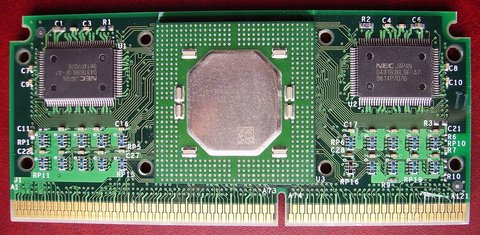
This exposed Slot 1 card shows a Katmai-generation Pentium III, with the processor die between the two external cache chips that helped make the package so distinctive.
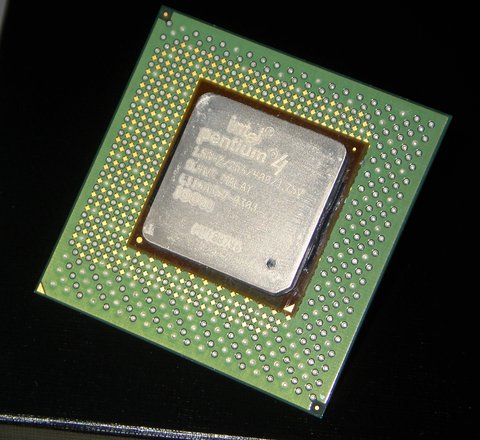
At the RSA Data Security Conference in San Jose on 20 January 1999, Intel disclosed a different feature inside the coming processor: a unique, readable 96-bit processor serial number. The Pentium III itself reached the market on 26 February at 450 and 500 megahertz.
Intel presented the number as a security and administration tool.
With the owner's permission, software could use a stable hardware identifier for managed business computers, authenticated transactions, or access to online services. Administrators responsible for thousands of machines had a legitimate reason to want a durable inventory tag that did not disappear when a disk was reformatted.
Privacy groups saw the same permanence from the opposite direction.
The Electronic Privacy Information Center, Junkbusters, and Privacy International called for a boycott, arguing that websites and software could turn the serial number into a cross-service tracking label. The concern was not that the number exposed a person's name by itself, but that a fixed identifier could connect activities that users expected to keep separate.
Intel changed course within days.
On 25 January it said the serial number would ship disabled by default, while retaining a software control that could enable it. Critics answered that software controls could be misunderstood, changed, or bypassed, and the Center for Democracy and Technology filed a Federal Trade Commission complaint on the Pentium III's launch day.
The episode showed both sides of hardware identity before web tracking became ordinary.
A processor-level identifier could reduce support costs and strengthen tightly managed systems, yet it also shifted control toward whoever could query the machine. Intel treated user choice as the safeguard; its opponents focused on how little visibility ordinary users had into software requests and how difficult a permanent number would be to replace.
The pin marks the McEnery Convention Center, the RSA conference venue where Intel announced the feature. The building remains a public events facility, although access depends on the event schedule.
Photo: Appaloosa, CC BY-SA 3.0, via Wikimedia Commons.














changes?
delete this memory?
We detected that you have a Blox in your crypto wallet! We will import the Blox into your account.
Click on done below to complete the import.
Welcome Back!
Sign in to preserve cherished moments
Don't have an account?
Welcome!!
Sign up and start preserving cherished moments
?
?






Choose your payment method
Buy with Metablox Credit
Do you want to mint Blox with Metablox Credit?
Which Crypto would you like to use?
Purchase Confirmed!
Your Blox is being minted on-chain and will appear in your profile shortly.
Log in or sign up to claim your Blox.
How many credits do you want to buy?
$100 USD = 1 Metablox Credit = 1 Blox.
Use Metablox Credit to mint any Blox you want on the map.
 expand_more