


Semiconductor History | Intel Headquarters, 17 November 2008 — Nehalem Ended the Front-Side-Bus Era
· 2008-11
Personal memoryBy kevin · · updated · Report an issue





































































Find memories left by people near you.
Distribute Bounty
This will distribute the bounty equally among all qualifying memories. This action cannot be undone.
Cancel Bounty
Are you sure you want to cancel this bounty? The remaining amount will be refunded to your account.
Success!
Operation completed successfully.
Error
Something went wrong.
Semiconductor History | Intel Headquarters, 17 November 2008 — Nehalem Ended the Front-Side-Bus Era
kevin
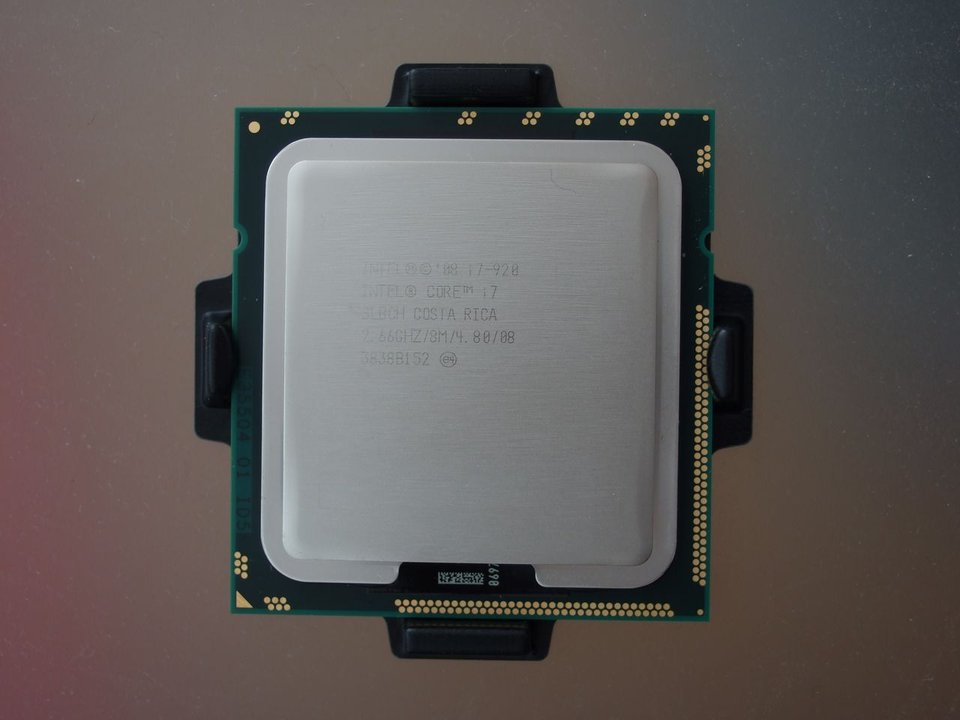
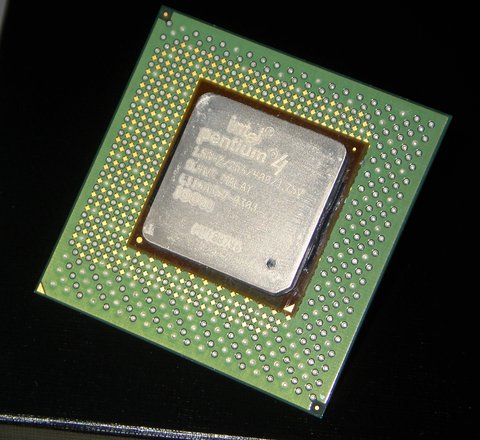
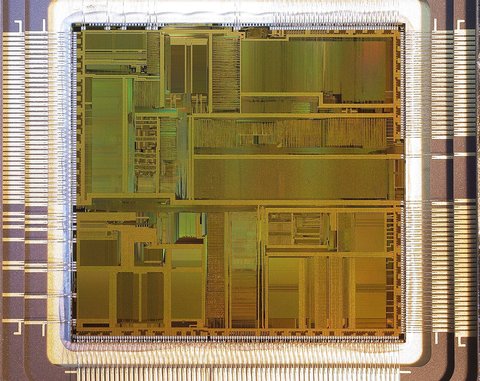
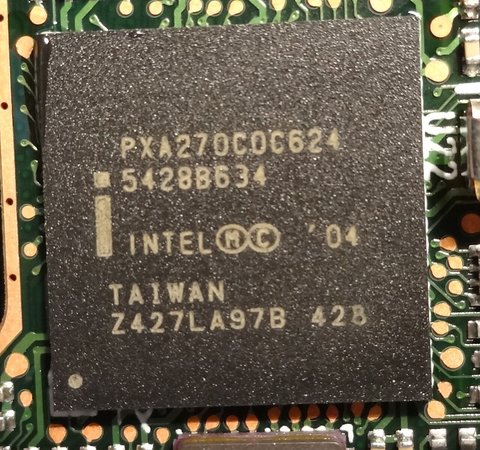
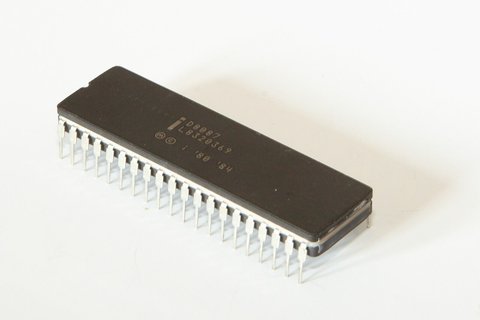
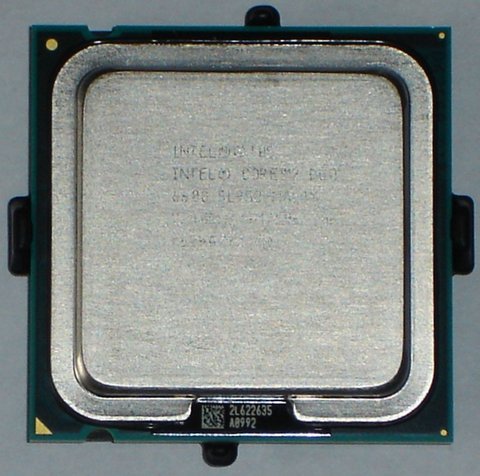
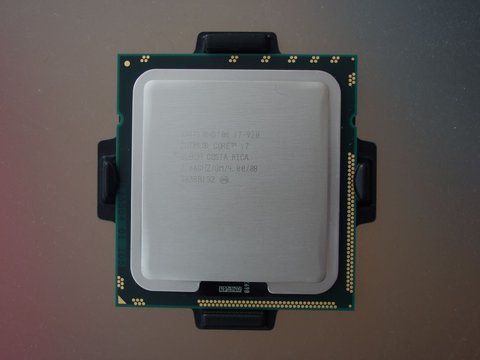
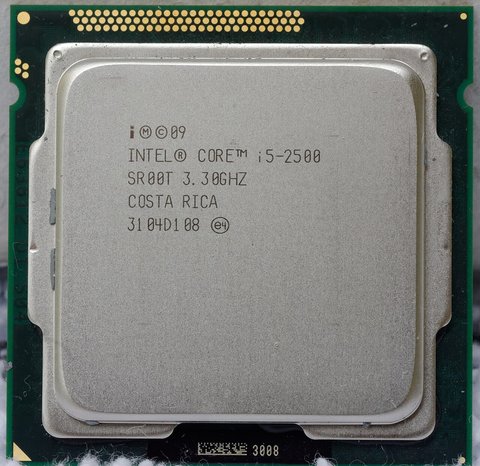
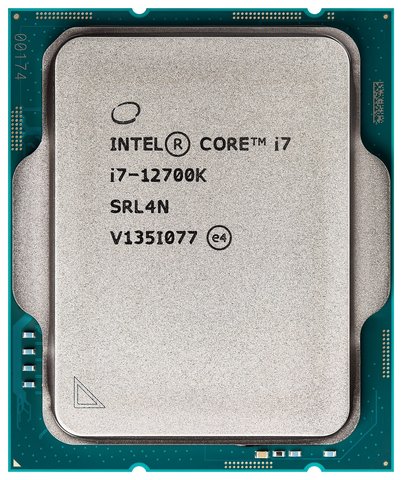
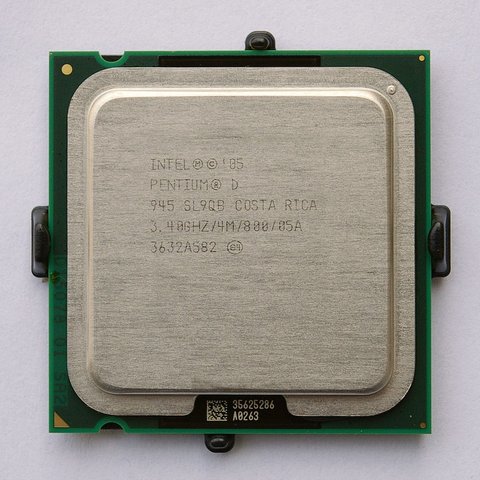
The markings on this processor identify a Core i7-920, the least expensive of Intel's first three Nehalem desktop models at a list price of $284 in thousand-unit quantities.
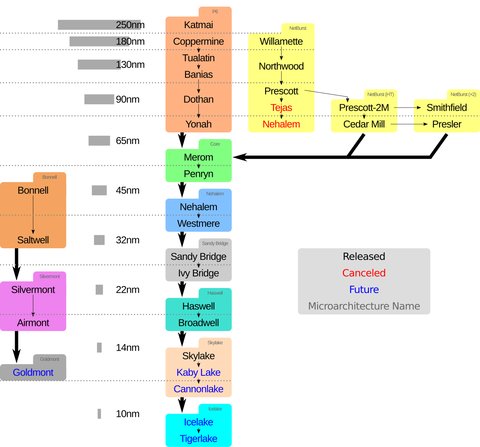
Intel introduced the Core i7 line on 17 November 2008. The 920, 940, and 965 Extreme Edition combined four cores with Hyper-Threading, an eight-megabyte shared level-three cache, and a 45-nanometre manufacturing process.
The architectural break sat around the cores.
Earlier high-end Intel desktops reached memory through a chipset and a shared front-side bus. Nehalem put a three-channel DDR3 memory controller on the processor and used QuickPath Interconnect for high-speed links, more than doubling memory bandwidth against Intel's preceding Extreme platform in the company's launch measurements.
Turbo Boost added another practical change.
An on-chip power-control unit could raise the clock speed of active cores when temperature, current, and power limits allowed it. Hyper-Threading, absent from the Core 2 generation, returned so that the four physical cores could present eight software threads.
The gains required a new platform.
First-generation Core i7 buyers needed an LGA1366 motherboard with Intel's X58 chipset and DDR3 memory commonly installed in sets of three. The flagship 965 cost $999, and even the cheaper 920 sat inside a high-end system whose board and memory could make an upgrade much more expensive than the processor price suggested.
That segmentation limited the initial audience, but the design direction lasted.
Integrating memory control reduced a bottleneck that had become harder to manage as core counts rose, while QuickPath replaced one shared bus with dedicated links suited to multicore and multiprocessor systems. Later, less expensive Nehalem variants brought parts of the architecture to broader markets with different sockets and channel counts.
Nehalem was therefore both a performance advance and a platform reset. Intel delivered much higher data throughput and finer power control, but customers paid through new boards, new memory arrangements, and sharply tiered products.
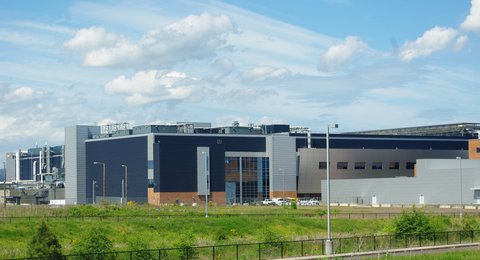
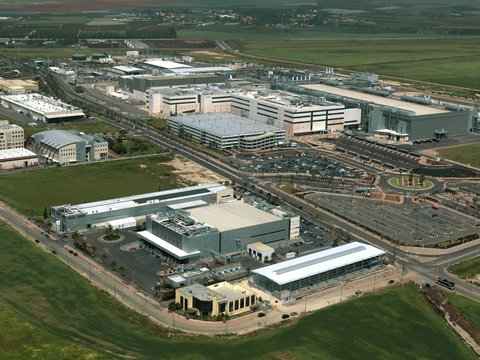
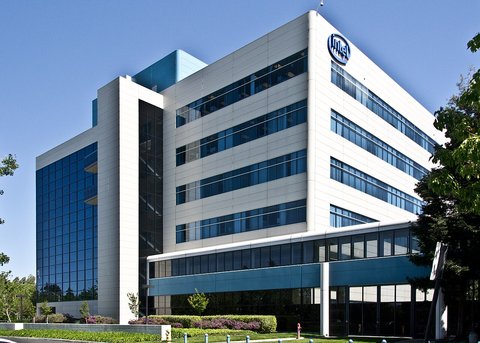
The pin marks Intel's Santa Clara headquarters, the dateline of the official Core i7 launch announcement. The public Intel Museum is located on the campus; surrounding offices are private working areas.
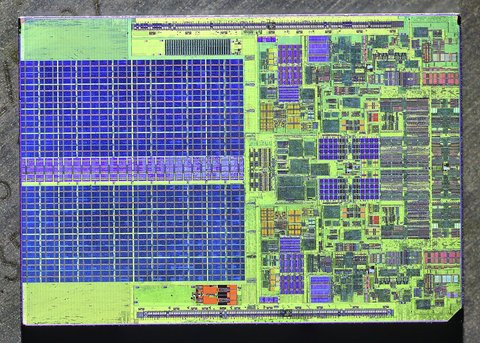
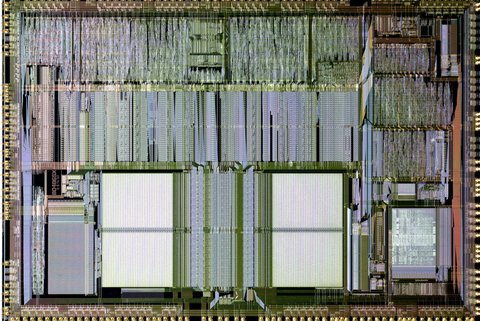
Photo: Fritzchens Fritz, CC0 1.0, via Wikimedia Commons.









changes?
delete this memory?
We detected that you have a Blox in your crypto wallet! We will import the Blox into your account.
Click on done below to complete the import.
Welcome Back!
Sign in to preserve cherished moments
Don't have an account?
Welcome!!
Sign up and start preserving cherished moments
?
?





Choose your payment method
Buy with Metablox Credit
Do you want to mint Blox with Metablox Credit?
Which Crypto would you like to use?
Purchase Confirmed!
Your Blox is being minted on-chain and will appear in your profile shortly.
Log in or sign up to claim your Blox.
How many credits do you want to buy?
$100 USD = 1 Metablox Credit = 1 Blox.
Use Metablox Credit to mint any Blox you want on the map.
 expand_more