


Semiconductor History | Apple Park, 22 June 2020 — The Mac Leaves Intel's Architecture Behind
· 2020-6
Personal memoryBy kevin · · updated · Report an issue














































































Find memories left by people near you.
Distribute Bounty
This will distribute the bounty equally among all qualifying memories. This action cannot be undone.
Cancel Bounty
Are you sure you want to cancel this bounty? The remaining amount will be refunded to your account.
Success!
Operation completed successfully.
Error
Something went wrong.
Semiconductor History | Apple Park, 22 June 2020 — The Mac Leaves Intel's Architecture Behind
kevin
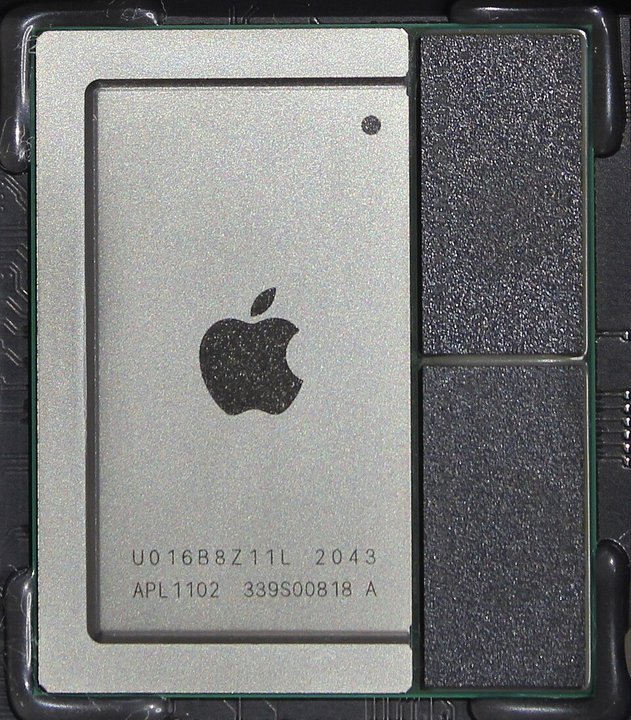
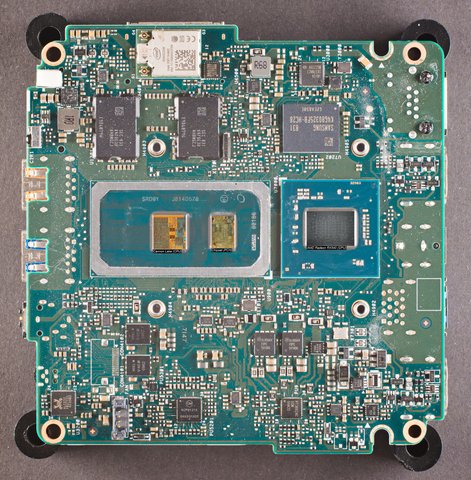
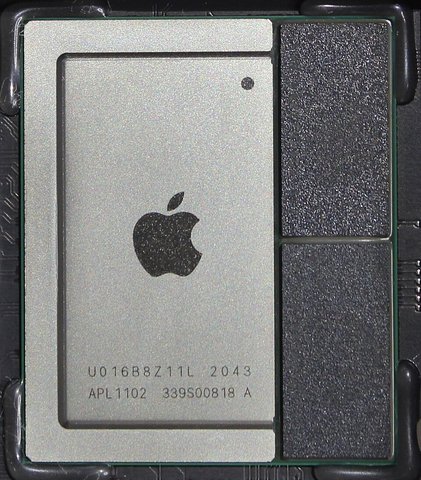
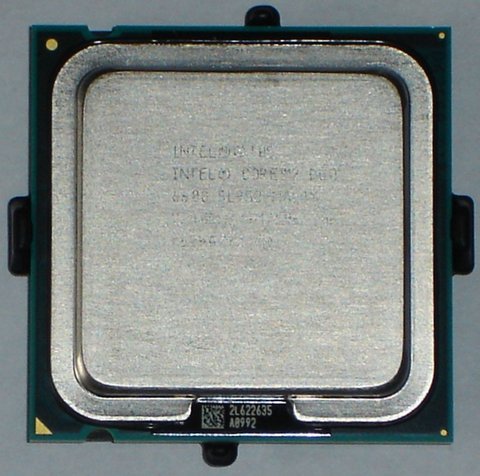
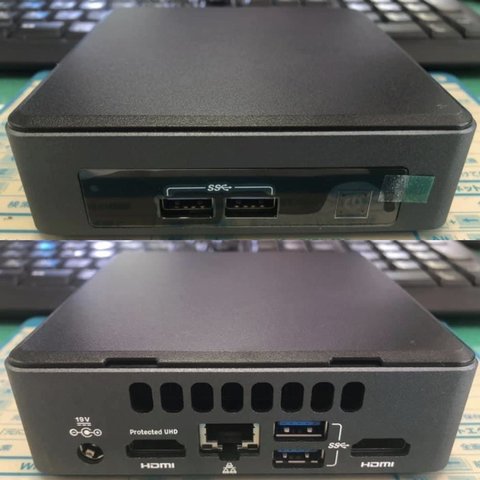
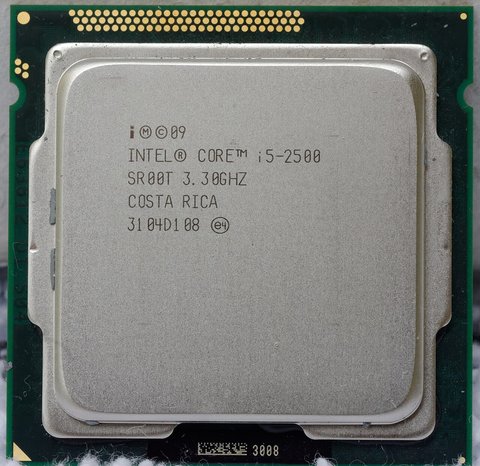
The silver package in this Mac mini carries an Apple logo rather than the Intel name that had appeared inside Macs for the previous era.
On 22 June 2020, Apple streamed its Worldwide Developers Conference keynote from Apple Park and announced that future Macs would move to Apple-designed silicon. The company planned the first systems for that year and described a transition lasting about two years.
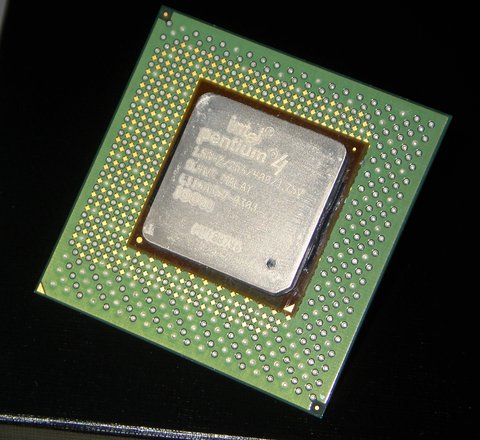
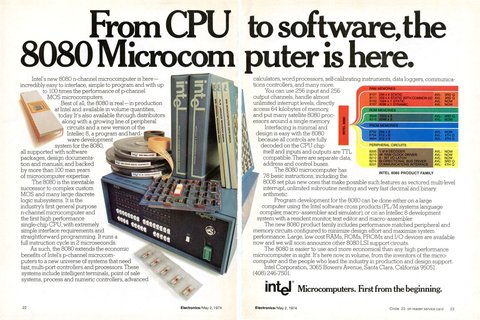
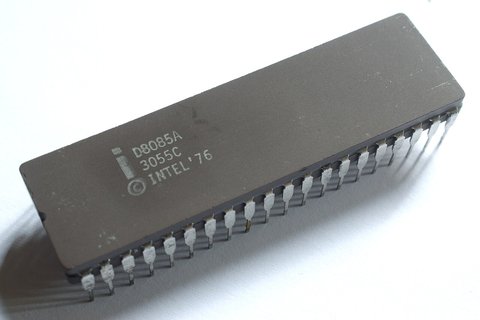
Intel had helped Apple leave PowerPC and build faster, more widely compatible computers.
The relationship also exposed the limit of being a component supplier to a company that controls its hardware and operating system. Apple wanted one architecture across the iPhone, iPad, and Mac, with processor roadmaps shaped around its own products rather than Intel's broader PC market.
The transition required an ecosystem project extending far beyond the chip.
Apple introduced Universal 2 applications that could contain code for both architectures and Rosetta 2 to translate existing Intel software. Developers received tools before customers received the first Apple-silicon Macs, reducing the compatibility shock that had hurt other architecture changes.
The loss was larger than Apple's share of Intel's sales suggested.
Macs were visible premium computers, and their departure demonstrated that Arm-based designs could move from phones into mainstream personal computing. It also removed a customer able to influence public expectations for notebook performance, battery life, and product cadence.
Apple carried risks too.
It assumed responsibility for processor execution, software migration, and future compatibility, while users with specialized Intel applications faced uncertainty. The M1 systems released later in 2020 made the strategy credible by combining CPU, graphics, memory interfaces, and other functions in one Apple-designed system on a chip.
The photograph shows an M1 on a 2020 Mac mini logic board, the later hardware result of the June announcement. Its package made concrete the strategy filmed across Apple Park five months earlier.
The pin is at the public Apple Park Visitor Center on North Tantau Avenue, whose roof terrace overlooks the private campus. From there, a visitor can see the building from which Apple told the PC industry it no longer needed Intel at the center of a Mac.
Photo: Sonic8400, CC BY-SA 4.0, via Wikimedia Commons.
















changes?
delete this memory?
We detected that you have a Blox in your crypto wallet! We will import the Blox into your account.
Click on done below to complete the import.
Welcome Back!
Sign in to preserve cherished moments
Don't have an account?
Welcome!!
Sign up and start preserving cherished moments
?
?







Choose your payment method
Buy with Metablox Credit
Do you want to mint Blox with Metablox Credit?
Which Crypto would you like to use?
Purchase Confirmed!
Your Blox is being minted on-chain and will appear in your profile shortly.
Log in or sign up to claim your Blox.
How many credits do you want to buy?
$100 USD = 1 Metablox Credit = 1 Blox.
Use Metablox Credit to mint any Blox you want on the map.
 expand_more