


Semiconductor History | Intel Chandler, 1980 — The 8-Bit Controller That Refused to Disappear
· 1980
Personal memoryBy kevin · · Report an issue




































































Find memories left by people near you.
Distribute Bounty
This will distribute the bounty equally among all qualifying memories. This action cannot be undone.
Cancel Bounty
Are you sure you want to cancel this bounty? The remaining amount will be refunded to your account.
Success!
Operation completed successfully.
Error
Something went wrong.
Semiconductor History | Intel Chandler, 1980 — The 8-Bit Controller That Refused to Disappear
kevin
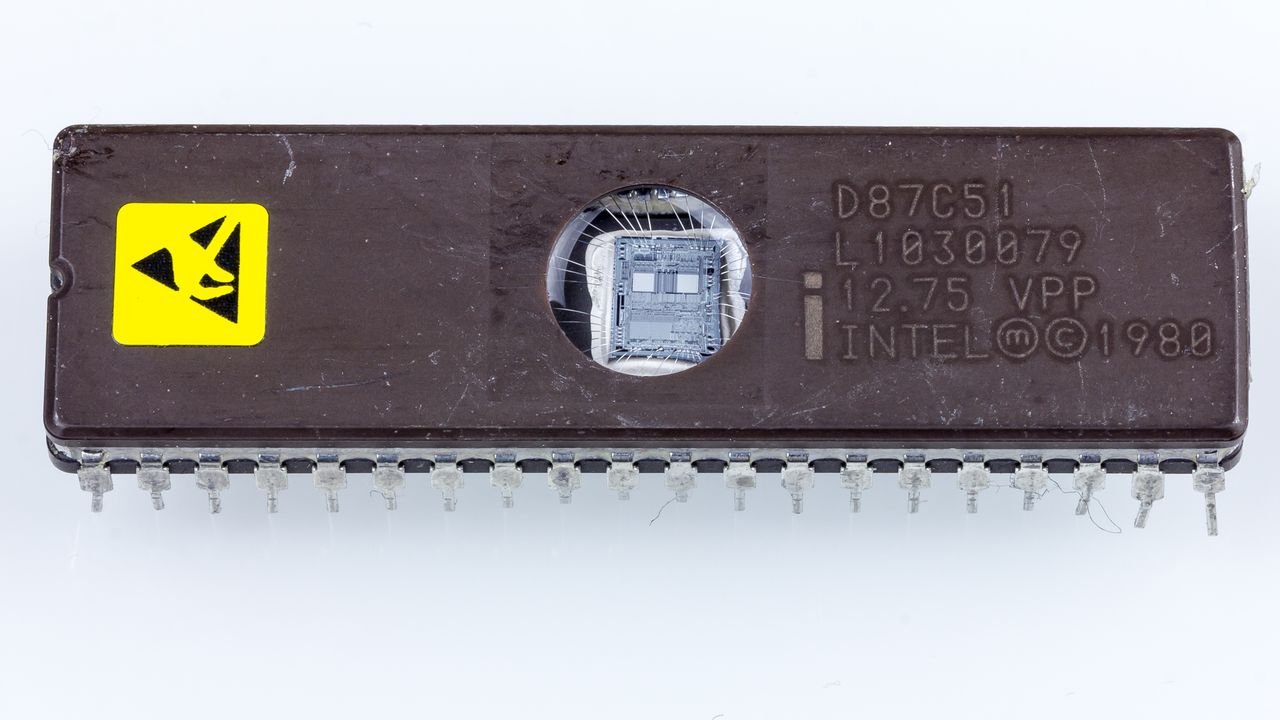
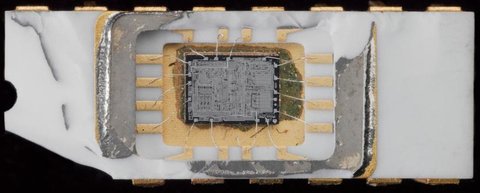
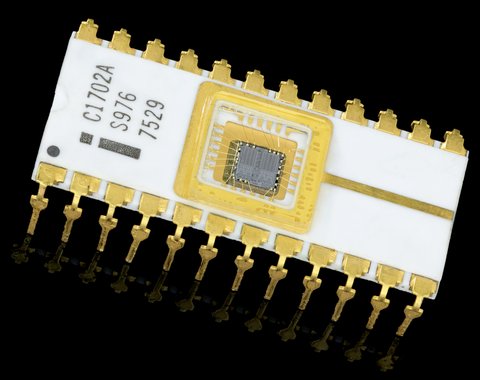
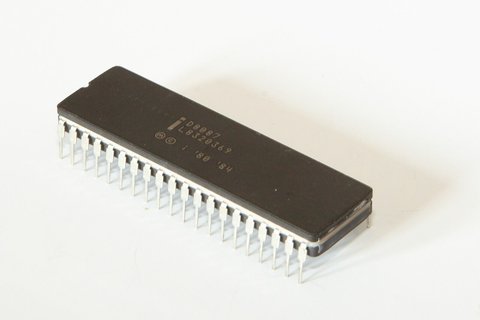
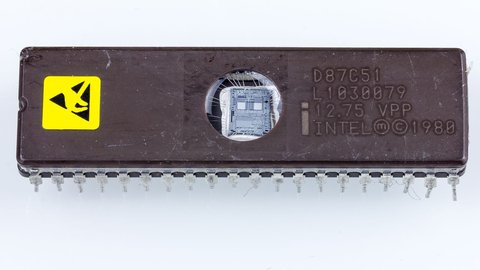
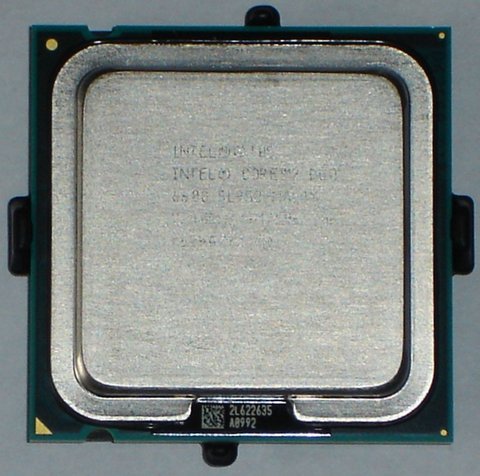
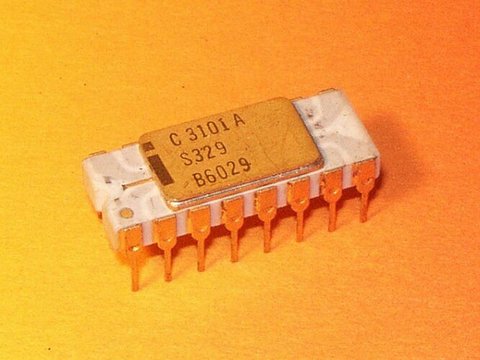
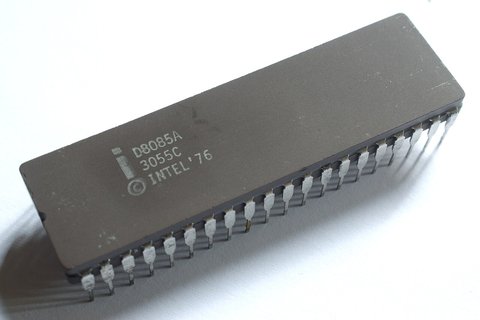
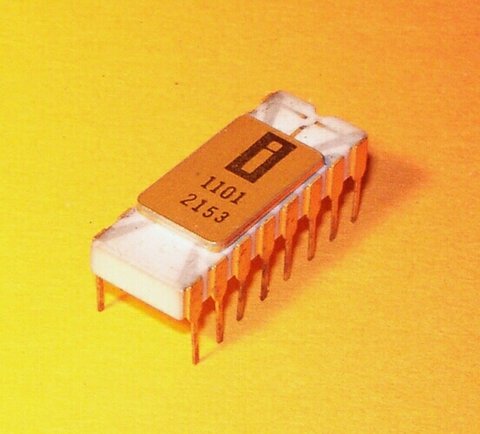
The quartz window in this D87C51 package exposes a tiny memory and logic die, while the ceramic lid still carries Intel’s 1980 copyright date. It is a later erasable-program-memory member of the MCS-51 family, not the original mask-ROM 8051, but it shows why the architecture could be adapted for so many products.
The project began with a chance lunch in December 1977. Intel’s corporate history says engineer John Wharton joined a meeting about a successor to the MCS-48, then became instruction-set architect for a controller intended to last much longer than its predecessor.
Development crossed a company migration.
The microcontroller group began moving from Santa Clara to Intel’s new Arizona operation while the design was under way. Intel opened the Chandler facility in 1980, and contemporary government records place it at 5000 West Chandler Boulevard, where Fab 6 produced microprocessors and microcontrollers.
Introduced that year, the 8051 placed an 8-bit CPU, program memory, data memory, timers, a serial port, interrupt control, and 32 input/output lines in one 40-pin component. Its especially useful feature was bit-addressable logic: software could test, set, or clear individual control signals without repeatedly moving and masking whole bytes.
That was the good side of specialization.
A motor, keyboard, instrument, toy, or automobile subsystem did not need a general-purpose computer. It needed a dependable controller close to switches and sensors, with enough memory and interfaces to react predictably; Intel’s manuals and development tools gave manufacturers a repeatable way to build one.
Longevity also created baggage.
Separate program and data spaces, small internal memory, accumulator-centered instructions, and timing inherited from the original design became constraints that later compatible chips and compilers had to preserve. What began as an economical controller could become a long-lived software dependency, and Intel eventually left much of the compatible-device market to other manufacturers.
That is why the 8051 is both a triumph and a warning about standards. A modest architecture can survive more advanced successors when tools, trained engineers, existing code, and cheap licensed implementations make change more expensive than technical imperfection.
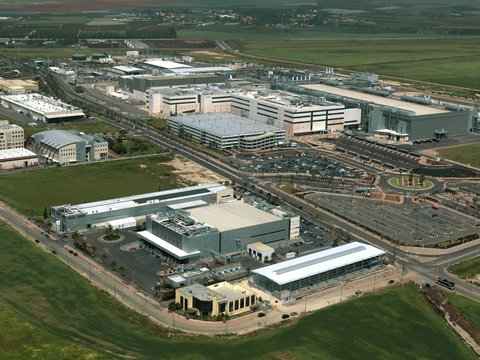
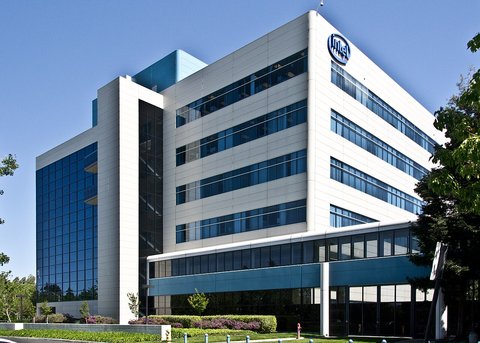
The pin marks Intel’s original Chandler campus at 5000 West Chandler Boulevard, the Arizona destination of the relocating microcontroller organization and the site of Fab 6. It remains an active corporate facility with restricted areas; observe it only from public approaches.
Photo: Raimond Spekking, CC BY-SA 4.0, via Wikimedia Commons.
















changes?
delete this memory?
We detected that you have a Blox in your crypto wallet! We will import the Blox into your account.
Click on done below to complete the import.
Welcome Back!
Sign in to preserve cherished moments
Don't have an account?
Welcome!!
Sign up and start preserving cherished moments
?
?




Choose your payment method
Buy with Metablox Credit
Do you want to mint Blox with Metablox Credit?
Which Crypto would you like to use?
Purchase Confirmed!
Your Blox is being minted on-chain and will appear in your profile shortly.
Log in or sign up to claim your Blox.
How many credits do you want to buy?
$100 USD = 1 Metablox Credit = 1 Blox.
Use Metablox Credit to mint any Blox you want on the map.
 expand_more