


Semiconductor History | Intel Headquarters, 24 February 2011 — Thunderbolt Puts PCI Express on a Cable
· 2011-2
Personal memoryBy kevin · · Report an issue














































































Find memories left by people near you.
Distribute Bounty
This will distribute the bounty equally among all qualifying memories. This action cannot be undone.
Cancel Bounty
Are you sure you want to cancel this bounty? The remaining amount will be refunded to your account.
Success!
Operation completed successfully.
Error
Something went wrong.
Semiconductor History | Intel Headquarters, 24 February 2011 — Thunderbolt Puts PCI Express on a Cable
kevin
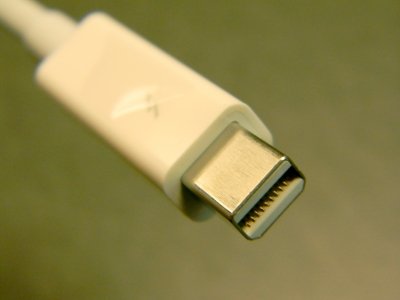
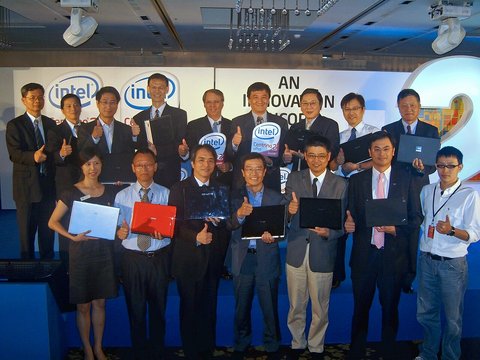
On 24 February 2011, Apple introduced new MacBook Pro computers with the first commercial implementation of Intel’s Thunderbolt input/output technology. The pin marks Intel’s Santa Clara development and corporate base, not the room in Cupertino where Apple launched the notebooks.
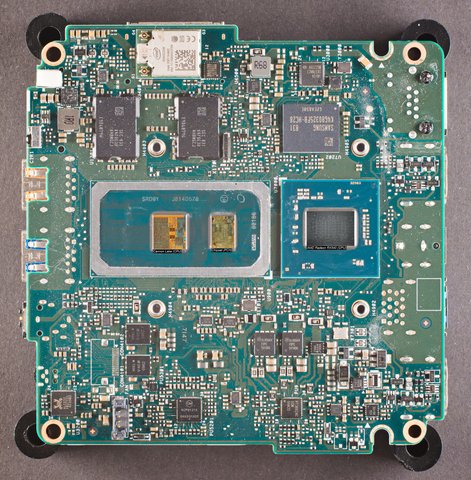
Developed by Intel in collaboration with Apple, the first generation carried PCI Express and DisplayPort traffic through one compact connector. It offered two bidirectional channels rated at 10 gigabits per second each and allowed displays and storage devices to share a daisy chain.
The good was architectural directness. By extending a computer’s internal expansion fabric onto a cable, Thunderbolt could give external drives, video-capture equipment, docks, and displays far more capability than ordinary peripheral links of the period.
It also anticipated the modern one-cable desk. Later generations increased bandwidth, adopted the USB-C connector, and combined high-speed data, display signals, and charging in a form that could turn a thin notebook into a workstation through one dock.
The bad was reach. Early Thunderbolt controllers, active cables, and certified peripherals carried extra cost, while the first ecosystem was concentrated in Macs and professional equipment rather than the broad PC market.
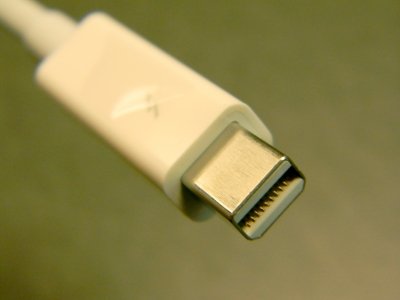
Its Mini DisplayPort-shaped plug could also suggest simple display compatibility even though the full Thunderbolt link required compatible electronics at both ends. A technically powerful standard was therefore not automatically a universal one.
Intel later widened the path by making the Thunderbolt 3 protocol specification available on a nonexclusive, royalty-free basis. The USB Implementers Forum used Intel’s contributed protocol as a foundation for USB4, bringing much of the tunneling model into a larger standards ecosystem.
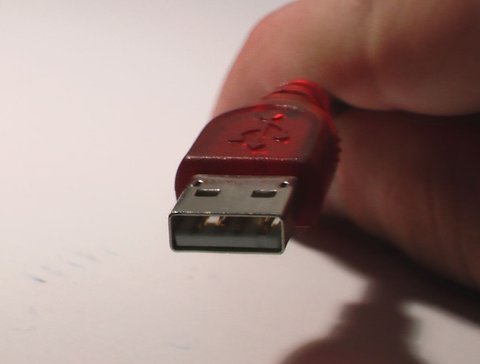
The cover shows the Mini DisplayPort-style connector used by the first two Thunderbolt generations, not the 2011 MacBook Pro launch. Thunderbolt’s history joins a strong idea with a difficult lesson: the fastest connection matters most when price, connectors, certification, and industry access allow the rest of the market to use it.
Photo: Heavysilence, CC0, via Wikimedia Commons























changes?
delete this memory?
We detected that you have a Blox in your crypto wallet! We will import the Blox into your account.
Click on done below to complete the import.
Welcome Back!
Sign in to preserve cherished moments
Don't have an account?
Welcome!!
Sign up and start preserving cherished moments
?
?







Choose your payment method
Buy with Metablox Credit
Do you want to mint Blox with Metablox Credit?
Which Crypto would you like to use?
Purchase Confirmed!
Your Blox is being minted on-chain and will appear in your profile shortly.
Log in or sign up to claim your Blox.
How many credits do you want to buy?
$100 USD = 1 Metablox Credit = 1 Blox.
Use Metablox Credit to mint any Blox you want on the map.
 expand_more