


Semiconductor History | 75 Reed Road, 27 October 1997 — A Patent War Hands StrongARM to Intel
· 1997-10
Personal memoryBy kevin · · Report an issue








































































Find memories left by people near you.
Distribute Bounty
This will distribute the bounty equally among all qualifying memories. This action cannot be undone.
Cancel Bounty
Are you sure you want to cancel this bounty? The remaining amount will be refunded to your account.
Success!
Operation completed successfully.
Error
Something went wrong.
Semiconductor History | 75 Reed Road, 27 October 1997 — A Patent War Hands StrongARM to Intel
kevin
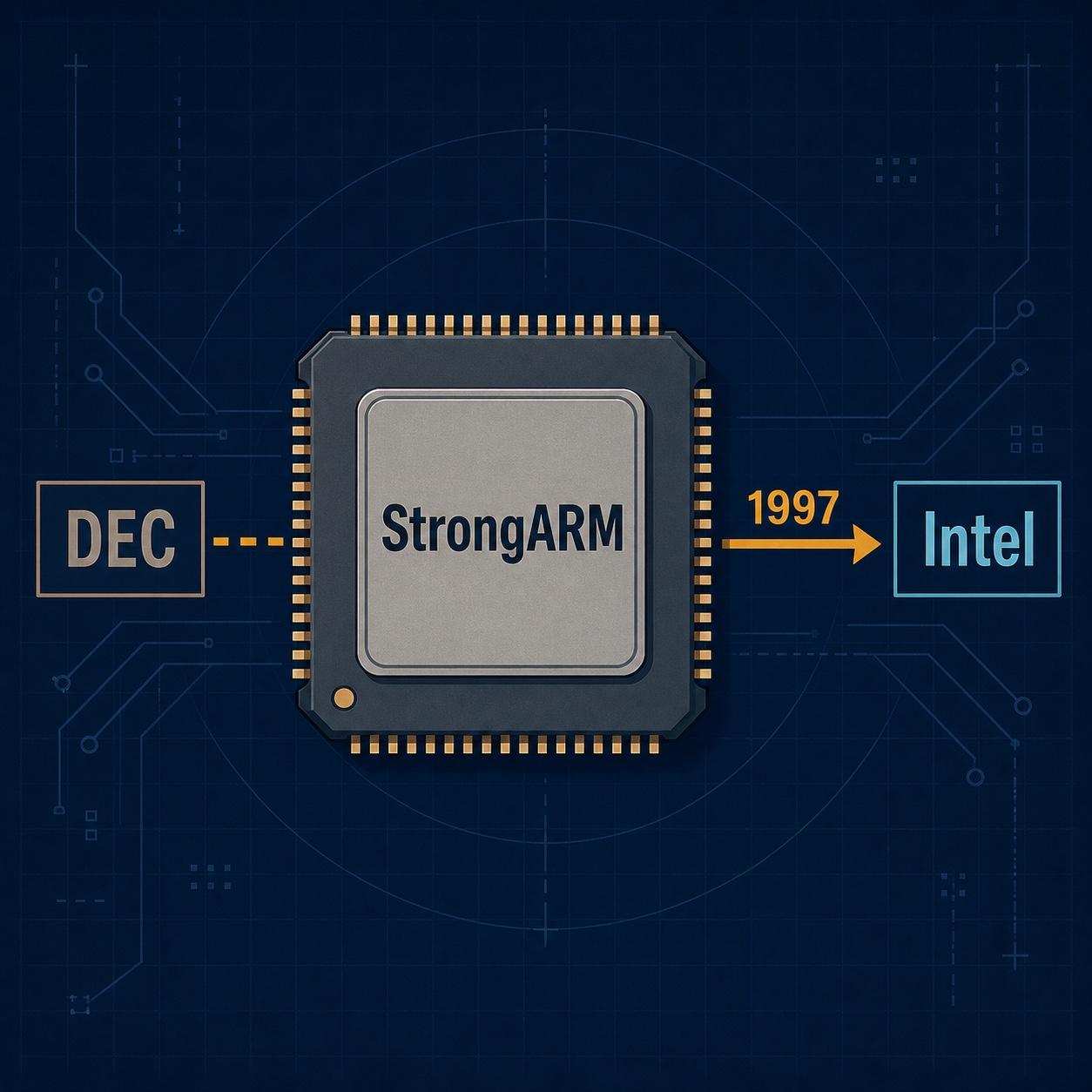
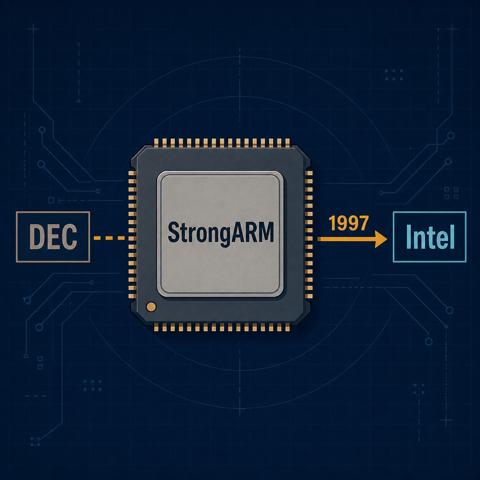
Intel and Digital Equipment Corporation publicly announced a sweeping settlement on 27 October 1997, ending patent litigation that had put two very different computing empires at war. Intel agreed to pay about $700 million for Digital’s semiconductor operations, including the Hudson fabrication plant and rights to sell Digital’s non-Alpha chip products.
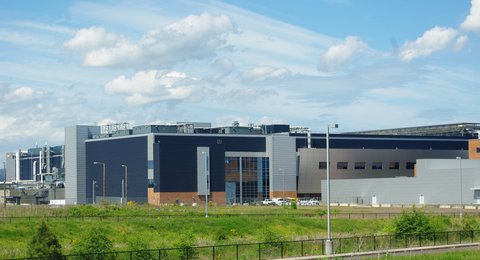
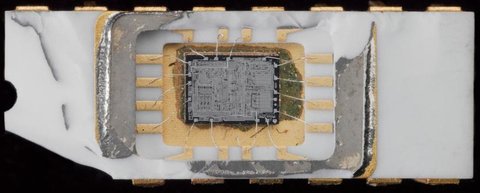
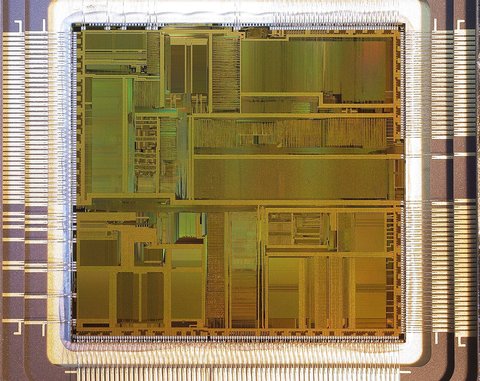
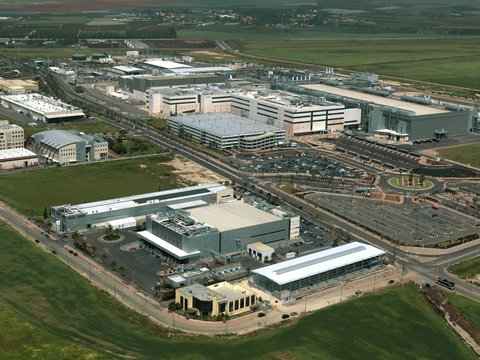
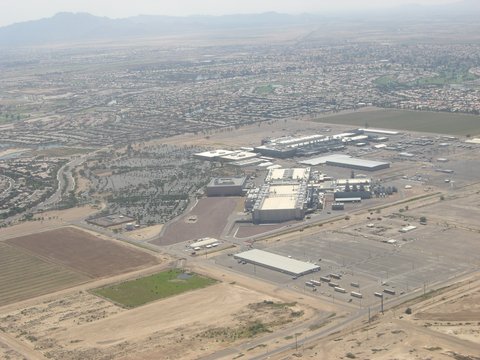
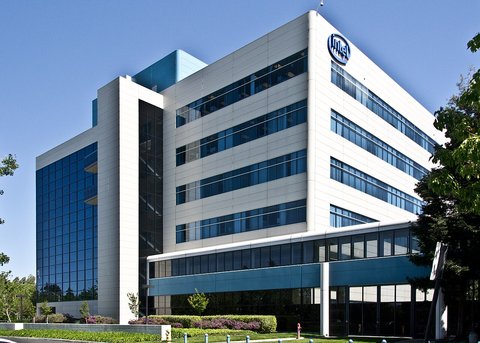
That last phrase carried an important prize: StrongARM, the low-power processor family Digital had developed with Britain’s ARM. The Reed Road pin marks the Hudson semiconductor campus whose people and machinery were part of the transfer; it is a physical anchor for the assets, not a claim that the settlement was signed in this building.
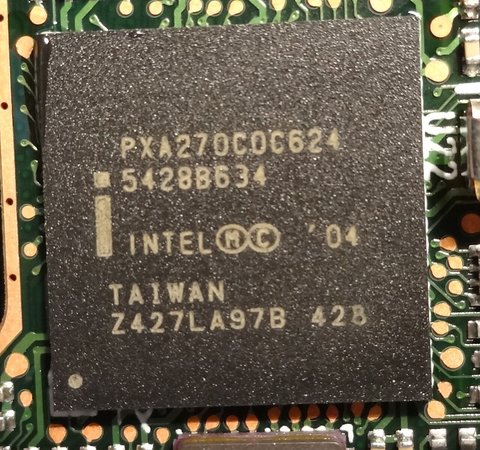
The good was strategic breadth. StrongARM gave Intel a proven route into battery-powered and embedded computing at a time when its identity and profits were tied overwhelmingly to x86 PCs and servers, and Intel later extended the lineage under the XScale name.
The deal also converted a bruising legal dispute into a broad patent cross-license and a commercial relationship. Digital obtained cash, Intel manufacturing support for Alpha, and a path toward systems based on Intel’s planned 64-bit architecture.
The bad was concentration and ambiguity. U.S. antitrust regulators worried that Intel’s control of a key Alpha-chip supply relationship could weaken a processor that competed with Intel, and the Federal Trade Commission required safeguards in 1998.
StrongARM also illustrates Intel’s recurring difficulty turning an acquired alternative architecture into a permanent franchise. The technology was useful and influential, but Intel sold its communications and applications processor business, including XScale, to Marvell in 2006 rather than carrying the line into the smartphone era.
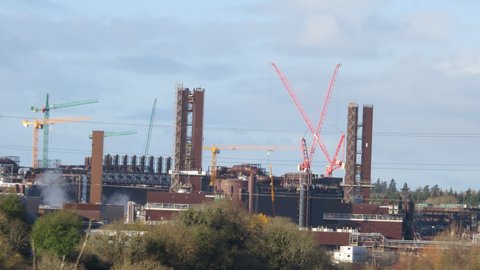
The site tells its own afterlife. Digital’s former fab was demolished in 2018; Intel sold the campus in 2023 and vacated it by May 2025 as the property moved into wider demolition and redevelopment.
The acquisition was neither an empty failure nor a clean long-term victory. Intel gained talent, low-power technology, patents, and a manufacturing foothold, yet eventually exited the very mobile-computing lineage that StrongARM had opened.
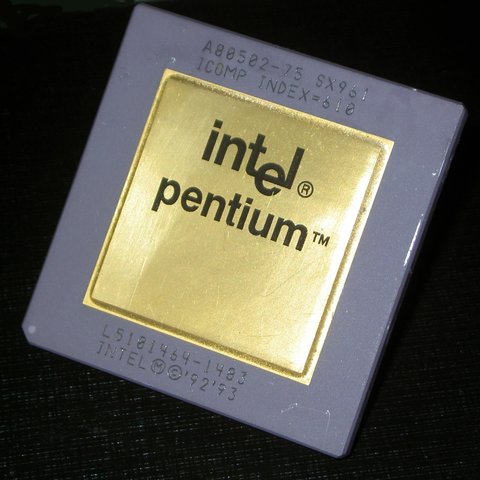
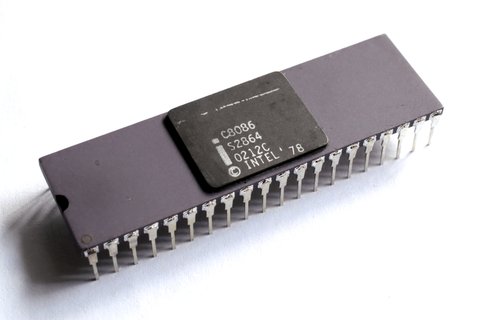
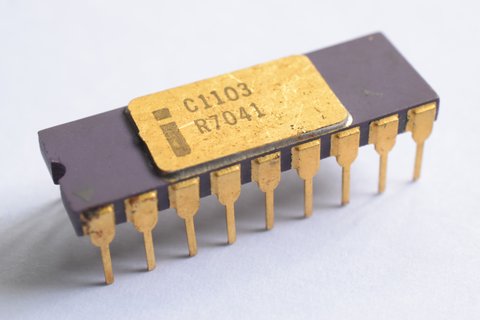
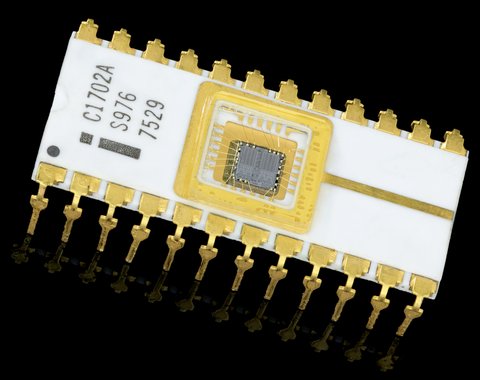
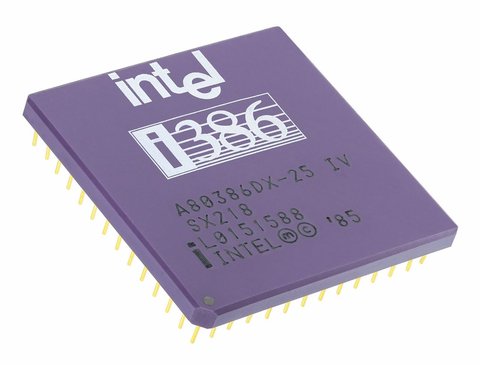
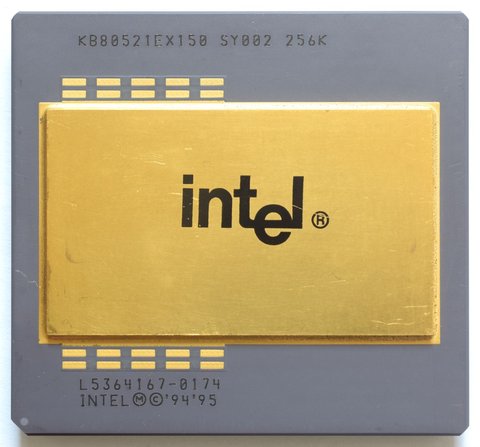
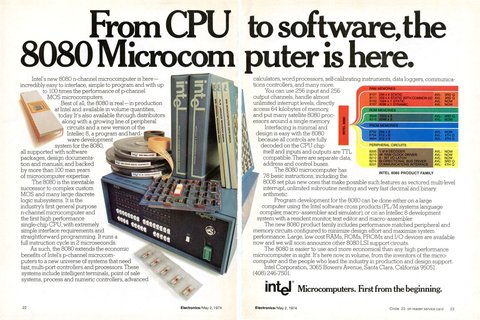
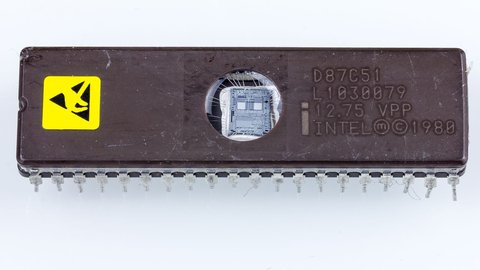
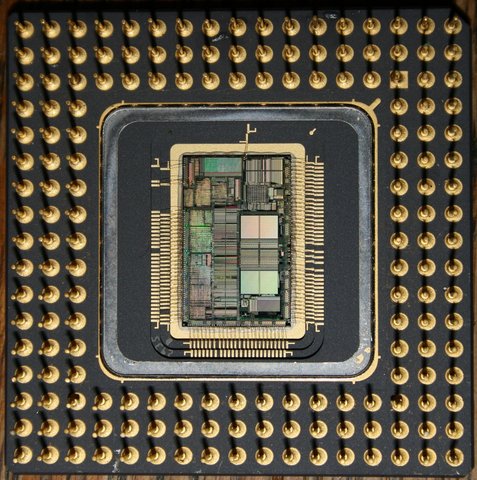
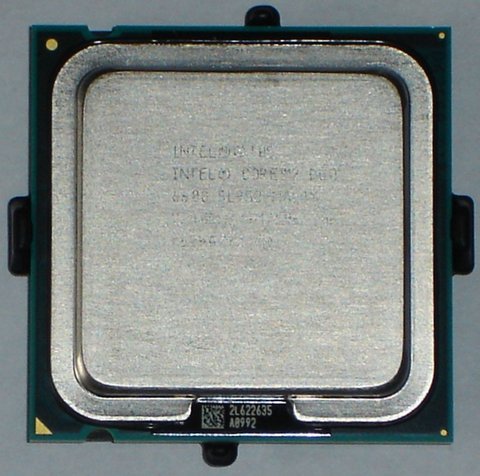
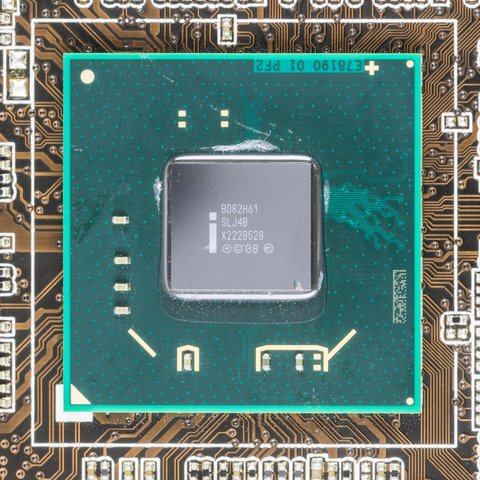
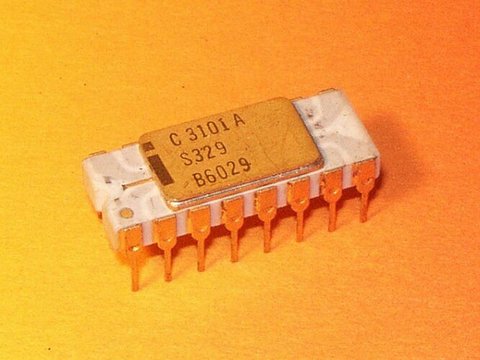
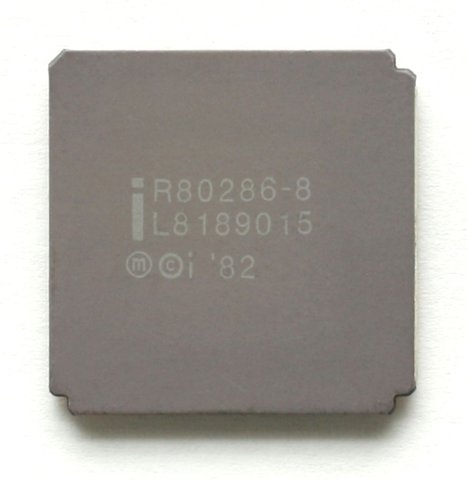
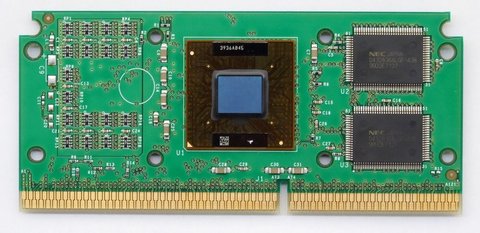
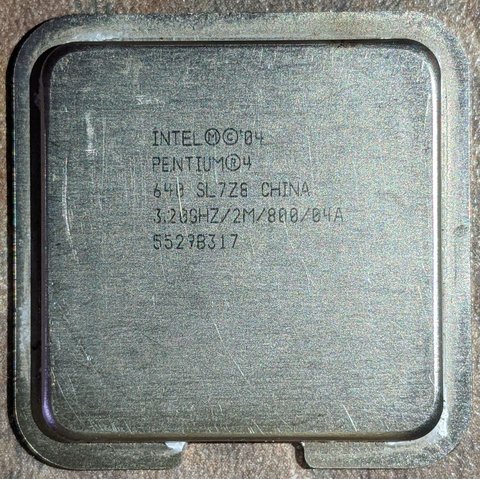
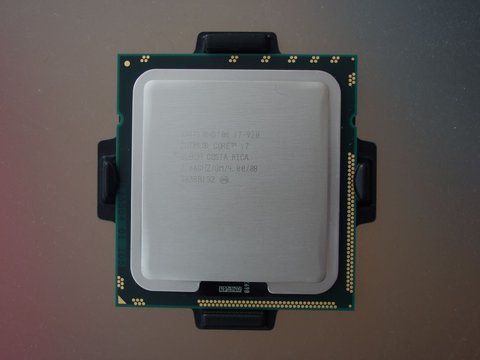
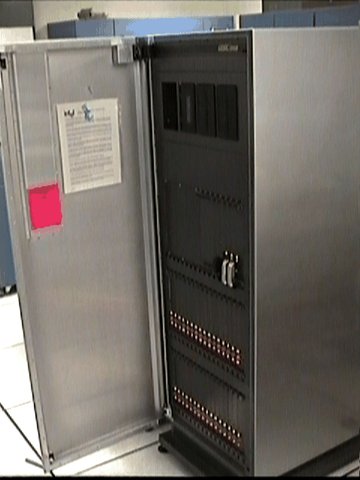
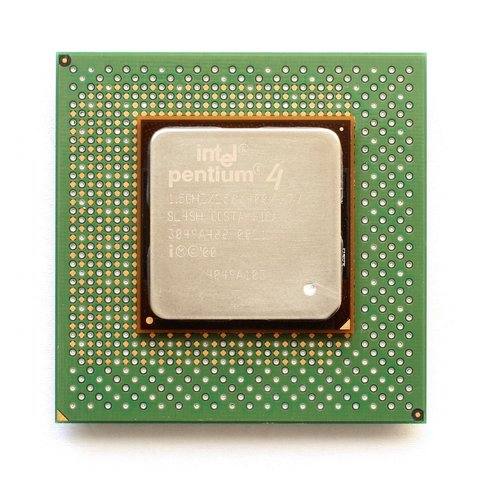
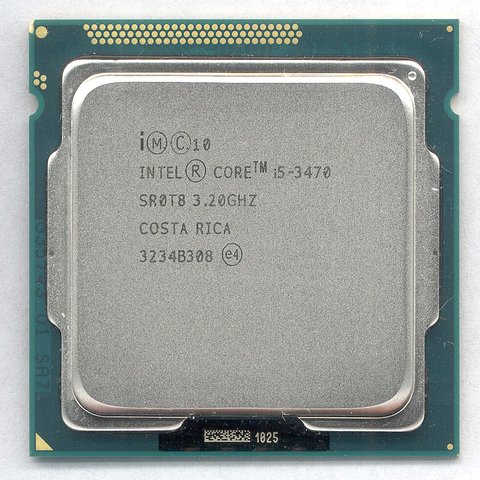
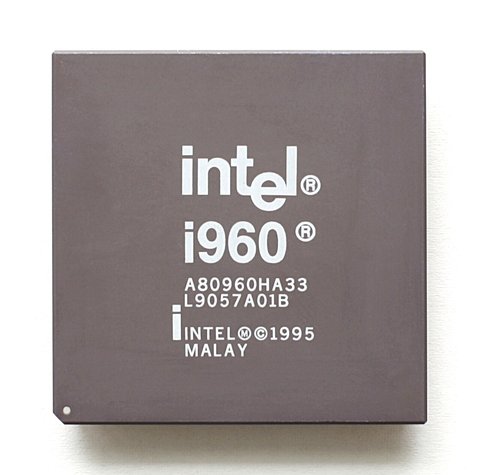
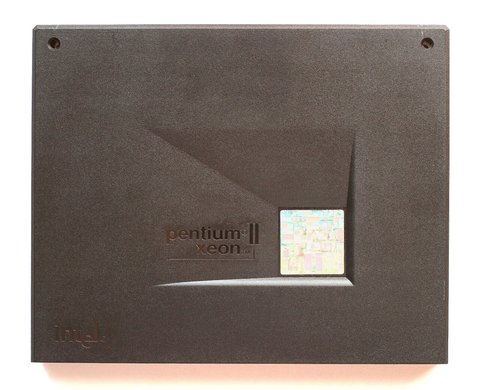
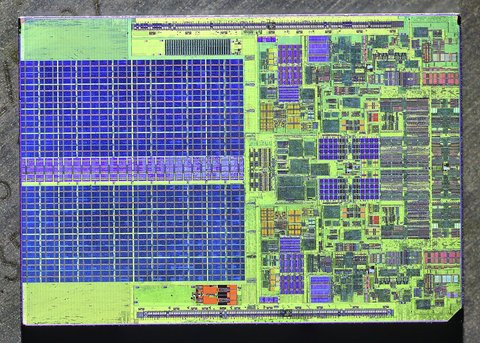
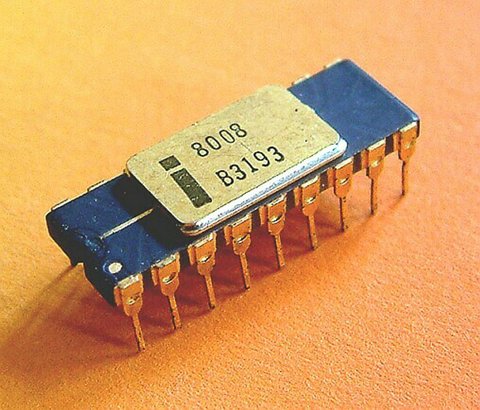
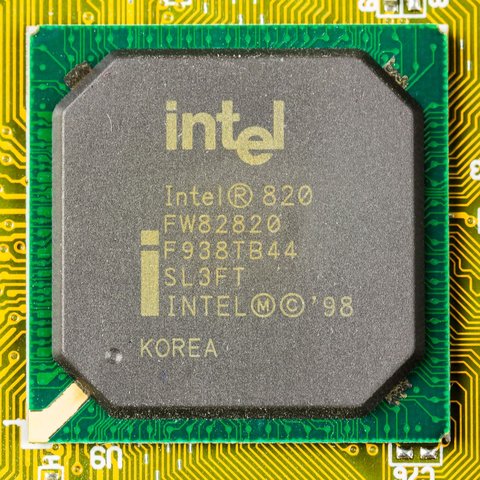
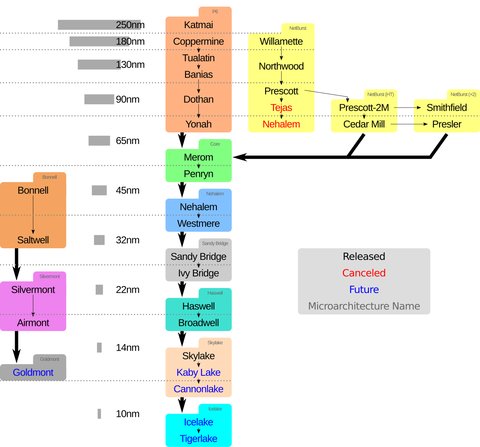
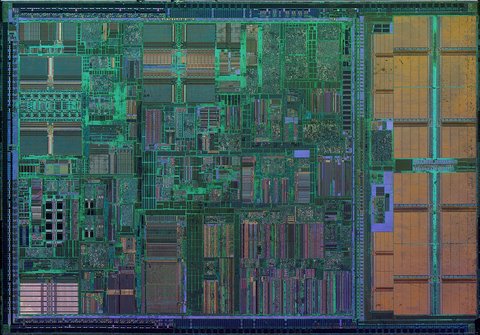
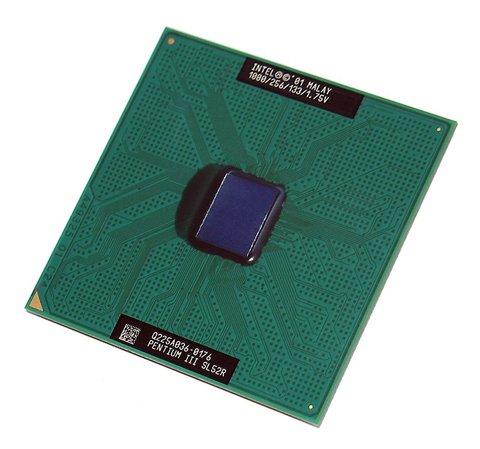
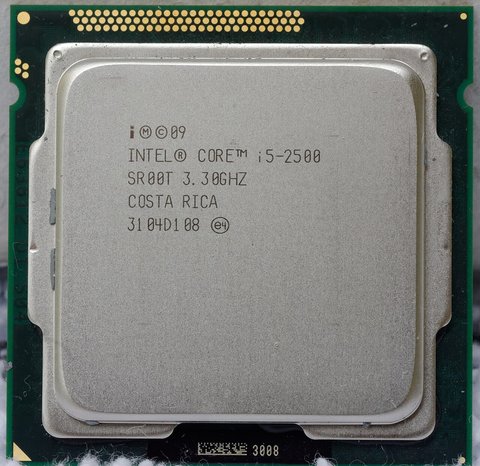
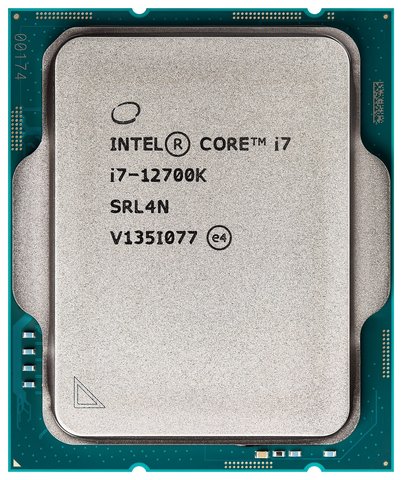
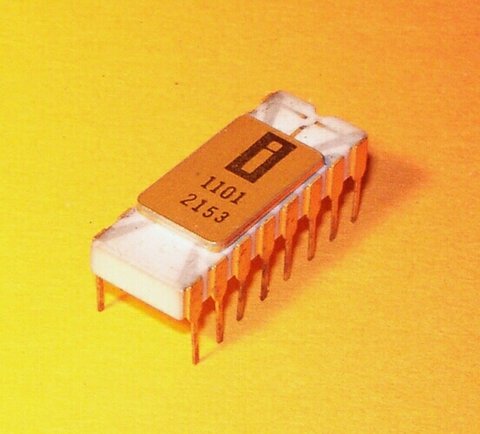
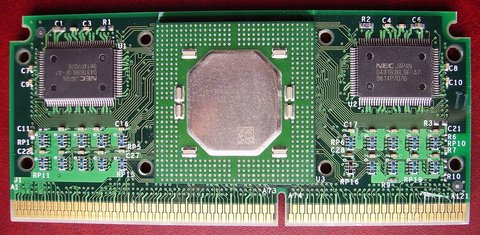
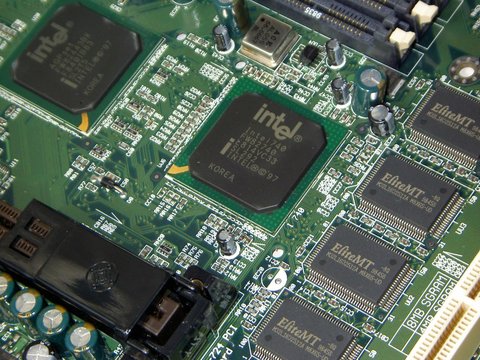
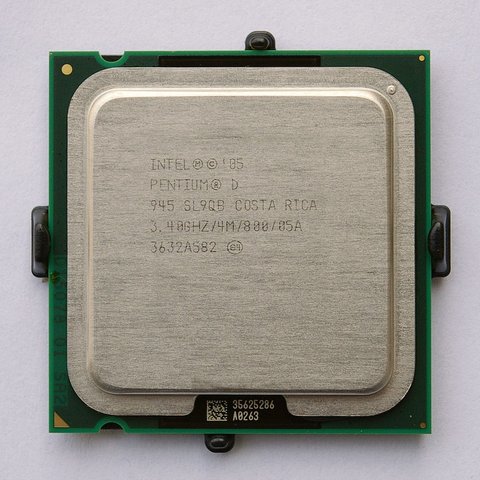
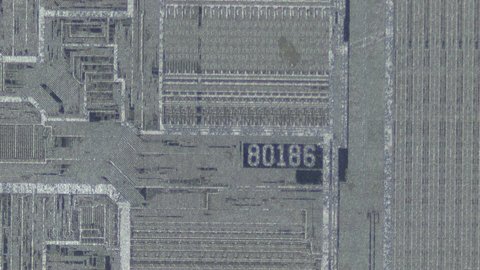
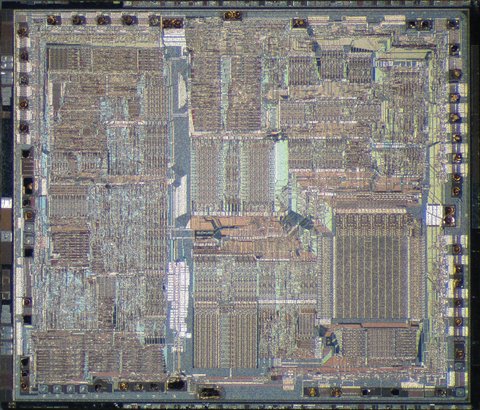
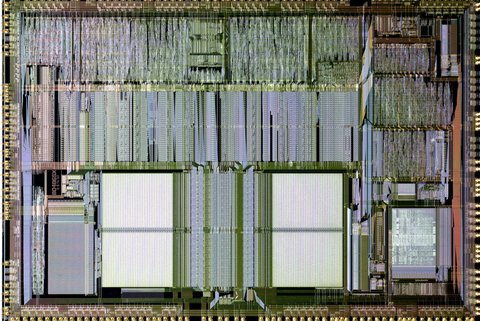
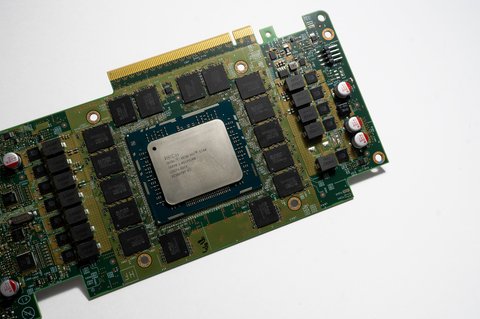
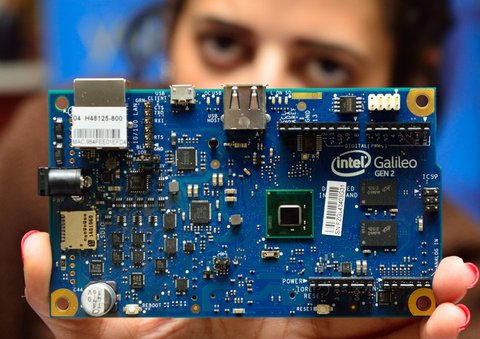
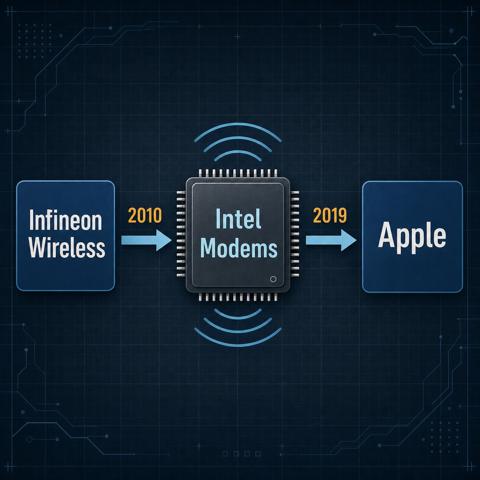
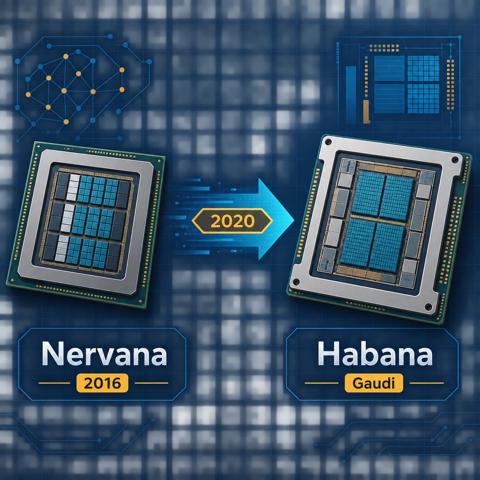
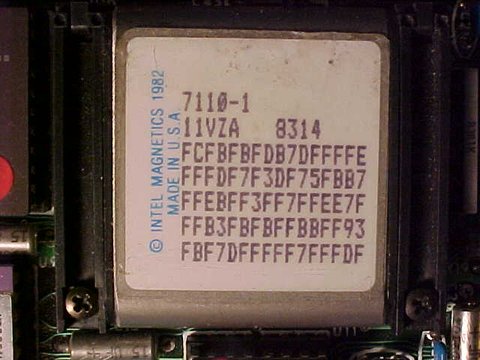
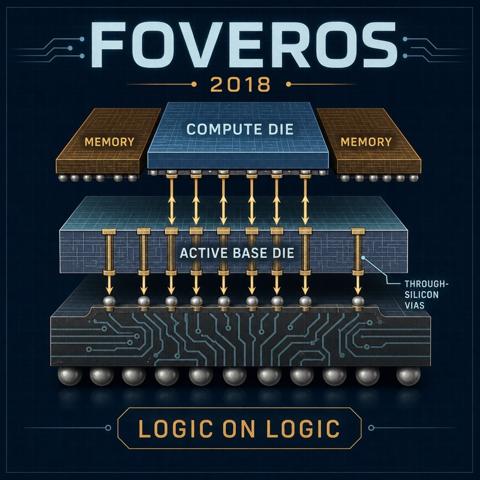
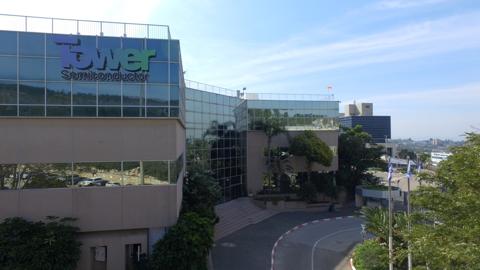
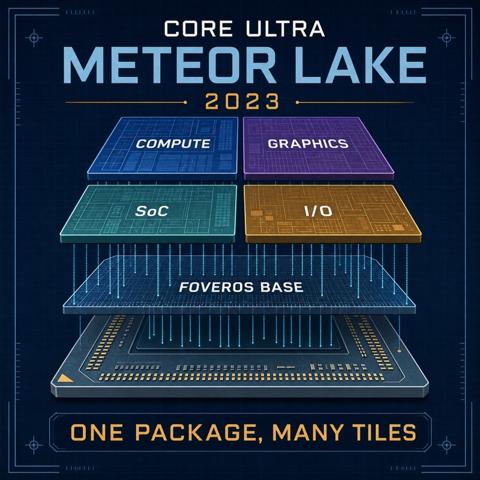
Image note: original historical-lineage illustration created for this memory; it is not a documentary photograph.







changes?
delete this memory?
We detected that you have a Blox in your crypto wallet! We will import the Blox into your account.
Click on done below to complete the import.
Welcome Back!
Sign in to preserve cherished moments
Don't have an account?
Welcome!!
Sign up and start preserving cherished moments
?
?






Choose your payment method
Buy with Metablox Credit
Do you want to mint Blox with Metablox Credit?
Which Crypto would you like to use?
Purchase Confirmed!
Your Blox is being minted on-chain and will appear in your profile shortly.
Log in or sign up to claim your Blox.
How many credits do you want to buy?
$100 USD = 1 Metablox Credit = 1 Blox.
Use Metablox Credit to mint any Blox you want on the map.
 expand_more