


Semiconductor History | Intel Headquarters, February 1982 — The 80186 Misses the PC and Finds Everything Else
· 1982-2
Personal memoryBy kevin · · Report an issue













































































Find memories left by people near you.
Distribute Bounty
This will distribute the bounty equally among all qualifying memories. This action cannot be undone.
Cancel Bounty
Are you sure you want to cancel this bounty? The remaining amount will be refunded to your account.
Success!
Operation completed successfully.
Error
Something went wrong.
Semiconductor History | Intel Headquarters, February 1982 — The 80186 Misses the PC and Finds Everything Else
kevin
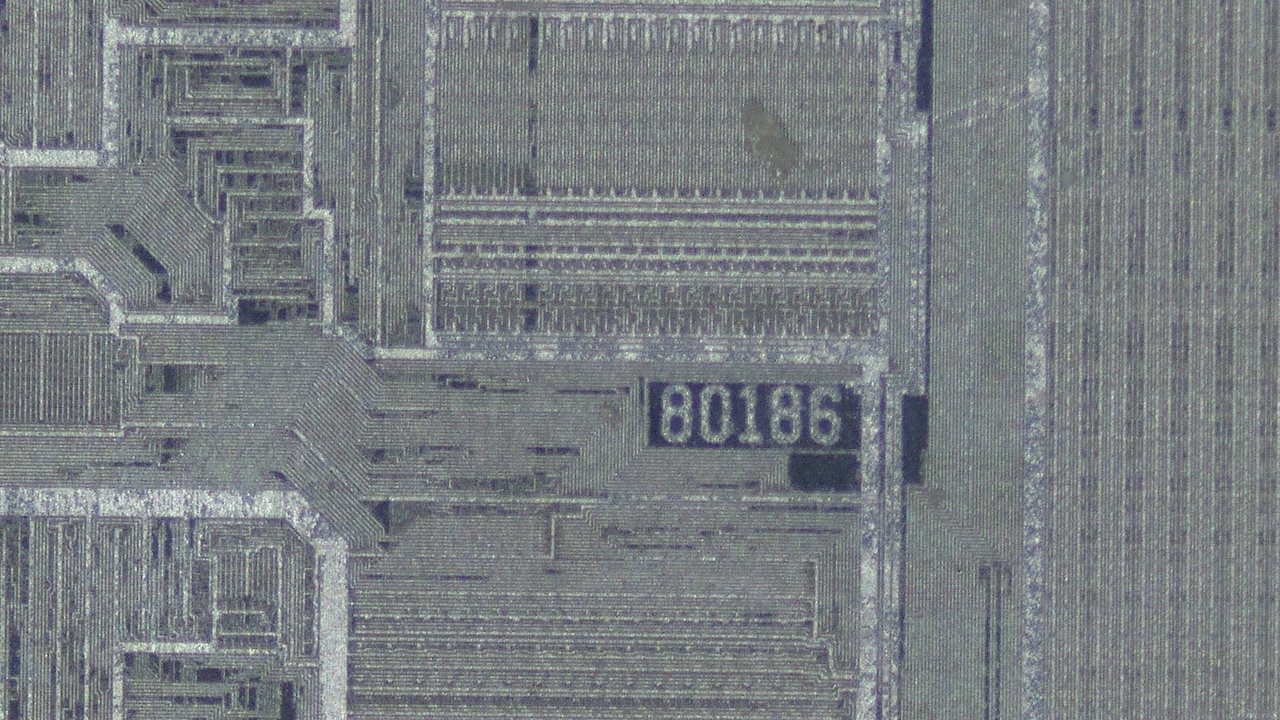
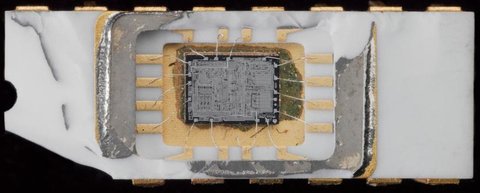
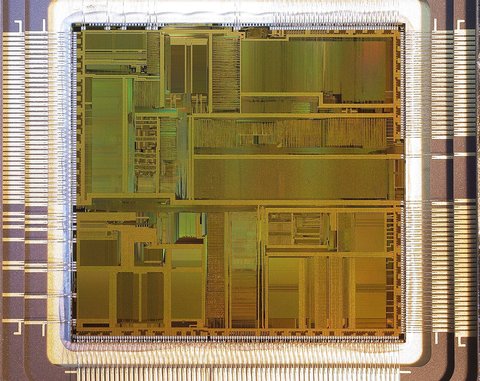
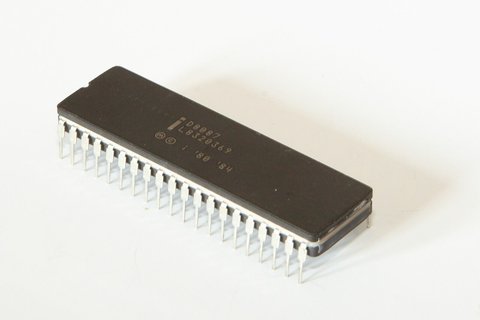
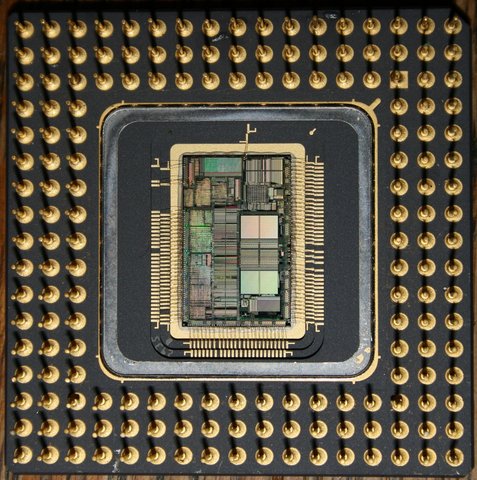
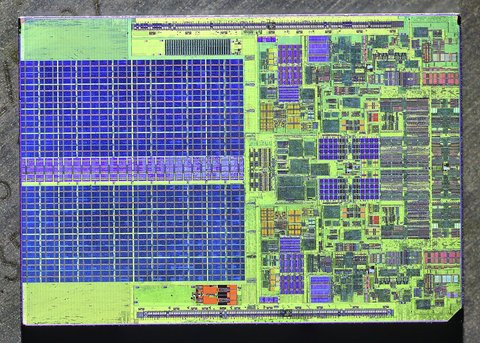
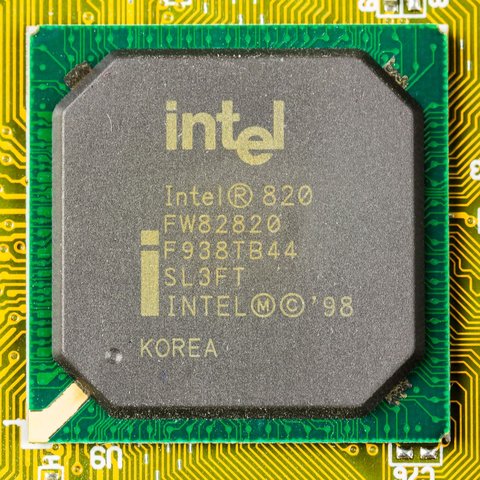
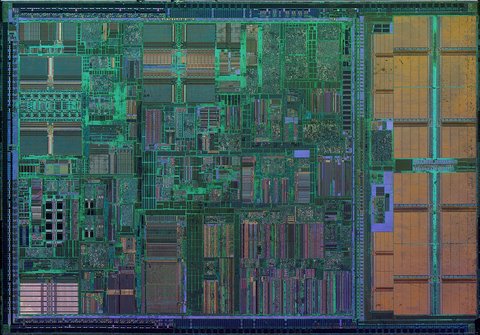
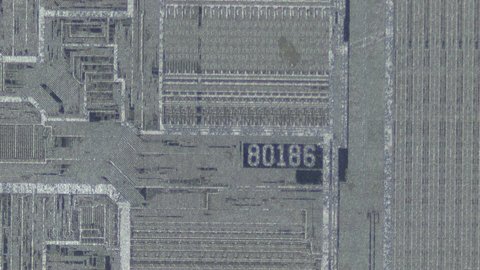
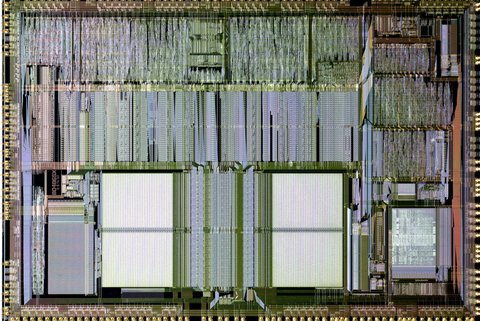
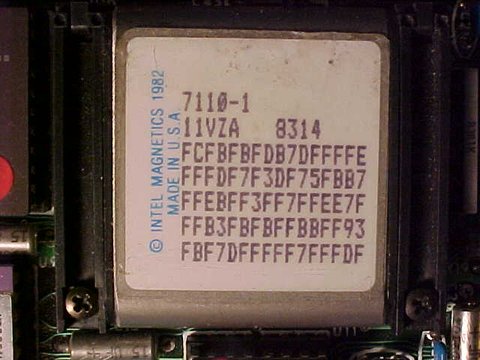
The numerals visible in this die micrograph identify a processor whose most important feature was everything Intel put around its x86 core.
Intel introduced the 80186 in February 1982 beside the more ambitious 80286. It retained the 8086 instruction set and a 16-bit external data bus, while the companion 80188 used an 8-bit bus for less expensive systems.
The 80186 was a small computer assembled on one chip.
Its peripheral block incorporated a clock generator, programmable chip selects and wait states, two direct-memory-access channels, three timers, and a programmable interrupt controller. A machine designer could remove several support chips, shorten the board, and reduce the work required to connect memory and input/output devices.
That integration was excellent for controllers and awkward for the personal-computer market that was standardizing around IBM's hardware arrangement.
The Tandy 2000 showed both sides. Its 8-megahertz 80186 and 16-bit system were substantially faster than the 4.77-megahertz IBM PC XT, and its 720-kilobyte floppy drives and high-resolution display made it a capable business computer in 1983.
It ran a version of MS-DOS but was not an IBM PC hardware clone.
Programs that stayed behind operating-system calls could work, while software that wrote directly to IBM's video memory, interrupt hardware, or other fixed addresses often failed. The integrated peripherals that made the 80186 economical also made it a poor shortcut to exact PC compatibility.
Intel's own historical guide therefore describes the chip as used mostly in controller applications.
There it had a long life in communications equipment, storage systems, instruments, and industrial control. Those markets valued deterministic peripherals and a compact board more than compatibility with desktop games and business software.
The good was integration ahead of its time: one package replaced a CPU and much of its supporting logic. The bad was arriving just as the IBM PC taught buyers that compatibility could matter more than a cleaner design.
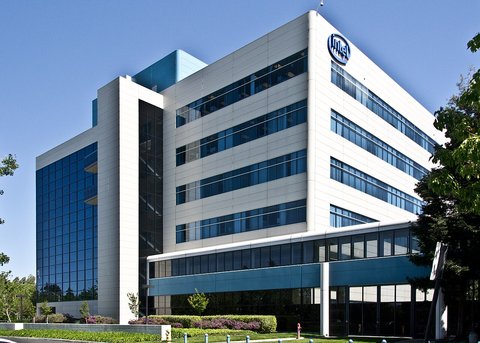
The pin marks Intel's Santa Clara headquarters as the corporate product anchor because no reliable room-level launch venue survives in the public record. The adjacent Intel Museum is the public visitor destination; the wider campus is a working site.
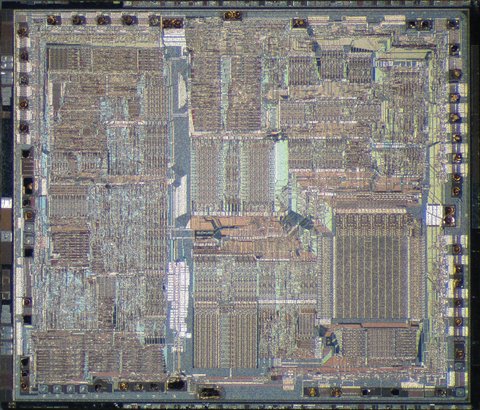
The photograph is a modern microscope image of an original Intel 80186 die, with the part number visible in silicon.
Photo: Jan Helebrant, CC BY-SA 2.0, via Wikimedia Commons.















changes?
delete this memory?
We detected that you have a Blox in your crypto wallet! We will import the Blox into your account.
Click on done below to complete the import.
Welcome Back!
Sign in to preserve cherished moments
Don't have an account?
Welcome!!
Sign up and start preserving cherished moments
?
?







Choose your payment method
Buy with Metablox Credit
Do you want to mint Blox with Metablox Credit?
Which Crypto would you like to use?
Purchase Confirmed!
Your Blox is being minted on-chain and will appear in your profile shortly.
Log in or sign up to claim your Blox.
How many credits do you want to buy?
$100 USD = 1 Metablox Credit = 1 Blox.
Use Metablox Credit to mint any Blox you want on the map.
 expand_more