


Semiconductor History | Moscone West, 18 September 2007 — Tick-Tock Makes a Metronome Out of Moore’s Law
· 2007-9
Personal memoryBy kevin · · updated · Report an issue











































































Find memories left by people near you.
Distribute Bounty
This will distribute the bounty equally among all qualifying memories. This action cannot be undone.
Cancel Bounty
Are you sure you want to cancel this bounty? The remaining amount will be refunded to your account.
Success!
Operation completed successfully.
Error
Something went wrong.
Semiconductor History | Moscone West, 18 September 2007 — Tick-Tock Makes a Metronome Out of Moore’s Law
kevin
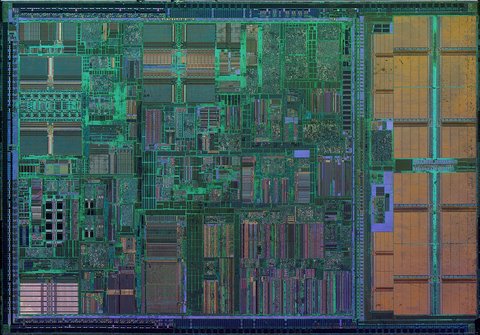
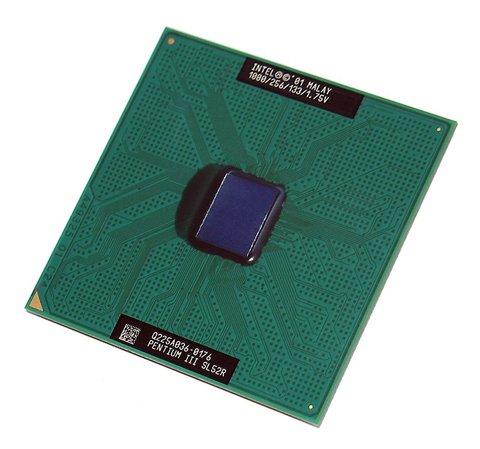
On 18 September 2007, Intel used its Developer Forum at Moscone Center West to set out a product rhythm it called tick-tock. One beat moved a proven architecture to a smaller manufacturing process; the next introduced a new microarchitecture on the established process.
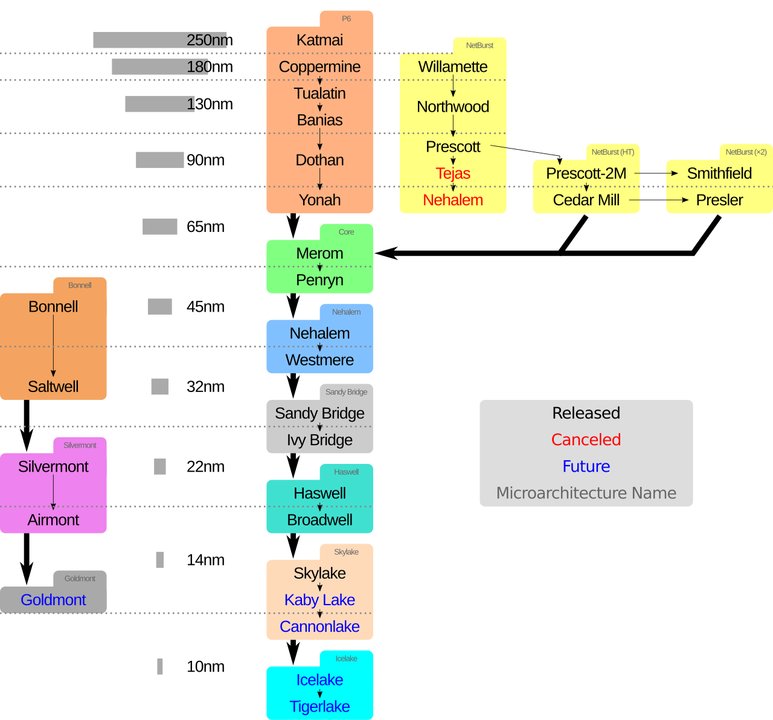
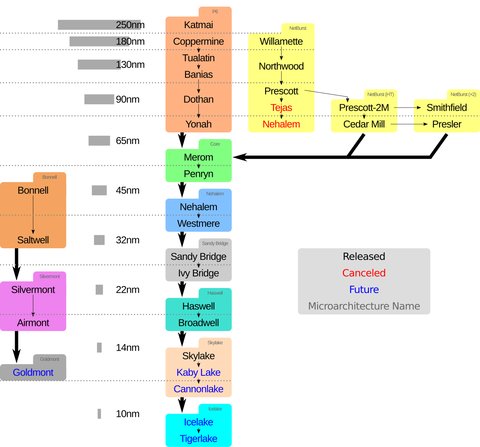
The immediate examples were Penryn and Nehalem. Penryn brought Intel’s Core design to 45 nanometers with high-k metal-gate transistors, while Nehalem was intended to follow with a redesigned architecture, integrated memory control, and new system connections.
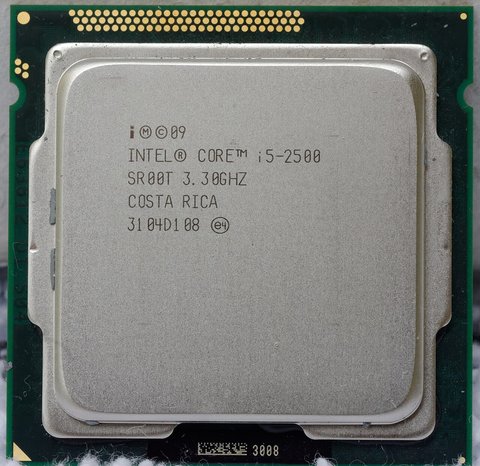
The good was organizational clarity. Separating a major process change from a major architecture change reduced the number of unproven elements arriving together, gave software and computer makers a visible roadmap, and helped Intel deliver a sequence that included Westmere, Sandy Bridge, Ivy Bridge, and Haswell.
Tick-tock also converted manufacturing leadership into a repeatable commercial promise. A process shrink could improve density, power, and cost, while the alternating architecture release created a reason for customers to upgrade even when transistor geometry was held relatively steady.
The weakness was hidden inside the regularity. The model assumed that each new process node would be ready close to schedule, so delays in manufacturing could disrupt the architecture planned to use it and ripple through several product generations.
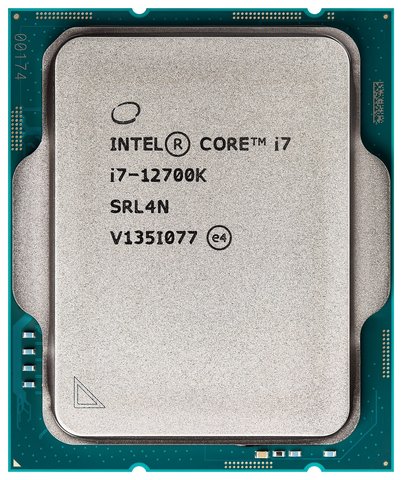
That assumption became increasingly difficult to sustain. Intel’s later regulatory filings described major architecture introductions as occurring roughly every two to three years, and the company eventually added a third optimization phase as prolonged 14-nanometer production and delayed 10-nanometer volume manufacturing broke the clean alternation.
The cover is a later community-created roadmap illustration, not a photograph of the 2007 keynote. Its alternating process nodes and architectures visualize both the appeal and the fragility of the system: a neat sequence on paper that depends on physics, factories, design teams, and markets remaining synchronized.
Tick-tock deserves neither simple nostalgia nor dismissal. It was a disciplined way to manage enormous technical risk and helped produce some of Intel’s strongest product years, but its memorable name also made the eventual loss of cadence impossible to hide.
Illustration: Mliu92 and predecessor contributors, CC BY-SA 4.0, via Wikimedia Commons














changes?
delete this memory?
We detected that you have a Blox in your crypto wallet! We will import the Blox into your account.
Click on done below to complete the import.
Welcome Back!
Sign in to preserve cherished moments
Don't have an account?
Welcome!!
Sign up and start preserving cherished moments
?
?






Choose your payment method
Buy with Metablox Credit
Do you want to mint Blox with Metablox Credit?
Which Crypto would you like to use?
Purchase Confirmed!
Your Blox is being minted on-chain and will appear in your profile shortly.
Log in or sign up to claim your Blox.
How many credits do you want to buy?
$100 USD = 1 Metablox Credit = 1 Blox.
Use Metablox Credit to mint any Blox you want on the map.
 expand_more