


Semiconductor History | Salt Palace, 12 November 2012 — Xeon Phi Turns Larrabee Into a Supercomputer Card
· 2012-11
Personal memoryBy kevin · · Report an issue











































































Find memories left by people near you.
Distribute Bounty
This will distribute the bounty equally among all qualifying memories. This action cannot be undone.
Cancel Bounty
Are you sure you want to cancel this bounty? The remaining amount will be refunded to your account.
Success!
Operation completed successfully.
Error
Something went wrong.
Semiconductor History | Salt Palace, 12 November 2012 — Xeon Phi Turns Larrabee Into a Supercomputer Card
kevin
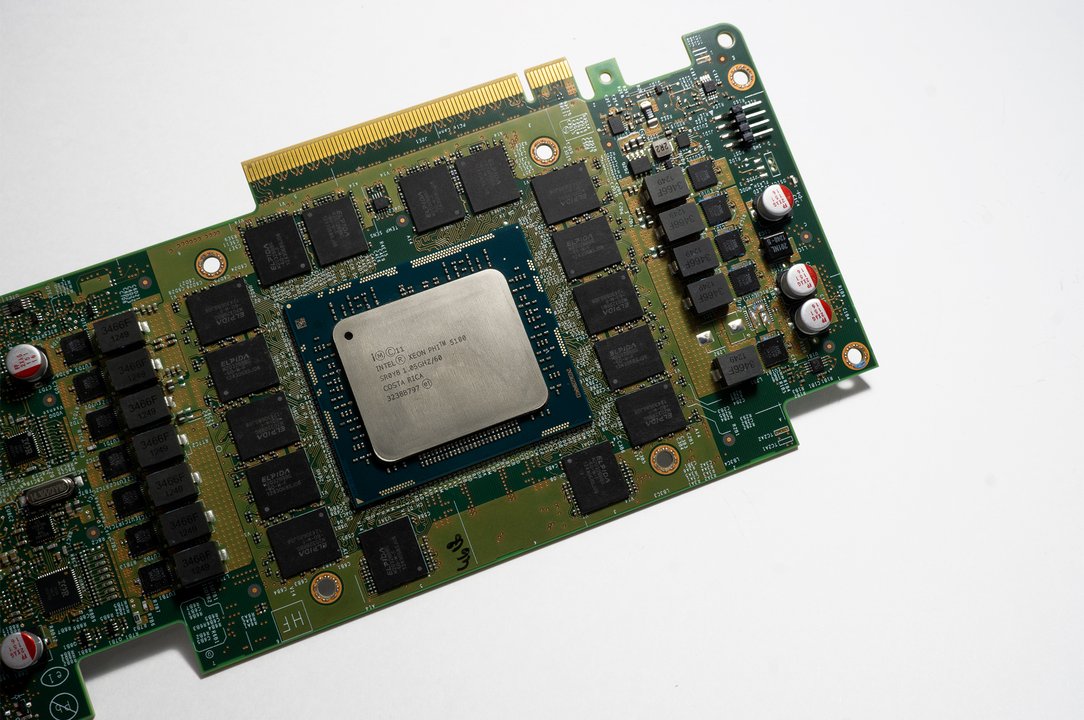
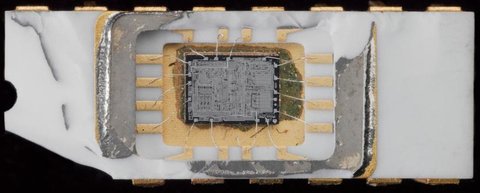
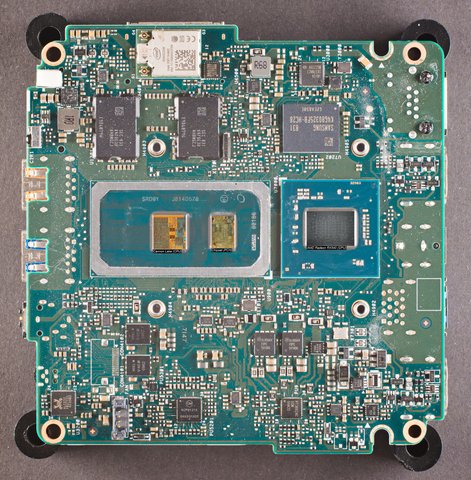
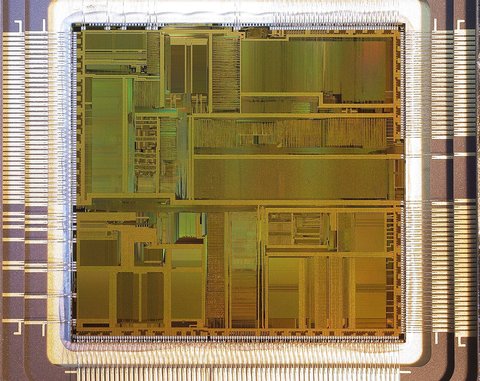
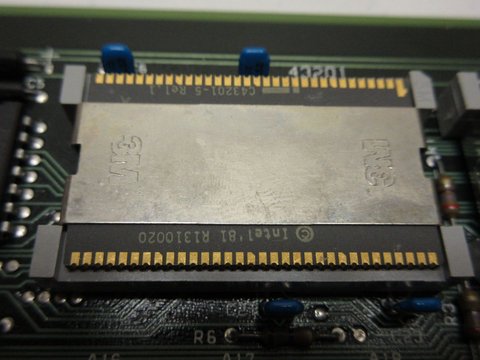
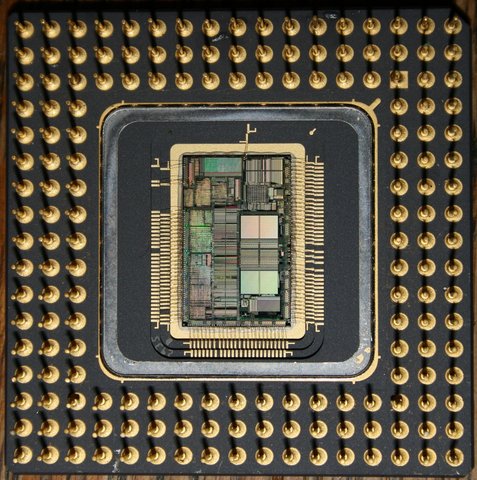
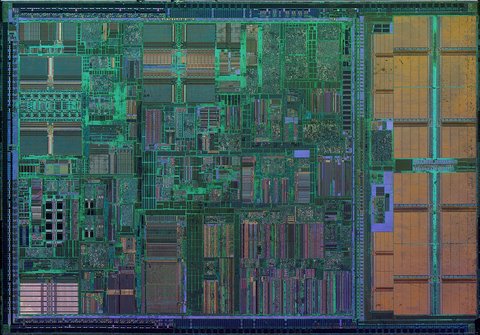
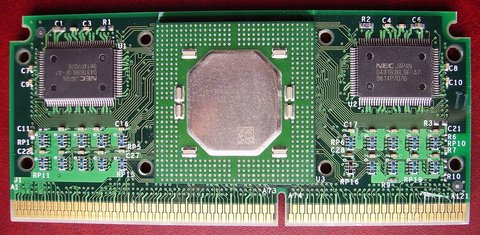
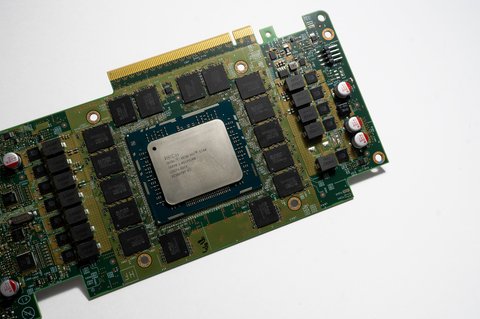
The exposed 5110P on this board is the sixty-core answer Intel found for an architecture that had failed to become a consumer graphics card.
Intel introduced Xeon Phi at the SC12 supercomputing conference in Salt Lake City's Salt Palace Convention Center on 12 November 2012. The 5110P began shipping that day, with general availability scheduled for 28 January 2013 at a recommended customer price of $2,649.
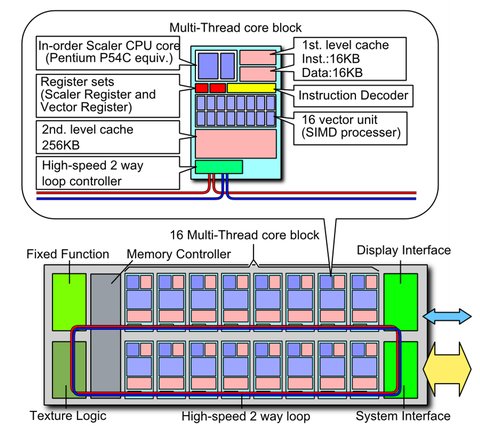
Its ancestry ran through Larrabee.
Intel had designed many small x86-derived cores with wide vector units for programmable graphics, then canceled the discrete graphics product in 2009. The company redirected that work into Many Integrated Core architecture for scientific simulation, engineering, energy research, and other parallel workloads.
The 5110P placed 60 cores and 240 hardware threads on a 22-nanometre chip.
It carried 8 gigabytes of memory, 30 megabytes of level-two cache, and a 225-watt thermal envelope. A standard PCI Express card could deliver more than one teraflop of double-precision peak performance when software exposed enough parallel work and used its 512-bit vector units effectively.
The familiar instruction ancestry was the selling point and also a trap.
Developers could use Intel compilers, libraries, OpenMP, MPI, and familiar languages instead of treating the card as a fixed-function device. Ordinary serial x86 code, however, did not become fast merely because it could execute; useful performance demanded hundreds of threads, vectorization, careful memory access, and substantial tuning.
Xeon Phi earned real work in systems including the Stampede supercomputer and later helped power machines at the top of the TOP500 list.
It never displaced GPU accelerators. The original x100 family reached end of life in January 2017, later Knights Landing and Knights Mill products moved the idea into standalone processors, and Intel's 2019 discontinuance notice said demand had shifted to other products.
The good was rescuing years of many-core research and offering scientists a programmable alternative to GPUs. The bad was a 225-watt device whose promised familiarity did not remove the hard work of parallel programming, followed by a short product lineage.
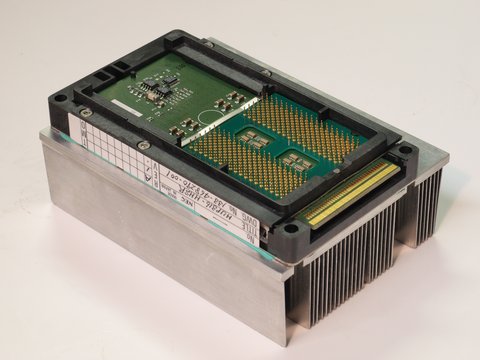
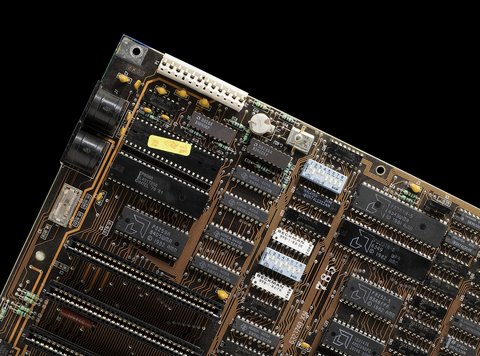
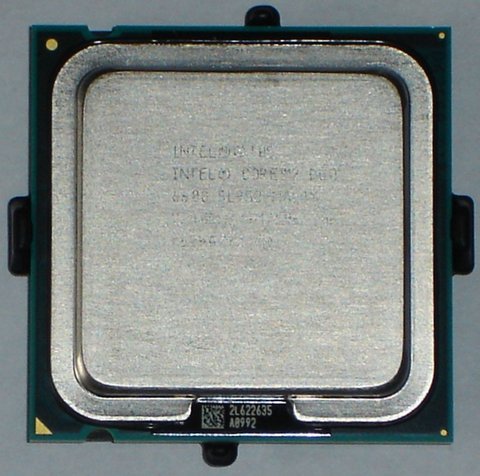
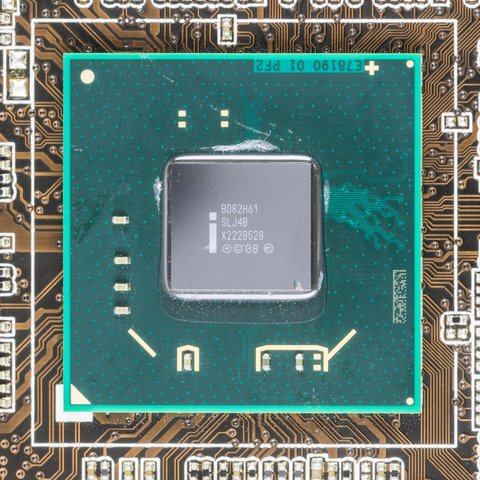
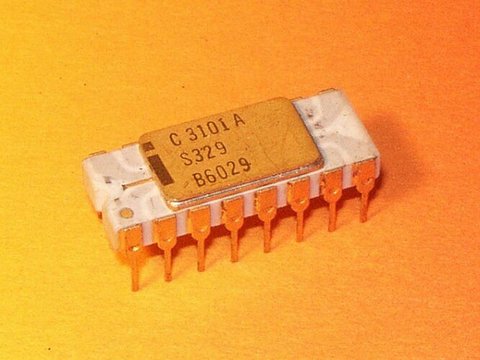
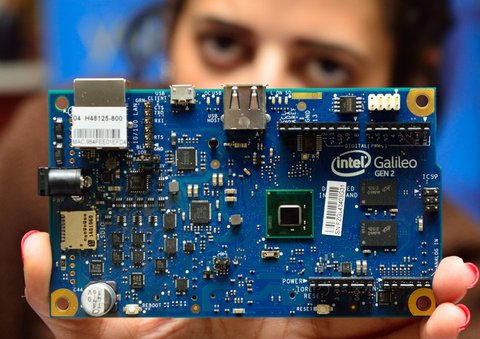
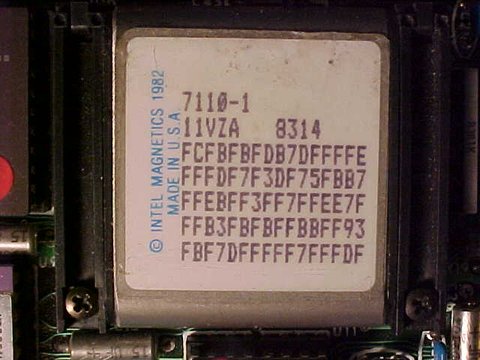
The pin identifies the Salt Palace Convention Center, confirmed by the SC12 program and venue records. The photograph shows an exact Xeon Phi 5100-series card with its heat sink removed and the processor marking visible.
Photo: Capitalistcakes, CC0, via Wikimedia Commons.














changes?
delete this memory?
We detected that you have a Blox in your crypto wallet! We will import the Blox into your account.
Click on done below to complete the import.
Welcome Back!
Sign in to preserve cherished moments
Don't have an account?
Welcome!!
Sign up and start preserving cherished moments
?
?






Choose your payment method
Buy with Metablox Credit
Do you want to mint Blox with Metablox Credit?
Which Crypto would you like to use?
Purchase Confirmed!
Your Blox is being minted on-chain and will appear in your profile shortly.
Log in or sign up to claim your Blox.
How many credits do you want to buy?
$100 USD = 1 Metablox Credit = 1 Blox.
Use Metablox Credit to mint any Blox you want on the map.
 expand_more