


Semiconductor History | Santa Clara, 20 December 1994 — Five Missing Entries and a $475 Million Lesson
· 1994-12
Personal memoryBy kevin · · updated · Report an issue












































































Find memories left by people near you.
Distribute Bounty
This will distribute the bounty equally among all qualifying memories. This action cannot be undone.
Cancel Bounty
Are you sure you want to cancel this bounty? The remaining amount will be refunded to your account.
Success!
Operation completed successfully.
Error
Something went wrong.
Semiconductor History | Santa Clara, 20 December 1994 — Five Missing Entries and a $475 Million Lesson
kevin
Five entries were missing from a lookup table inside the Pentium's floating-point division hardware.
For most owners the omission would never surface, but under certain combinations of numbers the processor returned a wrong answer. Thomas Nicely, a mathematics professor at Lynchburg College, found the discrepancy while calculating reciprocals connected with prime-number research and circulated his results in October 1994.
Intel's first response treated probability as the main issue.
The company offered replacements to users who could show that their work might encounter the flaw, a policy that made engineering risk the customer's burden to prove. The argument failed once Pentium had become a consumer brand printed on the front of millions of personal computers.
On 12 December IBM stopped shipping Pentium-based PCs, saying its tests found a greater practical risk than Intel had described. Eight days later, Intel offered an exchange to every owner of an affected processor who wanted one.
The financial statement was as clear as the calculation was obscure.
Intel recorded a $475 million pretax charge in the fourth quarter of 1994 for replacements and related costs. The amount was large, but the more durable change was procedural and cultural: a component supplier that had asked the public to recognize its name now had to answer directly to those customers when the component failed.
The bug did not end Pentium.
Intel corrected the design, absorbed the exchange, and the brand continued for decades. What broke was the assumption that rarity alone could settle a product defect once independent users could reproduce it and exchange the evidence online.
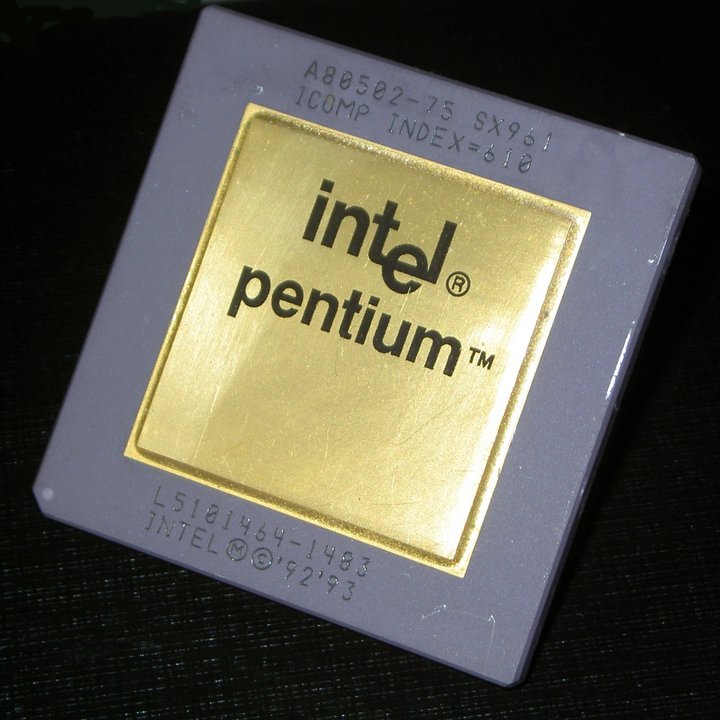
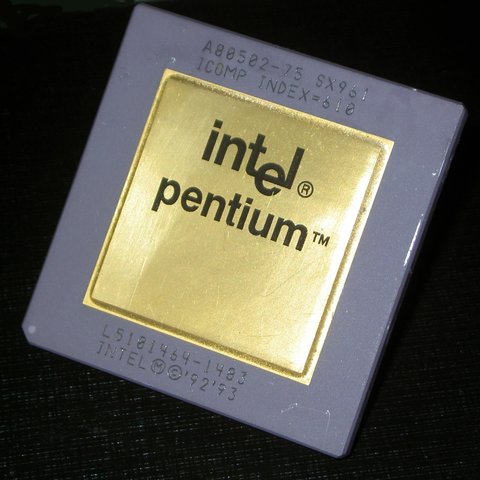
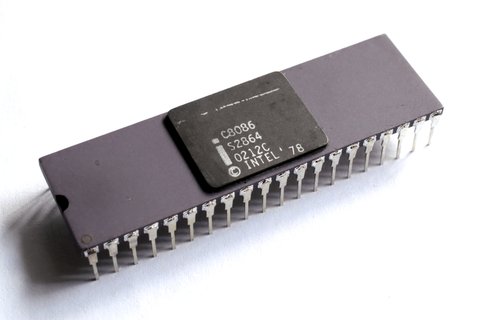
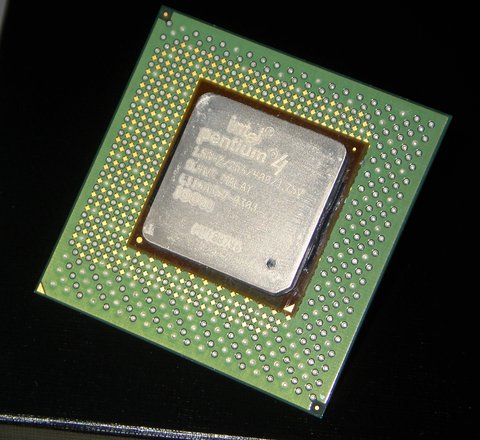
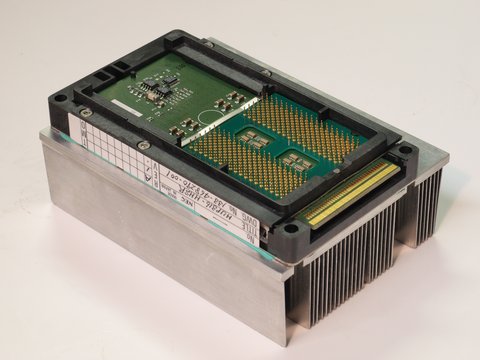
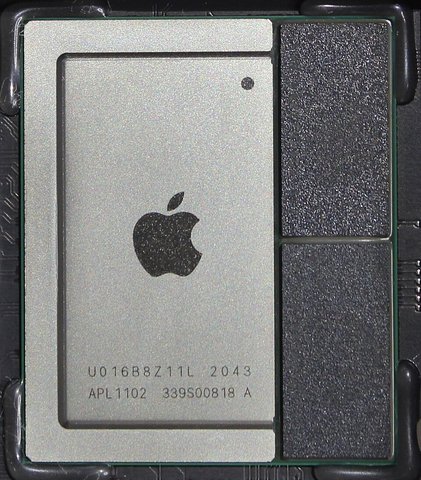
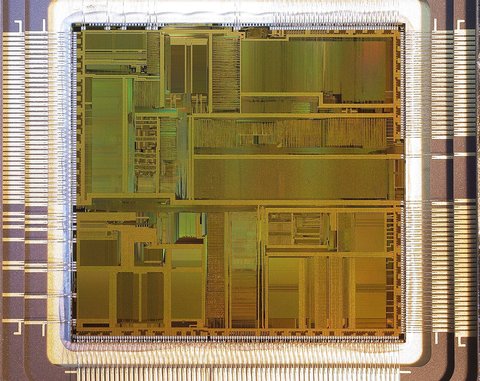
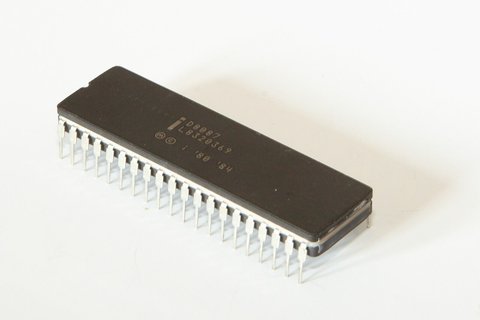
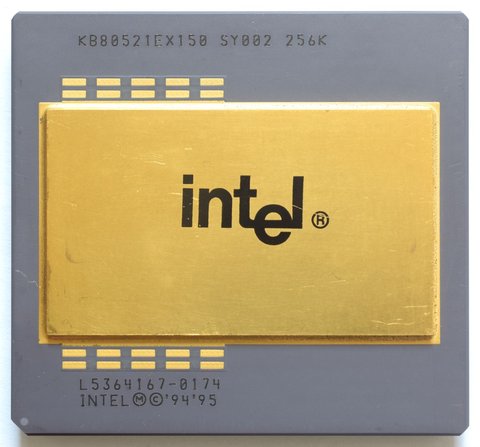
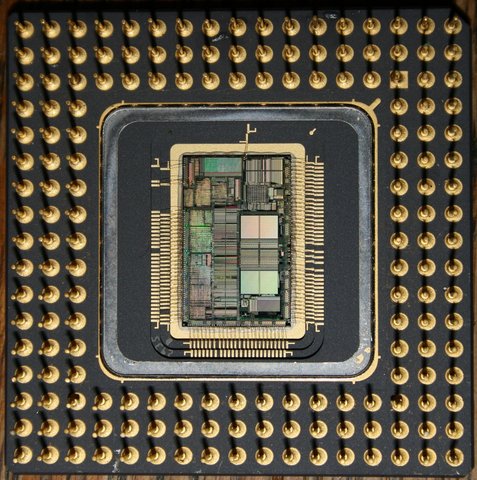
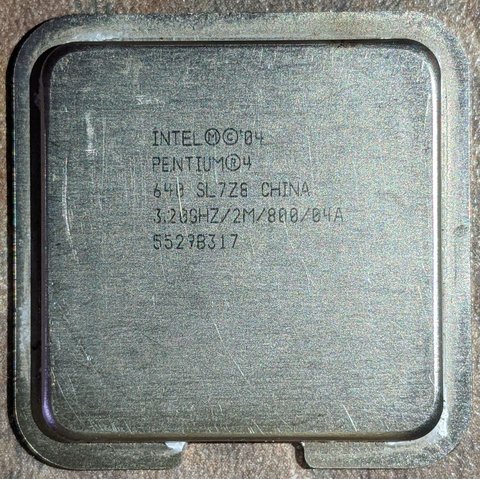
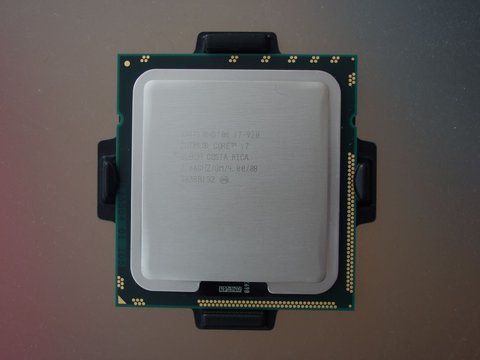
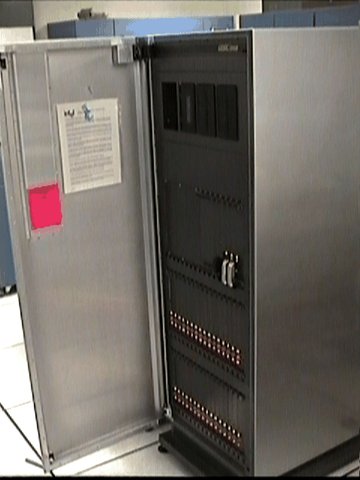
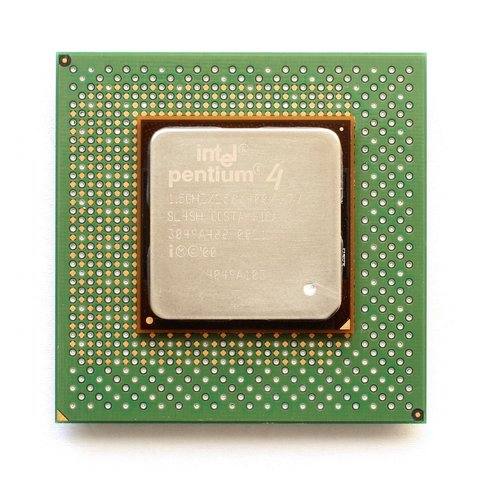
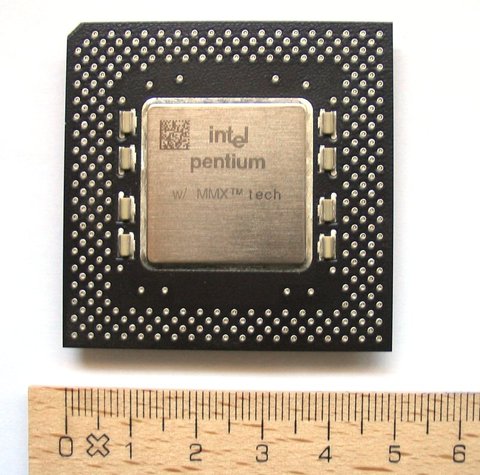
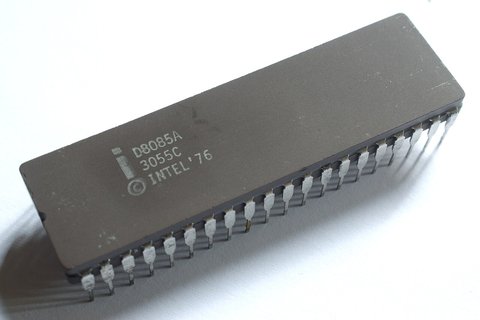
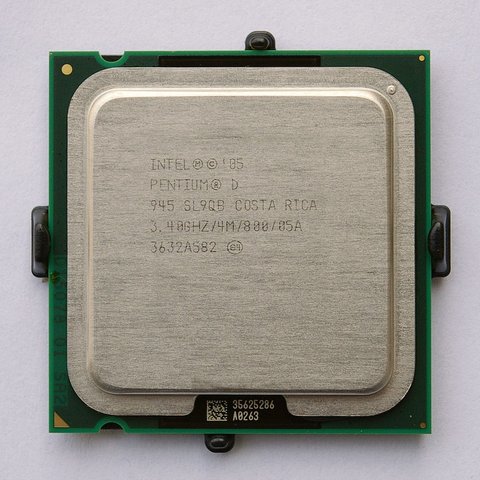
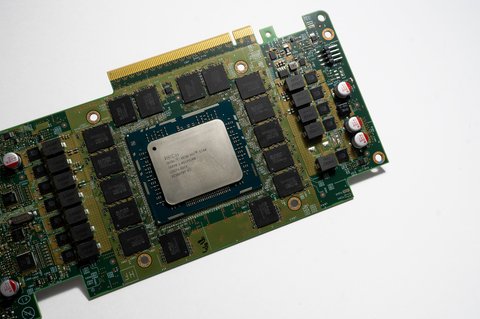
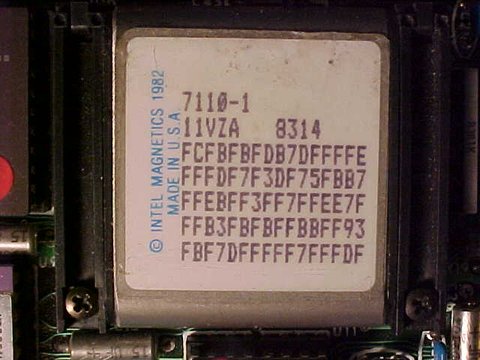
The photograph shows a 75 MHz Pentium from the same P54 generation, with model and speed visible on its ceramic package. A photograph cannot prove that this individual chip contains the flawed table, so it is presented as the artifact type, not as the recalled specimen.
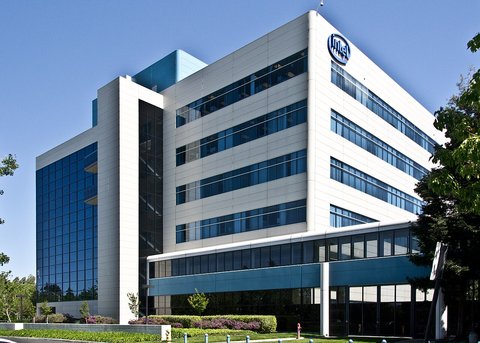
At Intel's Santa Clara headquarters, the public museum now includes the awkward chapters beside the successful ones. The number to carry from this pin is five: five missing table entries, enough to produce a nine-figure charge.
Photo: Futase_tdkr, public domain, via Wikimedia Commons.
















changes?
delete this memory?
We detected that you have a Blox in your crypto wallet! We will import the Blox into your account.
Click on done below to complete the import.
Welcome Back!
Sign in to preserve cherished moments
Don't have an account?
Welcome!!
Sign up and start preserving cherished moments
?
?







Choose your payment method
Buy with Metablox Credit
Do you want to mint Blox with Metablox Credit?
Which Crypto would you like to use?
Purchase Confirmed!
Your Blox is being minted on-chain and will appear in your profile shortly.
Log in or sign up to claim your Blox.
How many credits do you want to buy?
$100 USD = 1 Metablox Credit = 1 Blox.
Use Metablox Credit to mint any Blox you want on the map.
 expand_more