


Semiconductor History | 2200 Mission College Boulevard, 28 July 2022 — Optane Reaches the End of the Middle
· 2022-7
Personal memoryBy kevin · · updated · Report an issue














































































Find memories left by people near you.
Distribute Bounty
This will distribute the bounty equally among all qualifying memories. This action cannot be undone.
Cancel Bounty
Are you sure you want to cancel this bounty? The remaining amount will be refunded to your account.
Success!
Operation completed successfully.
Error
Something went wrong.
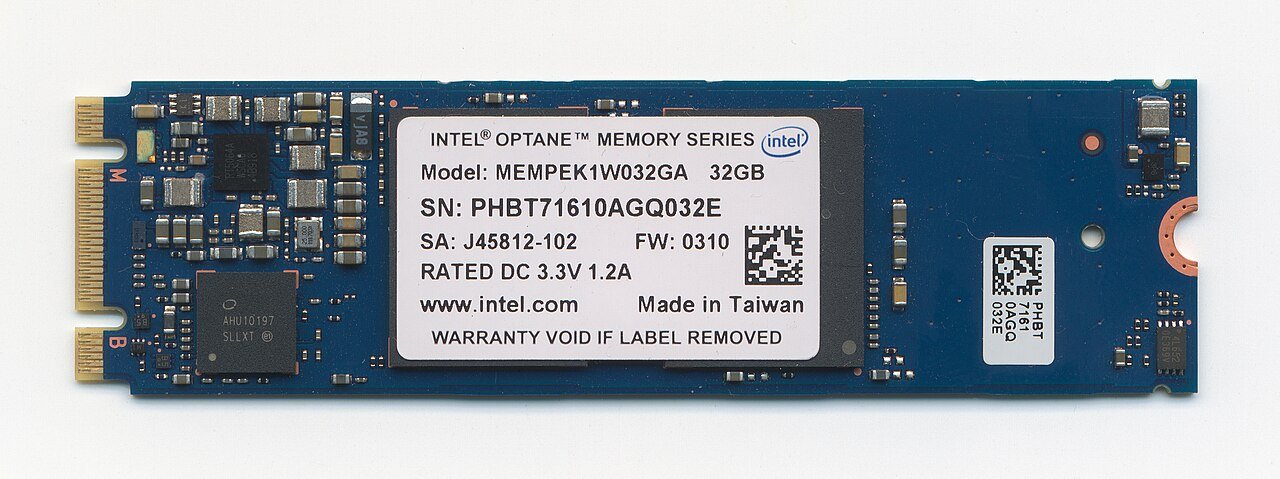
Semiconductor History | 2200 Mission College Boulevard, 28 July 2022 — Optane Reaches the End of the Middle
kevin
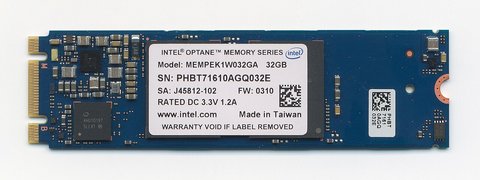
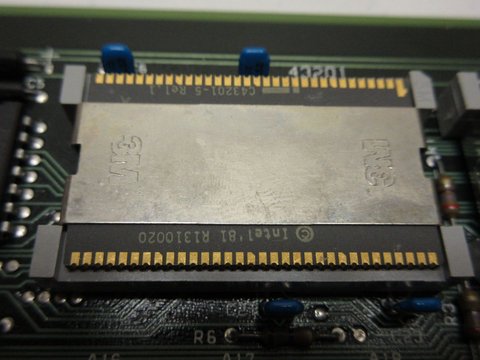
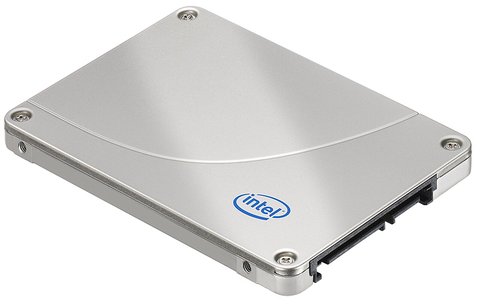
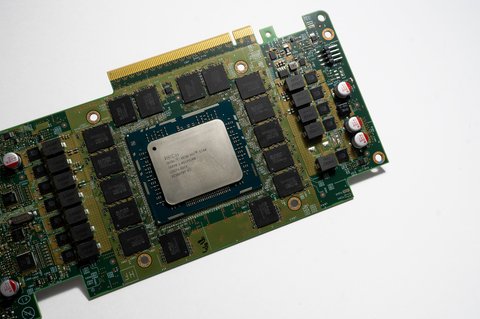
The label on this slim circuit board identifies a 32 GB Intel Optane Memory module made in Taiwan, small enough to disappear beneath a laptop cover.
Optane used 3D XPoint, the nonvolatile memory technology Intel and Micron announced together in 2015. It retained data without power, responded faster and endured more writes than NAND flash, and was intended to occupy a price and performance tier below DRAM.
That middle position was the invention and the commercial problem.
As a storage device, Optane was faster than conventional solid-state drives but remained expensive for buyers who mainly needed capacity. As persistent memory beside a server processor, it could hold large working data sets through power loss, but software and systems had to be designed to exploit a new layer between memory and storage.
Intel turned the technology into consumer cache modules, high-performance SSDs, and data-center persistent-memory modules.
The products found users who valued low latency, endurance, and recovery behavior, especially in databases and specialized servers. They did not produce enough manufacturing volume to drive costs down across a broad market, while ordinary NAND SSDs kept improving.
Micron eventually left the partnership's manufacturing side, and Intel sold its NAND business while retaining Optane. The technology then depended on one company sustaining fabrication, processors, platform support, and the software ecosystem around it.
On 28 July 2022, Intel disclosed during its second-quarter results that it was winding down Optane.
The company connected the decision to a sharper investment focus and a move toward CXL-based memory architectures. Its later annual filing recorded a substantial inventory impairment and promised to meet existing customer commitments while the business closed.
Optane progressed well beyond a laboratory demonstration.
It shipped in several product forms and showed that useful memory could exist between DRAM and flash. Its failure was economic and systemic: a new material needs volume, interfaces, software, and customers to arrive together, and excellent latency cannot assemble that market alone.
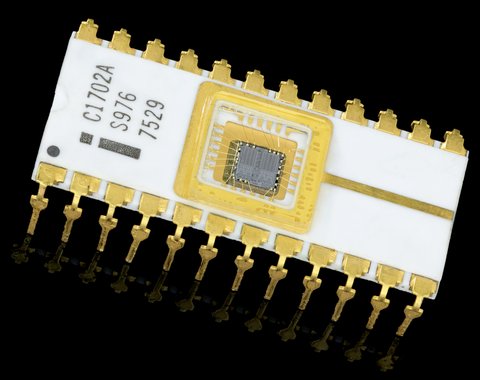
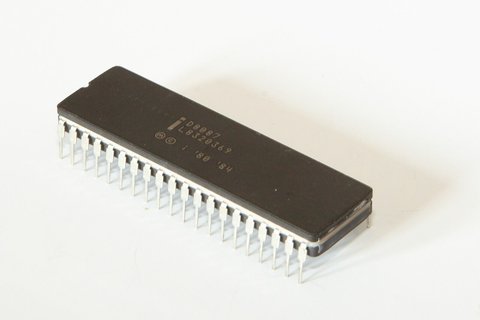
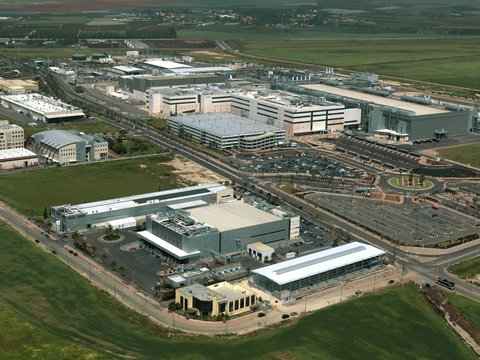
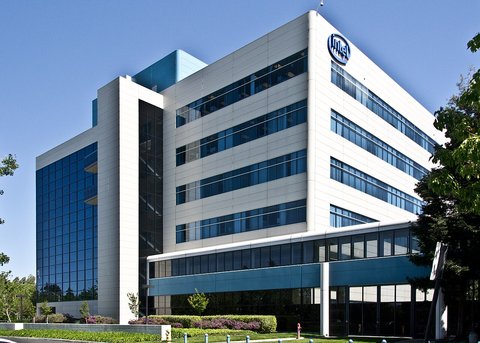
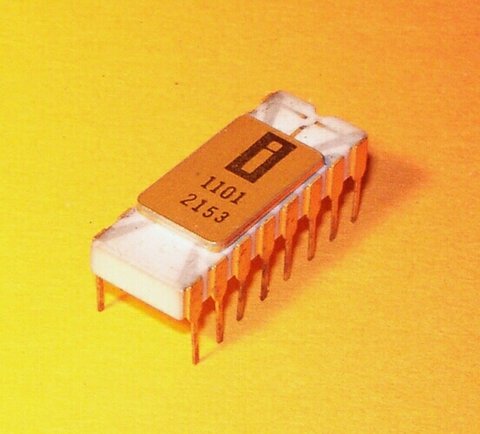
At Intel's Santa Clara museum, memory is where the corporate story begins. The Optane module adds a later ending: Intel again built a distinctive memory technology, then concluded that the business around it could not carry the factory.
Photo: Jacek Halicki, CC BY-SA 4.0, via Wikimedia Commons.
















changes?
delete this memory?
We detected that you have a Blox in your crypto wallet! We will import the Blox into your account.
Click on done below to complete the import.
Welcome Back!
Sign in to preserve cherished moments
Don't have an account?
Welcome!!
Sign up and start preserving cherished moments
?
?







Choose your payment method
Buy with Metablox Credit
Do you want to mint Blox with Metablox Credit?
Which Crypto would you like to use?
Purchase Confirmed!
Your Blox is being minted on-chain and will appear in your profile shortly.
Log in or sign up to claim your Blox.
How many credits do you want to buy?
$100 USD = 1 Metablox Credit = 1 Blox.
Use Metablox Credit to mint any Blox you want on the map.
 expand_more