


Semiconductor History | Moscone West, 17 February 2004 — When Intel Followed AMD into x86-64
· 2004-2
Personal memoryBy kevin · · updated · Report an issue














































































Find memories left by people near you.
Distribute Bounty
This will distribute the bounty equally among all qualifying memories. This action cannot be undone.
Cancel Bounty
Are you sure you want to cancel this bounty? The remaining amount will be refunded to your account.
Success!
Operation completed successfully.
Error
Something went wrong.
Semiconductor History | Moscone West, 17 February 2004 — When Intel Followed AMD into x86-64
kevin
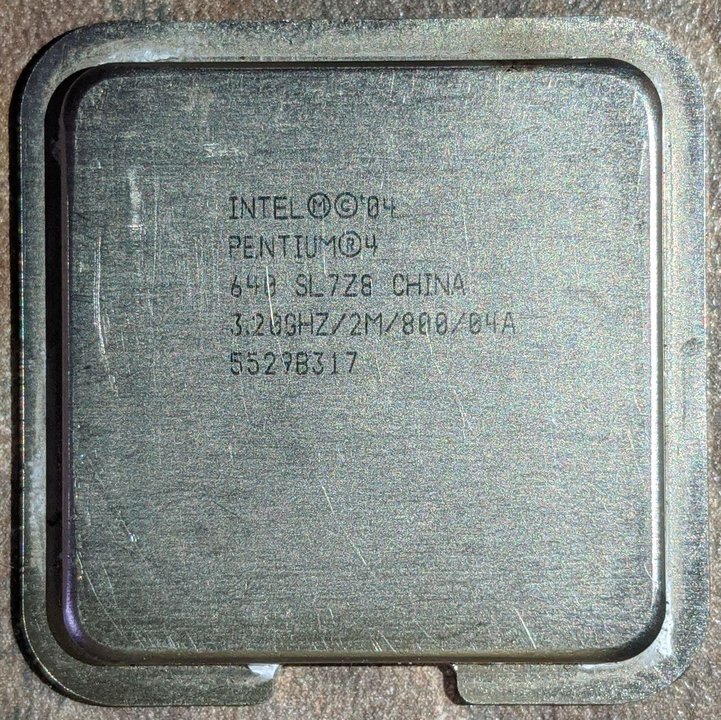
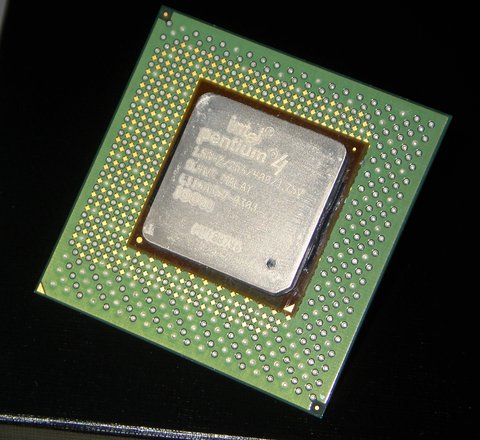
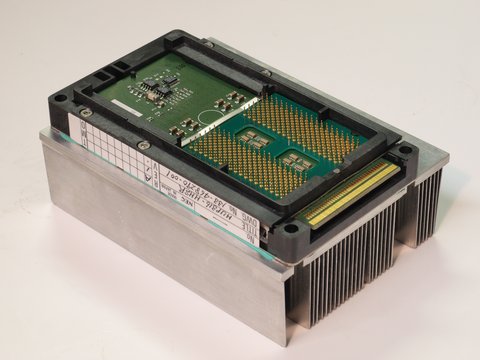
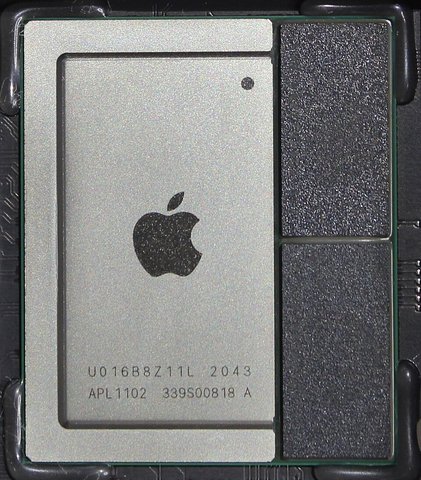
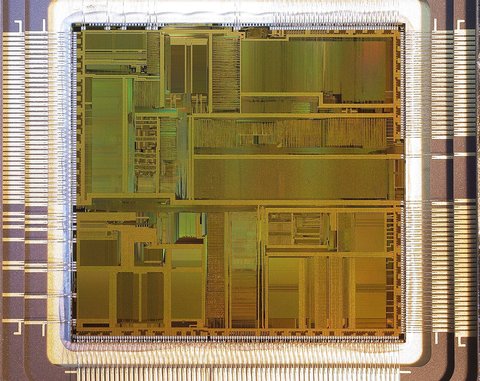
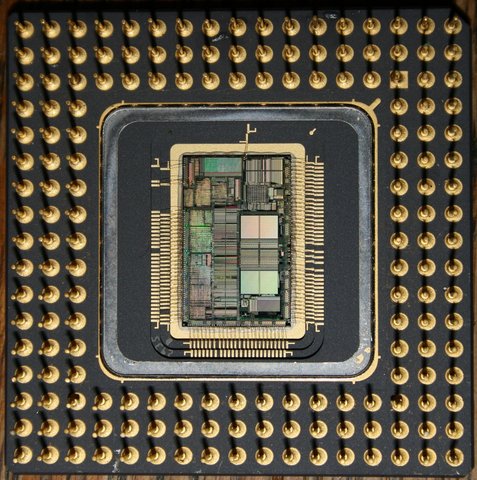
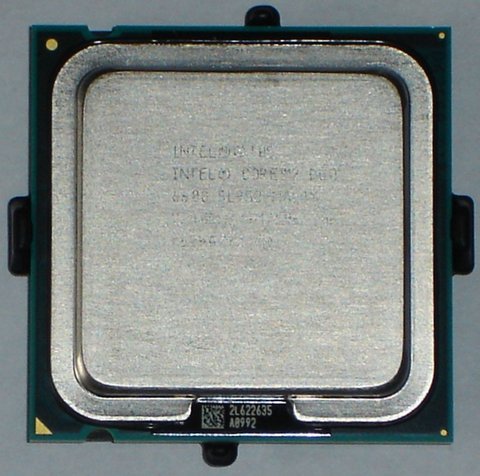
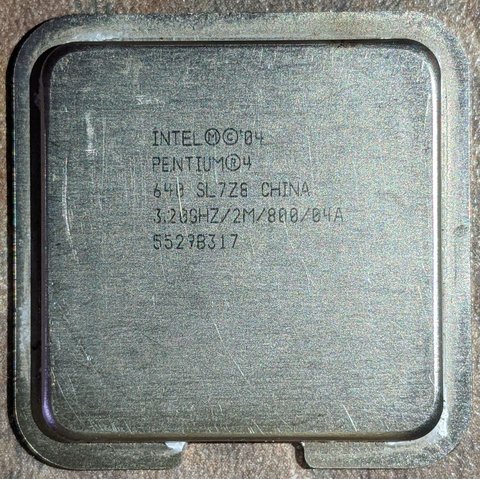
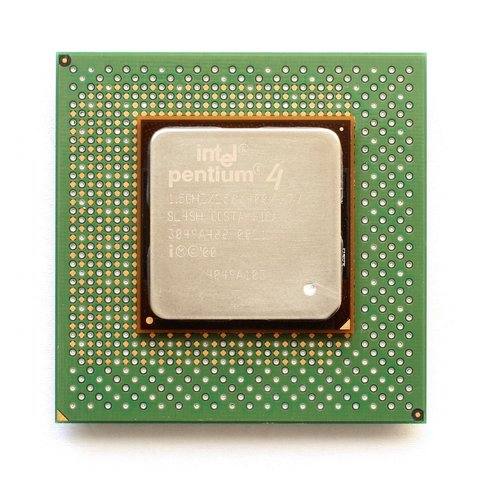
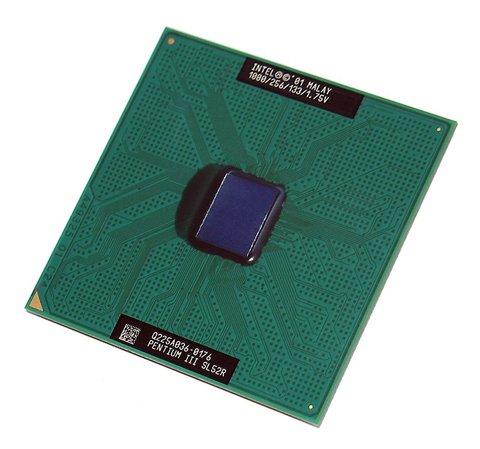
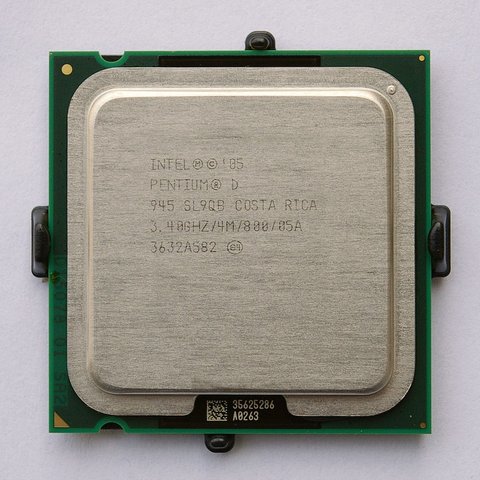
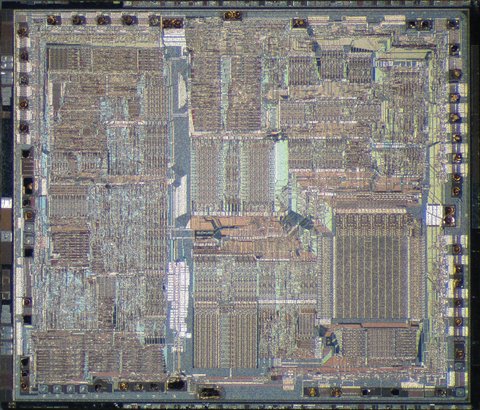
The Pentium 4 640 photographed here is a 2005 desktop implementation of the 64-bit extension Intel disclosed a year earlier.
On 17 February 2004, Intel chief executive Craig Barrett told developers at Moscone West that Intel would add 64-bit memory extensions to its established IA-32 architecture. Server and workstation processors were due first, followed later by desktop parts.
The announcement solved a real compatibility problem.
Intel and Hewlett-Packard had built Itanium as a separate 64-bit architecture, but adopting it required new operating systems, compilers, and applications. AMD instead extended x86 so a processor could run existing 32-bit software while offering a new 64-bit mode, and it shipped the AMD64-based Opteron in April 2003.
Intel's extension, first discussed as IA-32e and later marketed as EM64T and Intel 64, followed that software model closely enough for operating systems and applications to target both companies' processors in most cases. It enlarged general-purpose registers, added more registers, and let 64-bit software move beyond the flat four-gigabyte address space of a 32-bit process.
For customers, the reversal was useful.
They could expand memory and adopt 64-bit software without abandoning the x86 programs that ran their businesses. A common target also spared software vendors from maintaining incompatible mass-market 64-bit editions for Intel and AMD machines.
For Intel, it was an admission written in instruction sets.
The company with the dominant PC architecture had not chosen the successful evolutionary path; AMD had. Intel continued selling Itanium for specialized systems, but its volume processors adopted the rival's central compatibility decision, weakening the case that ordinary users should migrate away from x86 for 64-bit computing.
The result was good for the platform and uncomfortable for its steward. Intel used its manufacturing scale and customer reach to make x86-64 universal, while AMD's earlier design determined the direction that modern Intel processors still follow.
The pin marks Moscone Center West, where Barrett made the announcement to more than 4,800 attendees at the Intel Developer Forum. The convention building is publicly accessible only according to its event schedule.
Photo: Cole L, public domain, via Wikimedia Commons.




























changes?
delete this memory?
We detected that you have a Blox in your crypto wallet! We will import the Blox into your account.
Click on done below to complete the import.
Welcome Back!
Sign in to preserve cherished moments
Don't have an account?
Welcome!!
Sign up and start preserving cherished moments
?
?







Choose your payment method
Buy with Metablox Credit
Do you want to mint Blox with Metablox Credit?
Which Crypto would you like to use?
Purchase Confirmed!
Your Blox is being minted on-chain and will appear in your profile shortly.
Log in or sign up to claim your Blox.
How many credits do you want to buy?
$100 USD = 1 Metablox Credit = 1 Blox.
Use Metablox Credit to mint any Blox you want on the map.
 expand_more