


Semiconductor History | Berlaymont, 13 May 2009 — The Billion-Euro Intel Case That Would Not End
· 2009-5
Personal memoryBy kevin · · updated · Report an issue














































































Find memories left by people near you.
Distribute Bounty
This will distribute the bounty equally among all qualifying memories. This action cannot be undone.
Cancel Bounty
Are you sure you want to cancel this bounty? The remaining amount will be refunded to your account.
Success!
Operation completed successfully.
Error
Something went wrong.

Semiconductor History | Berlaymont, 13 May 2009 — The Billion-Euro Intel Case That Would Not End
kevin
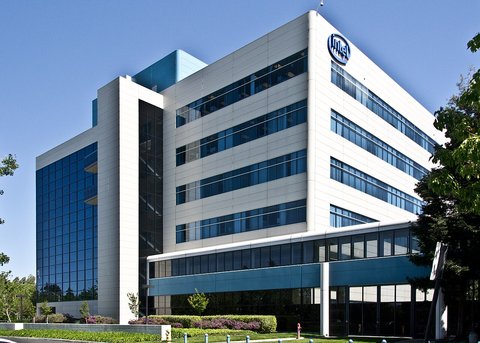
Behind the curved glass and metal fins of Brussels’ Berlaymont building, the European Commission announced one of the largest technology antitrust penalties of its era.
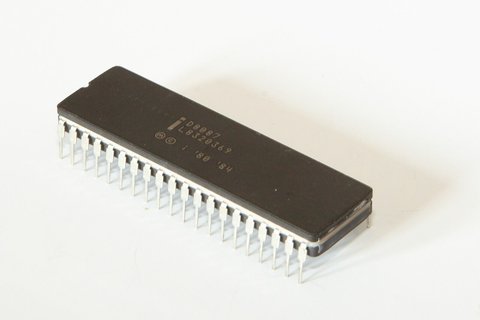
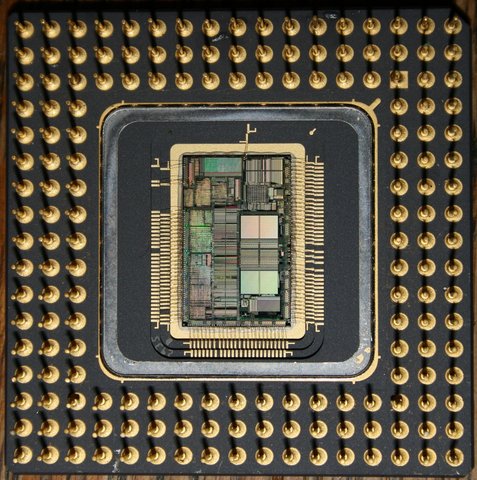
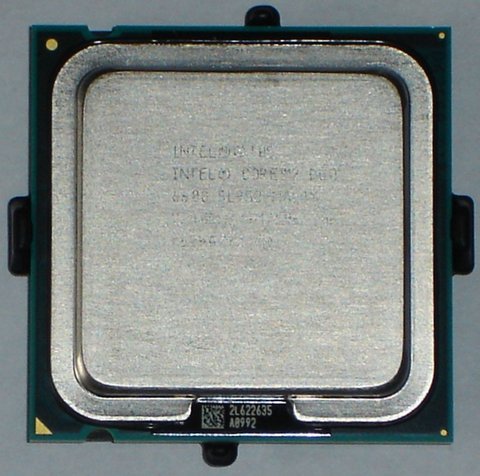
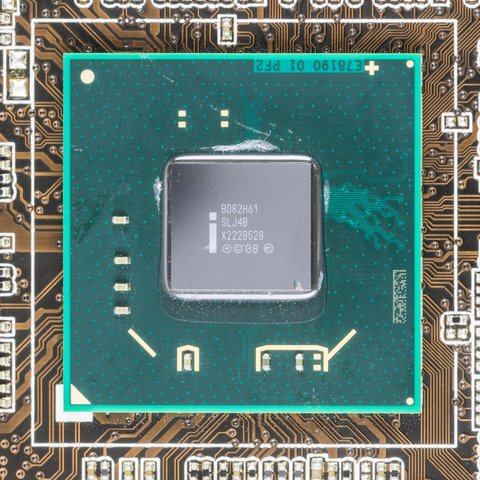
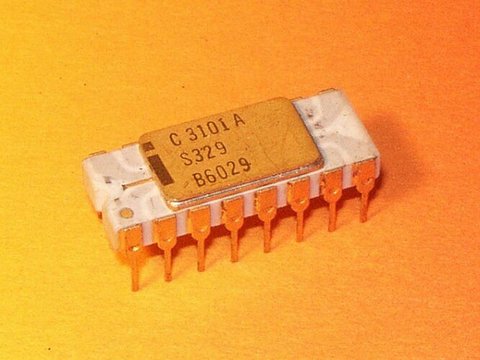
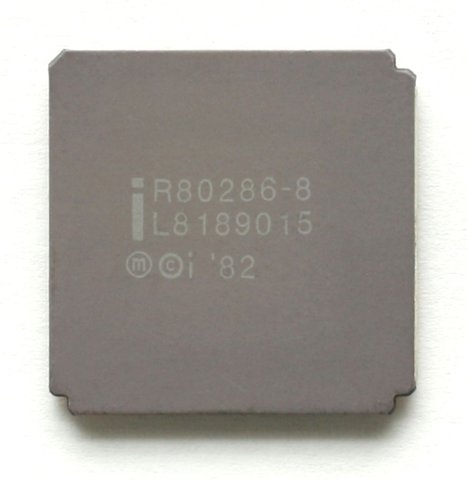
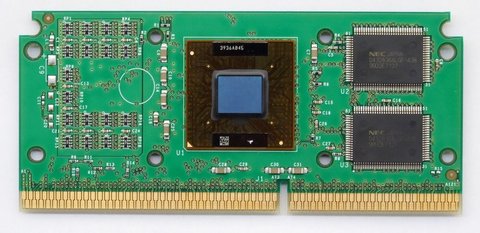
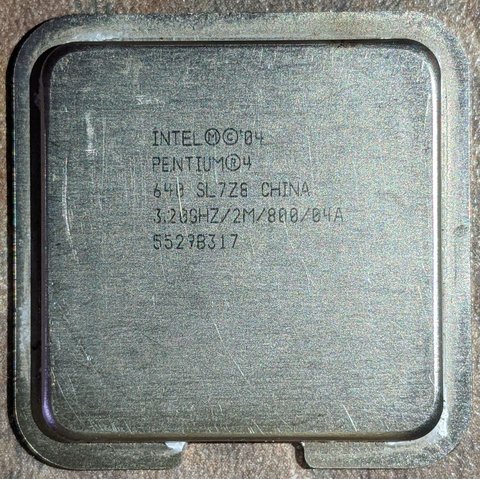
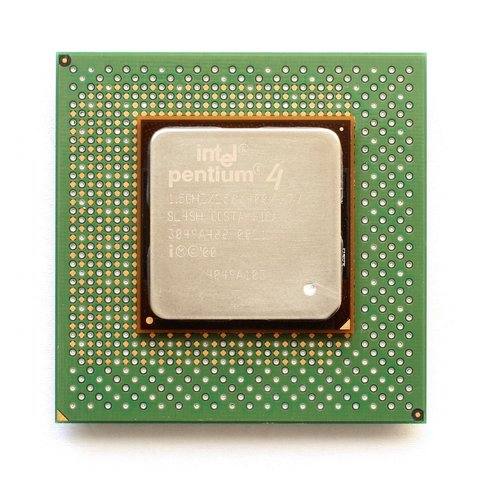
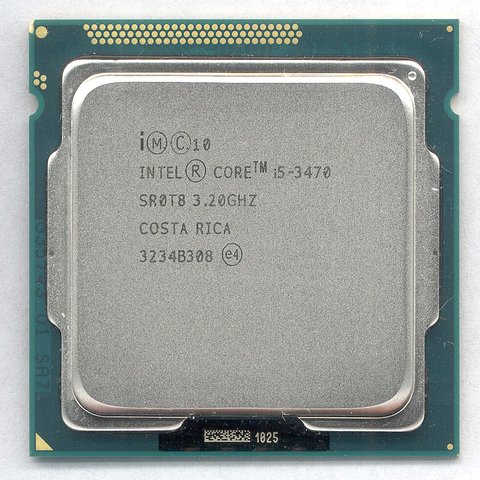
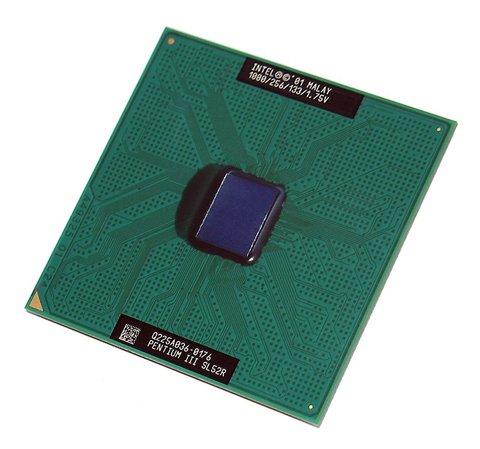
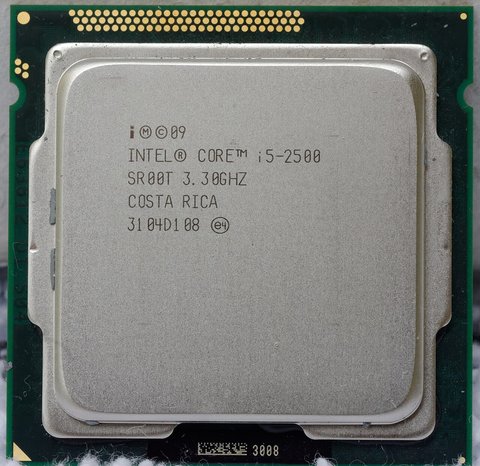
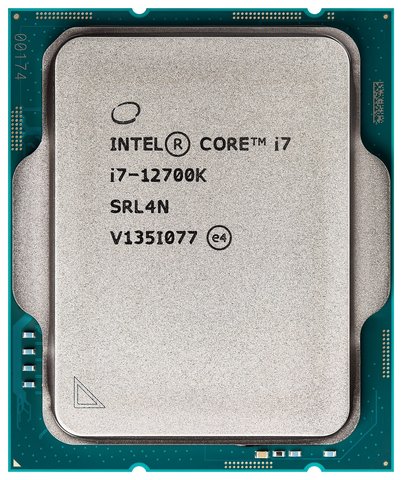
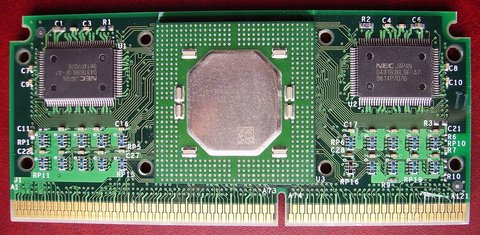
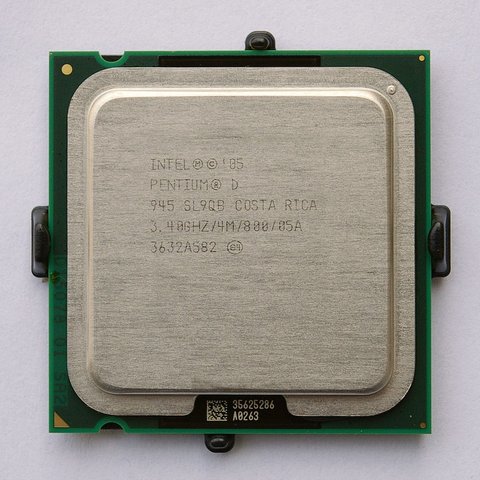
On 13 May 2009, the Commission fined Intel €1.06 billion for abusing a dominant position in x86 processors. It said Intel used conditional rebates to encourage major computer makers to buy all or nearly all of their x86 CPUs from Intel, paid a large retailer to sell only Intel-based computers, and paid manufacturers to delay, cancel, or restrict products using AMD chips.
The case identified a genuine danger in Intel’s success.
Scale, dependable supply, and fast processors benefited computer buyers, but dominance could make a discount more than a lower price. If a customer lost substantial rebates by purchasing even a small share from AMD, the arrangement could raise the effective cost of choosing a rival and close distribution channels without an outright refusal to deal.
The legal process also exposed weaknesses in the Commission’s proof.
The General Court upheld the decision in 2014, but the Court of Justice set that judgment aside in 2017 and required closer examination of whether the rebates were capable of excluding an equally efficient competitor. In 2022, the General Court annulled the rebate portion and the original fine because the effects analysis had not established the conduct sufficiently; the Court of Justice rejected the Commission’s appeal in 2024.
That did not erase the whole case.
Separate payments described as “naked restrictions” on AMD-based products remained established. The Commission imposed a new €376.358 million fine for those practices in 2023.
In December 2025, the General Court upheld that decision but reduced the fine to €237.10554 million after weighing the limited number of affected computers and a gap between parts of the conduct.
Intel appealed again. As of August 2026, case C-143/26 P was pending before the Court of Justice.
The history resists a slogan. Intel was not cleared of every exclusionary act, and the Commission’s original billion-euro theory did not survive intact.
The fifteen-year sequence instead changed the evidentiary standard for loyalty rebates while preserving liability for direct payments to suppress rival products.
The pin marks the Berlaymont, the Commission’s headquarters at 200 Rue de la Loi. Its exterior and surrounding public streets are accessible; entry to working areas is controlled.
Photo: Cbliu, CC BY-SA 4.0, via Wikimedia Commons.




























changes?
delete this memory?
We detected that you have a Blox in your crypto wallet! We will import the Blox into your account.
Click on done below to complete the import.
Welcome Back!
Sign in to preserve cherished moments
Don't have an account?
Welcome!!
Sign up and start preserving cherished moments
?
?







Choose your payment method
Buy with Metablox Credit
Do you want to mint Blox with Metablox Credit?
Which Crypto would you like to use?
Purchase Confirmed!
Your Blox is being minted on-chain and will appear in your profile shortly.
Log in or sign up to claim your Blox.
How many credits do you want to buy?
$100 USD = 1 Metablox Credit = 1 Blox.
Use Metablox Credit to mint any Blox you want on the map.
 expand_more