


Semiconductor History | Intel Headquarters, 8 January 1997 — MMX Gives the Pentium a Multimedia Vocabulary
· 1997-1
Personal memoryBy kevin · · Report an issue














































































Find memories left by people near you.
Distribute Bounty
This will distribute the bounty equally among all qualifying memories. This action cannot be undone.
Cancel Bounty
Are you sure you want to cancel this bounty? The remaining amount will be refunded to your account.
Success!
Operation completed successfully.
Error
Something went wrong.
Semiconductor History | Intel Headquarters, 8 January 1997 — MMX Gives the Pentium a Multimedia Vocabulary
kevin
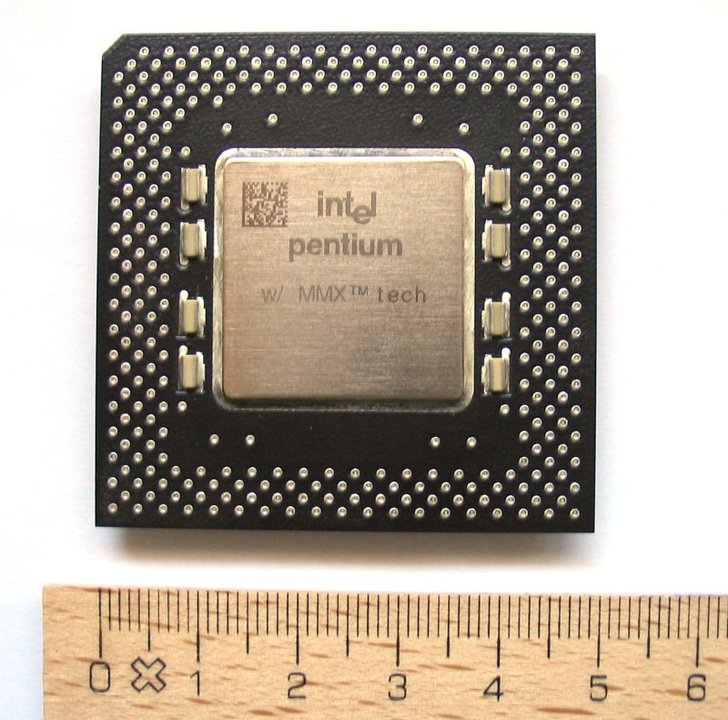
On 8 January 1997, Intel introduced Pentium processors with MMX technology, giving its mainstream PC chip 57 new instructions for repetitive integer work in images, audio, video, and communications. The headquarters pin follows Intel’s Santa Clara-datelined announcement; Intel also staged a launch event in a San Francisco warehouse near that week’s Macworld Expo.
MMX used single-instruction, multiple-data processing to work on several packed values at once. The first desktop parts ran at 166 and 200 megahertz, carried 4.5 million transistors, doubled the on-chip cache to 32 kilobytes, and retained compatibility with existing x86 software.
The good was a practical consumer response to the multimedia PC. Software that had been optimized for the new instructions could perform operations such as filtering, color conversion, audio processing, and compression with much more parallelism than ordinary scalar integer code.
Intel also coordinated computer makers and software developers around the launch, turning an instruction-set extension into a visible platform feature. The “Pentium processor with MMX technology” name—and the energetic advertising surrounding it—helped buyers connect an invisible architectural addition with video, games, and sound.
The benefits were not automatic. Existing programs still ran, but they needed rewritten routines or MMX-aware libraries to exploit the new instructions; contemporary coverage noted that ordinary software often gained mainly from the larger cache and faster core.
MMX also borrowed its eight 64-bit registers from the x87 floating-point register state. Intel’s developer manual warned programmers not to intermix MMX and floating-point instructions closely and required an EMMS cleanup when leaving an MMX section, making the extension less elegant than its marketing suggested.
Later SIMD designs expanded the idea with separate, wider registers and better support for floating-point work. MMX nevertheless established an enduring principle inside x86: performance could grow by applying one instruction across multiple pieces of data, not only by raising clock speed.
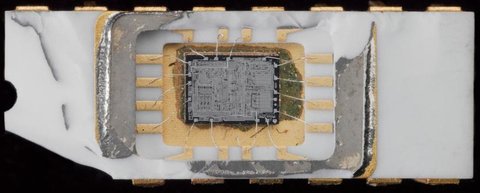
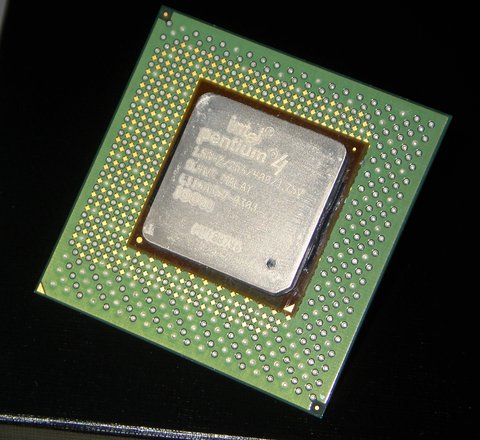
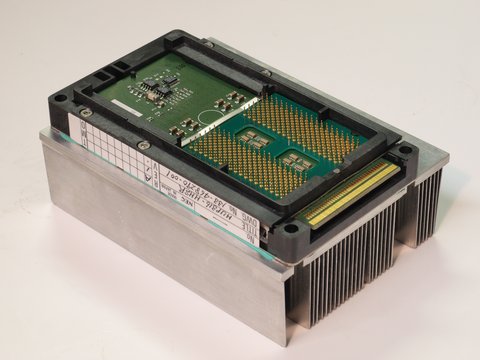
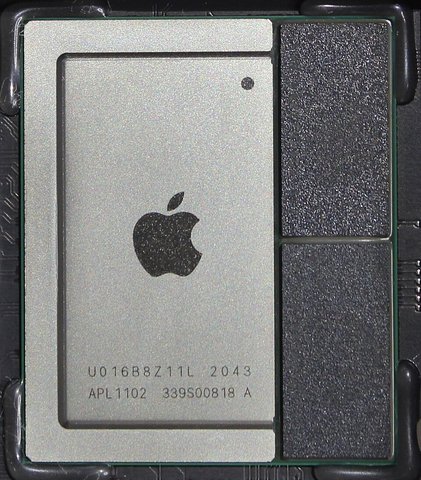
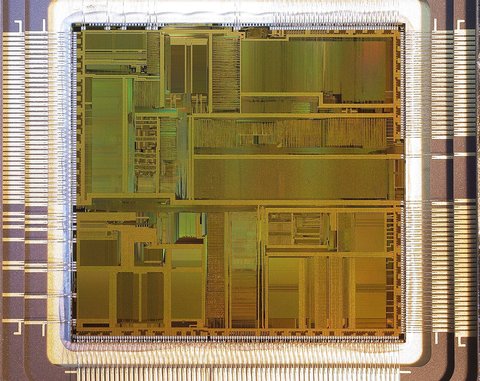
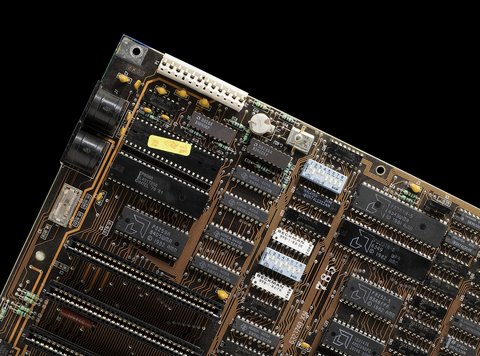
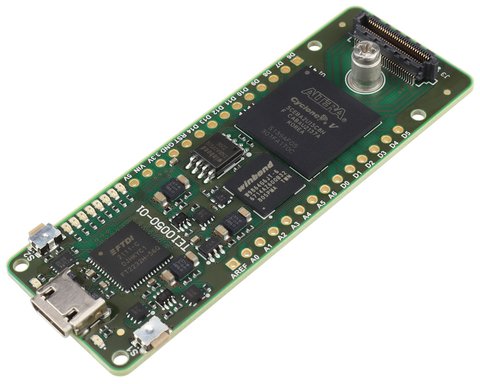
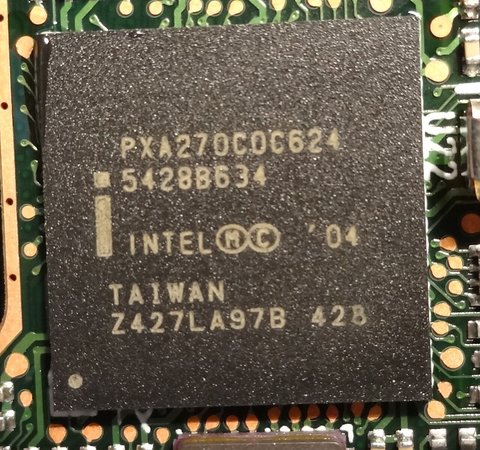
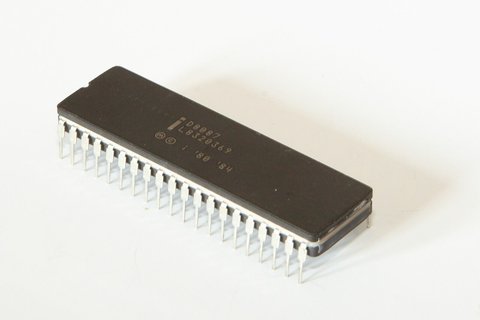
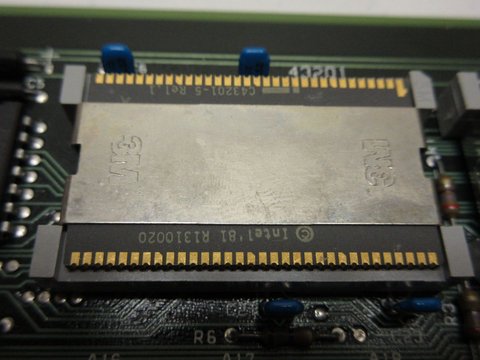
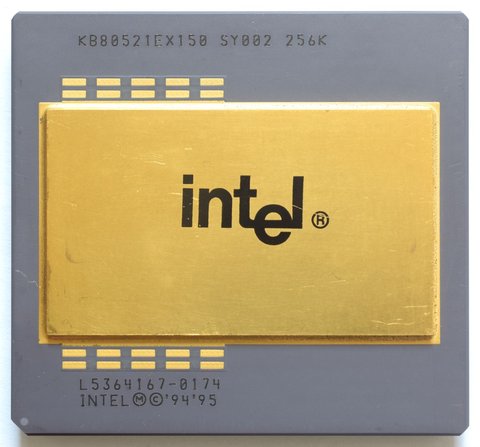
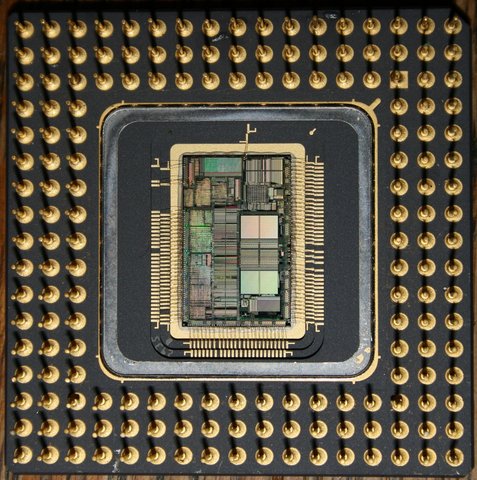
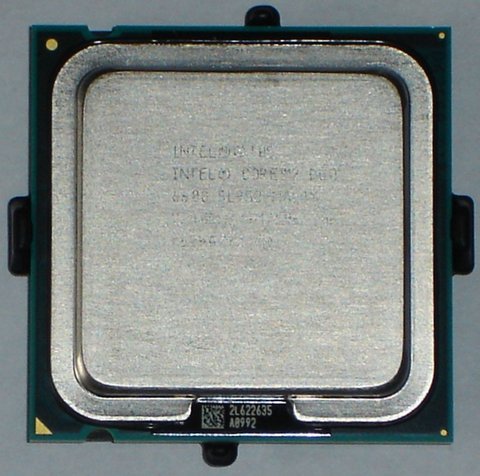
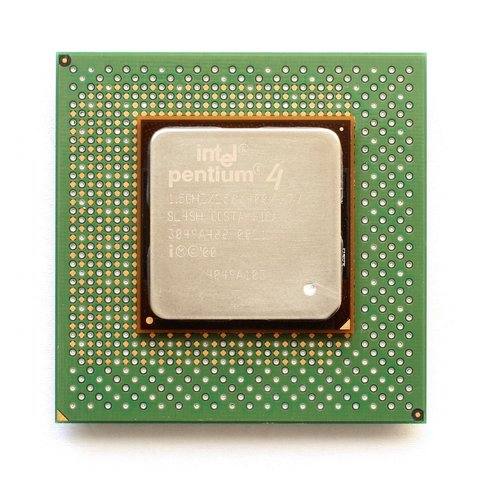
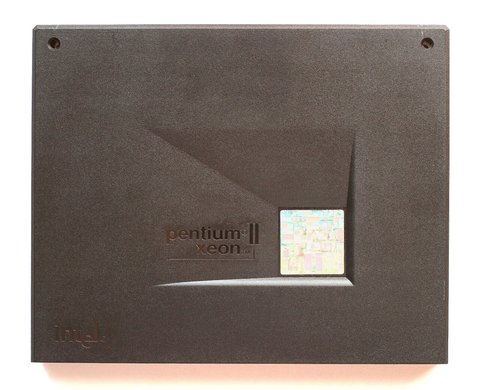
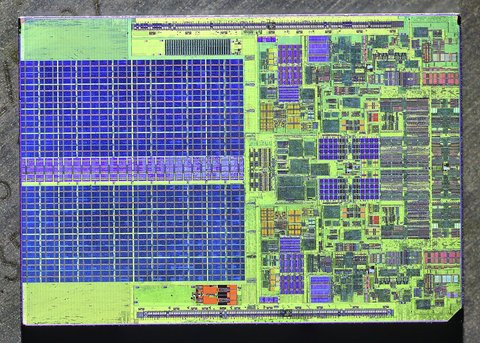
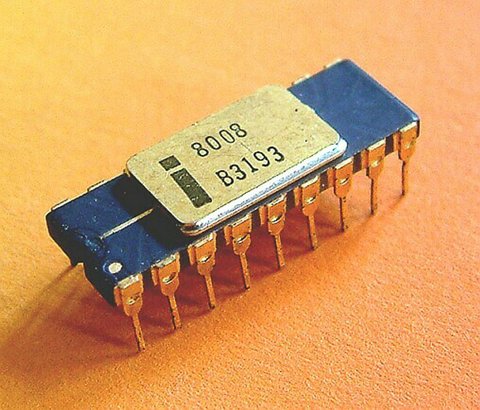
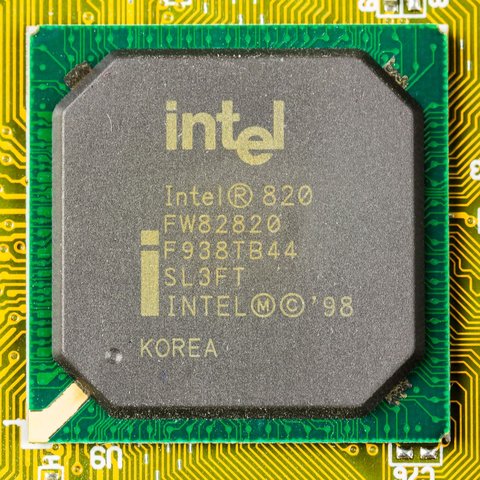
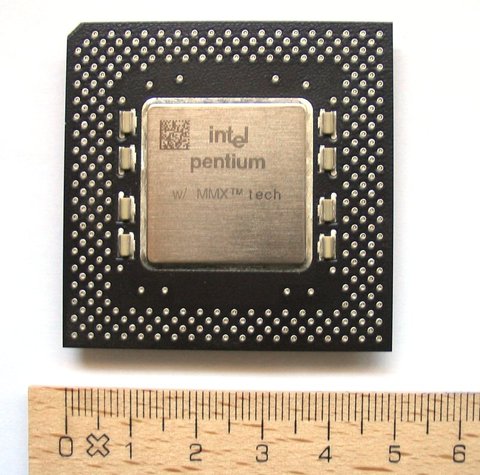
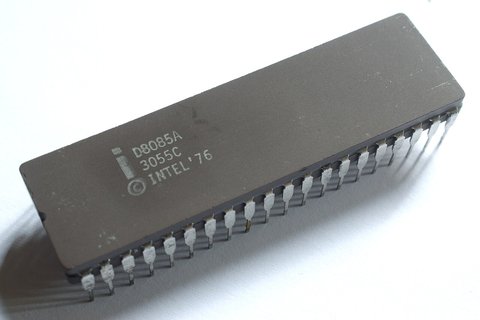
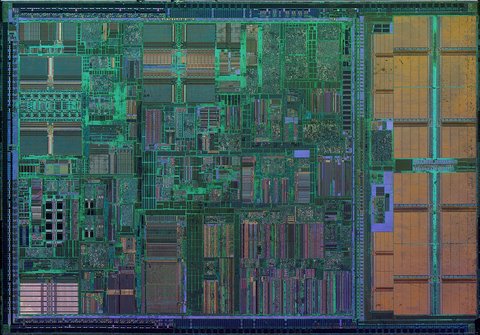
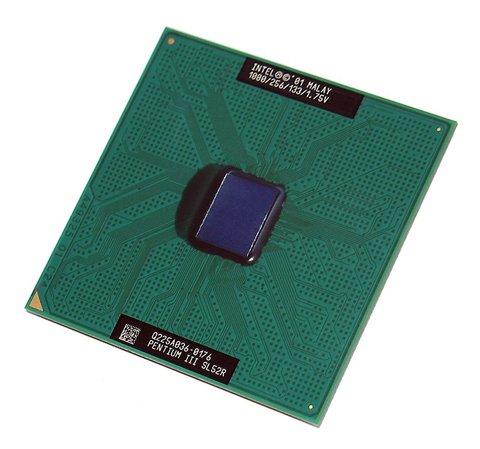
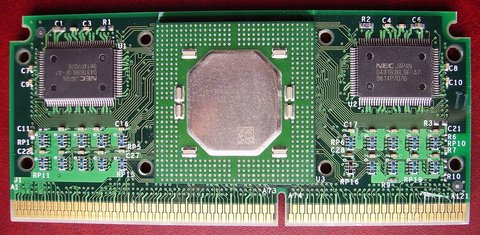
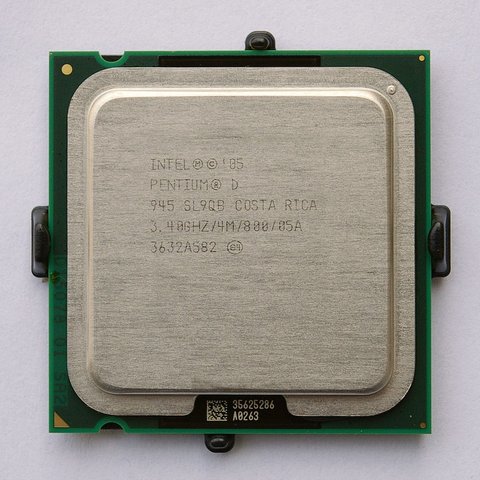
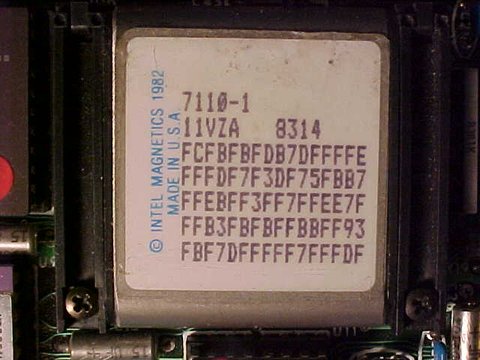
The photograph shows a production Pentium with MMX package beside a ruler, not the launch presentation. Its familiar ceramic-and-metal form conceals the real historical change—a new parallel vocabulary added without abandoning the enormous body of software that made Pentium valuable.
Photo: Unknown, public domain, via Wikimedia Commons



























changes?
delete this memory?
We detected that you have a Blox in your crypto wallet! We will import the Blox into your account.
Click on done below to complete the import.
Welcome Back!
Sign in to preserve cherished moments
Don't have an account?
Welcome!!
Sign up and start preserving cherished moments
?
?







Choose your payment method
Buy with Metablox Credit
Do you want to mint Blox with Metablox Credit?
Which Crypto would you like to use?
Purchase Confirmed!
Your Blox is being minted on-chain and will appear in your profile shortly.
Log in or sign up to claim your Blox.
How many credits do you want to buy?
$100 USD = 1 Metablox Credit = 1 Blox.
Use Metablox Credit to mint any Blox you want on the map.
 expand_more