


Semiconductor History | 3065 Bowers Avenue, 1 February 1982 — The 286 Protected Memory but Trapped Compatibility
· 1982-2
Personal memoryBy kevin · · updated · Report an issue






































































Find memories left by people near you.
Distribute Bounty
This will distribute the bounty equally among all qualifying memories. This action cannot be undone.
Cancel Bounty
Are you sure you want to cancel this bounty? The remaining amount will be refunded to your account.
Success!
Operation completed successfully.
Error
Something went wrong.
Semiconductor History | 3065 Bowers Avenue, 1 February 1982 — The 286 Protected Memory but Trapped Compatibility
kevin
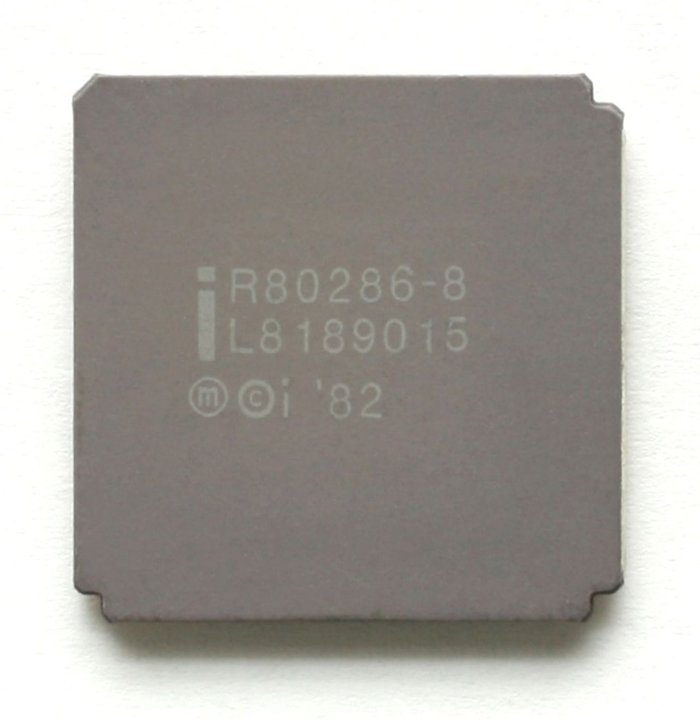
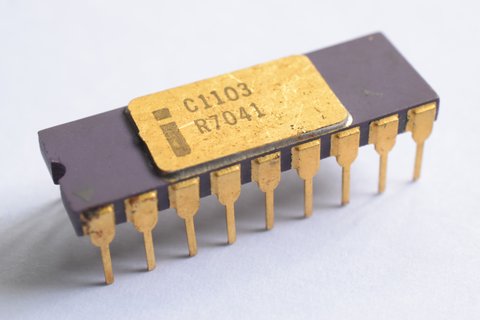
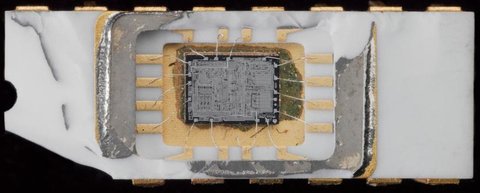
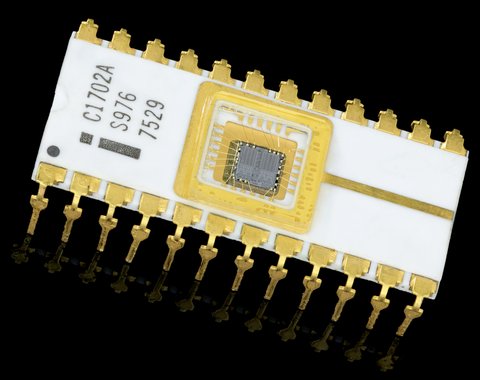
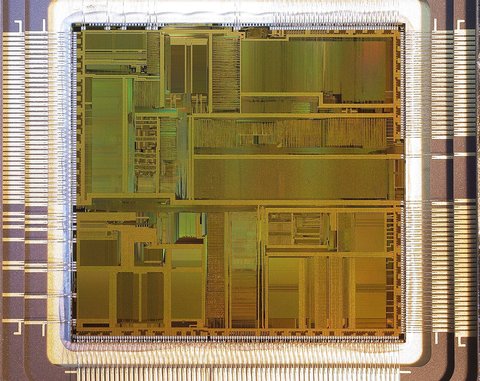
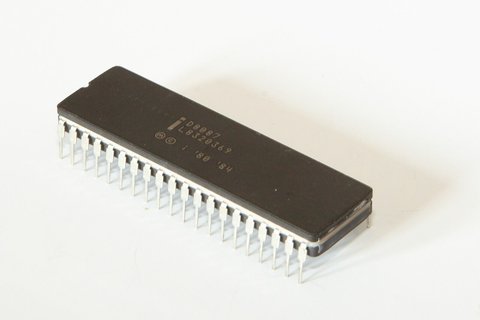
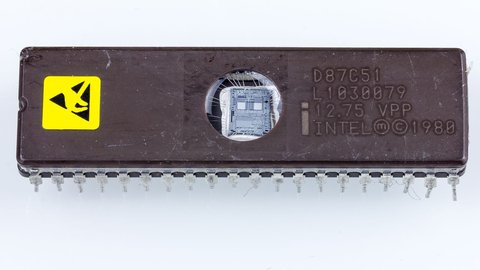
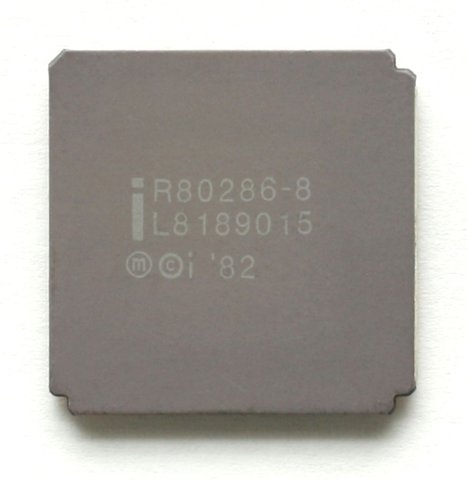
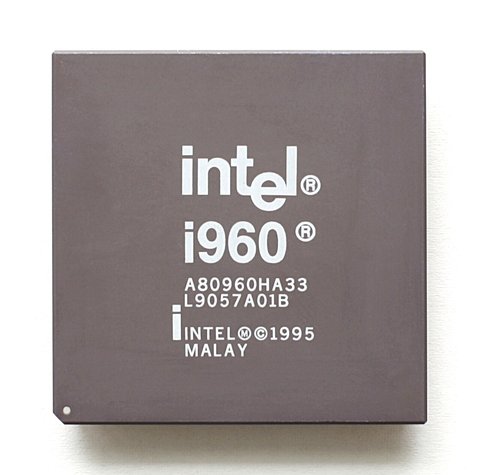
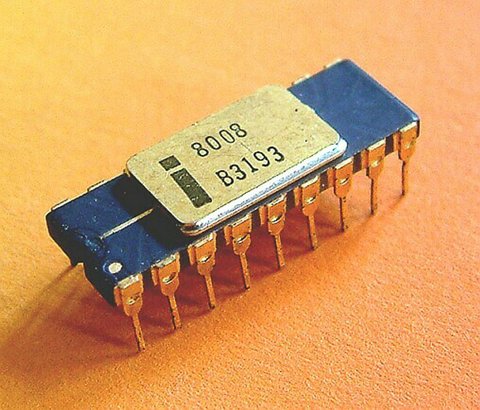
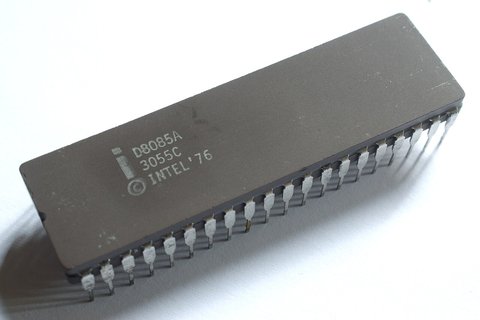
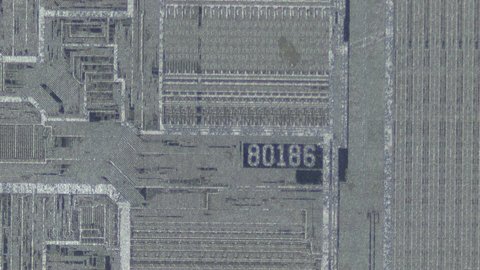
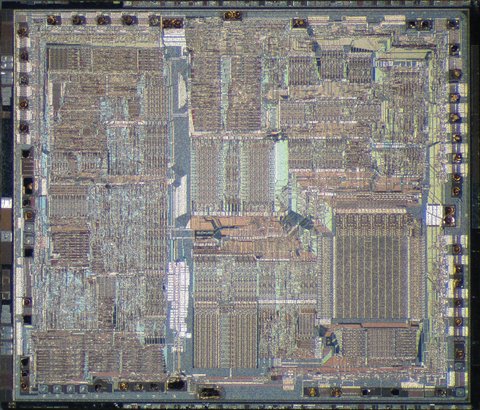
The R80286-8 marking on this ceramic processor identifies an eight-megahertz member of Intel's second major x86 generation.
Intel introduced the 80286 on 1 February 1982. The 16-bit chip contained about 134,000 transistors and expanded physical addressing from the 8086 family's one megabyte to sixteen megabytes.
Its larger advance was protected mode.
An operating system could define memory segments, assign privilege levels, isolate programs, and switch among tasks with hardware assistance. Those mechanisms aimed beyond the single-user DOS machines then emerging, toward multiuser and multitasking systems that needed faults in one program to stop at a boundary.
Intel also preserved real mode so the new processor could start up like an 8086 and run existing software. That decision helped maintain the value of the growing x86 library, and IBM's use of the 286 in the 1984 PC/AT turned the processor into the foundation of a large compatible market.
The two modes did not fit together gracefully.
Once software set the protected-mode enable bit, Intel's own programmer's manual said it could not clear that bit except through RESET. A system that needed protected memory but also had to call real-mode BIOS or DOS services therefore had to arrange an awkward processor reset and recovery path.
The restriction mattered because backward compatibility was not an edge case; it was the reason many buyers wanted an x86 machine. Protected mode offered a more disciplined computer, while the software people actually owned kept pulling the system back toward its 8086 behavior.
Intel repaired the bargain in the 80386.
That successor could move back out of protected mode under software control and added virtual 8086 operation, allowing old applications to run inside a managed environment. The 286 still sold in large numbers, but its reset trap became a compact lesson in platform design: adding a powerful mode is insufficient when the transition around it ignores the installed base.
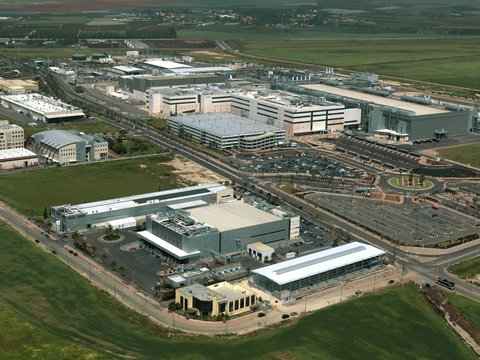
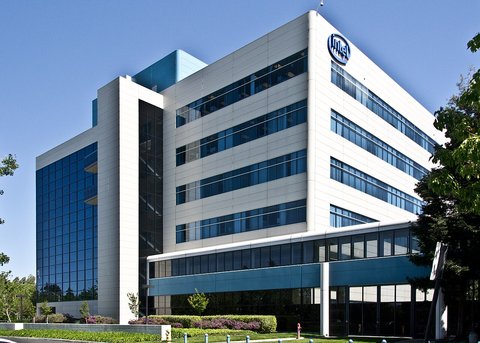
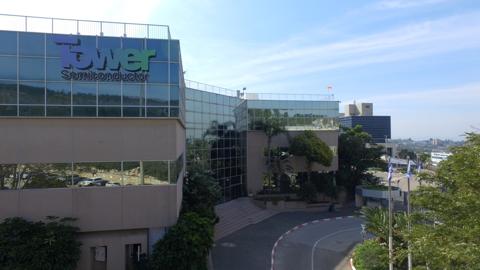
The pin marks Intel's Bowers Avenue campus, its corporate headquarters in 1982 and a central company site throughout the 286 era. It remains an operating Intel property; observe the historic campus only from public approaches.
Photo: Konstantin Lanzet, CC BY-SA 3.0, via Wikimedia Commons.
















changes?
delete this memory?
We detected that you have a Blox in your crypto wallet! We will import the Blox into your account.
Click on done below to complete the import.
Welcome Back!
Sign in to preserve cherished moments
Don't have an account?
Welcome!!
Sign up and start preserving cherished moments
?
?





Choose your payment method
Buy with Metablox Credit
Do you want to mint Blox with Metablox Credit?
Which Crypto would you like to use?
Purchase Confirmed!
Your Blox is being minted on-chain and will appear in your profile shortly.
Log in or sign up to claim your Blox.
How many credits do you want to buy?
$100 USD = 1 Metablox Credit = 1 Blox.
Use Metablox Credit to mint any Blox you want on the map.
 expand_more