


Semiconductor History | Intel SC1, March 1976 — The 8085 Shrinks an 8080 System Without Breaking Its Software
· 1976-3
Personal memoryBy kevin · · Report an issue













































































Find memories left by people near you.
Distribute Bounty
This will distribute the bounty equally among all qualifying memories. This action cannot be undone.
Cancel Bounty
Are you sure you want to cancel this bounty? The remaining amount will be refunded to your account.
Success!
Operation completed successfully.
Error
Something went wrong.
Semiconductor History | Intel SC1, March 1976 — The 8085 Shrinks an 8080 System Without Breaking Its Software
kevin
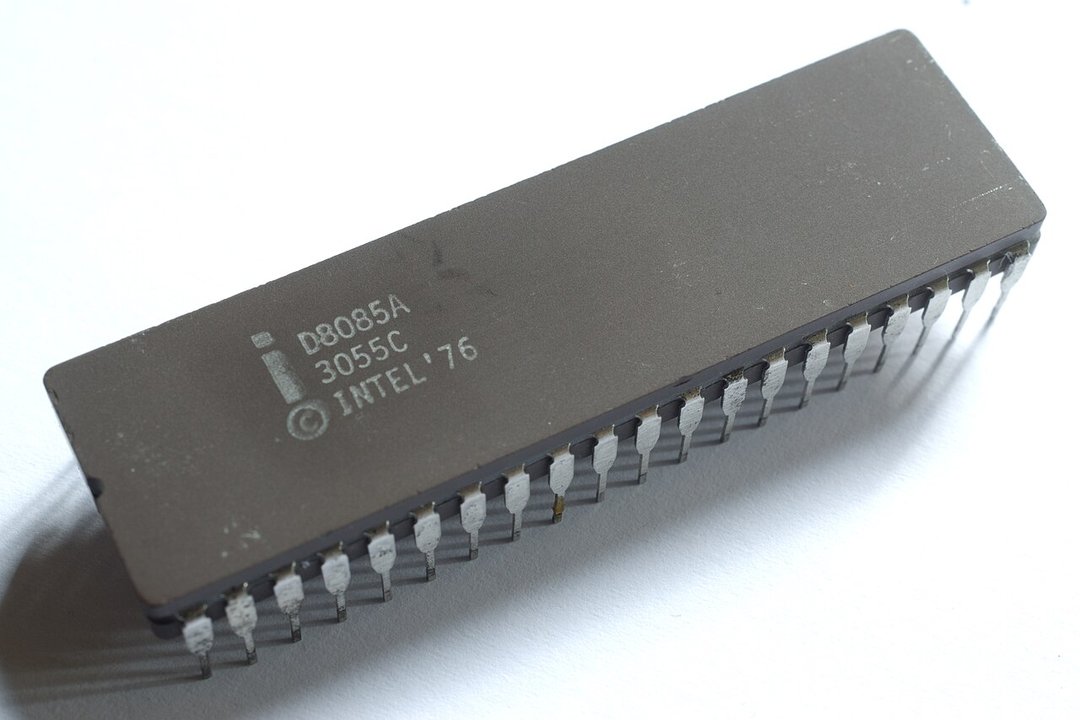
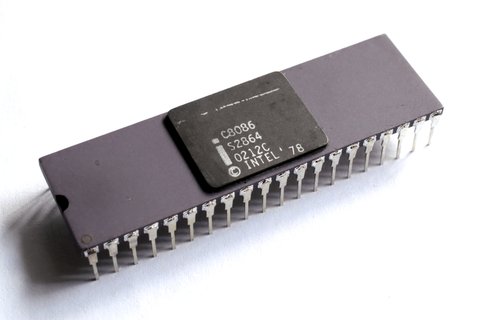
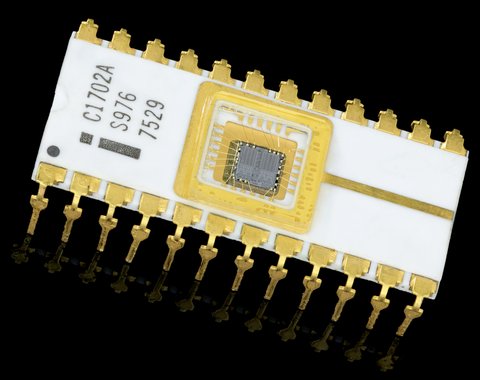
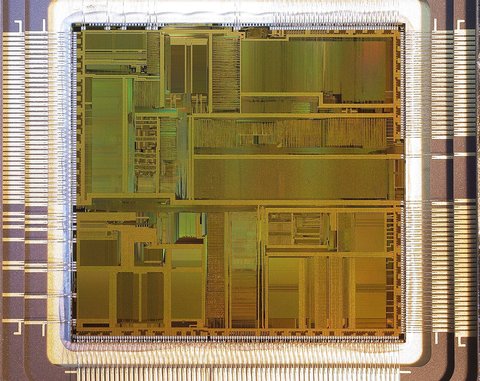
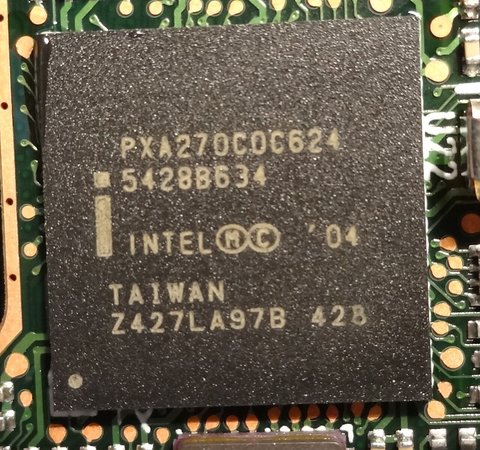
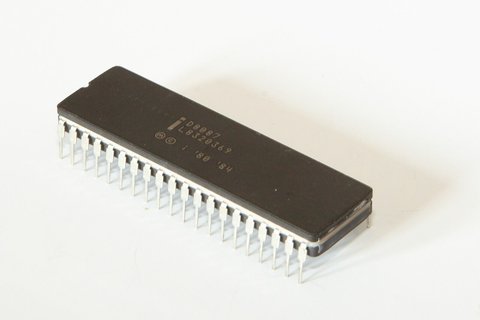
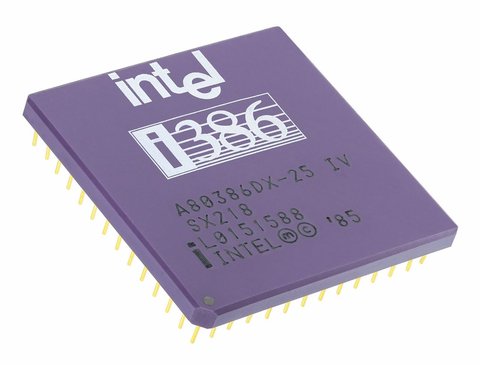
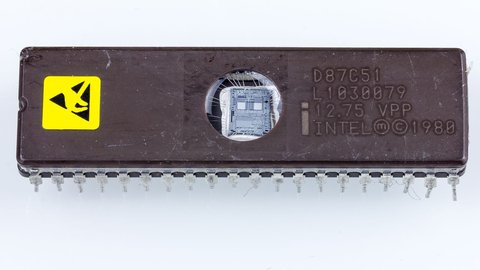
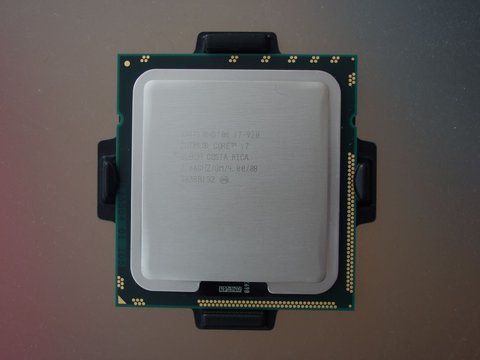
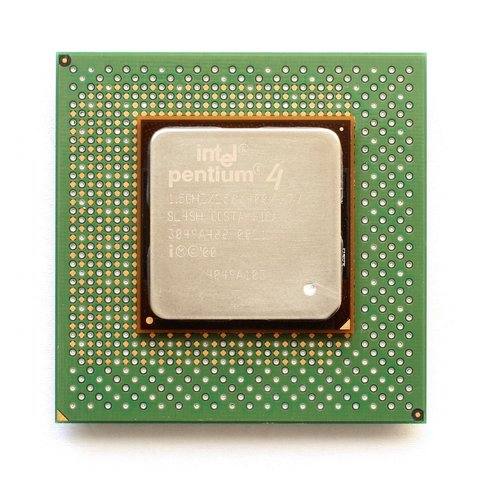
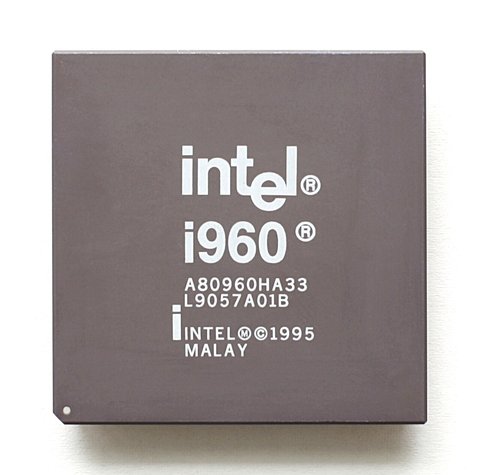
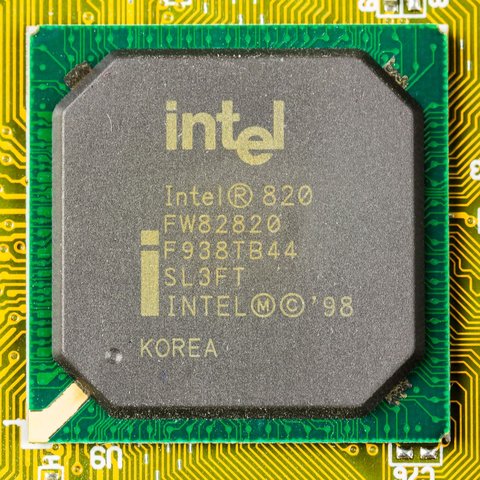
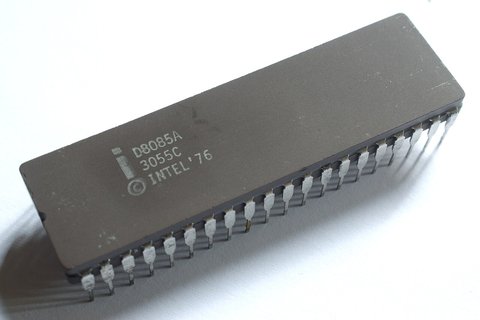
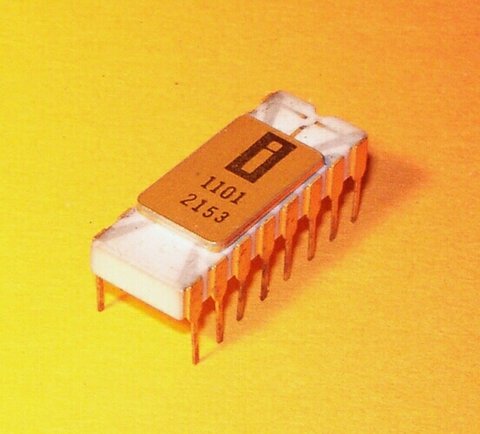
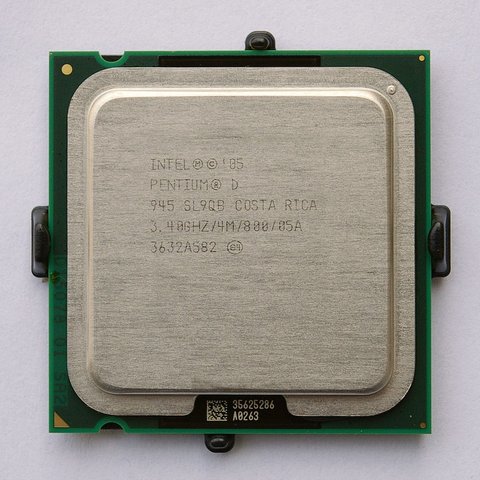
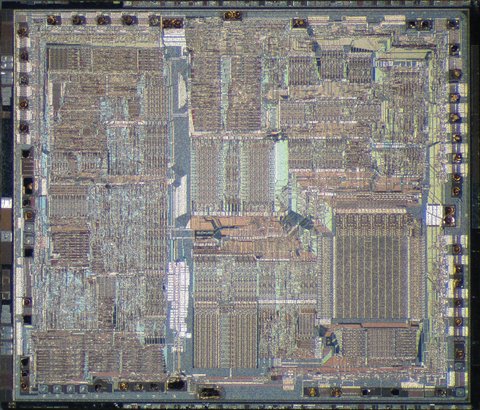
The “INTEL ’76” marking on this 8085 package dates it to the year Intel introduced a practical bridge between its first successful microprocessor family and the coming 16-bit era.
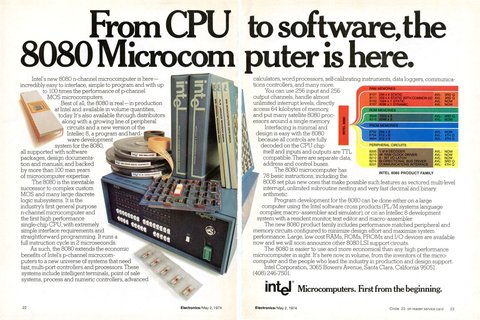
Intel listed the 8-bit 8085 in March 1976 at 5 megahertz. It remained software-compatible with the 8080A, so customers could preserve programs and expertise while simplifying the computer around the processor.
That simplification was the central achievement.
The 8080 normally needed several external support chips and multiple supply voltages. The 8085 used a single 5-volt supply and brought the clock generator, system controller, serial input and output, and additional interrupt functions onto the processor; Intel described a minimum system built with only three chips.
For industrial controls, instruments, terminals, and teaching systems, fewer parts could mean a smaller board, lower cost, and easier assembly. The chip also retained a 64-kilobyte address space and compatibility with existing 8080 software, making migration evolutionary rather than disruptive.
The compromises were equally characteristic of its time.
Intel multiplexed the low address byte with the data bus to fit the design into a 40-pin package. That saved pins but forced system builders to latch the address externally, and the architecture still carried the limits of an 8-bit machine just as larger programs and personal computers were demanding more memory and richer instruction sets.
Zilog’s Z80, designed by former Intel engineers, offered a larger register set and extra instructions while also running much 8080 software. It became especially strong in CP/M computers, while Intel’s strategic attention moved rapidly toward the 16-bit 8086.
The 8085 nevertheless endured far beyond a single product cycle.
Its clean compatibility story and modest system requirements made it a durable embedded and educational processor. The good and bad are inseparable: Intel reduced the cost of staying with the past, but that same continuity could not by itself define the next generation of general-purpose computing.
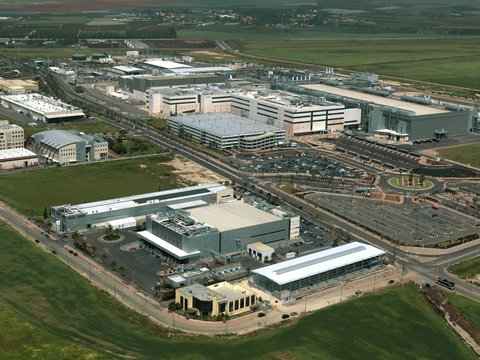
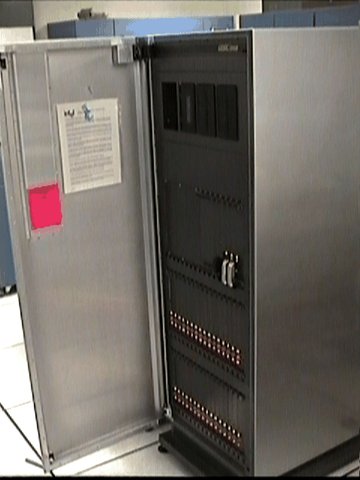
The pin marks Intel’s SC1 building on the Bowers campus, completed in 1971 and used for offices and fabrication. It is a corporate anchor for the 8085’s introduction, not a claim that a documented launch occurred in a particular room; the active campus should be viewed only from public streets.
Photo: Thomas Nguyen, CC BY-SA 4.0, via Wikimedia Commons.


















changes?
delete this memory?
We detected that you have a Blox in your crypto wallet! We will import the Blox into your account.
Click on done below to complete the import.
Welcome Back!
Sign in to preserve cherished moments
Don't have an account?
Welcome!!
Sign up and start preserving cherished moments
?
?







Choose your payment method
Buy with Metablox Credit
Do you want to mint Blox with Metablox Credit?
Which Crypto would you like to use?
Purchase Confirmed!
Your Blox is being minted on-chain and will appear in your profile shortly.
Log in or sign up to claim your Blox.
How many credits do you want to buy?
$100 USD = 1 Metablox Credit = 1 Blox.
Use Metablox Credit to mint any Blox you want on the map.
 expand_more