


Semiconductor History | Intel Headquarters, 20 November 2000 — Pentium 4 Trades Work per Clock for More Clock
· 2000-11
Personal memoryBy kevin · · Report an issue












































































Find memories left by people near you.
Distribute Bounty
This will distribute the bounty equally among all qualifying memories. This action cannot be undone.
Cancel Bounty
Are you sure you want to cancel this bounty? The remaining amount will be refunded to your account.
Success!
Operation completed successfully.
Error
Something went wrong.
Semiconductor History | Intel Headquarters, 20 November 2000 — Pentium 4 Trades Work per Clock for More Clock
kevin
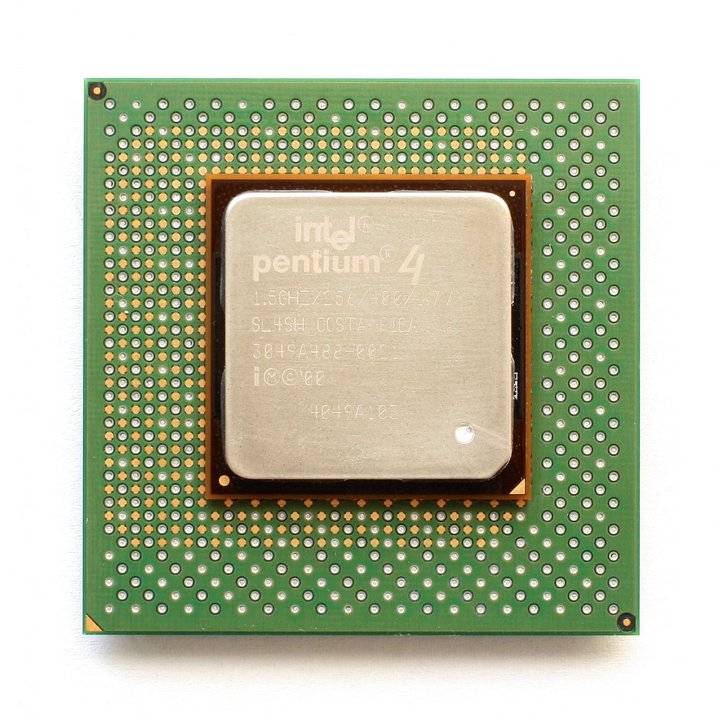
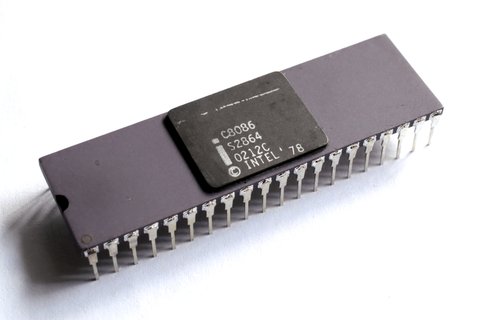
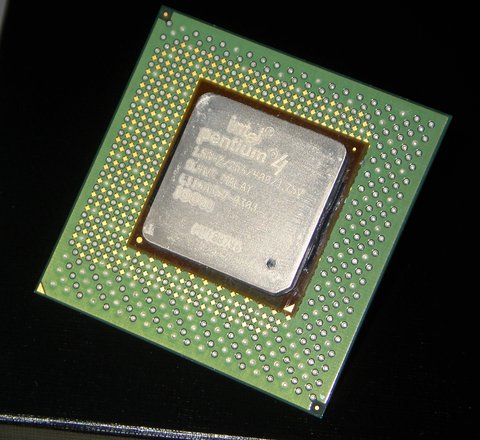
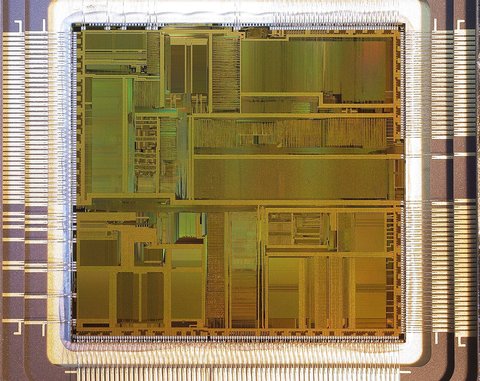
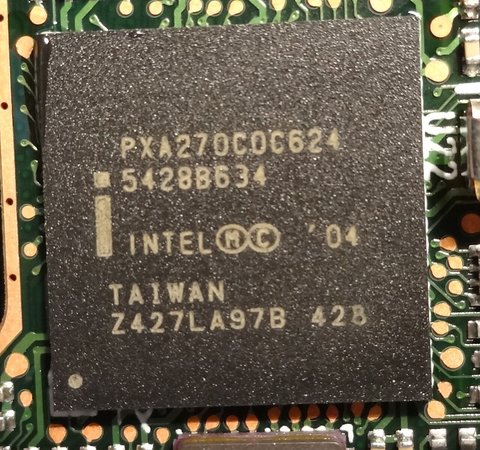
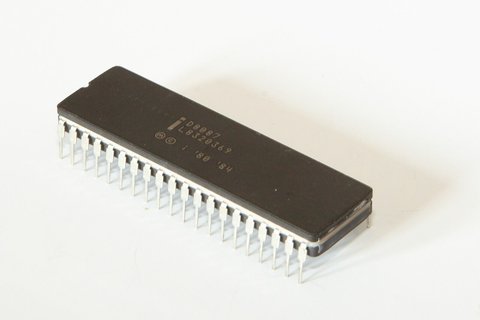
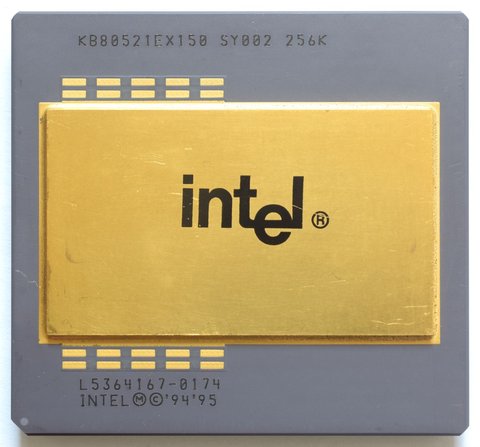
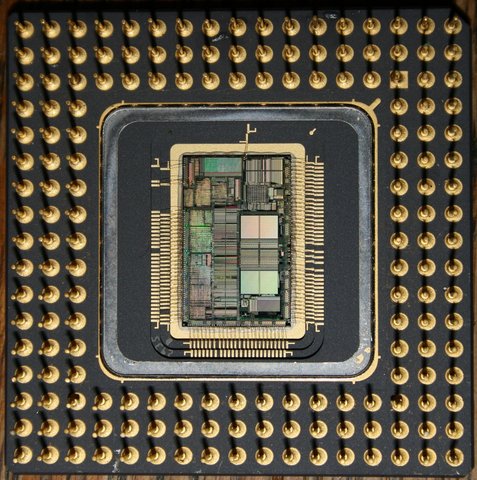
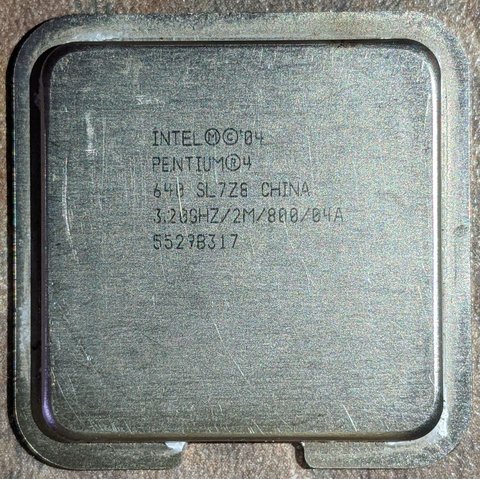
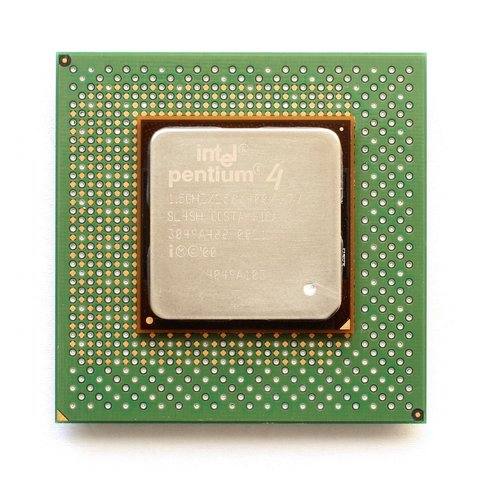
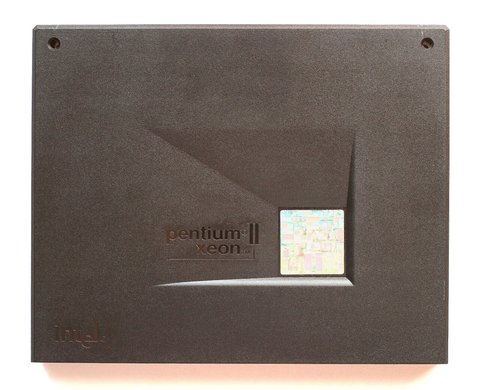
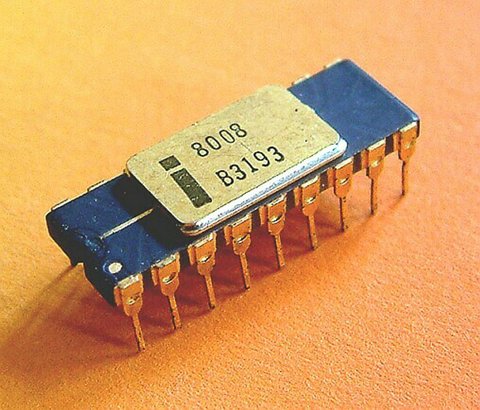
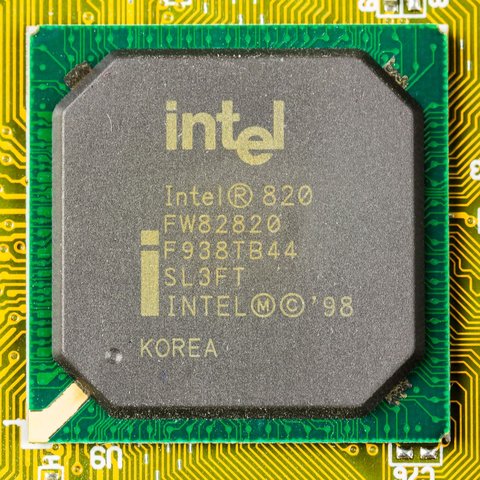
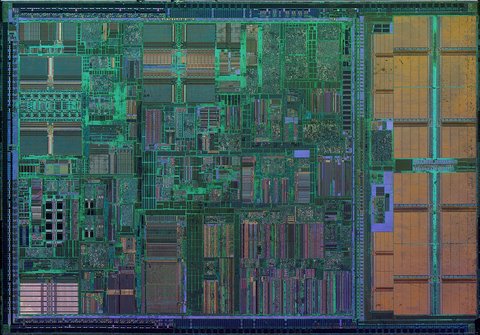
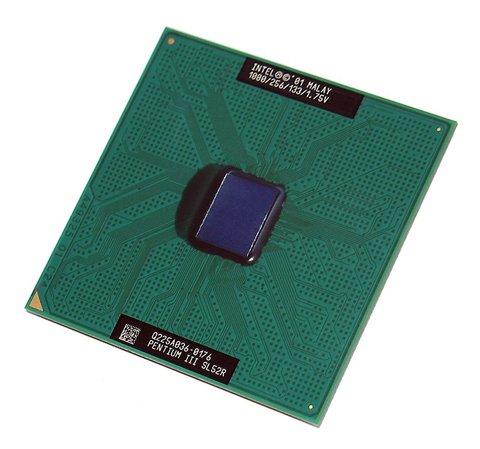
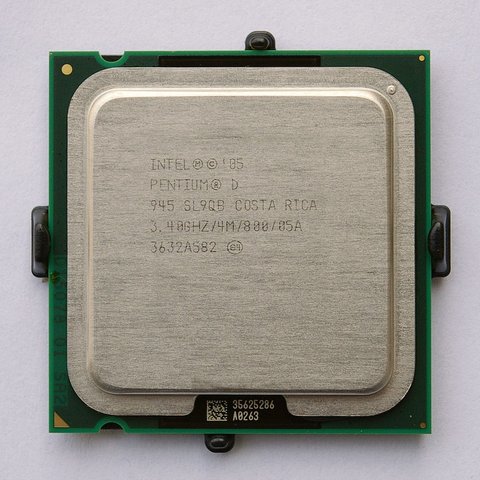
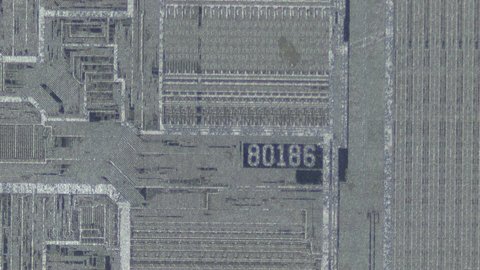
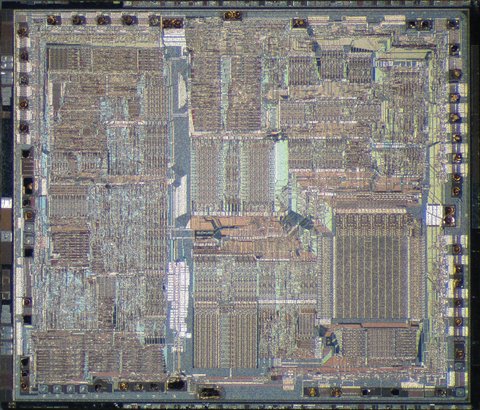
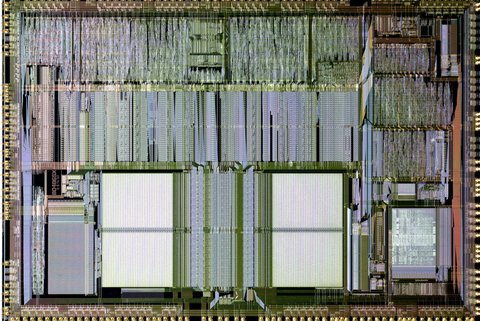
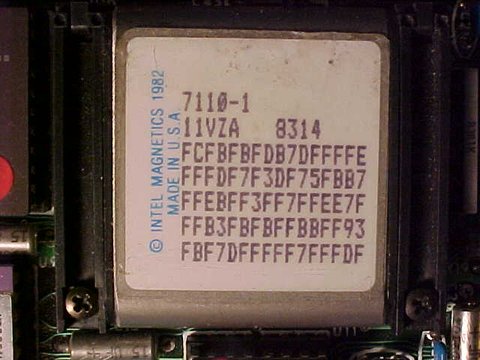
The writing on this first-generation Pentium 4 identifies the launch configuration: 1.5 gigahertz, 256 kilobytes of level-two cache, and a 400-megahertz system bus. Its large Socket 423 package carried a design optimized to make frequency rise.
Intel introduced the Pentium 4 on 20 November 2000 at 1.4 and 1.5 gigahertz. It was the company’s first new desktop microarchitecture since the Pentium Pro and arrived under the name NetBurst.
NetBurst made a deliberate trade.
Its 20-stage pipeline was twice as deep as the Pentium III’s, allowing less work in each stage and therefore a faster clock. An execution trace cache stored decoded operations, simple arithmetic units ran at twice the core frequency, a 400-megahertz bus fed dual-channel RDRAM, and 144 SSE2 instructions accelerated packed integer and floating-point media work.
The good was real engineering headroom.
Pentium 4 frequency climbed rapidly, later Northwood versions became strong desktop competitors, and the family introduced capabilities that lasted beyond it, especially SSE2. High memory bandwidth and software tuned for its vector instructions could make video, audio, rendering, and some games run well.
The launch also showed the cost of designing around the clock number.
A wrong branch could discard work spread across the long pipeline, while programs with limited parallelism completed fewer useful instructions per cycle than on shorter designs. Contemporary reviews found the expensive new chip uneven against cheaper Athlon and Pentium III systems.
Buyers also needed Intel’s 850 chipset and paired RDRAM, making the first platform costly and less flexible.
The costs grew as Intel pushed the idea further.
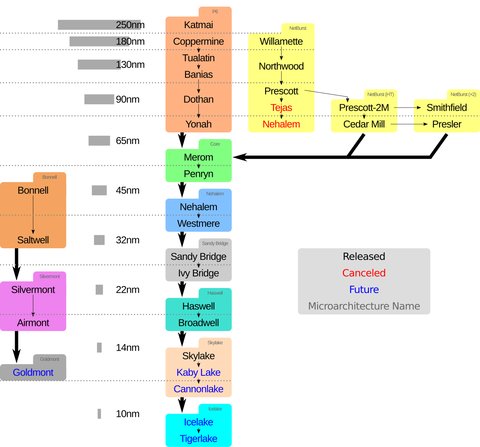
Later Prescott processors deepened the pipeline again and increased heat and power demands. Faster clocks could no longer conceal the efficiency problem, and Intel cancelled the planned Tejas successor in 2004 before returning to a shorter, performance-per-watt design with Core 2.
Pentium 4 was not simply a failure: it shipped for years, reached high frequencies, and carried durable instruction-set additions. Its mistake was treating one visible measure as the architecture’s organizing principle.
The launch promised that a deeper pipeline would create room for tomorrow’s speed; it also made every stalled or mispredicted cycle more expensive.
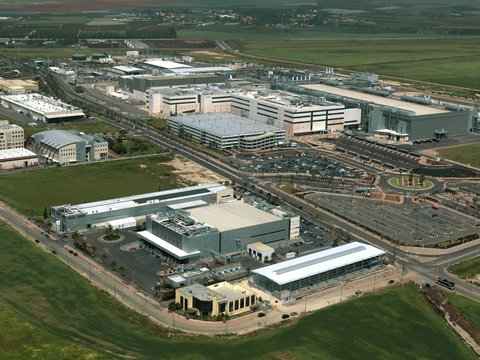
The pin marks Intel headquarters at 2200 Mission College Boulevard, the Santa Clara dateline and corporate address on the launch release. The public museum may be visited during posted hours; surrounding offices remain restricted.
Photo: Konstantin Lanzet, CC BY-SA 4.0, via Wikimedia Commons.





















changes?
delete this memory?
We detected that you have a Blox in your crypto wallet! We will import the Blox into your account.
Click on done below to complete the import.
Welcome Back!
Sign in to preserve cherished moments
Don't have an account?
Welcome!!
Sign up and start preserving cherished moments
?
?







Choose your payment method
Buy with Metablox Credit
Do you want to mint Blox with Metablox Credit?
Which Crypto would you like to use?
Purchase Confirmed!
Your Blox is being minted on-chain and will appear in your profile shortly.
Log in or sign up to claim your Blox.
How many credits do you want to buy?
$100 USD = 1 Metablox Credit = 1 Blox.
Use Metablox Credit to mint any Blox you want on the map.
 expand_more