
Semiconductor History | Intel Jones Farm, 15 January 1996 — The Port That Replaced a Drawer of Cables
· 1996-1
Personal memoryBy kevin · · updated · Report an issue






























































Find memories left by people near you.
Distribute Bounty
This will distribute the bounty equally among all qualifying memories. This action cannot be undone.
Cancel Bounty
Are you sure you want to cancel this bounty? The remaining amount will be refunded to your account.
Success!
Operation completed successfully.
Error
Something went wrong.
Semiconductor History | Intel Jones Farm, 15 January 1996 — The Port That Replaced a Drawer of Cables
kevin
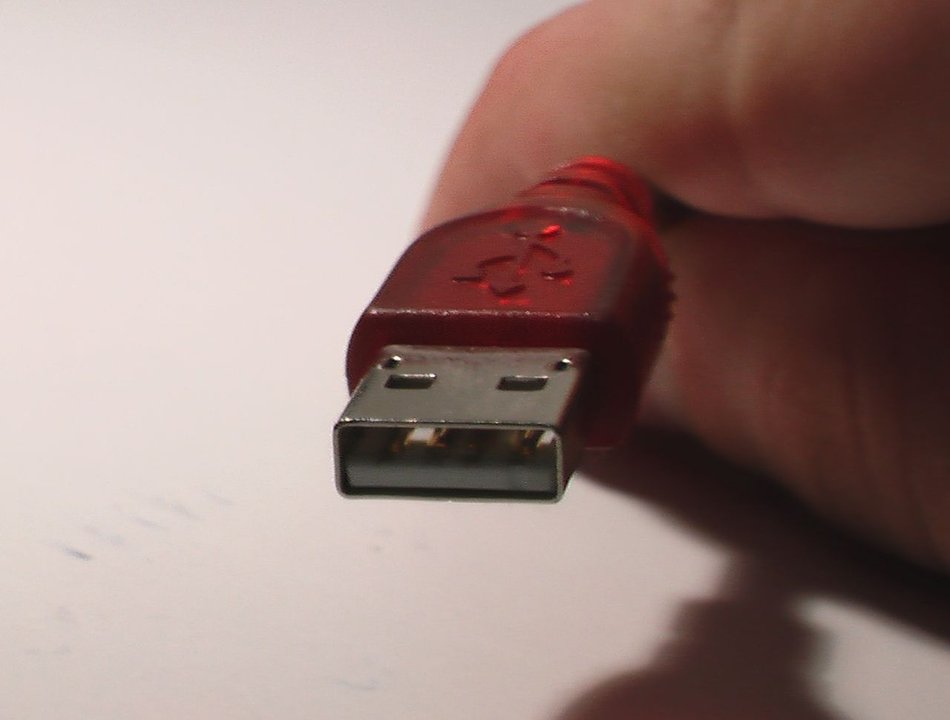
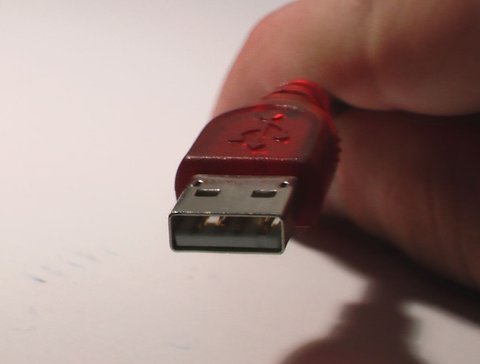
The rectangular metal shell and four recessed contacts of this USB Type-A plug became a quiet promise: one familiar connector could attach many different kinds of computer equipment.
The idea began as a remedy for a disorderly PC.
Keyboards, mice, printers, modems, and game controllers used incompatible ports, interrupt settings, drivers, and setup procedures. Intel engineer Ajay Bhatt advocated a universal, hot-swappable interface, while Jim Pappas led the broader industry effort after joining Intel.
Intel supplied momentum, but it did not create USB alone.
The first industry working-group meeting took place at Intel’s Jones Farm campus in May 1994. Compaq, Digital Equipment Corporation, IBM PC Company, Intel, Microsoft, NEC, and Northern Telecom then cooperated on the specification, dividing the problem across computer hardware, operating systems, chips, peripherals, and communications.
On 15 January 1996, the seven companies issued USB Specification Revision 1.0.
It defined a 12-megabit-per-second full-speed mode, a slower mode for simple devices, automatic identification and configuration, and power delivered over the same cable. A host could discover devices and assign resources instead of requiring a user to open the computer and reconcile jumpers or settings.
The good was not just the connector.
USB established a shared contract between chip designers, operating systems, computer makers, and peripheral vendors. Intel’s product-integration laboratory at Jones Farm gave companies a place to test whether devices from different suppliers actually worked together, helping a paper standard become an ecosystem.
Adoption still took years, and the simplicity never remained complete.
Early PCs sometimes included unused USB ports, software support lagged, and later generations accumulated new connector shapes, speed labels, charging rules, and compatibility questions. The familiar rectangle was also directional and easy to try upside down.
A universal interface reduced old complexity, then acquired complexity of its own.
That mixed legacy does not diminish the 1996 achievement. USB replaced an assortment of specialized sockets with an extensible standard that survived dramatic changes in computers and devices, precisely because rivals agreed to cooperate at the boundary between them.
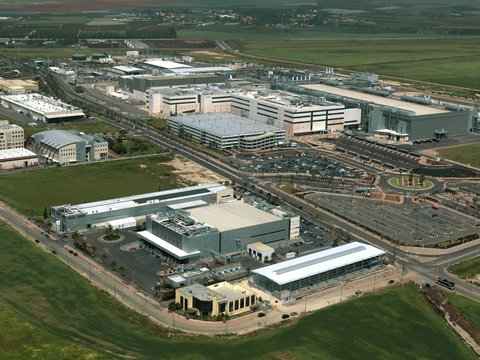
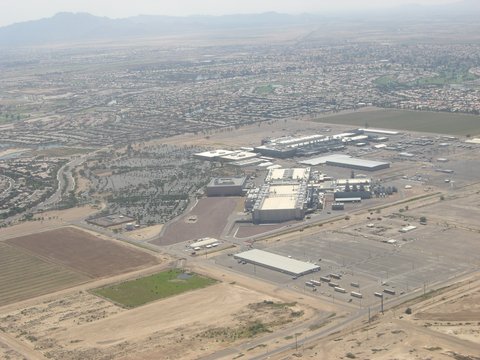
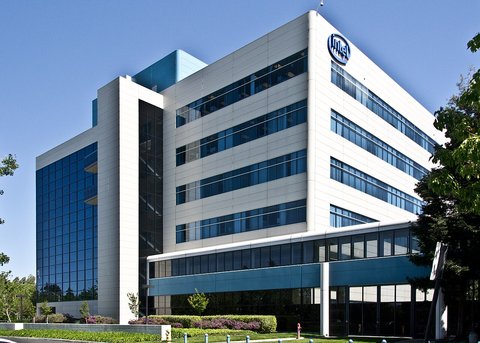
The pin marks the Jones Farm Conference Center at 2111 Northeast 25th Avenue, where an IEEE Milestone plaque commemorates USB. The campus is active and lobby access may be restricted, so visitors should respect posted rules and remain in public areas.
Photo: Grich, public domain, via Wikimedia Commons.







changes?
delete this memory?
We detected that you have a Blox in your crypto wallet! We will import the Blox into your account.
Click on done below to complete the import.
Welcome Back!
Sign in to preserve cherished moments
Don't have an account?
Welcome!!
Sign up and start preserving cherished moments
?
?



Choose your payment method
Buy with Metablox Credit
Do you want to mint Blox with Metablox Credit?
Which Crypto would you like to use?
Purchase Confirmed!
Your Blox is being minted on-chain and will appear in your profile shortly.
Log in or sign up to claim your Blox.
How many credits do you want to buy?
$100 USD = 1 Metablox Credit = 1 Blox.
Use Metablox Credit to mint any Blox you want on the map.
 expand_more