


Semiconductor History | Intel Headquarters, 26 May 2005 — Pentium D Makes Two Hot Cores Affordable
· 2005-5
Personal memoryBy kevin · · Report an issue













































































Find memories left by people near you.
Distribute Bounty
This will distribute the bounty equally among all qualifying memories. This action cannot be undone.
Cancel Bounty
Are you sure you want to cancel this bounty? The remaining amount will be refunded to your account.
Success!
Operation completed successfully.
Error
Something went wrong.
Semiconductor History | Intel Headquarters, 26 May 2005 — Pentium D Makes Two Hot Cores Affordable
kevin
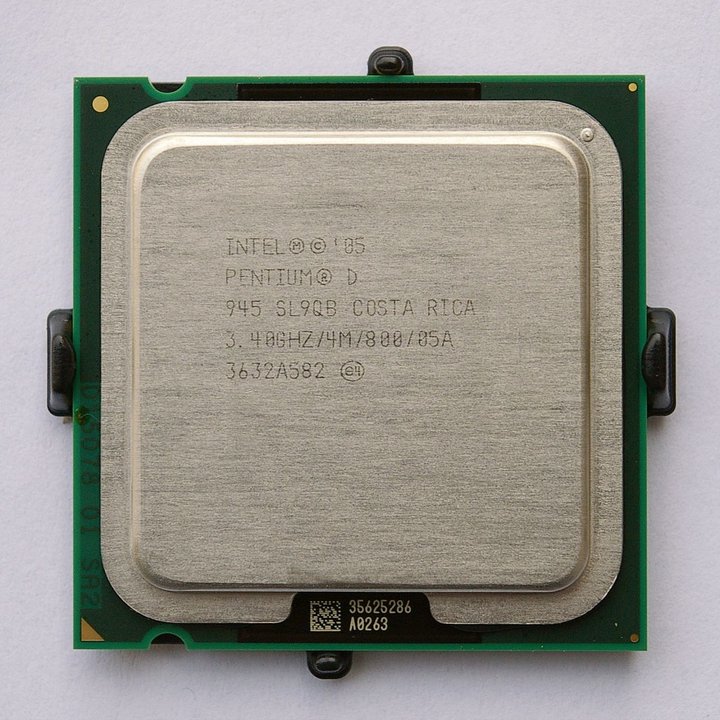
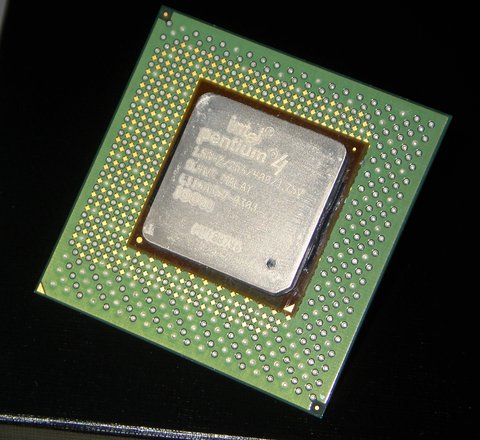
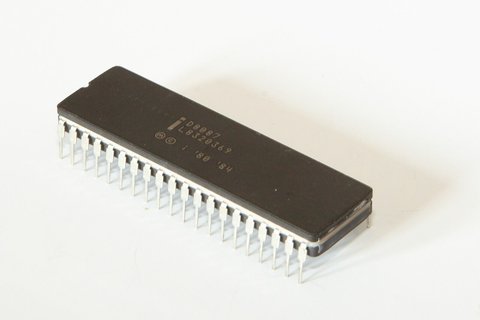
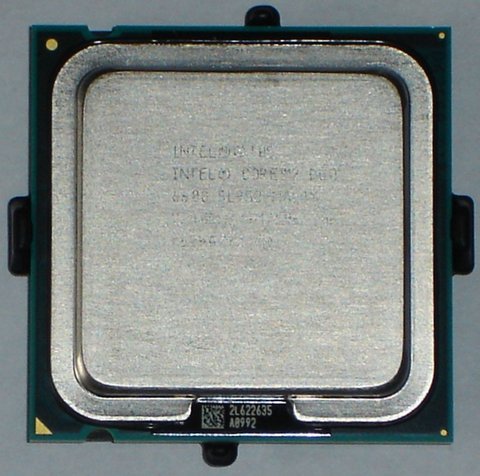
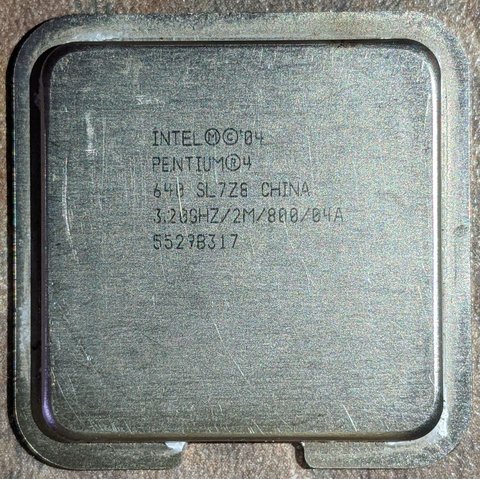
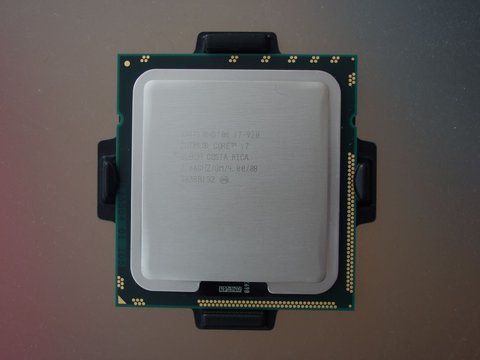
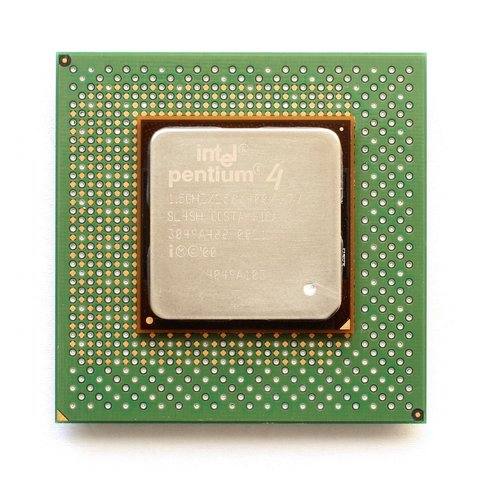
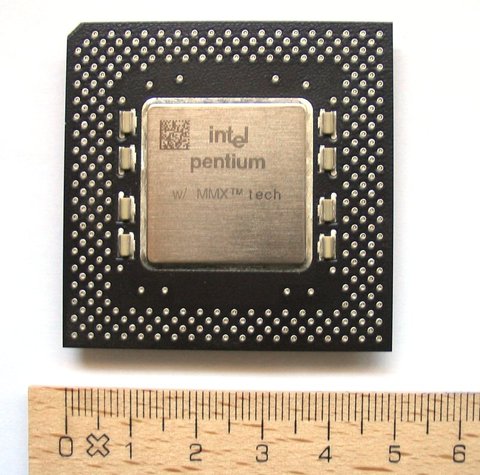
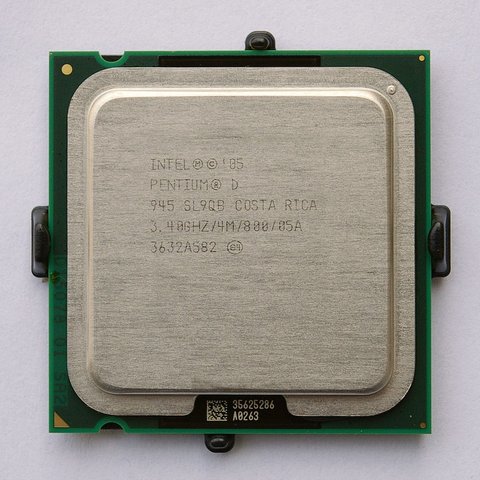
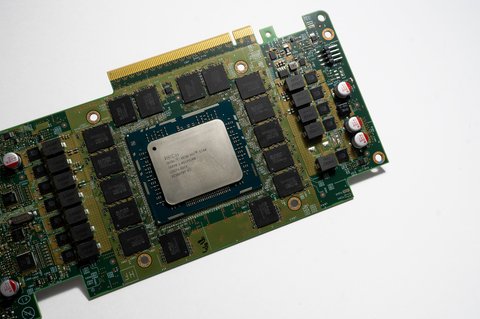
The face-up Pentium D 945 pictured here is a later, cooler-running member of the family Intel began with a blunt solution to the limits of clock speed: put two NetBurst cores in one package.
Intel launched the mainstream Pentium D 820, 830, and 840 on 26 May 2005 at 2.8, 3.0, and 3.2 gigahertz. Prices of $241, $316, and $530 brought two physical cores to far more buyers than the earlier $999 Pentium Extreme Edition.
The timing was strategically important.
Power and heat had stopped the planned march toward ever-higher Pentium 4 frequencies, while AMD was preparing the Athlon 64 X2. Dual core let Intel sell responsiveness and throughput instead of another fragile clock-speed milestone.
For the right software, that worked.
Two cores could encode video, render, or run background media tasks while keeping the foreground application responsive. Contemporary reviews found large gains in multithreaded work, and Intel's manufacturing scale helped turn parallel consumer software from a niche concern into the industry's next assumption.
Smithfield was not an elegant dual-core architecture.
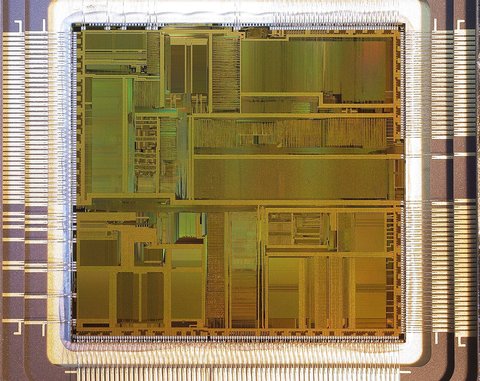
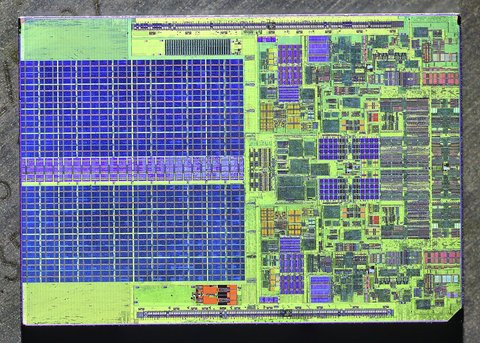
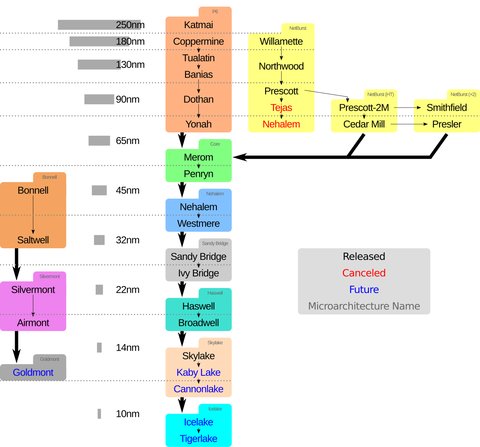
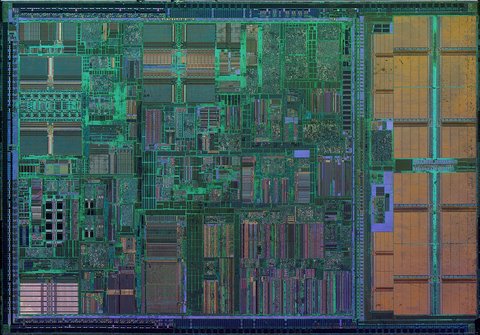
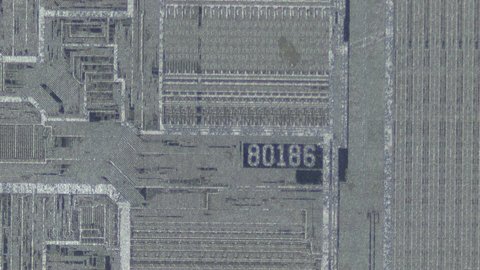
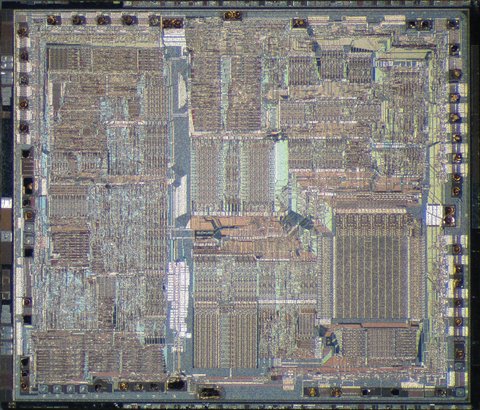
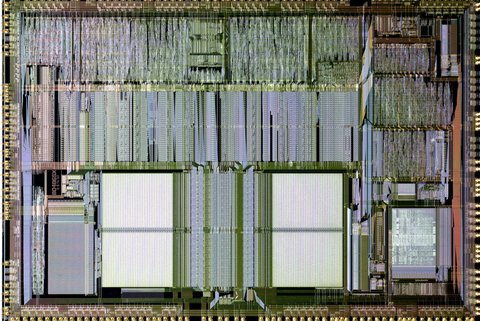
The 90-nanometer die joined two Prescott-style NetBurst cores, each with one megabyte of level-two cache. The cores communicated through the shared front-side bus and external chipset rather than through a direct on-chip interconnect, creating contention and adding latency.
It was also physically expensive.
The design used 230 million transistors across 206 square millimeters. The 820 and 830 carried a 95-watt envelope, while the 840 platform reached 130 watts; buyers needed serious cooling and a new 945- or 955-series motherboard even though the socket still looked like LGA775.
Single-threaded programs and many games gained little from the second core, especially because Pentium D ran at lower clocks than Intel's fastest single-core Pentium 4. AMD's Athlon 64 X2 offered a cleaner integrated-memory architecture and generally stronger efficiency, though at launch it was considerably more expensive.
Pentium D's value was therefore transitional.
The good was making dual-core desktop computing affordable enough to change software expectations. The bad was that Intel reached the milestone by doubling an already hot architecture, then replaced it quickly with the far more efficient Core 2 family.
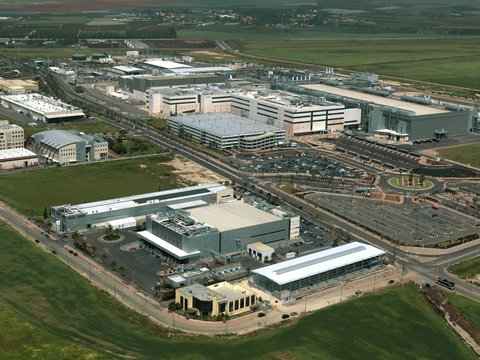
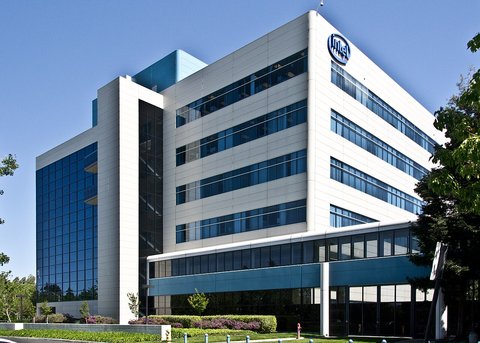
The pin marks Intel's Santa Clara headquarters, the dateline of the launch release. The adjacent Intel Museum is open to the public on its current schedule; the rest of the campus is a working corporate site.
The cover is a 65-nanometer Pentium D 945 from the 2006 Presler generation, not one of the original 90-nanometer Smithfield launch models.
Photo: Rainer Knäpper, CC BY-SA 2.0 Germany, via Wikimedia Commons.
















changes?
delete this memory?
We detected that you have a Blox in your crypto wallet! We will import the Blox into your account.
Click on done below to complete the import.
Welcome Back!
Sign in to preserve cherished moments
Don't have an account?
Welcome!!
Sign up and start preserving cherished moments
?
?







Choose your payment method
Buy with Metablox Credit
Do you want to mint Blox with Metablox Credit?
Which Crypto would you like to use?
Purchase Confirmed!
Your Blox is being minted on-chain and will appear in your profile shortly.
Log in or sign up to claim your Blox.
How many credits do you want to buy?
$100 USD = 1 Metablox Credit = 1 Blox.
Use Metablox Credit to mint any Blox you want on the map.
 expand_more