


Semiconductor History | Intel Jones Farm, 1 November 1995 — The Processor That Reordered x86
· 1995-11
Personal memoryBy kevin · · updated · Report an issue













































































Find memories left by people near you.
Distribute Bounty
This will distribute the bounty equally among all qualifying memories. This action cannot be undone.
Cancel Bounty
Are you sure you want to cancel this bounty? The remaining amount will be refunded to your account.
Success!
Operation completed successfully.
Error
Something went wrong.
Semiconductor History | Intel Jones Farm, 1 November 1995 — The Processor That Reordered x86
kevin
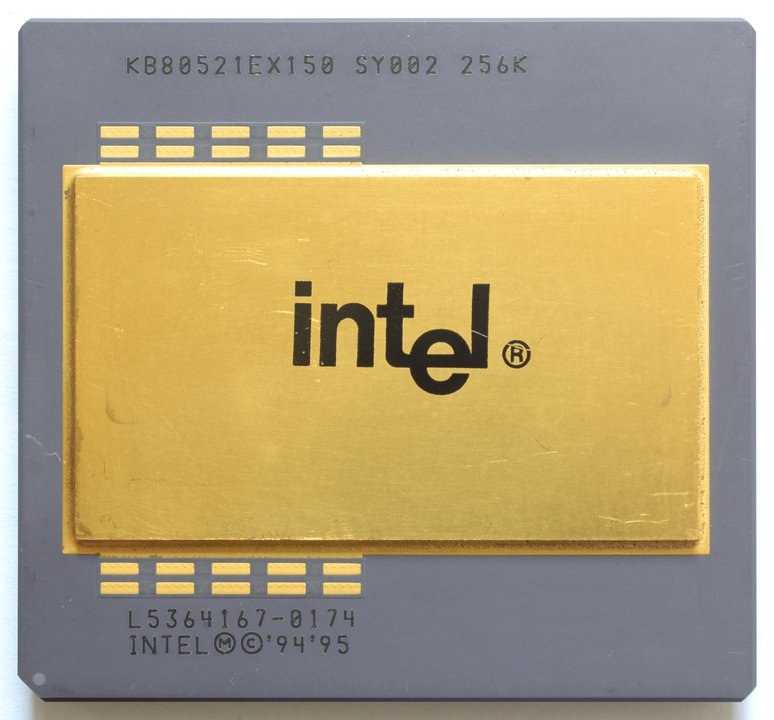
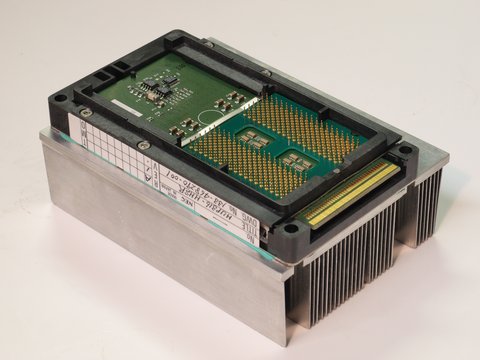
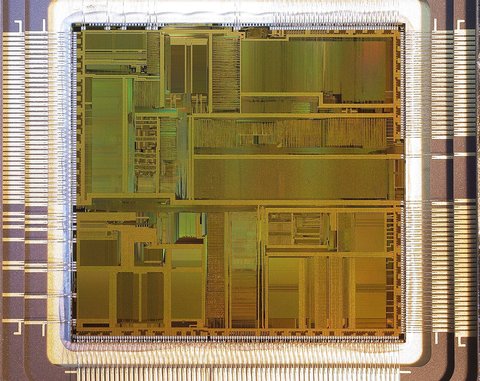
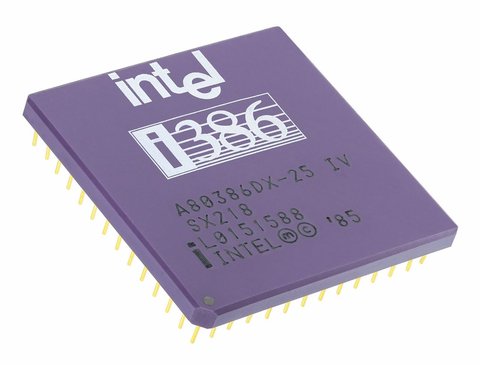
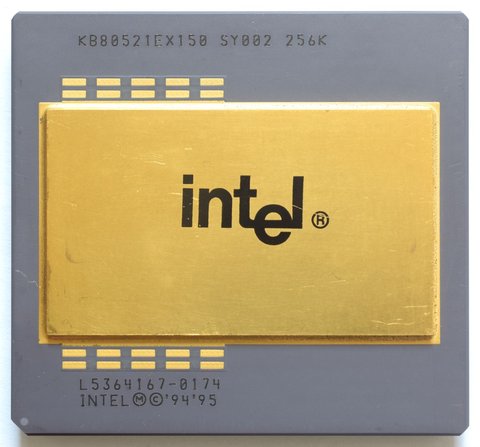
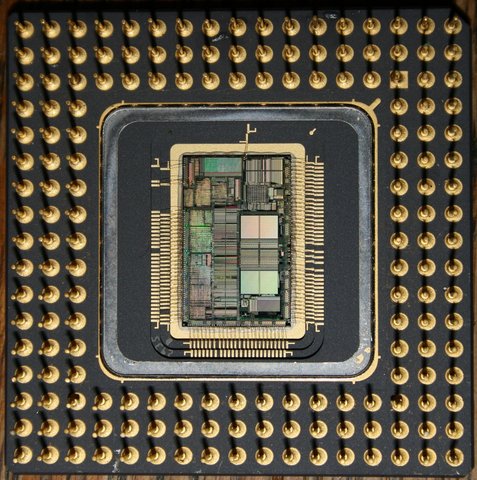
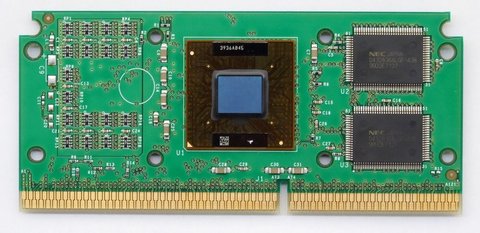
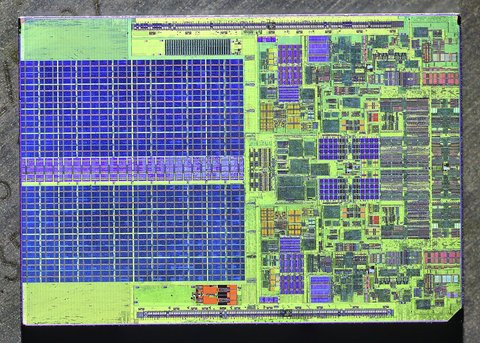
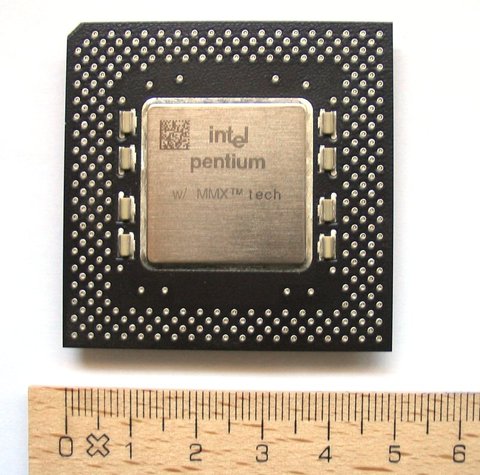
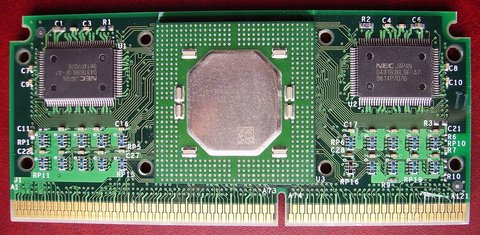
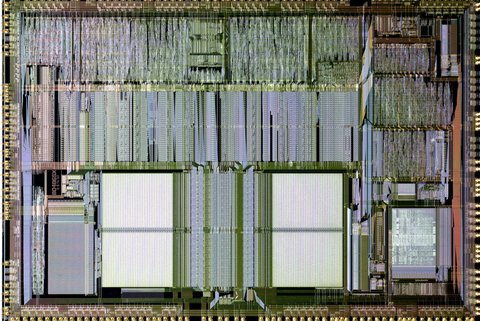
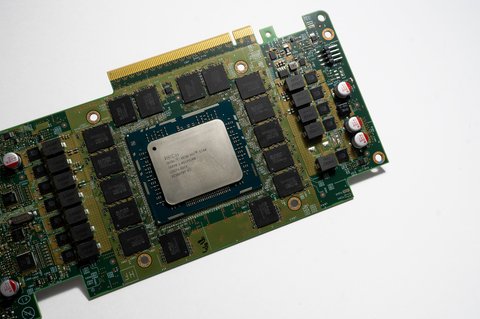
The unusually large Pentium Pro package carried a 5.5-million-transistor processor beside a separate level-two cache die, joined closely enough for the cache to run at full processor speed.
Intel introduced the chip on 1 November 1995 in versions from 150 to 200 megahertz. It targeted high-end desktops, workstations, and servers rather than treating every PC as the same market.
Its deeper importance was the P6 microarchitecture developed in Hillsboro.
P6 translated x86 instructions into smaller internal operations, examined their dependencies, executed ready work out of program order, speculated past branches, and then retired results in the original sequence. Intel grouped those techniques under “Dynamic Execution.”
The design preserved the enormous x86 software base while changing what happened behind the instruction-set boundary.
That was an engineering achievement and a practical compromise. Software did not need to be rewritten for a clean new architecture, yet the processor could find parallel work that the original instruction stream did not state explicitly.
The package also exposed the cost of the leap.
Placing a fast cache die beside the CPU improved memory performance but made manufacturing and testing expensive. The Pentium Pro performed impressively on 32-bit operating systems and server workloads, while common 16-bit code in DOS and Windows 95 could run disappointingly.
Its price and workload profile kept it from becoming the ordinary family PC processor.
Intel adapted rather than abandoned the design.
Bob Colwell, one of P6’s senior architects and later Intel’s chief IA-32 architect, described the core as the basis for the Pentium II, Pentium III, Celeron, Xeon, and Centrino families. Later versions changed packaging, cache arrangements, and consumer compatibility while preserving the central strategy of translating and dynamically scheduling x86 work.
The Pentium Pro is therefore a useful kind of success: not the broadest seller in its first form, but a durable architectural foundation. Its weaknesses were real, and so was the team’s ability to turn them into the next product rather than defend every original choice.
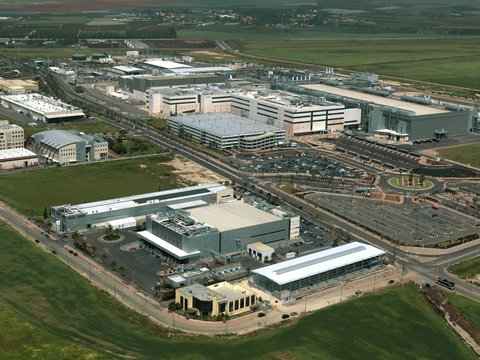
The pin marks the JF3 building at Intel’s Jones Farm campus, 2111 Northeast 25th Avenue, where the P6 effort was conceived and developed. It is an active corporate site with restricted access; observe it only from public approaches.
Photo: Thomas Nguyen, CC BY-SA 4.0, via Wikimedia Commons.





















changes?
delete this memory?
We detected that you have a Blox in your crypto wallet! We will import the Blox into your account.
Click on done below to complete the import.
Welcome Back!
Sign in to preserve cherished moments
Don't have an account?
Welcome!!
Sign up and start preserving cherished moments
?
?







Choose your payment method
Buy with Metablox Credit
Do you want to mint Blox with Metablox Credit?
Which Crypto would you like to use?
Purchase Confirmed!
Your Blox is being minted on-chain and will appear in your profile shortly.
Log in or sign up to claim your Blox.
How many credits do you want to buy?
$100 USD = 1 Metablox Credit = 1 Blox.
Use Metablox Credit to mint any Blox you want on the map.
 expand_more