


Semiconductor History | Santa Clara, 22 March 1993 — Intel Gives a Processor a Name People Can Remember
· 1993-3
Personal memoryBy kevin · · updated · Report an issue














































































Find memories left by people near you.
Distribute Bounty
This will distribute the bounty equally among all qualifying memories. This action cannot be undone.
Cancel Bounty
Are you sure you want to cancel this bounty? The remaining amount will be refunded to your account.
Success!
Operation completed successfully.
Error
Something went wrong.
Semiconductor History | Santa Clara, 22 March 1993 — Intel Gives a Processor a Name People Can Remember
kevin
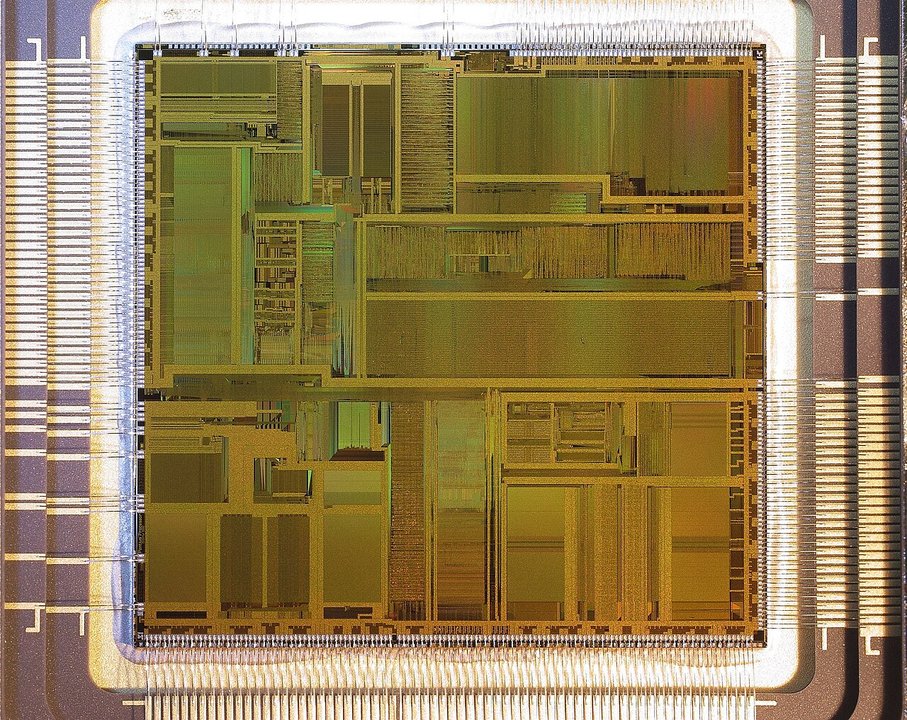
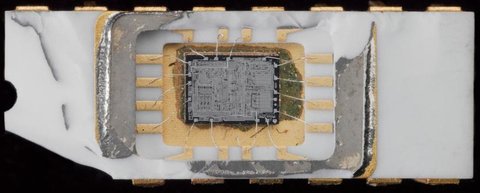
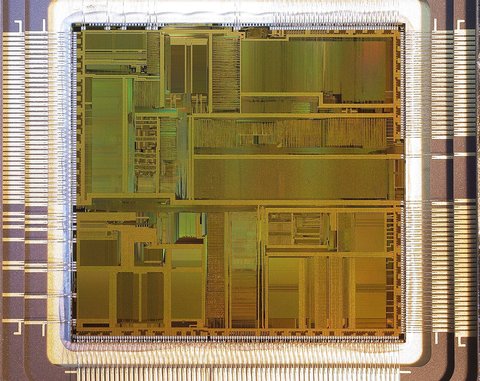
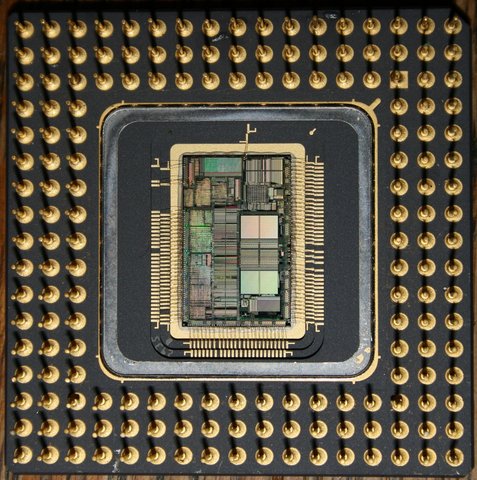
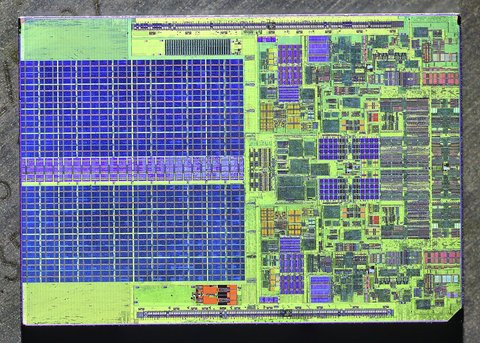
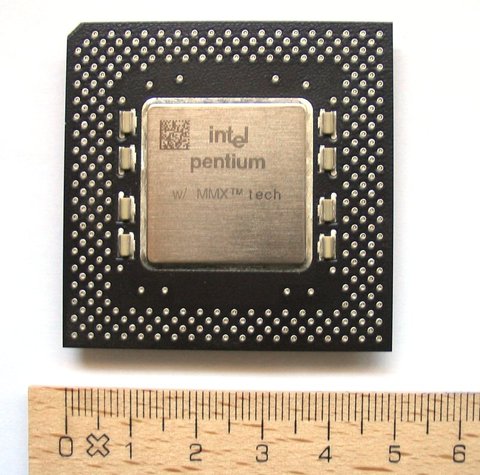
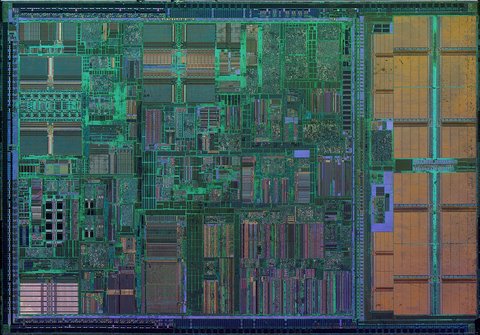
This exposed silicon is an original 66 MHz Pentium, its rectangular functional blocks visible beneath a web of fine connections around the edge.
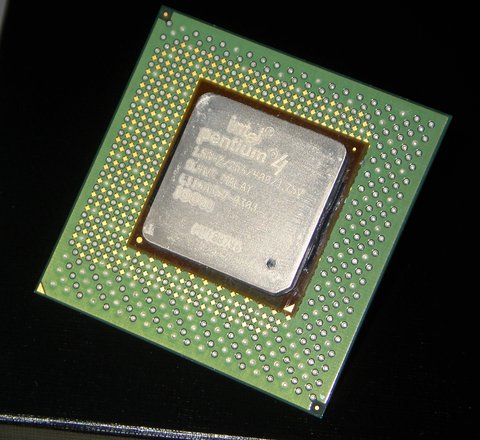
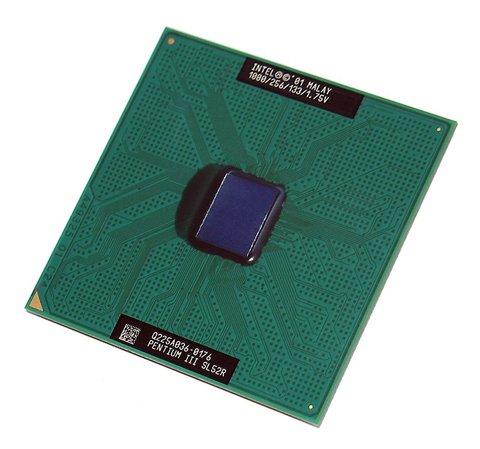
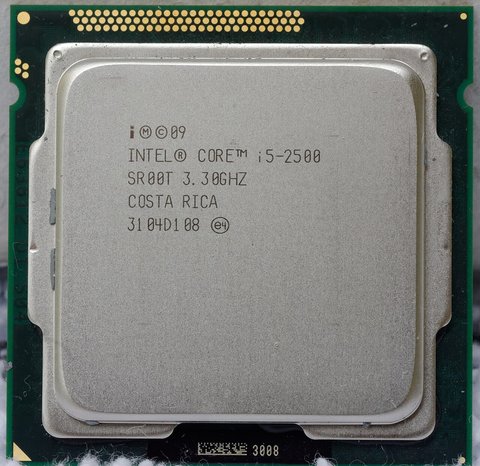
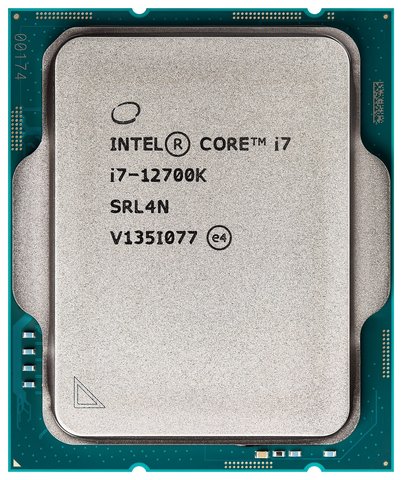
Intel introduced Pentium from Santa Clara on 22 March 1993 in 60 and 66 MHz versions. The chip contained 3.1 million transistors and could begin more than one instruction during a clock cycle, giving the fifth x86 generation a substantial step beyond the 486.
The new word on the box was also an engineering decision translated into business strategy.
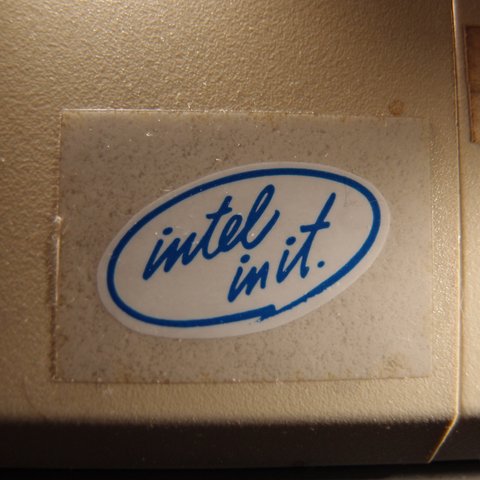
Earlier generations had been known as 286, 386, and 486, but numbers were difficult to protect as trademarks. Pentium gave Intel a name it could own, advertise, and carry onto the computer case through the Intel Inside campaign.
That changed the relationship between Intel and computer manufacturers.
A buyer could now ask for Pentium regardless of which company assembled the PC, making the processor brand a common denominator across competing systems. Manufacturers gained a recognized performance label while surrendering part of their product identity to the component supplier.
The chip justified much of the attention.
Its superscalar design, faster floating-point hardware, split caches, and wider connection to memory increased the kinds of work a mass-market PC could handle. Pentium systems pushed further into engineering, media, and server tasks that had belonged to more specialized machines.
The brand also made Intel directly accountable to consumers.
When the floating-point division defect surfaced the following year, owners did not see an anonymous component failure; they saw a Pentium failure. Intel's eventual universal replacement program and large financial charge belonged to the same strategy that had made the launch so valuable.
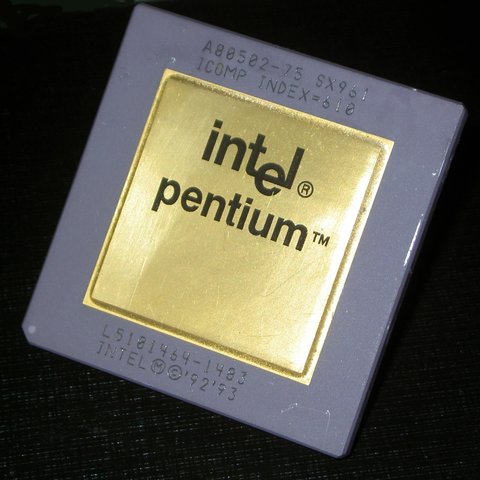
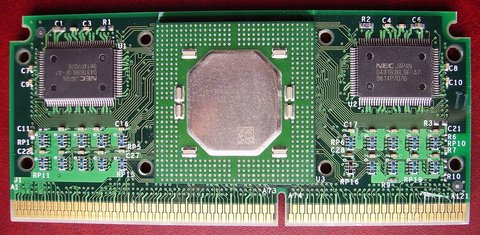
The die photograph carries model A80501 and the 66 MHz speed of one of the two launch versions. It shows what the new brand covered: millions of patterned devices with no visible word "Pentium" until packaging and marketing gave the silicon a public identity.
Photo: Pdesousa359, CC BY-SA 3.0, via Wikimedia Commons.

















changes?
delete this memory?
We detected that you have a Blox in your crypto wallet! We will import the Blox into your account.
Click on done below to complete the import.
Welcome Back!
Sign in to preserve cherished moments
Don't have an account?
Welcome!!
Sign up and start preserving cherished moments
?
?







Choose your payment method
Buy with Metablox Credit
Do you want to mint Blox with Metablox Credit?
Which Crypto would you like to use?
Purchase Confirmed!
Your Blox is being minted on-chain and will appear in your profile shortly.
Log in or sign up to claim your Blox.
How many credits do you want to buy?
$100 USD = 1 Metablox Credit = 1 Blox.
Use Metablox Credit to mint any Blox you want on the map.
 expand_more