


Semiconductor History | 2200 Mission College Boulevard, 29 April 2016 — Atom Leaves the Smartphone Roadmap
· 2016-4
Personal memoryBy kevin · · updated · Report an issue











































































Find memories left by people near you.
Distribute Bounty
This will distribute the bounty equally among all qualifying memories. This action cannot be undone.
Cancel Bounty
Are you sure you want to cancel this bounty? The remaining amount will be refunded to your account.
Success!
Operation completed successfully.
Error
Something went wrong.
Semiconductor History | 2200 Mission College Boulevard, 29 April 2016 — Atom Leaves the Smartphone Roadmap
kevin
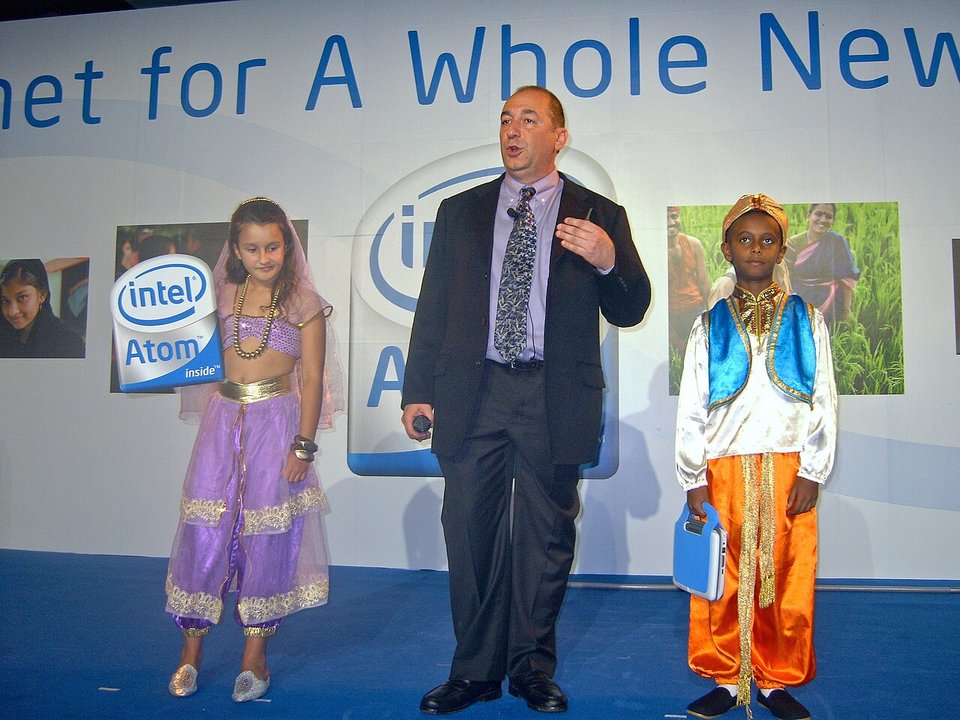
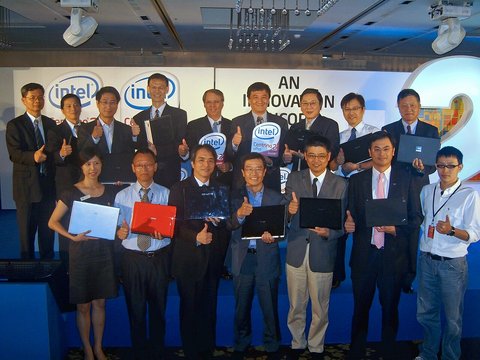
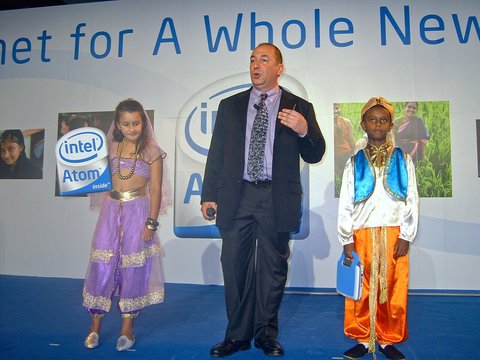
An illuminated Intel Atom sign dominates this 2008 COMPUTEX launch stage in Taipei, presenting the small processor as the engine for a new class of inexpensive, mobile computers.
Eight years later, on 29 April 2016, Intel confirmed that it was cancelling the Broxton and SoFIA platforms intended for phones and some tablets. The cuts effectively ended its effort to establish Atom as a mainstream smartphone application processor, although the Atom name continued in other low-power and embedded products.
Atom had begun with a plausible extension of Intel's strengths.
The company knew how to manufacture x86 processors at enormous scale, and compatibility made a strong promise for compact PCs. Netbooks adopted early Atom chips widely, but a phone imposed stricter limits on power, radio integration, size, and cost.
Intel entered that contest after ARM-based systems had built momentum.
Phone makers were already working with suppliers that combined processor cores, graphics, modems, and other functions around an established mobile software ecosystem. Intel produced commercial phone chips and subsidized adoption, yet design wins did not create enough durable volume to justify the continuing roadmap.
The cancellation was a useful act of focus and an admission of strategic defeat.
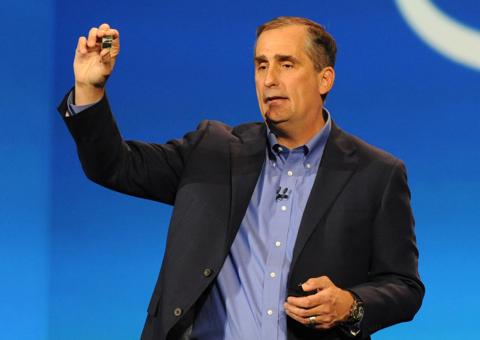
Chief executive Brian Krzanich redirected resources toward data centers, connectivity, memory, and technologies associated with the Internet of Things. Ending weak programs prevented further spending, but it also left Intel without a central computing position in the device that had become the world's most common computer.
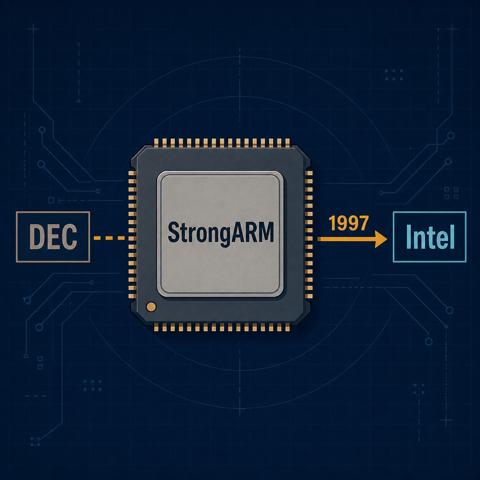
The XScale sale made the sequence sharper.
Intel had disposed of an ARM-based handheld processor business in 2006 to concentrate on its own architecture, then spent the next decade trying to make x86 competitive in phones. Neither fact proves a single alternative history, but together they show how architectural commitment can narrow the options available when a market changes.
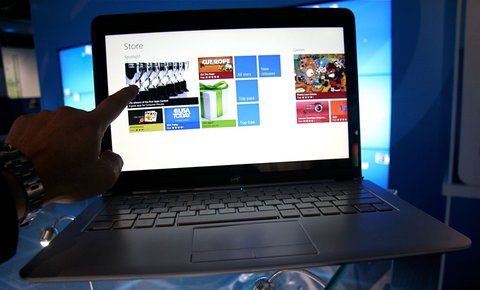
The photograph records Atom's optimistic beginning rather than the cancellation itself. The bright stage, multiple partner laptops, and theatrical presentation capture the scale of the expectation that preceded the quieter decision at headquarters.
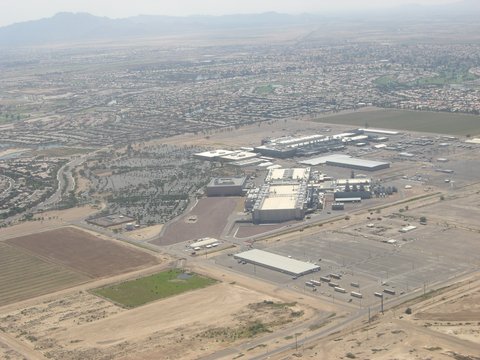
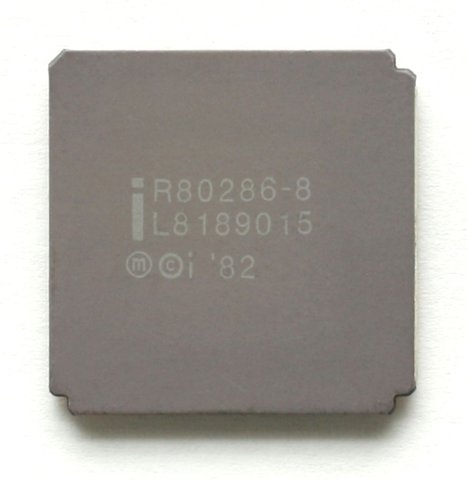
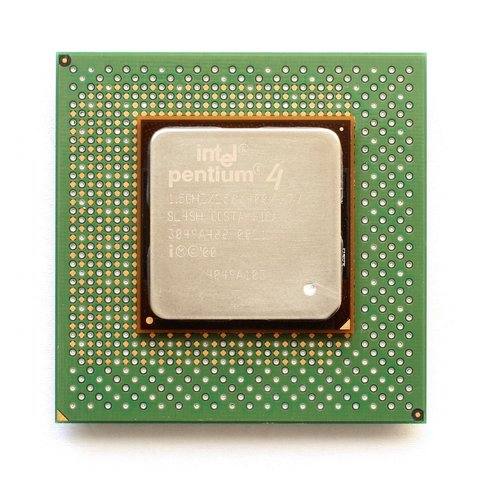
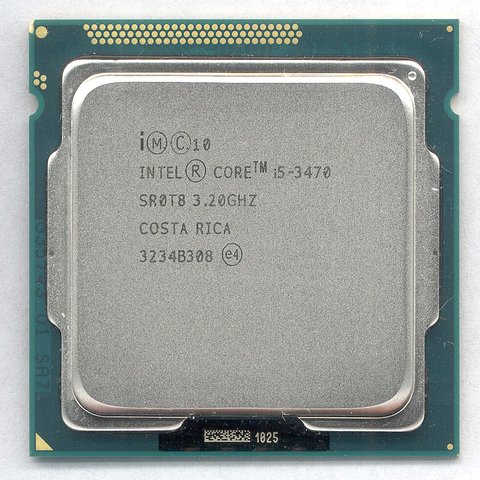
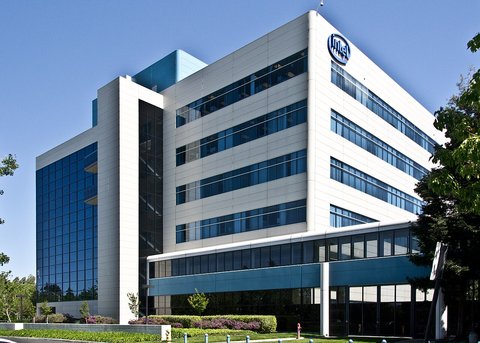
The pin marks Intel's public museum and headquarters entrance in Santa Clara, where the 2016 roadmap decision was made. The museum provides a public place to compare Atom with the larger processor families around which Intel organized its business.
Photo: Rico Shen, CC BY-SA 4.0, via Wikimedia Commons.








changes?
delete this memory?
We detected that you have a Blox in your crypto wallet! We will import the Blox into your account.
Click on done below to complete the import.
Welcome Back!
Sign in to preserve cherished moments
Don't have an account?
Welcome!!
Sign up and start preserving cherished moments
?
?






Choose your payment method
Buy with Metablox Credit
Do you want to mint Blox with Metablox Credit?
Which Crypto would you like to use?
Purchase Confirmed!
Your Blox is being minted on-chain and will appear in your profile shortly.
Log in or sign up to claim your Blox.
How many credits do you want to buy?
$100 USD = 1 Metablox Credit = 1 Blox.
Use Metablox Credit to mint any Blox you want on the map.
 expand_more