


Semiconductor History | 365 East Middlefield Road, October 1970 — The Memory Chip That Replaced Little Magnetic Rings
· 1970-10
Personal memoryBy kevin · · updated · Report an issue




































































Find memories left by people near you.
Distribute Bounty
This will distribute the bounty equally among all qualifying memories. This action cannot be undone.
Cancel Bounty
Are you sure you want to cancel this bounty? The remaining amount will be refunded to your account.
Success!
Operation completed successfully.
Error
Something went wrong.
Semiconductor History | 365 East Middlefield Road, October 1970 — The Memory Chip That Replaced Little Magnetic Rings
kevin
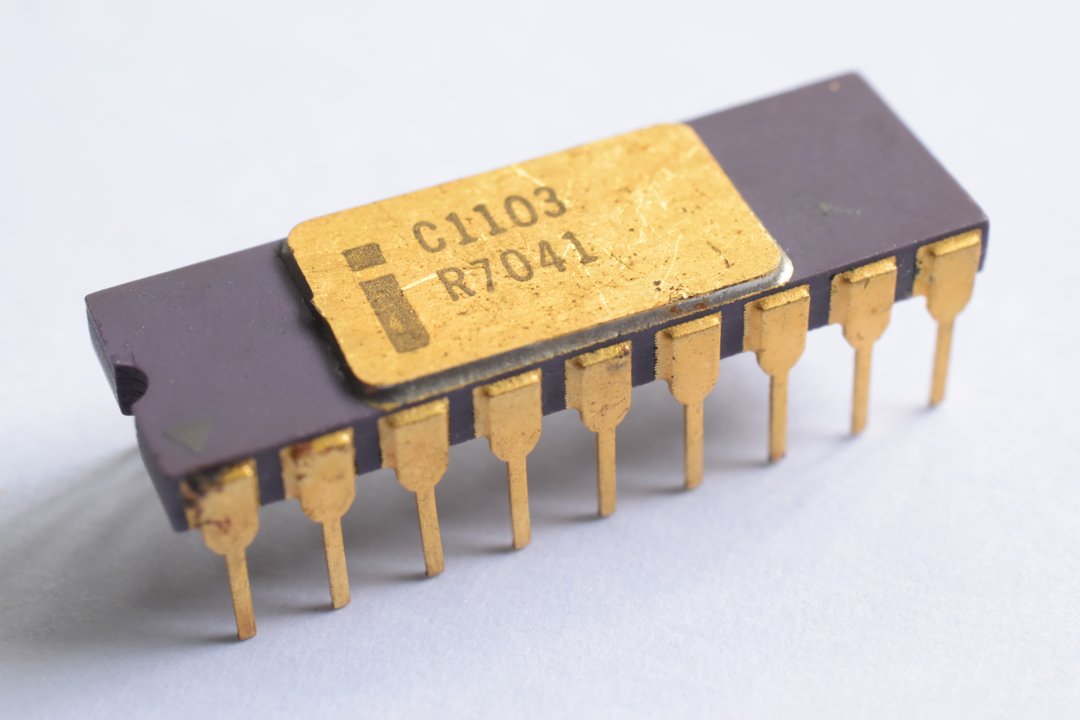
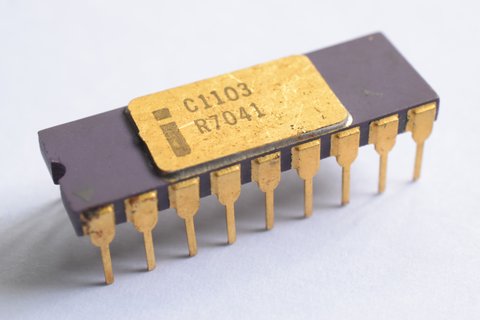
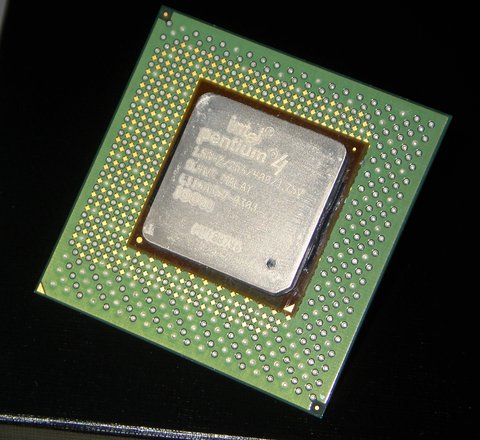
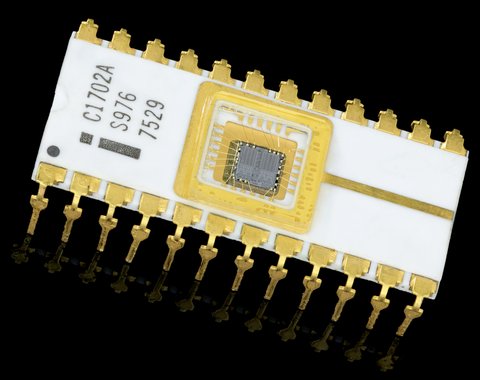
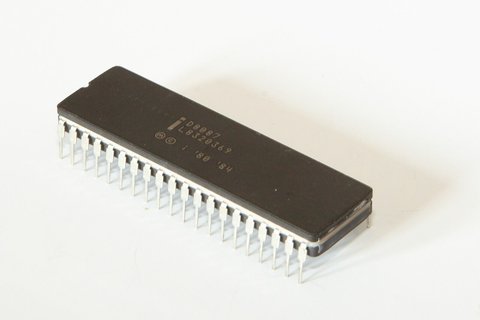
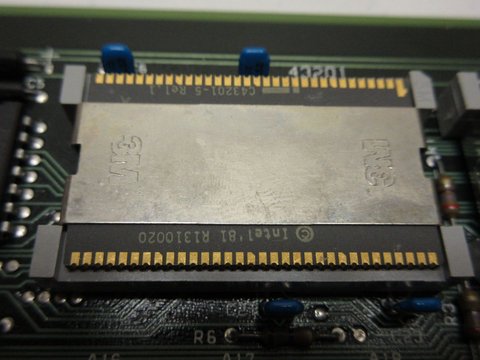
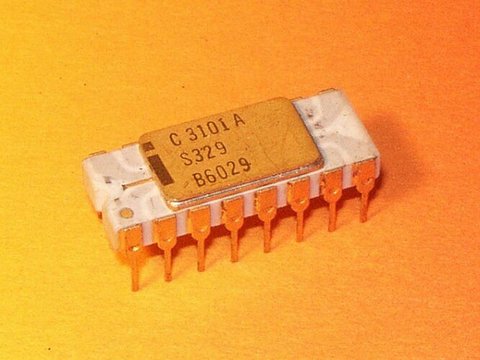
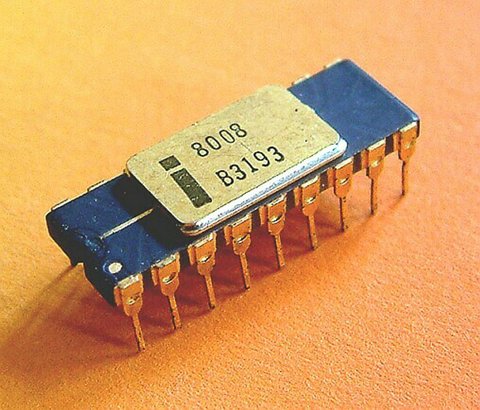
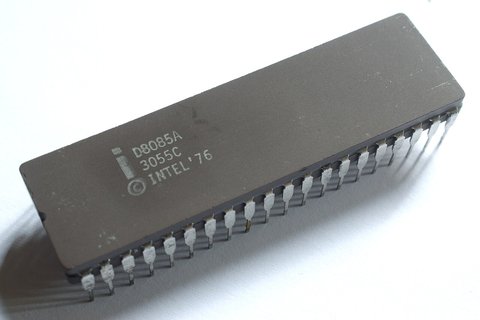
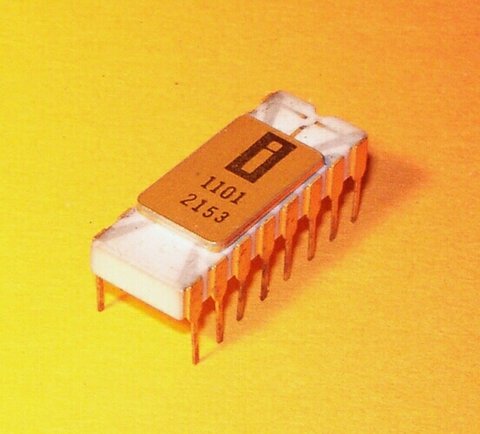
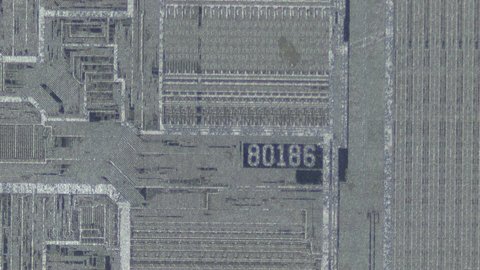
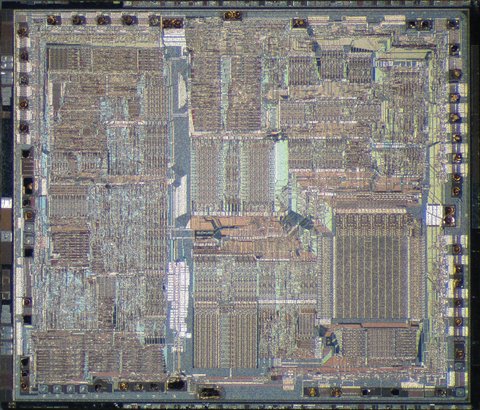
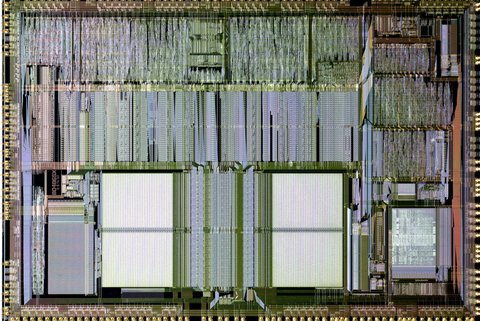
The part number on the gold lid is C1103, and the package held 1,024 bits of memory.
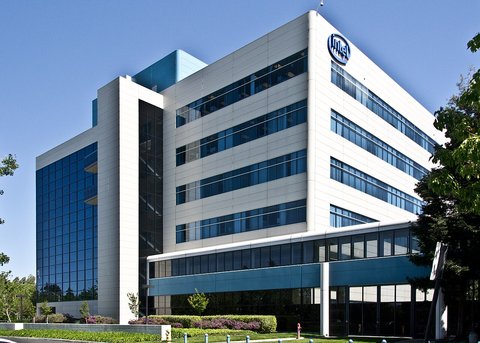
Intel released the 1103 dynamic random-access memory in October 1970, while the young company was still working from rented space at 365 East Middlefield Road in Mountain View.
Computers then stored their working data in magnetic-core memory: tiny ferrite rings threaded by wires, assembled into planes by hand. Core was durable and established, but it occupied space and demanded labor at every stage of production.
The 1103 put a kilobit of memory on one silicon chip. Computer History Museum accounts describe it as the first significant semiconductor challenge to core on price, and Intel's records show that the part became the company's first mass-market success.
That substitution changed more than size: memory could now improve through chip design, wafer processing, and volume manufacturing instead of ever denser hand-threaded assemblies.
The important credit is wider than Intel's logo.
Robert Dennard of IBM had patented the one-transistor DRAM cell in 1968, while Intel's early 1103 used a three-transistor cell proposed by Honeywell engineer William Regitz and implemented through work by Joel Karp, Bob Abbott, Bob Reed, and others. Intel turned a field of ideas into a product customers could buy in volume.
The chip was difficult to manufacture before yields and timing became dependable. That struggle mattered because Intel had been founded to make semiconductor memory cheap enough to displace core, and the 1103 was the first product to make the business plan real.
Fifteen years later, memory would become the market that Intel chose to leave.
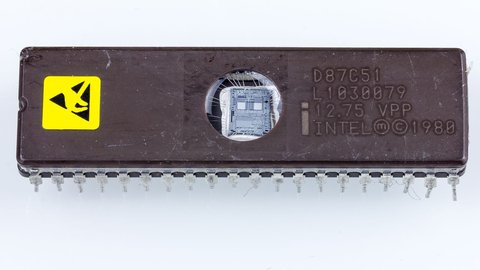
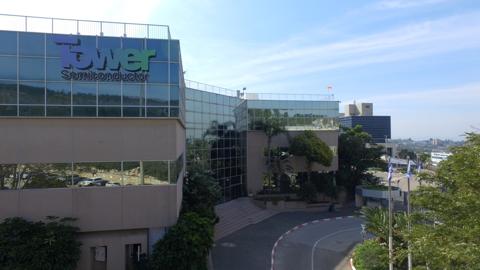
The Middlefield building remains an ordinary office address with no plaque. The object in the photograph is more direct: a scratched ceramic package, gold legs, and a capacity smaller than a short paragraph of plain text.
Photo: Thomas Nguyen, CC BY-SA 4.0, via Wikimedia Commons.













changes?
delete this memory?
We detected that you have a Blox in your crypto wallet! We will import the Blox into your account.
Click on done below to complete the import.
Welcome Back!
Sign in to preserve cherished moments
Don't have an account?
Welcome!!
Sign up and start preserving cherished moments
?
?





Choose your payment method
Buy with Metablox Credit
Do you want to mint Blox with Metablox Credit?
Which Crypto would you like to use?
Purchase Confirmed!
Your Blox is being minted on-chain and will appear in your profile shortly.
Log in or sign up to claim your Blox.
How many credits do you want to buy?
$100 USD = 1 Metablox Credit = 1 Blox.
Use Metablox Credit to mint any Blox you want on the map.
 expand_more