

Semiconductor History | 2501 NE Century Boulevard, 2013 — D1X Makes Oregon Intel's Process Laboratory
· 2013
Personal memoryBy kevin · · updated · Report an issue
























































Find memories left by people near you.
Distribute Bounty
This will distribute the bounty equally among all qualifying memories. This action cannot be undone.
Cancel Bounty
Are you sure you want to cancel this bounty? The remaining amount will be refunded to your account.
Success!
Operation completed successfully.
Error
Something went wrong.
Semiconductor History | 2501 NE Century Boulevard, 2013 — D1X Makes Oregon Intel's Process Laboratory
kevin
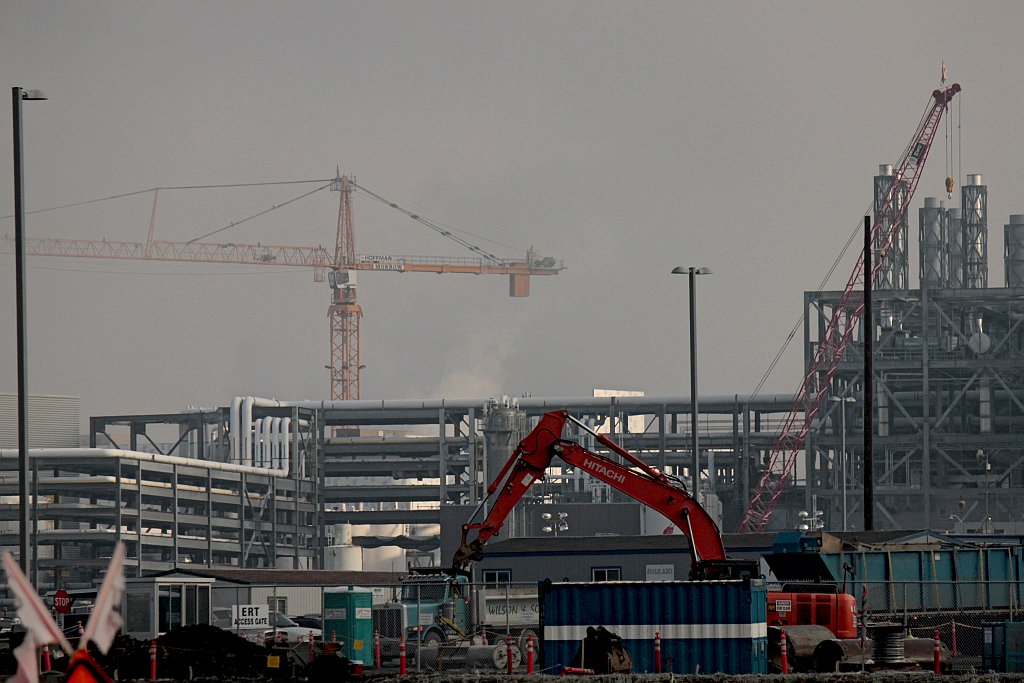
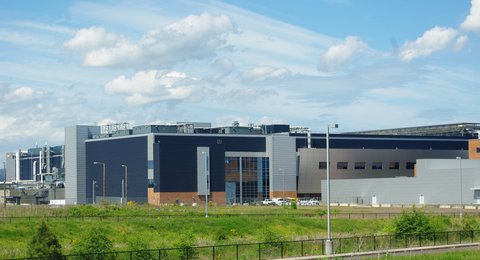
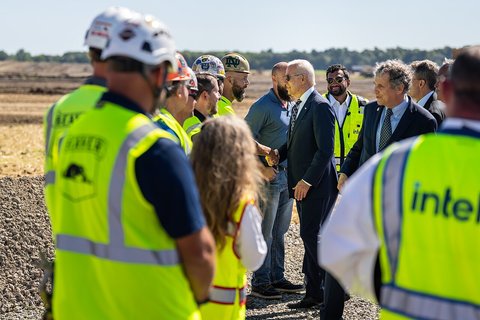
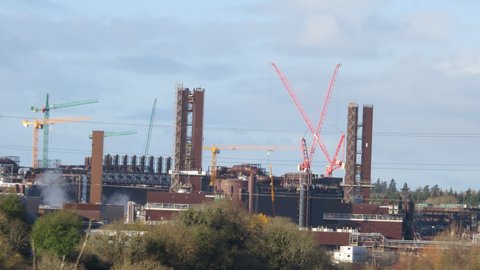
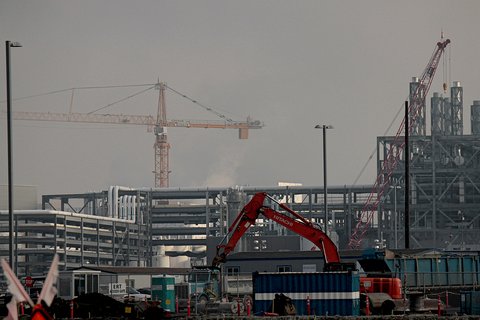
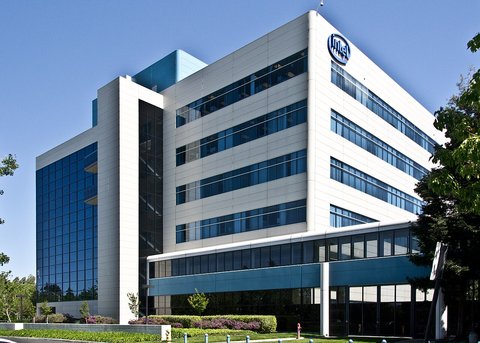
Cranes, pipe racks, and a red excavator fill this 2013 view of D1X under construction at Intel's Ronler Acres campus in Hillsboro, Oregon.
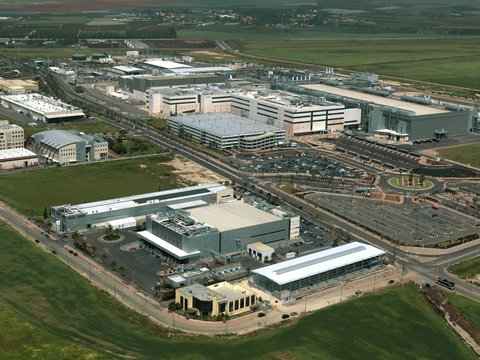
The first D1X module opened in 2013 as a roughly $3 billion, 1.1-million-square-foot development fab. Unlike a factory devoted mainly to volume output, D1X was built to develop new process technologies and make them stable enough to transfer into Intel's production network.
That central role was one of Intel's great manufacturing strengths.
Engineers could debug a process beside the equipment, then use the company's Copy Exactly methodology to reproduce the qualified configuration in high-volume fabs. Intel later expanded D1X in additional modules, and the site became the development home for technologies including 14-nanometer production and, much later, high-numerical-aperture EUV lithography.
The concentration also revealed a difficult side of semiconductor progress.
Each process generation demanded larger buildings, more specialized tools, more electricity, and more complicated chemical controls. When a development program slipped, the cost was not confined to a laboratory schedule; it affected the factories and products waiting for that process to be transferred.
D1X's construction also became part of an environmental dispute.
Oregon regulators said Intel had failed to disclose fluoride emissions, obtain a permit for them, and secure the correct approval before beginning the expansion. Intel paid a state penalty in 2014 and reached an agreement with environmental groups that required added monitoring, risk assessment, and public reporting; regulators said measured fluoride levels were within safe limits, but the episode showed that a cleanroom is not the same thing as a clean industrial footprint.
D1X nevertheless remained a durable asset rather than a stranded project.
Its development work supplied processes to multiple factories, while later expansions kept Oregon at the center of Intel's attempt to recover manufacturing leadership. The good was a reusable engine for learning; the bad was the capital, execution risk, and community burden concentrated around that engine.
The pin marks the regulated Ronler Acres site address at 2501 NE Century Boulevard. It is an active semiconductor campus, so visitors should use public roads and sidewalks and should not approach controlled entrances.
Photo: Intel Free Press, CC BY-SA 2.0, via Wikimedia Commons.




changes?
delete this memory?
We detected that you have a Blox in your crypto wallet! We will import the Blox into your account.
Click on done below to complete the import.
Welcome Back!
Sign in to preserve cherished moments
Don't have an account?
Welcome!!
Sign up and start preserving cherished moments
?
?



Choose your payment method
Buy with Metablox Credit
Do you want to mint Blox with Metablox Credit?
Which Crypto would you like to use?
Purchase Confirmed!
Your Blox is being minted on-chain and will appear in your profile shortly.
Log in or sign up to claim your Blox.
How many credits do you want to buy?
$100 USD = 1 Metablox Credit = 1 Blox.
Use Metablox Credit to mint any Blox you want on the map.
 expand_more