


Semiconductor History | Waldorf Astoria, 12 August 1981 — IBM Makes Intel's 8088 the Center of the PC
· 1981-8
Personal memoryBy kevin · · updated · Report an issue


































































Find memories left by people near you.
Distribute Bounty
This will distribute the bounty equally among all qualifying memories. This action cannot be undone.
Cancel Bounty
Are you sure you want to cancel this bounty? The remaining amount will be refunded to your account.
Success!
Operation completed successfully.
Error
Something went wrong.
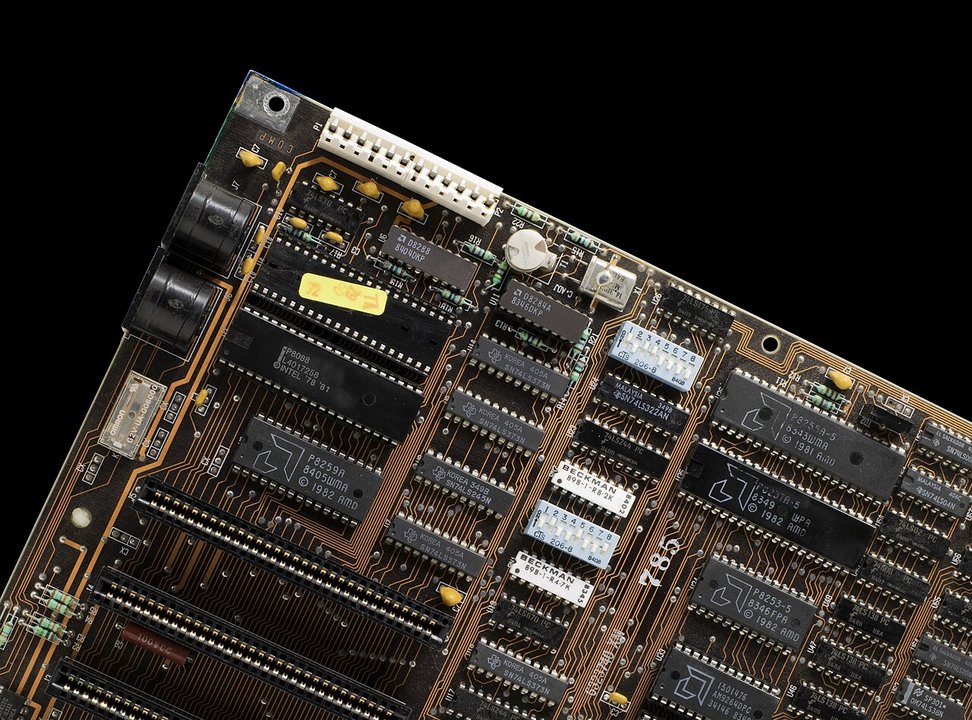
Semiconductor History | Waldorf Astoria, 12 August 1981 — IBM Makes Intel's 8088 the Center of the PC
kevin
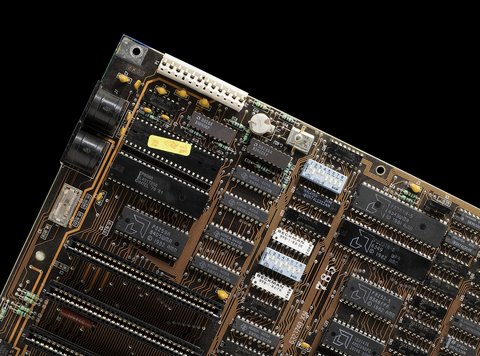
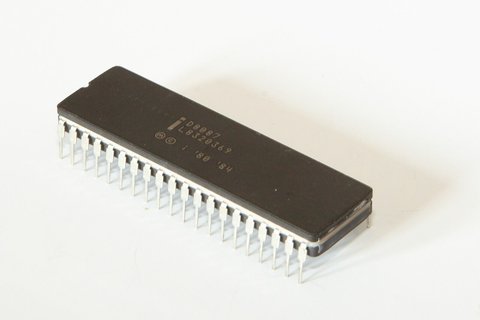
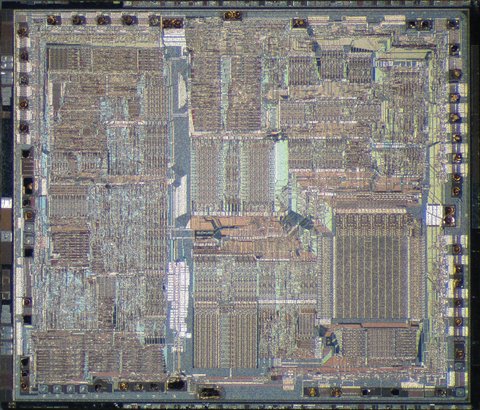
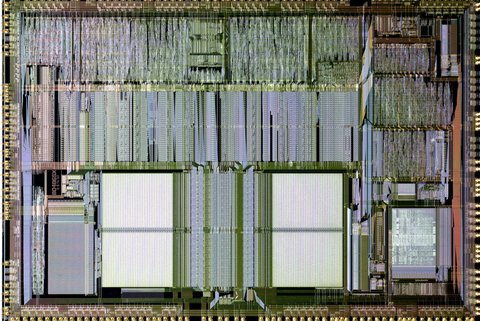
Near the left side of this IBM motherboard is a long black package marked P8088, the processor that turned Intel's instruction set into the reference point for personal computers.
IBM executive Don Estridge unveiled the IBM Personal Computer at New York's Waldorf Astoria on 12 August 1981. The basic machine had 16 kilobytes of memory and no disk drive, but the choice inside it mattered more than those modest specifications.
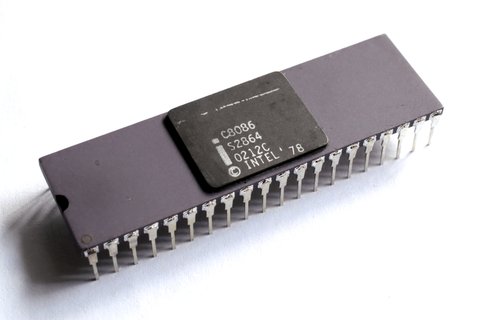
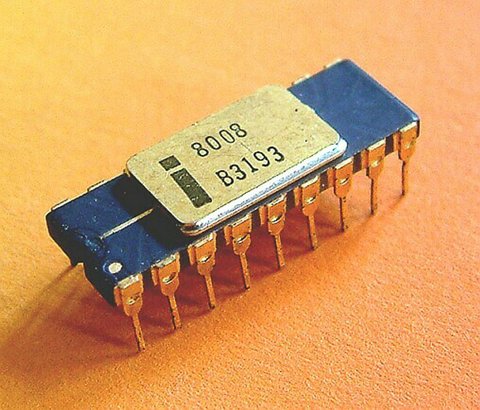
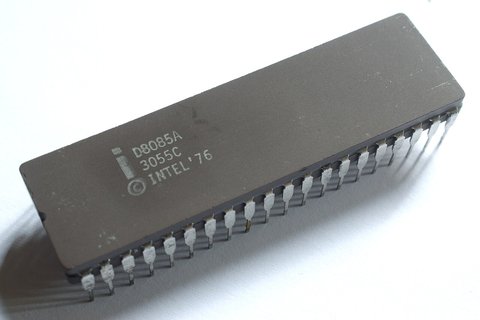
Intel had introduced the 8086 in 1978, then adapted it into the 8088 with an eight-bit external data bus that worked with cheaper, familiar support components. IBM's small Boca Raton team selected the 8088 while building its computer from parts available outside IBM.
Intel won the decision by selling far more than the processor.
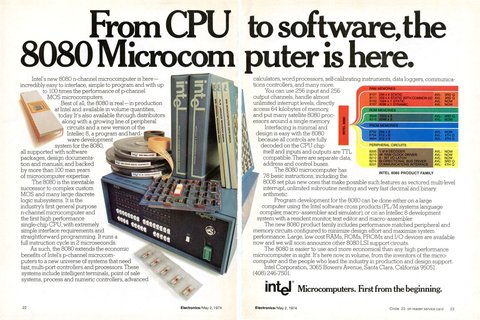
When 8086 sales lagged in December 1979, Intel organized Operation Crush, a company-wide sales and support campaign. Intel representatives sold development tools, reliable supply, engineering help, and a future family of compatible processors alongside the chip itself.
That package answered IBM's schedule problem.
The PC team had roughly a year to reach the market, so a supplier willing to support implementation reduced risk. Intel's own history identifies the IBM contract as one of thousands of design wins produced by Operation Crush, while IBM's record emphasizes the outside components and open documentation that made the deadline possible.
Success produced a platform Intel did not control by itself.
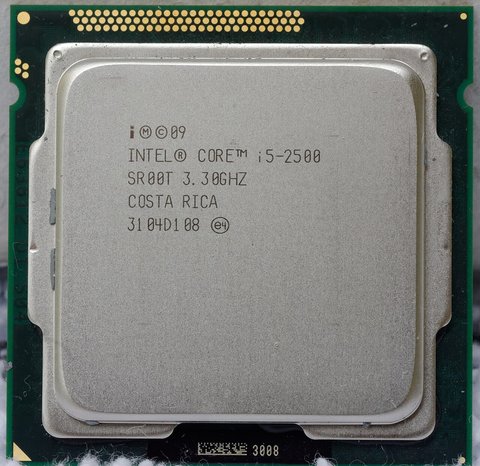
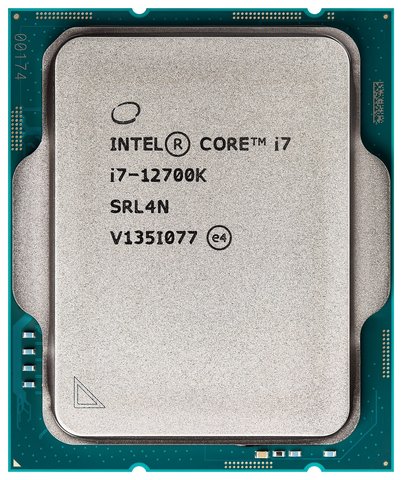
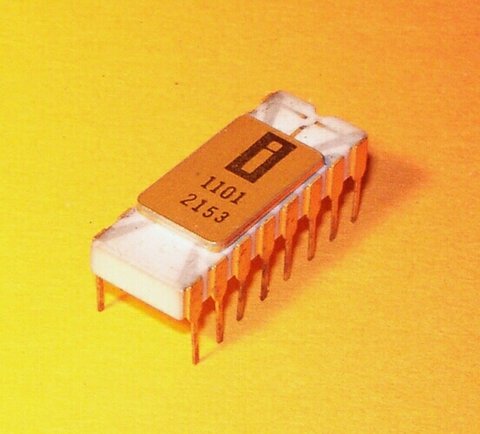
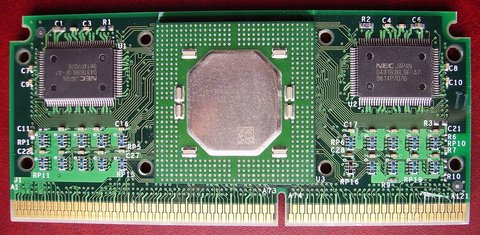
Microsoft's operating system, IBM's brand, expansion-card makers, and legally compatible clone computers all increased the value of x86 software. Each compatible machine made the next compatible purchase easier, while Intel gained the processor franchise at the center.
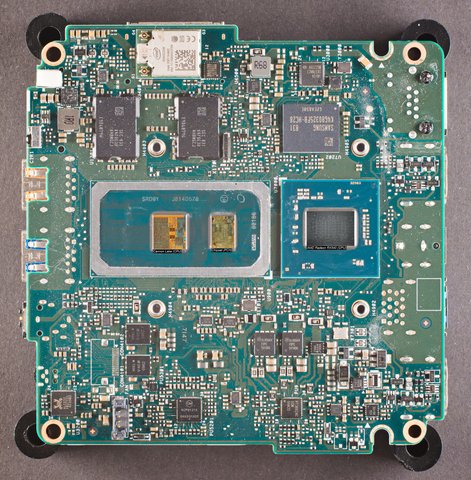
The photographed board comes from a later IBM 5150; the launch machine demonstrated in the Waldorf ballroom was different. The 8088 still sits among ordinary memory chips, switches, sockets, and copper traces as the component around which the PC standard accumulated.
The Park Avenue hotel still occupies the same Manhattan block where Estridge showed IBM's machine to the press.
Photo: Oligopolism, CC0 1.0, via Wikimedia Commons.







changes?
delete this memory?
We detected that you have a Blox in your crypto wallet! We will import the Blox into your account.
Click on done below to complete the import.
Welcome Back!
Sign in to preserve cherished moments
Don't have an account?
Welcome!!
Sign up and start preserving cherished moments
?
?





Choose your payment method
Buy with Metablox Credit
Do you want to mint Blox with Metablox Credit?
Which Crypto would you like to use?
Purchase Confirmed!
Your Blox is being minted on-chain and will appear in your profile shortly.
Log in or sign up to claim your Blox.
How many credits do you want to buy?
$100 USD = 1 Metablox Credit = 1 Blox.
Use Metablox Credit to mint any Blox you want on the map.
 expand_more