


Semiconductor History | Intel Headquarters, 28 August 2000 — The 1.13-Gigahertz Pentium III Runs Past Its Margin
· 2000-8
Personal memoryBy kevin · · Report an issue














































































Find memories left by people near you.
Distribute Bounty
This will distribute the bounty equally among all qualifying memories. This action cannot be undone.
Cancel Bounty
Are you sure you want to cancel this bounty? The remaining amount will be refunded to your account.
Success!
Operation completed successfully.
Error
Something went wrong.
Semiconductor History | Intel Headquarters, 28 August 2000 — The 1.13-Gigahertz Pentium III Runs Past Its Margin
kevin
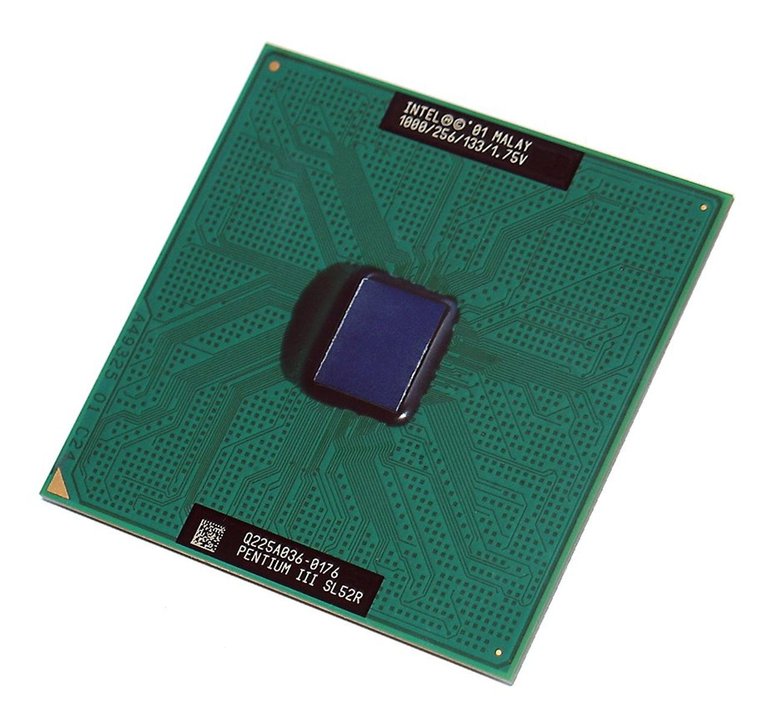
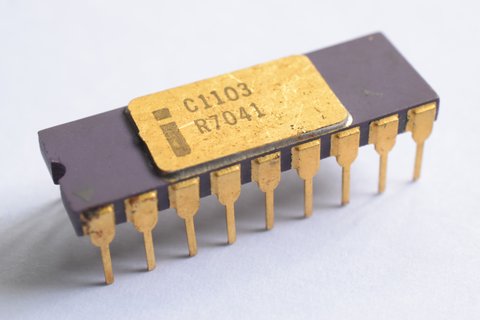
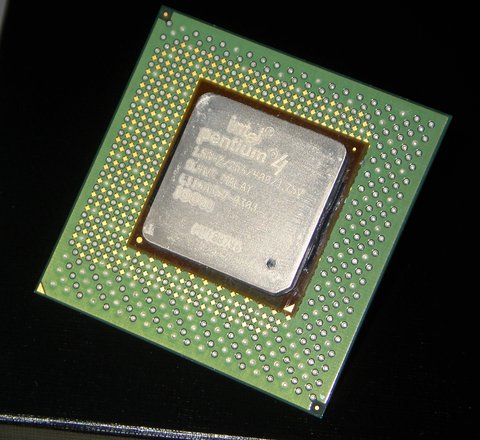
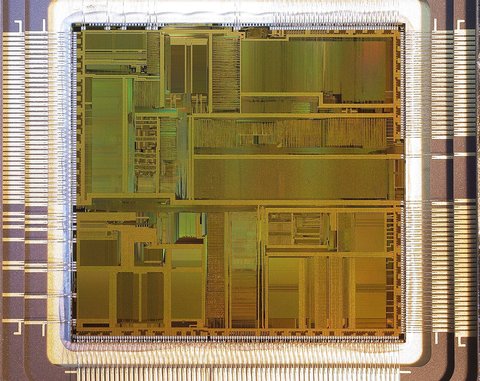
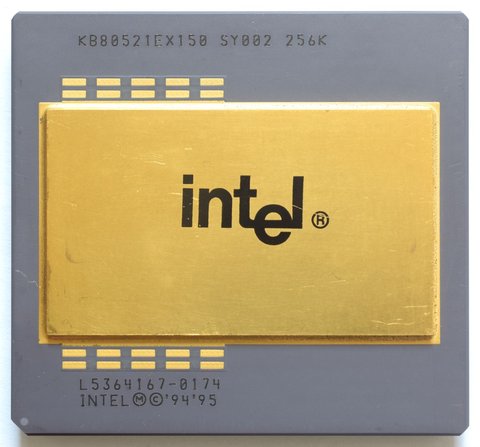
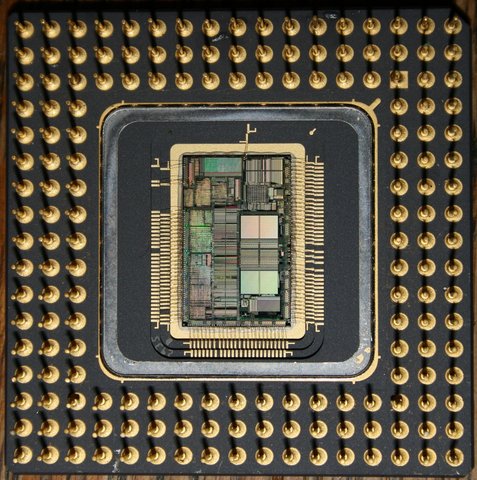
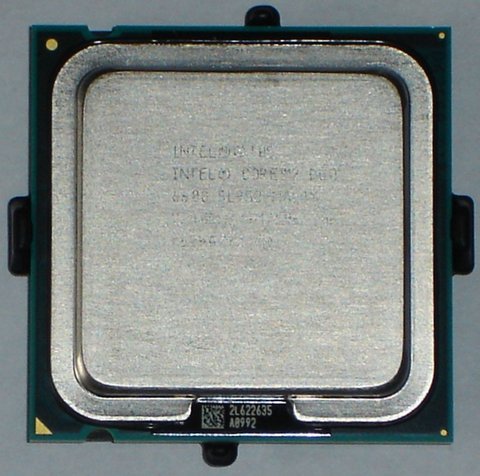
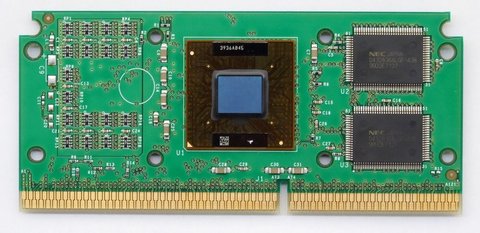
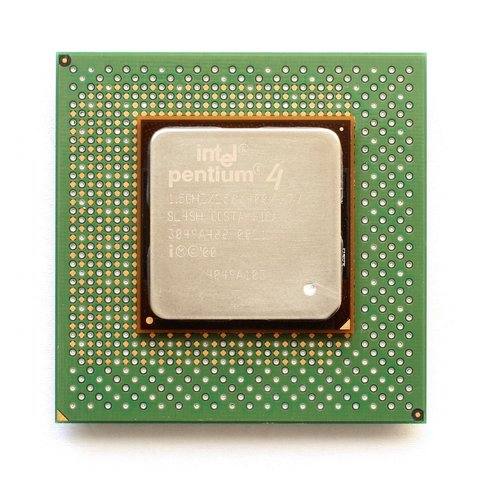
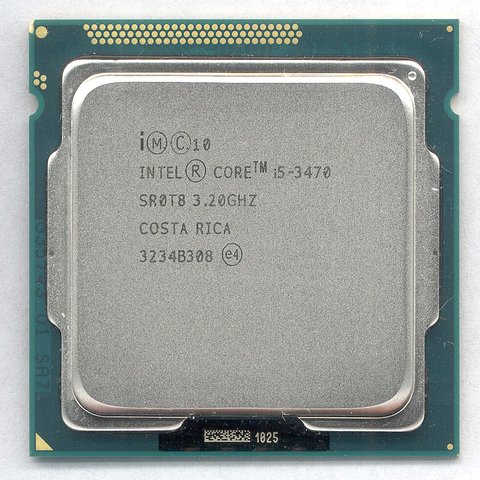
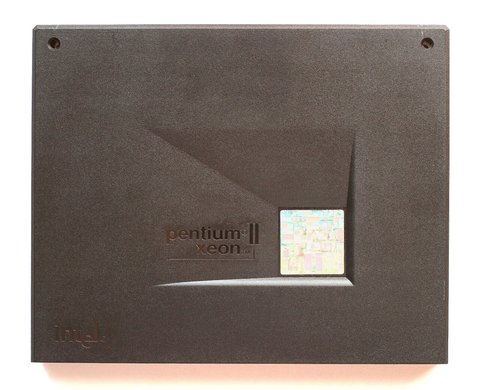
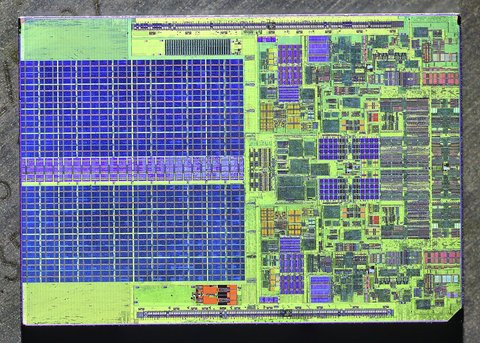
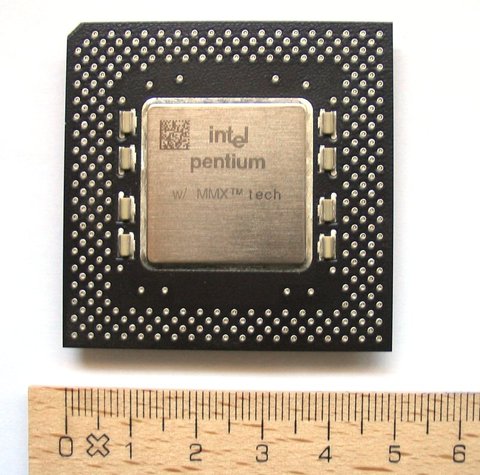
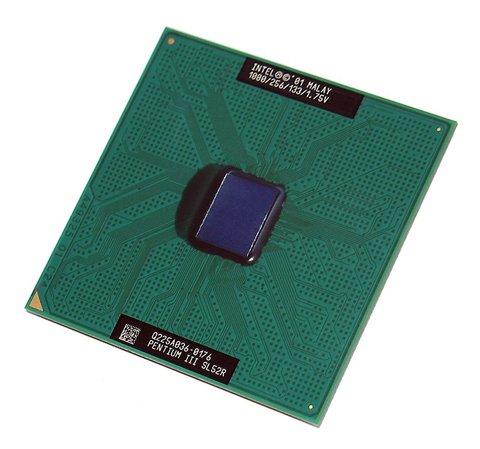
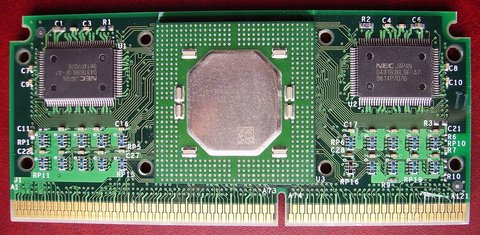
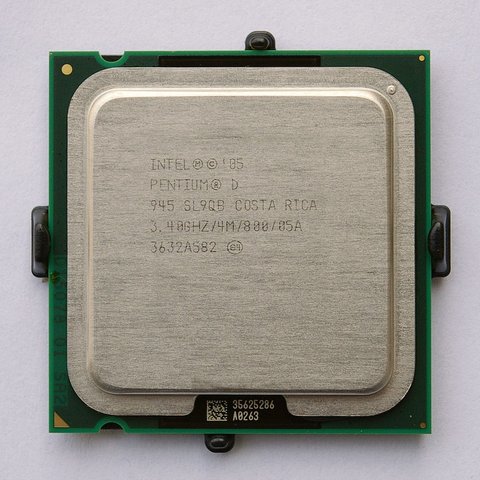
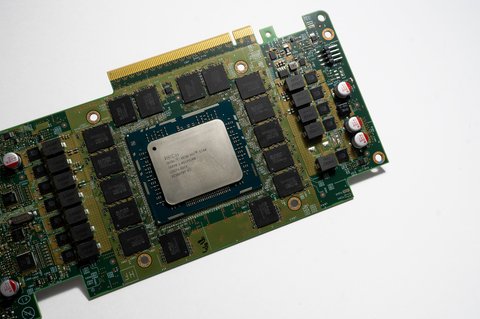
This public-domain photograph shows a 1-gigahertz Coppermine Pentium III, the same processor generation Intel pushed one speed grade too far in the race for the desktop clock crown.
On 31 July 2000, Intel introduced a 1.13-gigahertz Pentium III in limited quantities at $990 in thousand-unit purchases. The announcement called it the world’s highest-performance PC microprocessor and placed a conspicuous number above rival AMD’s fastest Athlon.
Coppermine itself was a strong engineering refinement.
Built on Intel’s 0.18-micron process, it moved level-two cache onto the processor die and ran that cache at full core speed. The family had carried the mature P6 architecture to 1 gigahertz, proving that a design descended from the Pentium Pro still had substantial life.
The 1.13-gigahertz part did not have enough operating margin.
Independent reviewers reported reproducible errors, and on 28 August Intel stopped shipments. The company said a particular combination of instructions, data, voltage, and temperature could cause a system to fail; customers who had received the small number of chips could obtain a replacement or refund.
The recall came less than a month after launch.
That speed mattered because clock frequency had become a simple retail signal and a public contest. Intel could manufacture remarkable silicon, but competitive pressure and an easily advertised milestone encouraged it to release a part whose validation did not cover every tolerable operating condition.
The good response was decisive.
Intel did not leave the faulty product in the channel once the evidence was clear, and the small initial shipment limited the practical damage. The bad was that outside testing caught an instability the company’s own qualification process should have found before Intel attached its reputation and premium price to the chip.
The episode did not invalidate Coppermine; it exposed the danger of treating the last increment of frequency as more important than dependable margin. A processor is not successful because it boots at a headline speed, but because every supported instruction works across the voltage and temperature range promised to customers.
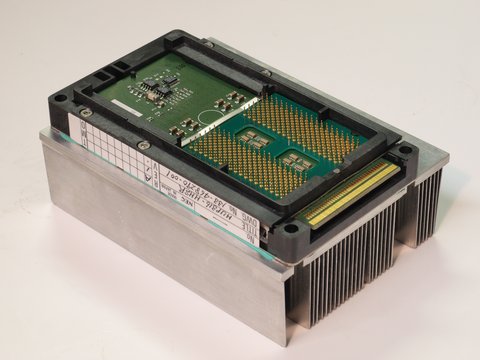
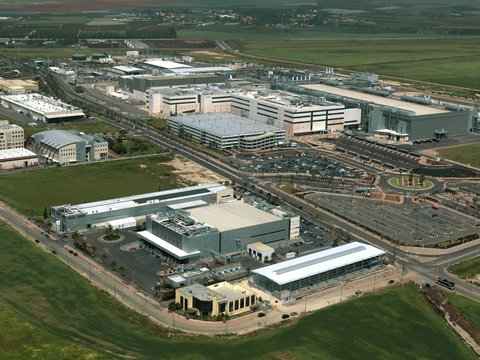
The pin marks Intel’s Santa Clara headquarters, the dateline from which the processor was launched and the recall was reported. The photograph is a Socket 370 1-gigahertz part, not the recalled 1.13-gigahertz SECC2 model.
Photo: Lp at Italian Wikipedia, public domain, via Wikimedia Commons.






















changes?
delete this memory?
We detected that you have a Blox in your crypto wallet! We will import the Blox into your account.
Click on done below to complete the import.
Welcome Back!
Sign in to preserve cherished moments
Don't have an account?
Welcome!!
Sign up and start preserving cherished moments
?
?







Choose your payment method
Buy with Metablox Credit
Do you want to mint Blox with Metablox Credit?
Which Crypto would you like to use?
Purchase Confirmed!
Your Blox is being minted on-chain and will appear in your profile shortly.
Log in or sign up to claim your Blox.
How many credits do you want to buy?
$100 USD = 1 Metablox Credit = 1 Blox.
Use Metablox Credit to mint any Blox you want on the map.
 expand_more