


Semiconductor History | Intel IDC2, Haifa, 1980 — The Math Chip That Made Floating Point Portable
· 1980
Personal memoryBy kevin · · updated · Report an issue











































































Find memories left by people near you.
Distribute Bounty
This will distribute the bounty equally among all qualifying memories. This action cannot be undone.
Cancel Bounty
Are you sure you want to cancel this bounty? The remaining amount will be refunded to your account.
Success!
Operation completed successfully.
Error
Something went wrong.
Semiconductor History | Intel IDC2, Haifa, 1980 — The Math Chip That Made Floating Point Portable
kevin
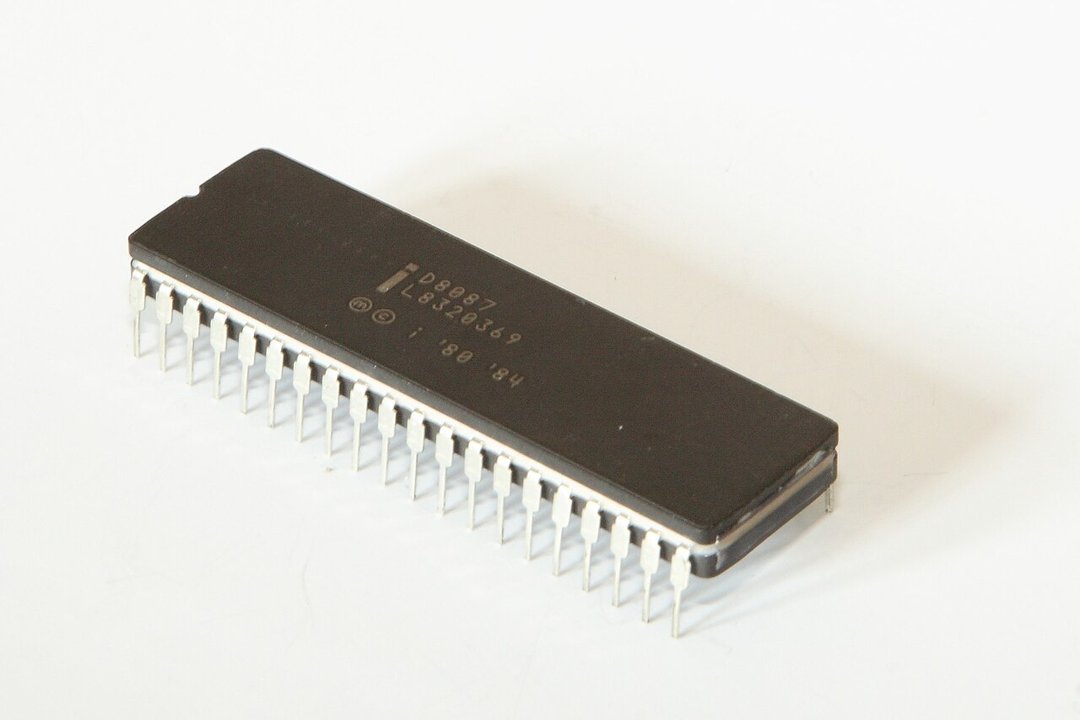
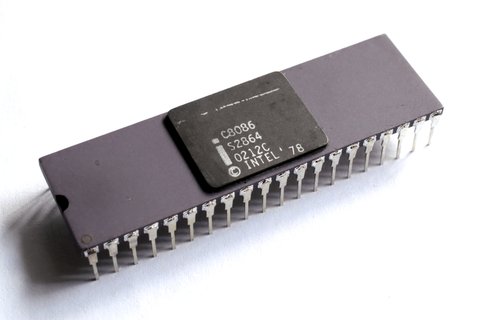
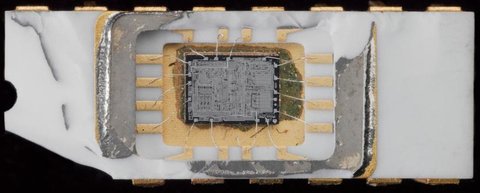
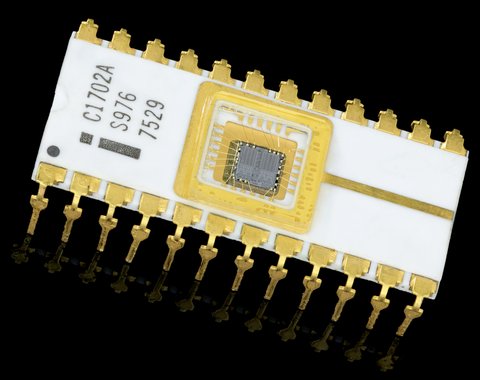
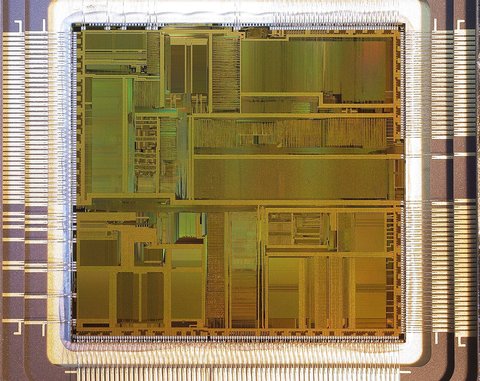
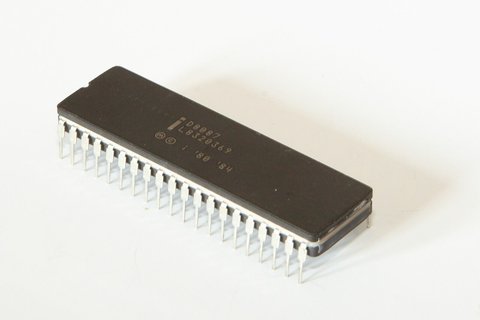
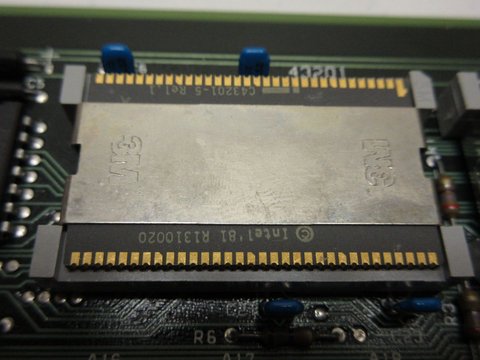
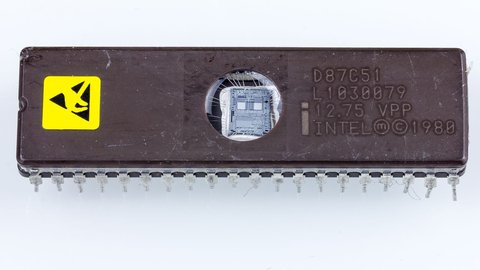
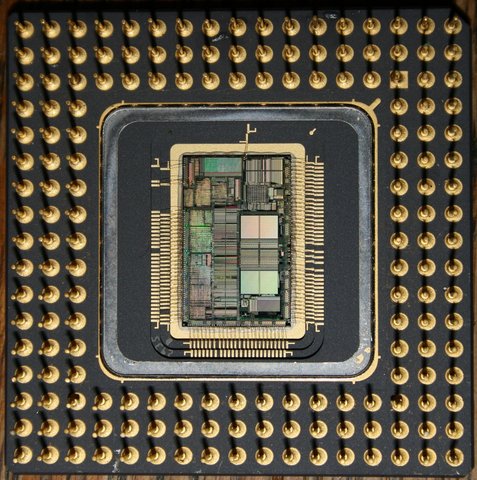
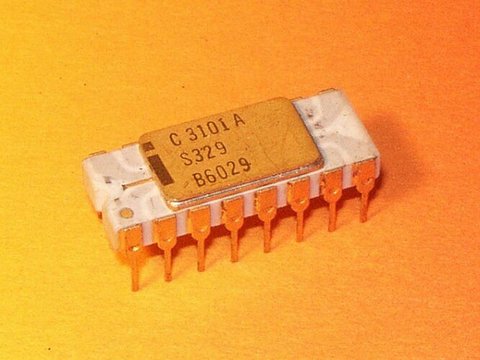
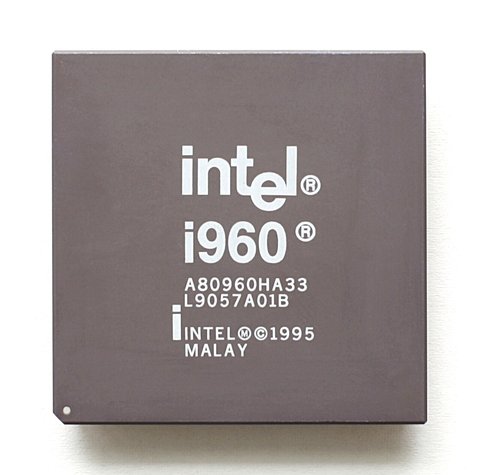
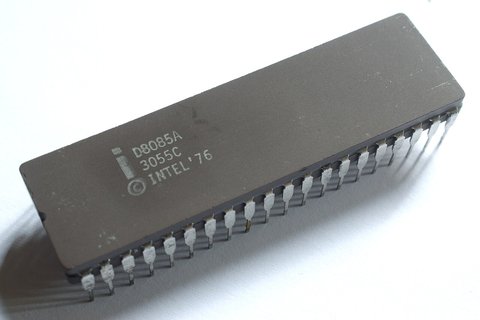
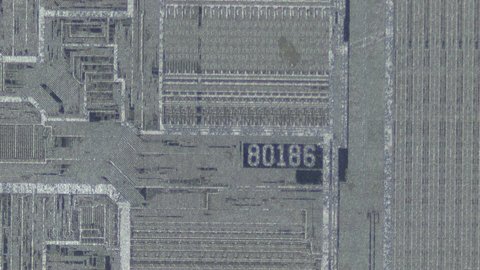
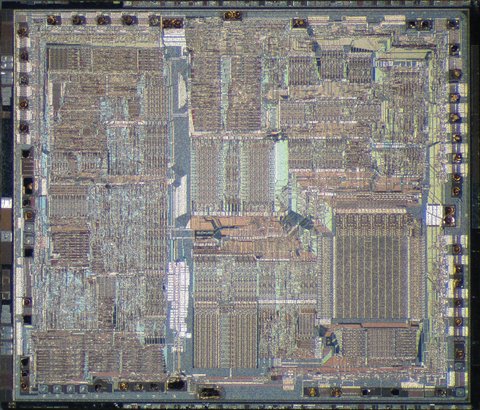
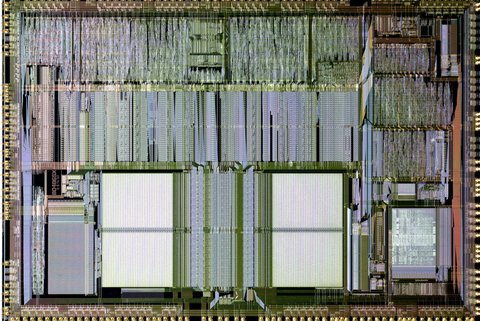
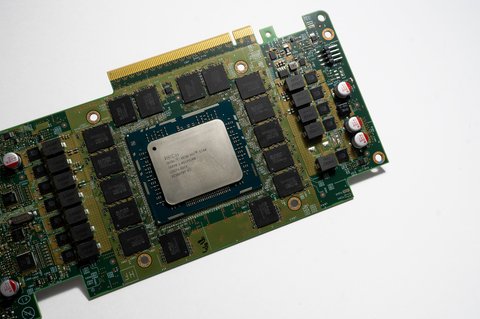
Forty silver pins run down the sides of this black ceramic package, whose faint top marking reads D8087 and carries Intel's 1980 copyright.
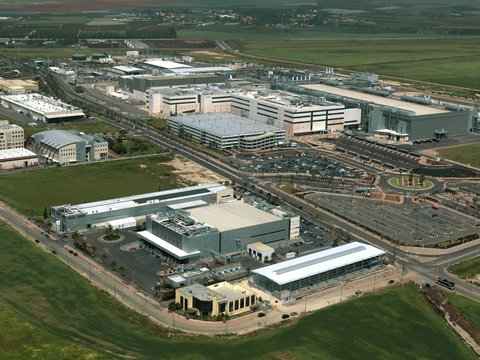
The chip came from Intel's young design operation in Haifa. Intel had opened the center in 1974, its first development facility outside the United States, after Dov Frohman argued that the nearby Technion offered a pool of engineers who otherwise had few local semiconductor jobs.
The first projects were deliberately modest.
By the end of the decade, the Haifa group accepted a much harder assignment: implement a numeric processor that could work beside the 8086 and 8088. Rafi Nave led the local design team, while Intel engineers in the United States worked on the mathematical architecture and the connection between the two chips.
The 8087 did not replace the main processor.
It watched the same instruction stream and responded when it encountered operations intended for the coprocessor. The arrangement let existing computers add fast floating-point arithmetic, square roots, logarithms, and trigonometric functions through a second socket instead of replacing the whole system.
Speed was only part of the achievement.
Computer makers then handled floating-point numbers, rounding, overflow, underflow, and exceptional results in incompatible ways. The 8087 implemented a broad, coherent set of data types and exception behaviors while the IEEE's floating-point standard was still being negotiated.
IEEE 754 was finalized in 1985, five years after the chip appeared.
The standard was not simply copied from one Intel product, but the 8087 gave important proposals working silicon and commercial reach. Its arithmetic and data formats became part of the foundation on which portable numerical software could depend across later processors.
That made the project a test of Intel's geographic strategy as well as a technical product.
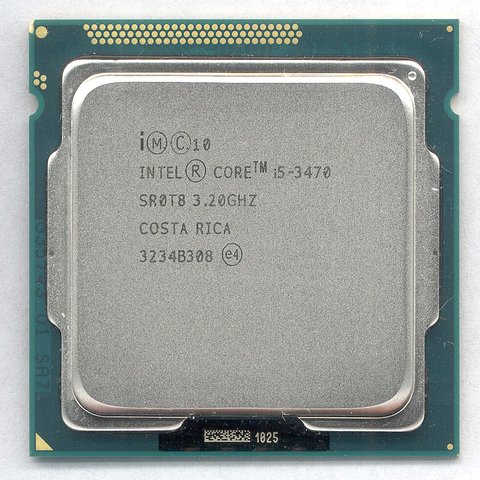
A remote team that began with small assignments had delivered a component tied closely to the x86 architecture and to an industry standard. Haifa later contributed to the 8088, Centrino, and Intel Core generations, but the 8087 was the early proof that critical processor work did not have to remain in California.
The pin marks the IEEE milestone plaques on the outdoor path to Intel's IDC2 lobby in MATAM, a short distance from the original warehouse where the 8087 work began. The office park permits pedestrian entry subject to security screening; visitors should follow current access rules and remain in public or designated areas.
Photo: Henry Mühlpfordt, CC BY-SA 3.0, via Wikimedia Commons.















changes?
delete this memory?
We detected that you have a Blox in your crypto wallet! We will import the Blox into your account.
Click on done below to complete the import.
Welcome Back!
Sign in to preserve cherished moments
Don't have an account?
Welcome!!
Sign up and start preserving cherished moments
?
?







Choose your payment method
Buy with Metablox Credit
Do you want to mint Blox with Metablox Credit?
Which Crypto would you like to use?
Purchase Confirmed!
Your Blox is being minted on-chain and will appear in your profile shortly.
Log in or sign up to claim your Blox.
How many credits do you want to buy?
$100 USD = 1 Metablox Credit = 1 Blox.
Use Metablox Credit to mint any Blox you want on the map.
 expand_more