


Semiconductor History | Intel SC1, 1974 — A Watch Puts an Entire System on One Chip
· 1974
Personal memoryBy kevin · · updated · Report an issue




































































Find memories left by people near you.
Distribute Bounty
This will distribute the bounty equally among all qualifying memories. This action cannot be undone.
Cancel Bounty
Are you sure you want to cancel this bounty? The remaining amount will be refunded to your account.
Success!
Operation completed successfully.
Error
Something went wrong.
Semiconductor History | Intel SC1, 1974 — A Watch Puts an Entire System on One Chip
kevin
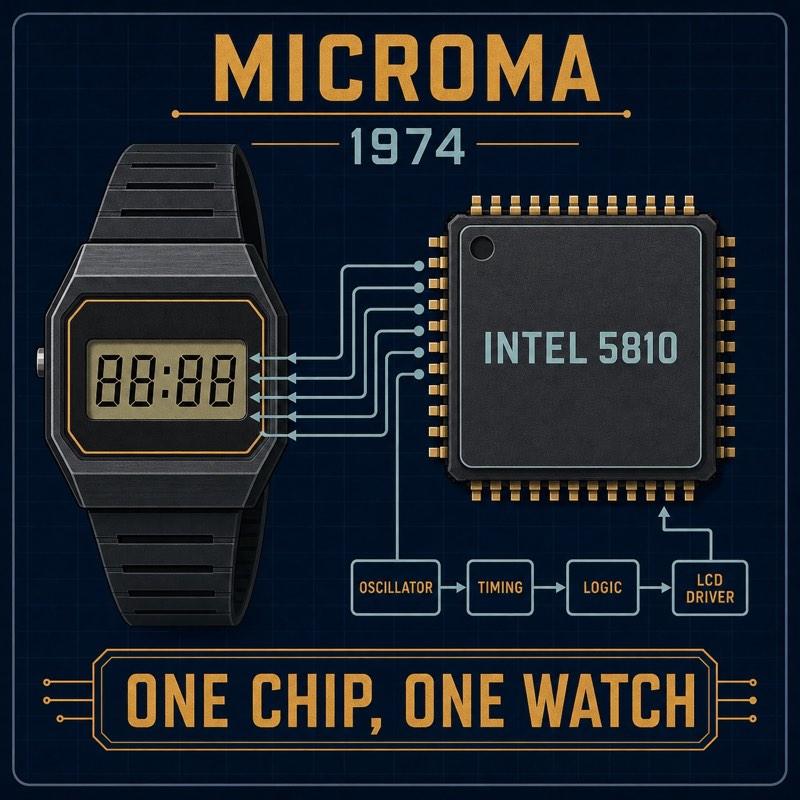
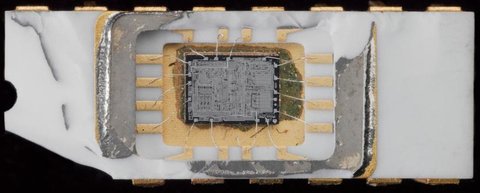
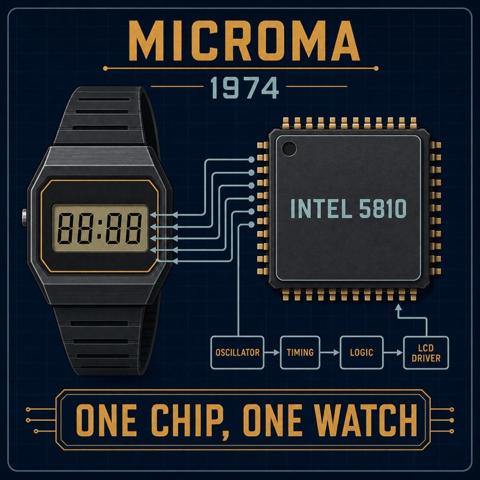
In 1974, Intel engineer Peter Stoll completed the 5810, a CMOS integrated circuit for a Microma liquid-crystal digital watch. Intel had acquired the watch company in 1972, hoping that a finished consumer product could showcase the low power and integration of its semiconductor technology.
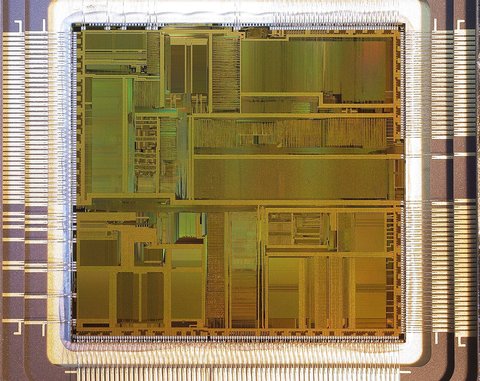
The good was the chip. Instead of spreading timing and display-control functions among many components, Stoll put the watch’s electronic system on one piece of silicon, making the 5810 an early true system-on-chip design.
That achievement anticipated a central direction of the semiconductor industry: more of a product would move onto one integrated circuit, cutting component count and power while enabling smaller devices. It also showed that Intel’s engineering reach extended beyond memory chips and general-purpose processors.
The bad was the business around the chip. A digital watch was not merely a semiconductor in a case; it was jewelry, a consumer brand, a display, a battery, a retail product, and an after-sales obligation, all exposed to fashion and rapid price competition.
Intel could design the remarkable silicon yet still struggle to turn it into a durable consumer business. As digital watches became cheaper and more common, technical novelty did not protect Microma’s economics or give Intel an enduring advantage at the store counter.
In 1977, Intel abandoned the digital-watch and watch-module business, closed Microma as a subsidiary, reassigned most of its people, and disposed of its remaining assets. The exit made the commercial verdict unambiguous even though the underlying integration was historically important.
Microma therefore captures both sides of Intel at once. The company helped demonstrate the future of system-on-chip design, but it also learned that owning excellent component technology did not automatically confer the skills required to win in a finished consumer market.
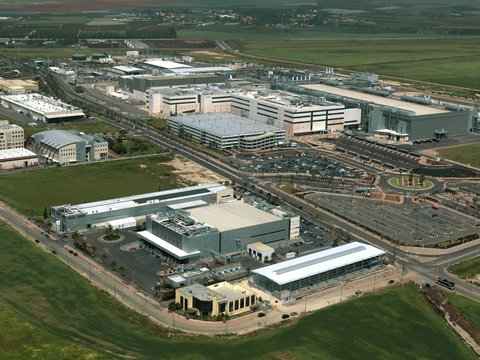
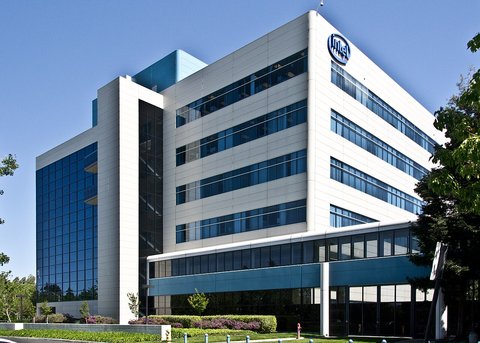
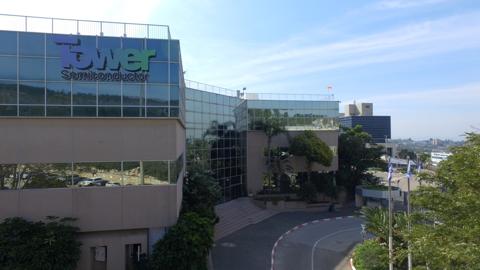
The pin is Intel’s former SC1 corporate and engineering campus, a public company anchor for the 5810 story; it does not assert that every Microma watch operation was housed in this building.
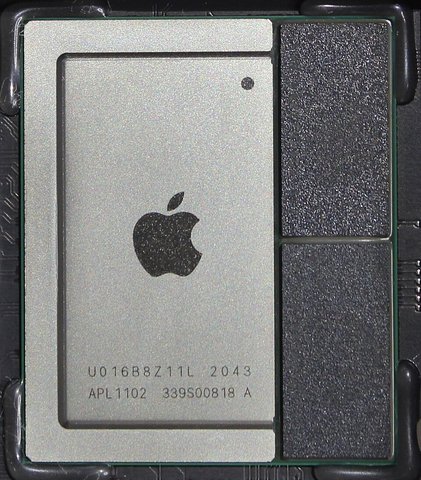
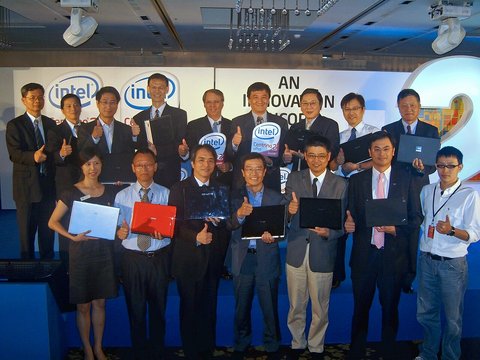
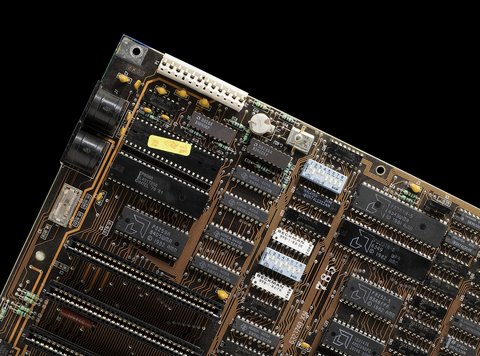
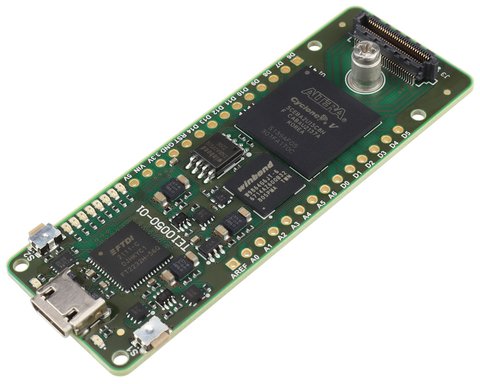
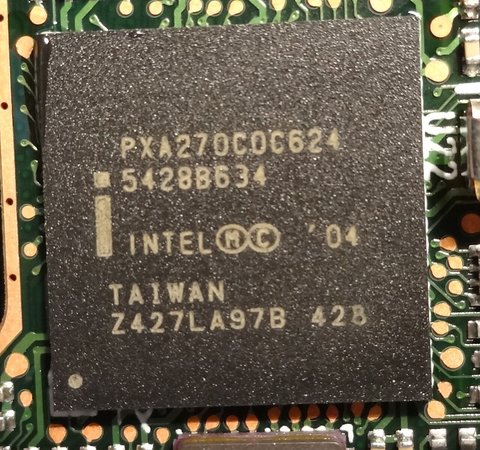
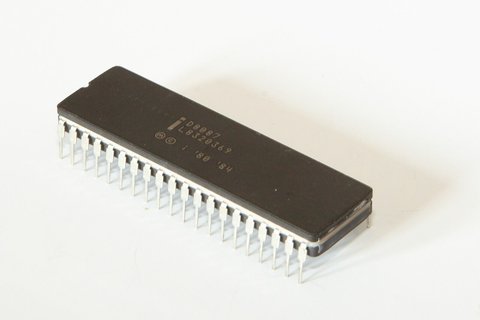
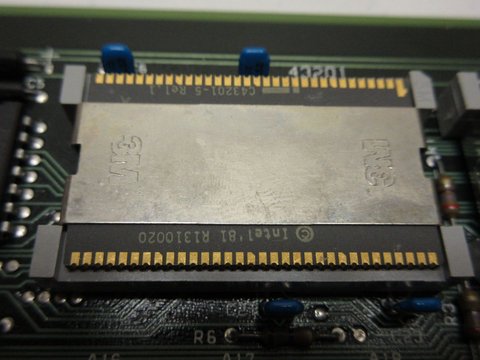
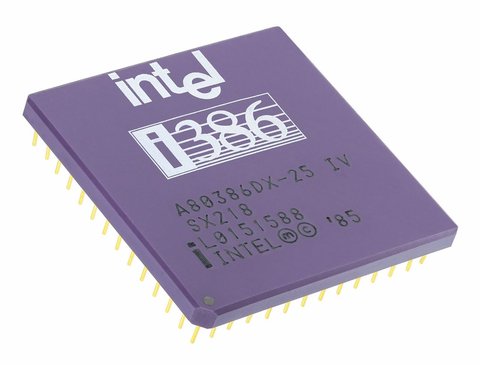
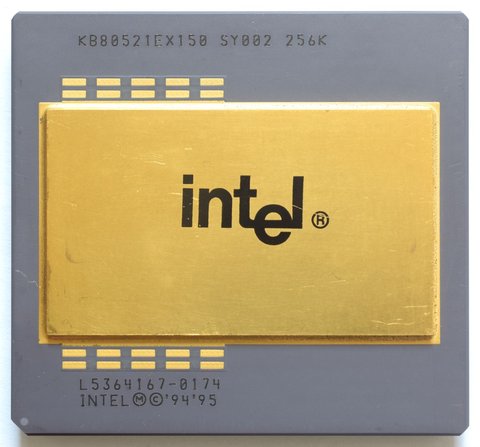
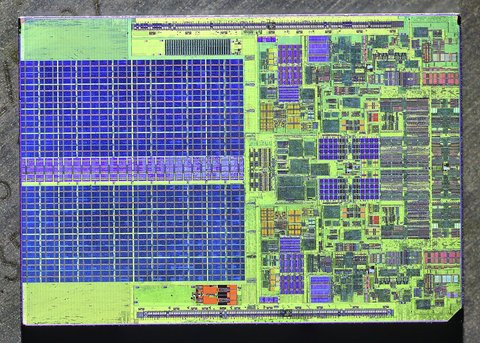
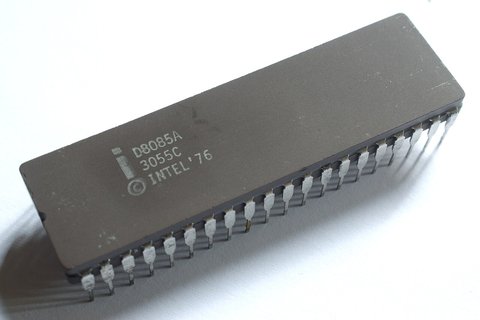
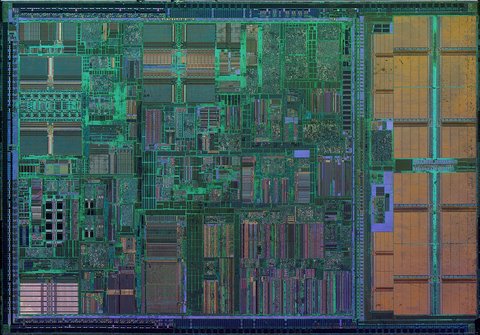
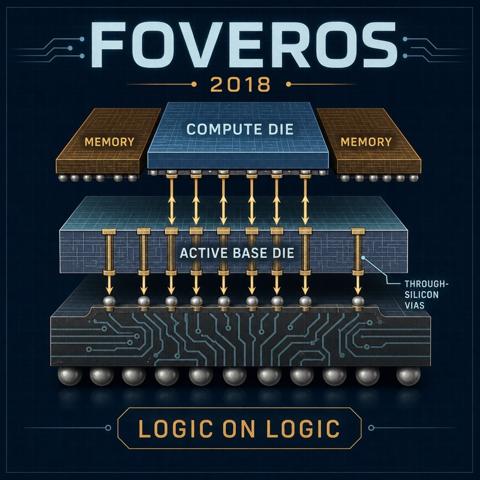
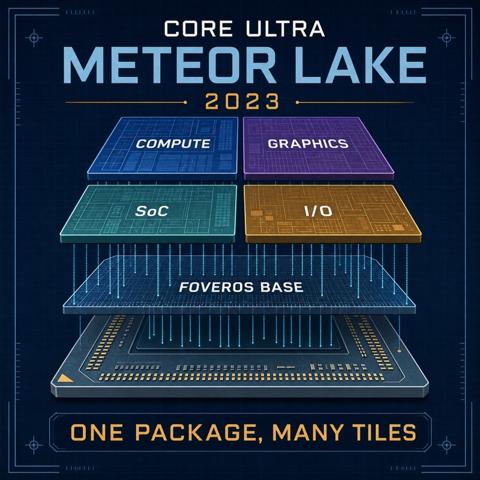
Image note: original technical-history illustration created for this memory; it is not a documentary photograph.












changes?
delete this memory?
We detected that you have a Blox in your crypto wallet! We will import the Blox into your account.
Click on done below to complete the import.
Welcome Back!
Sign in to preserve cherished moments
Don't have an account?
Welcome!!
Sign up and start preserving cherished moments
?
?





Choose your payment method
Buy with Metablox Credit
Do you want to mint Blox with Metablox Credit?
Which Crypto would you like to use?
Purchase Confirmed!
Your Blox is being minted on-chain and will appear in your profile shortly.
Log in or sign up to claim your Blox.
How many credits do you want to buy?
$100 USD = 1 Metablox Credit = 1 Blox.
Use Metablox Credit to mint any Blox you want on the map.
 expand_more