


Semiconductor History | The Venetian, 5 January 2011 — Sandy Bridge Puts the CPU and Graphics on One Die
Las Vegas Strip, Global, Earth · 2011-1
Personal memoryBy kevin · · updated · Report an issue





























Distribute Bounty
This will distribute the bounty equally among all qualifying memories. This action cannot be undone.
Cancel Bounty
Are you sure you want to cancel this bounty? The remaining amount will be refunded to your account.
Success!
Operation completed successfully.
Error
Something went wrong.
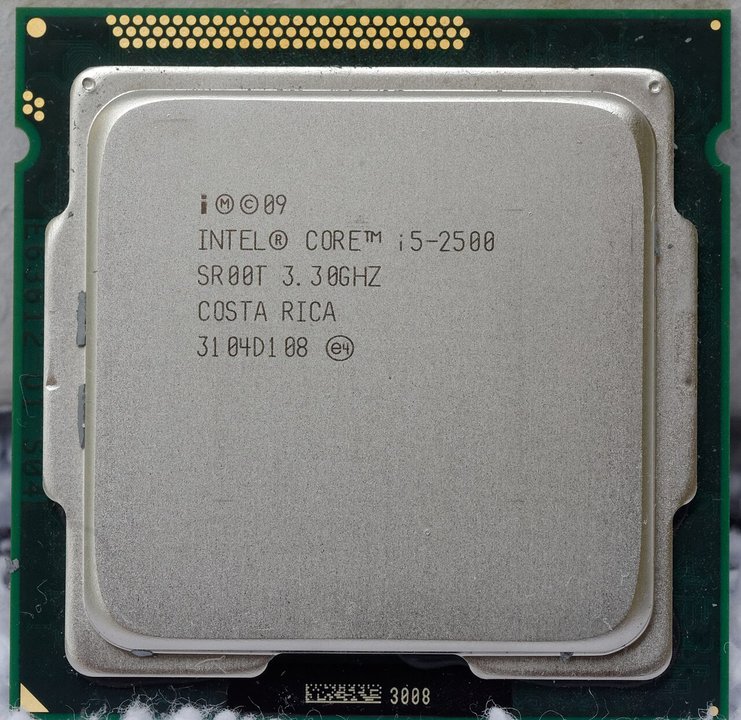
Semiconductor History | The Venetian, 5 January 2011 — Sandy Bridge Puts the CPU and Graphics on One Die
kevin
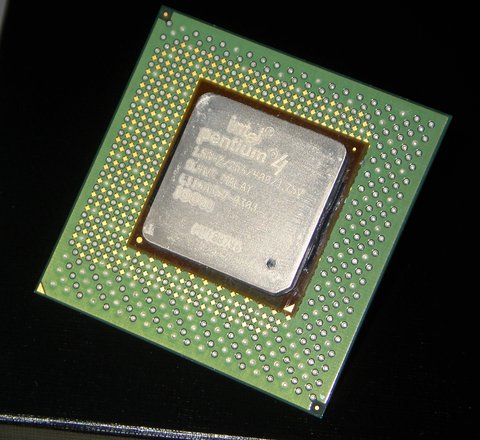
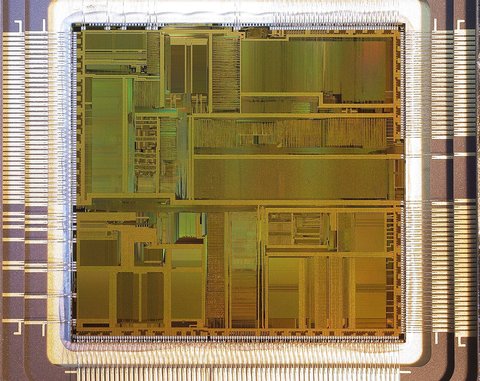
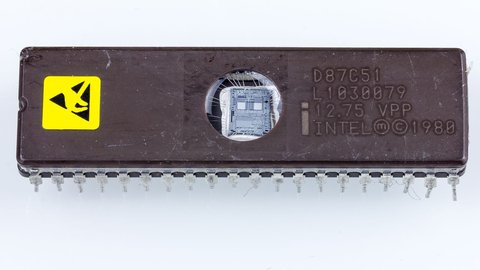
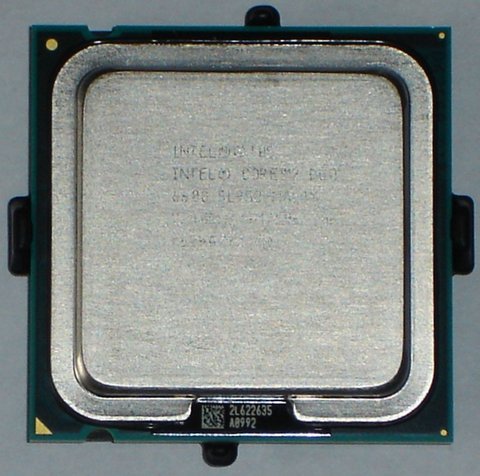
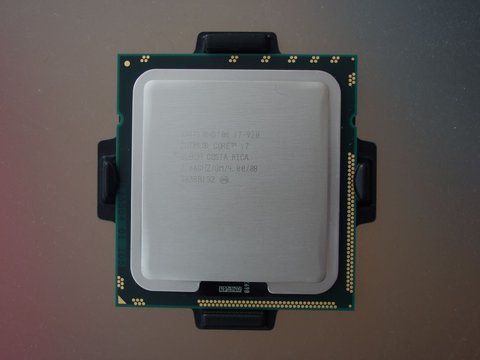
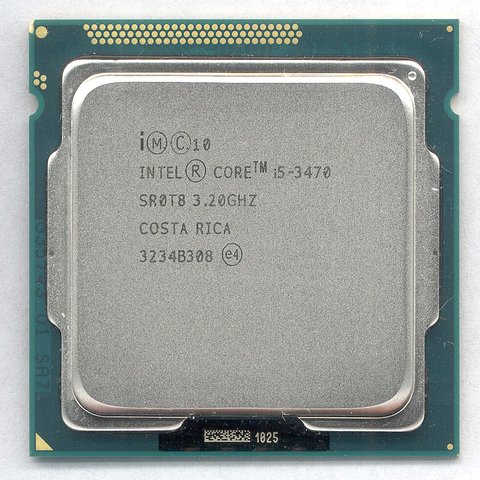
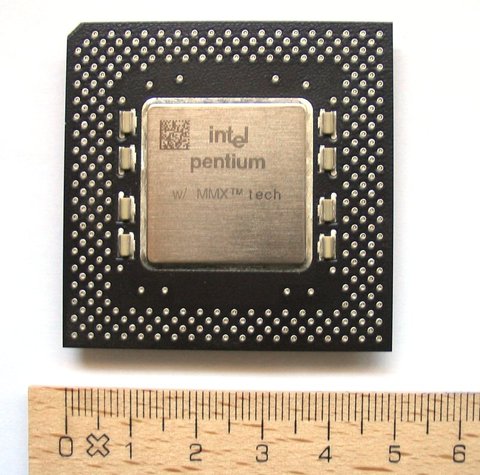
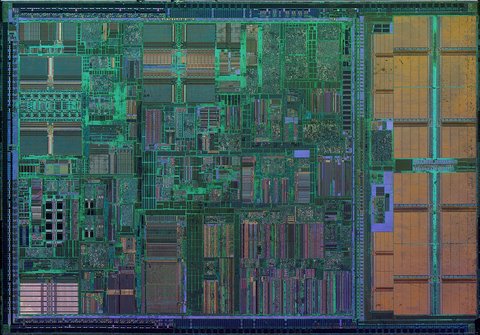
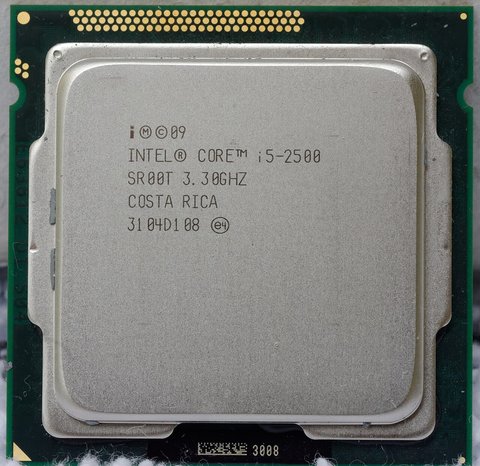
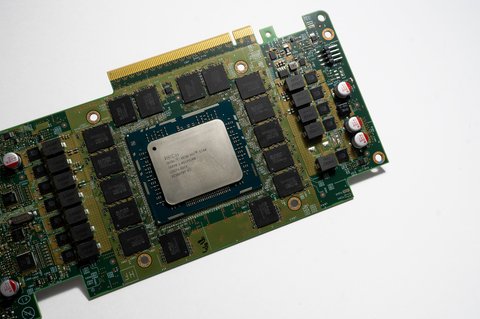
The Core i5-2500 pictured here was one of the desktop processors through which Intel made “Sandy Bridge” a new center of the personal computer rather than merely another faster CPU.
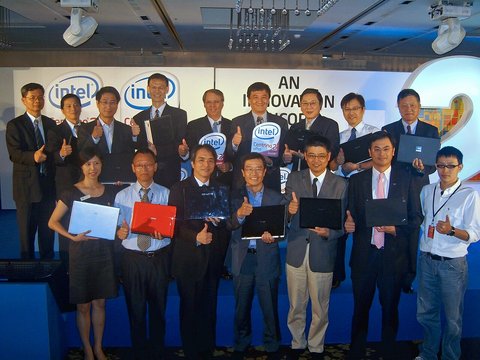
Intel officially unveiled its second-generation Core family on 5 January 2011 during a press conference in the Marco Polo 804 room at The Venetian in Las Vegas. The launch covered 20 processors and more than 500 planned computer designs, giving the architecture unusual breadth from notebooks to high-performance desktops.
The defining change was integration.
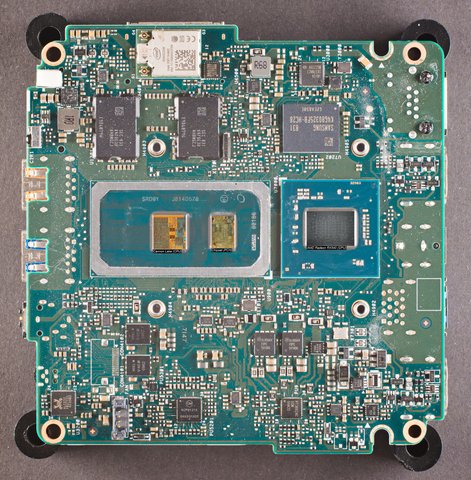
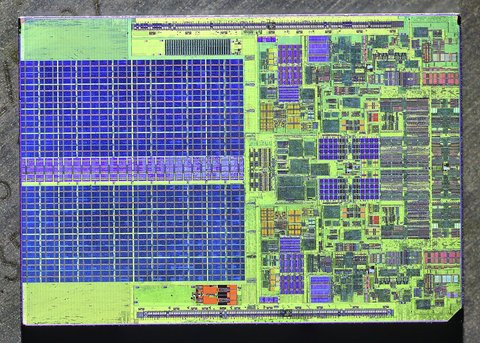
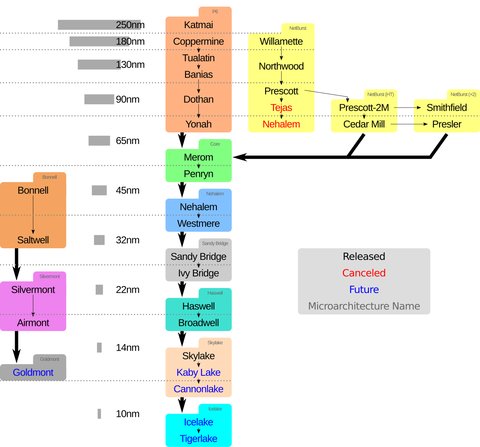
Sandy Bridge placed processor cores, graphics, cache, and a shared ring interconnect on one 32-nanometer die. The graphics engine could share the last-level cache with the CPU, while Turbo Boost shifted power and frequency toward the work that needed it.
For many users, the most visible advantage was specialized media hardware.
Intel Quick Sync Video accelerated common encoding tasks with far less time and power than a CPU-only conversion, and the integrated graphics made capable everyday machines possible without a separate graphics card. Strong instructions-per-clock performance and good energy efficiency made chips such as the i5-2500 and unlocked i5-2500K especially durable favorites.
Integration also concentrated Intel’s control over the platform.
Desktop buyers needed a new LGA1155 motherboard, and meaningful overclocking was largely restricted to K-series processors and compatible chipsets. The integrated graphics improved sharply but still did not replace a discrete graphics card for demanding games, so the single-die promise had practical limits.
A separate flaw in Intel’s companion 6-series chipsets interrupted the rollout weeks later, even though the Sandy Bridge processors themselves were not defective. That episode belongs to the platform around the CPU, but it illustrated the consequence of integration: a strong processor could still be held back by another part of the system.
Sandy Bridge’s balance was nevertheless exceptional.
It joined fast general-purpose cores, usable graphics, and fixed-function media processing without sacrificing the responsiveness buyers expected from Intel’s premium CPUs. Its downside was not a failed architecture but a more closed upgrade path and features whose value depended on Intel’s chosen product tier.
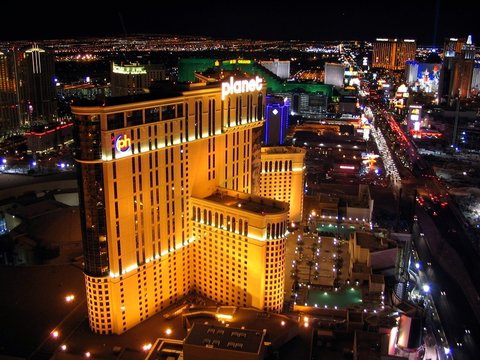
The pin marks The Venetian, 3355 South Las Vegas Boulevard, where Intel’s launch schedule placed the press conference. Conference rooms are private event spaces; public access depends on the resort’s current rules.
Photo: Jud McCranie, CC BY-SA 4.0, via Wikimedia Commons.











changes?
delete this memory?
We detected that you have a Blox in your crypto wallet! We will import the Blox into your account.
Click on done below to complete the import.
Welcome Back!
Sign in to preserve cherished moments
Don't have an account?
Welcome!!
Sign up and start preserving cherished moments
?
?






Choose your payment method
Buy with Metablox Credit
Do you want to mint Blox with Metablox Credit?
Which Crypto would you like to use?
Purchase Confirmed!
Your Blox is being minted on-chain and will appear in your profile shortly.
Log in or sign up to claim your Blox.
How many credits do you want to buy?
$100 USD = 1 Metablox Credit = 1 Blox.
Use Metablox Credit to mint any Blox you want on the map.
 expand_more